Diclofenac Gel and Patches: Treatment for Pain and Inflammation
Learn how diclofenac topical treatments relieve pain and inflammation from injuries and arthritis.
About Diclofenac Gel and Patches
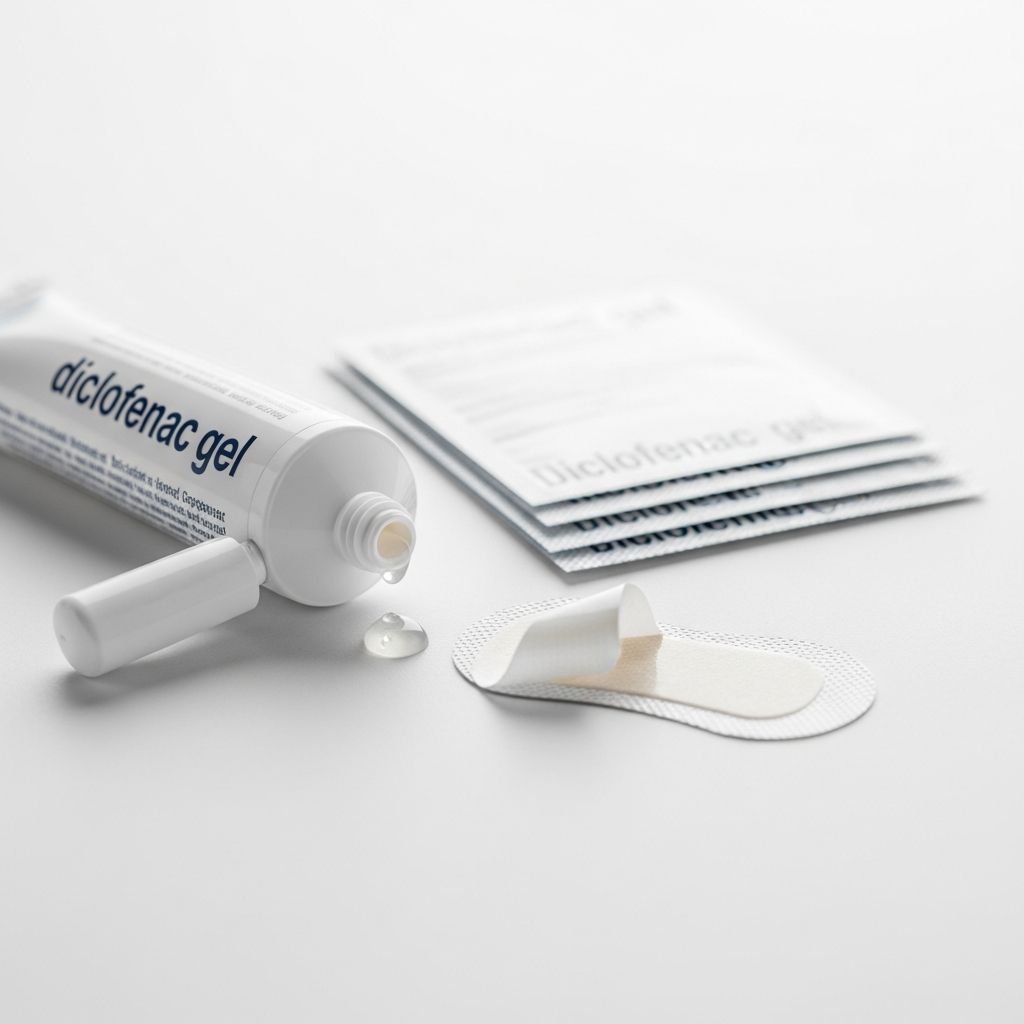
Diclofenac gel and patches are topical non-steroidal anti-inflammatory drugs (NSAIDs) designed to provide localized pain relief and reduce inflammation. These medications work directly on the area where you apply them, making them an effective option for treating various musculoskeletal conditions without affecting your entire body.
| Property | Details |
|---|---|
| Type of Medicine | Topical non-steroidal anti-inflammatory (NSAID) |
| Used for | Treating pain and swelling due to strains, sprains, backache, and arthritis |
| Brand Names | Motusol®, Voltarol Emulgel®, Voltarol® Medicated Plaster, Flector® Tissugel |
| Application Method | Gel or medicated patch applied directly to skin |
How Diclofenac Works
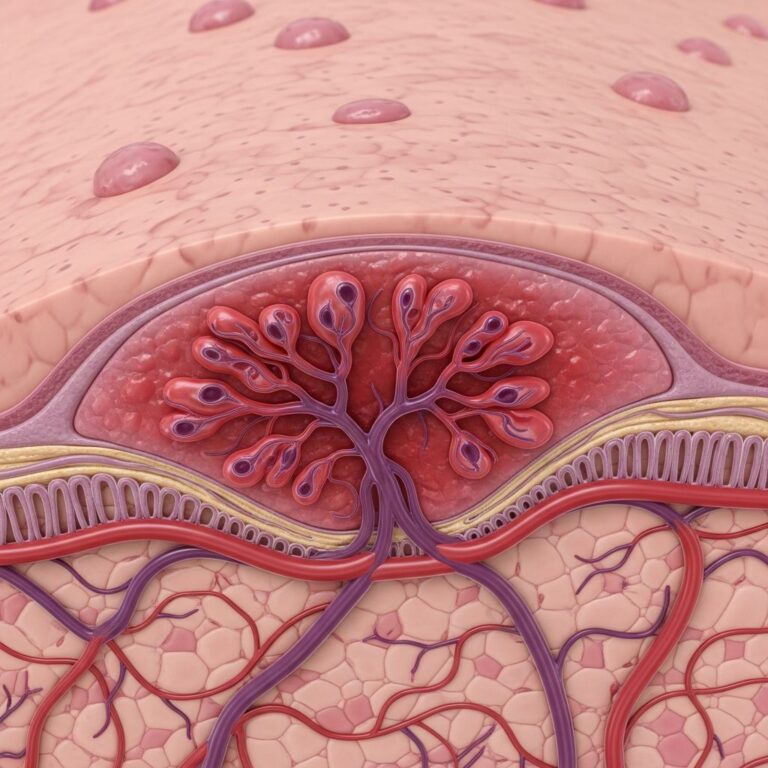
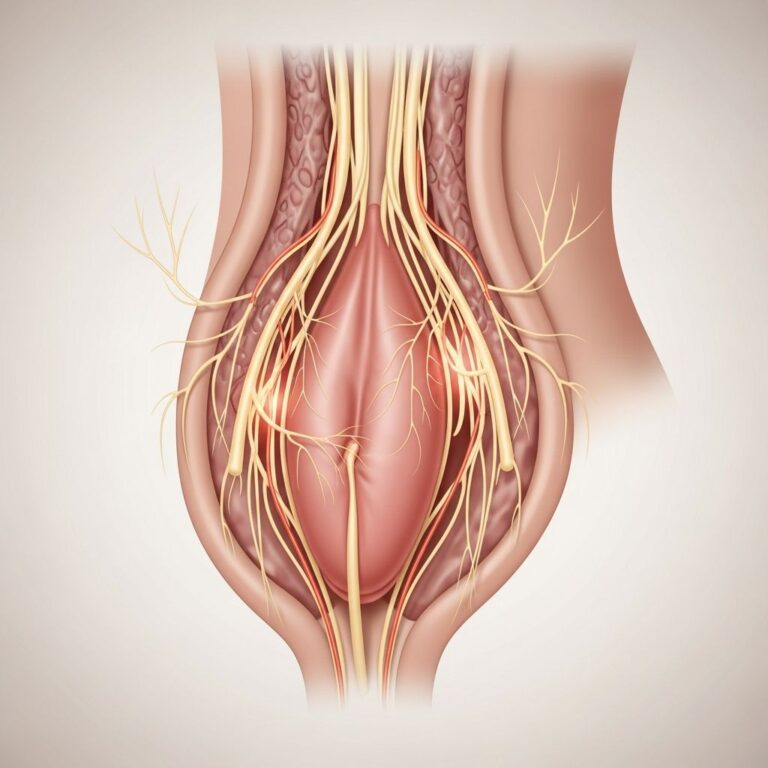
When diclofenac is applied to your skin as a gel or patch, it works only on the area where you apply it, rather than affecting your entire body. The medication is absorbed into your skin and penetrates deeper into tissues where inflammation occurs, such as muscles and joints. This localized approach means the total amount of diclofenac that enters your bloodstream remains very low, significantly reducing the risk of systemic side effects that might occur with oral NSAIDs.
By keeping the amount of medication in your body minimal, topical diclofenac provides effective pain relief while maintaining a favorable safety profile compared to oral formulations.
Uses and Conditions Treated
Diclofenac gel and patches are effective for managing various musculoskeletal conditions:
- Strains and sprains affecting joints and soft tissues
- Backache and lower back pain
- Arthritis, including osteoarthritis of the joints
- Tennis elbow and other tendonitis conditions
- Knee, ankle, foot, wrist, elbow, and hand pain
- General muscle aches and joint inflammation
These treatments are particularly suitable for minor injuries and chronic conditions affecting specific areas of the body where localized treatment is beneficial.
Before Using Diclofenac
It is essential to ensure diclofenac is the right treatment for you. Before starting, inform your doctor or pharmacist if any of the following apply:
- You are pregnant or breastfeeding
- You have asthma or other allergic disorders
- You have a skin condition such as eczema
- You have, or have ever had, a stomach or intestinal ulcer
- You have experienced an allergic reaction to non-steroidal painkillers (aspirin, ibuprofen, naproxen, indomethacin) or other medications
- You have severe joint pain of recent onset not related to injury or overuse
- You feel ill, have a temperature, or other symptoms accompanying the pain
- You are in the last three months of pregnancy
- You have porphyria
These precautions help ensure safe use and prevent potential complications.
How to Use Diclofenac Gel and Patches
Using Diclofenac Gel
Before starting diclofenac gel, carefully read the manufacturer’s printed information leaflet included in the pack. It provides detailed information about the product and a complete list of potential side effects.
Application Instructions:
- Apply a thin layer of gel to the affected area
- Gently massage the gel into the skin
- Wash your hands thoroughly after application (unless treating your hands)
- Do not cover treated areas with dressings or bandages, as this increases absorption beyond intended levels
Dosage Frequency: For strains and sprains, apply the gel three or four times daily for up to 14 days. A double-strength gel is available from pharmacies that requires only twice-daily application. If pain and inflammation persist after two weeks, consult your doctor to confirm continued treatment is appropriate.
Related Stories



Dosing Guidelines by Location:
- For hands, elbows, or wrists: Apply 2 grams to affected areas four times daily (maximum 8 grams daily)
- For knees, ankles, or feet: Apply 4 grams to affected areas four times daily (maximum 16 grams daily)
- Maximum total daily dose across all affected joints: 32 grams
Use the enclosed dosing card to measure the correct amount of gel.
Using Diclofenac Patches
Diclofenac medicated patches offer a convenient alternative to gel, particularly for ankle sprains and elbow problems.
Application Instructions:
- Remove the patch from its packaging
- Peel off the plastic protective film
- Press the patch gently but firmly onto the painful area
- Wear only one patch at a time
- Remove the used patch before applying a fresh one
- Do not wear patches while swimming, bathing, or showering
Dosage: The standard dose is one patch applied twice daily (morning and evening), with a maximum of two patches daily. For ankle sprains, apply one patch daily; for elbow problems, apply one patch in the morning and one in the evening. Patches are typically used for up to seven days.
Important Precautions
Sun Sensitivity
Diclofenac can increase your skin’s sensitivity to sunlight. Protect treated areas from bright sunlight during and after application to prevent photosensitivity reactions.
Covering Treated Areas
Never cover areas treated with diclofenac gel with dressings or bandages, as this can increase absorption and lead to unwanted effects.
Water and Patches
Do not wear diclofenac patches while swimming, bathing, or showering, as water may compromise the patch’s effectiveness and adherence.
Side Effects and Adverse Reactions
While most medicines can cause unwanted side effects, not everyone experiences them. The following side effects have been associated with diclofenac gel:
Common Side Effects
Common side effects may affect up to 1 in 10 people and include:
- Local skin reactions at the application site
- Skin redness or rash
- Itching or burning sensation
- Inflamed or irritated skin
Management: These effects often improve as your body adjusts to the medication. If they persist or become troublesome, consult your doctor or pharmacist.
Severe Reactions Requiring Immediate Attention
Stop using diclofenac and seek medical advice immediately if you experience:
- Severe rash, itching, or redness at the application site
- Blistering or burning sensation on the skin
- Tightness of breath or wheezing
- Allergic-type reactions such as swelling of the skin, lips, eyes, or throat
- Anaphylactic-type severe allergic reactions
- Breathing difficulties or bronchospasm
- Drop in blood pressure or lightheadedness
- Weakness or difficulty breathing
- Light sensitivity reactions
Using large amounts of gel can very occasionally lead to allergic-type reactions and breathing problems in some individuals. Contact a doctor immediately if such symptoms develop.
Systemic Side Effects
Since only a small amount of diclofenac is absorbed into the body when used topically, the likelihood of systemic side effects (such as stomach problems, kidney issues, or breathing difficulties) is very low compared to oral NSAIDs.
Drug Interactions
Diclofenac patches may interact with blood pressure-lowering medications and may possibly enhance the effects of blood-thinning drugs. However, because topical diclofenac absorption is extremely low when used correctly, serious interactions are unlikely. Always inform your healthcare provider about all medications and supplements you are taking.
Special Considerations
Pregnancy and Breastfeeding
Diclofenac should not be used during the last three months of pregnancy. Consult your doctor before using if you are pregnant, planning to become pregnant, or breastfeeding, as limited safety data is available for these situations.
Children
The use and dose of diclofenac for children must be determined by a doctor. Do not use in children without professional medical guidance.
Skin Conditions
If you have eczema or other skin conditions, inform your healthcare provider before using diclofenac, as it may irritate existing skin issues.
When to Seek Medical Advice
Consult your doctor or pharmacist if:
- Pain and inflammation do not improve within 14 days of gel use or 7 days of patch use
- You experience any side effects that concern you or do not resolve
- You develop signs of allergic reaction
- You have questions about proper use or dosage
- Your symptoms worsen or new symptoms develop
Frequently Asked Questions
Q: Can I use diclofenac gel on broken skin or open wounds?
A: No. Diclofenac should only be applied to intact skin. Do not use on broken skin, open wounds, or severely irritated areas without consulting your doctor first.
Q: How long does it take for diclofenac to work?
A: Many people experience relief within a few hours of application. Maximum effectiveness typically develops over several days of regular use. If no improvement occurs within 14 days for gel or 7 days for patches, consult your doctor.
Q: Can I use diclofenac with other pain medications?
A: You should not combine diclofenac with other NSAIDs. Consult your doctor or pharmacist before combining it with other medications, including over-the-counter products.
Q: Is diclofenac safe for long-term use?
A: Topical diclofenac is generally safe for longer-term use, but always follow your doctor’s recommendations. Regular review of continued need is advisable, especially beyond the initial treatment period.
Q: What should I do if I accidentally ingest diclofenac gel?
A: Contact poison control or emergency services immediately. Do not attempt to induce vomiting. Provide the container to medical personnel for reference.
Q: Can I apply diclofenac patch over other topical products?
A: No. Apply patches only to clean, dry skin. Do not apply over other creams, lotions, or medications without consulting your healthcare provider first.
Q: Does diclofenac gel stain clothing?
A: Diclofenac gel should not stain clothing. Allow the gel to dry fully and wash your hands after application. If you are concerned, cover the area loosely with light clothing once dry.
Q: Can I use diclofenac for headaches or period pain?
A: No. Diclofenac gel and patches are designed for localized musculoskeletal pain only. They are not appropriate for systemic conditions like headaches or period pain. Use appropriate oral formulations or other treatments as recommended by your doctor.
References
- Diclofenac gel/patch for pain and inflammation — Patient.info. Accessed January 2026. https://patient.info/medicine/diclofenac-gelpatch-voltarol
- Diclofenac (topical application route) – Description — Mayo Clinic. 2024. https://www.mayoclinic.org/drugs-supplements/diclofenac-topical-application-route/description/drg-20063434
- Voltarol 140 mg Medicated Plaster – Patient Information Leaflet — UK Medicines & Healthcare products Regulatory Agency. https://www.medicines.org.uk/emc/files/pil.6992.pdf
- Voltarol Emulgel 1% w/w Gel – Information for the User — Health Products Regulatory Authority, Ireland. https://assets.hpra.ie/products/Human/19609/2a5700c2-f4cc-4190-8278-ea6854da9ff3.pdf
- Voltaren Gel (diclofenac): Uses & Interactions — Cleveland Clinic. 2024. https://my.clevelandclinic.org/health/drugs/21230-diclofenac-gel
- Diclofenac Transdermal Patch – Drug Information — MedlinePlus, U.S. National Library of Medicine. 2024. https://medlineplus.gov/druginfo/meds/a611001.html
- Voltaren® Gel – Label Information — U.S. Food and Drug Administration. 2016. https://www.accessdata.fda.gov/drugsatfda_docs/label/2016/022122s010lbl.pdf
Similar Articles








Read full bio of medha deb