Diclofenac Gel for Sun Damage: Solaraze Treatment Guide
Complete guide to using Solaraze diclofenac gel for treating actinic keratosis and sun-damaged skin.
About Diclofenac Gel for Sun Damage
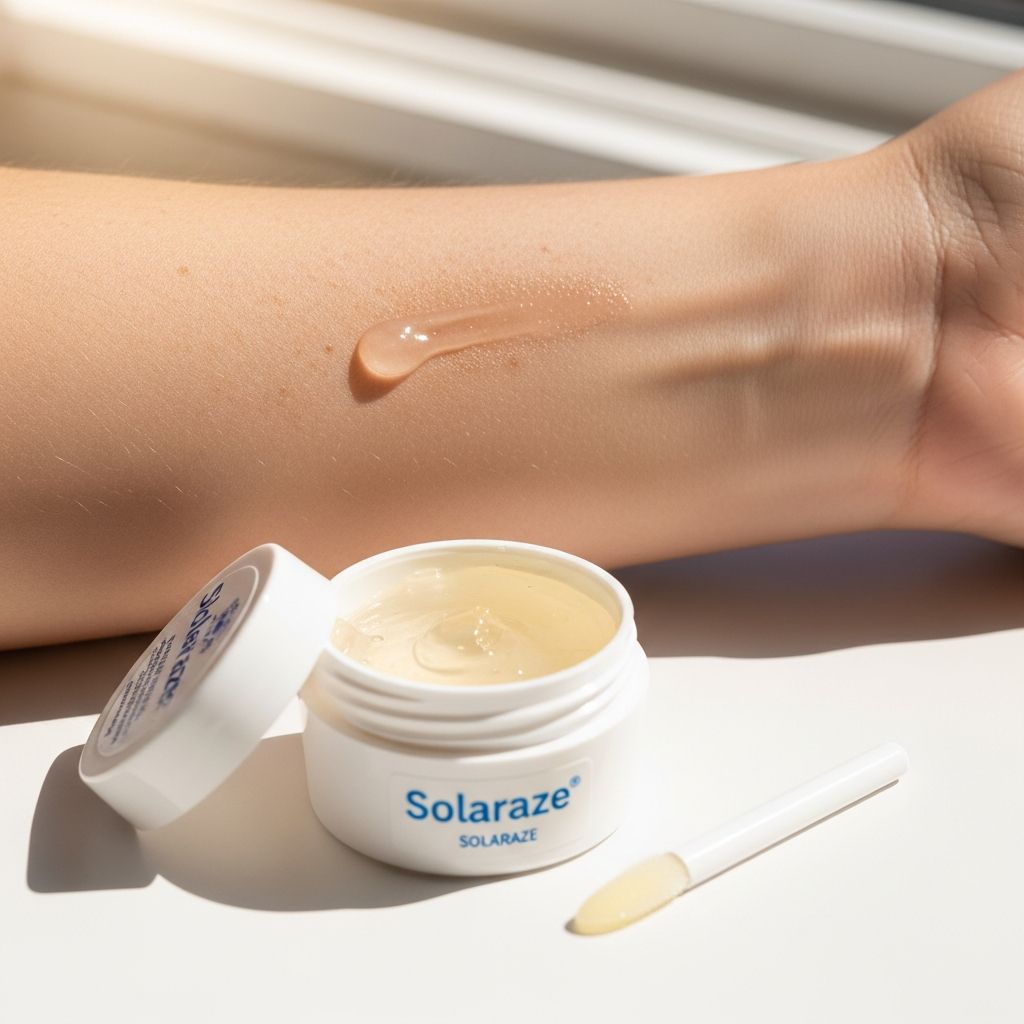
Solaraze gel is a topical medication containing diclofenac, a non-steroidal anti-inflammatory drug (NSAID) specifically designed to treat skin damage caused by prolonged sun exposure. This medication works by destroying unstable skin cells and stimulating the immune system to repair damaged skin tissue. Diclofenac gel is particularly effective for treating early and superficial changes in the skin resulting from sun damage, a condition medically known as solar keratosis or actinic keratosis (AK).
Solar keratoses, also called actinic keratoses, are small, thickened, scaly growths that develop on areas of skin exposed to significant sun exposure over extended periods. These lesions are considered precancerous and can potentially develop into skin cancer if left untreated. For patients with multiple small solar keratoses, topical treatments like diclofenac gel offer a convenient and effective alternative to other treatment methods.
| Medication Property | Details |
|---|---|
| Type of Medicine | Topical non-steroidal anti-inflammatory gel |
| Used For | Treating solar (actinic) keratosis in adults |
| Brand Name | Solaraze® |
| Available As | Skin gel (3% diclofenac sodium) |
| Active Ingredients | Diclofenac and hyaluronic acid |
Before Using Diclofenac Gel
Before starting diclofenac gel treatment, it is essential that your doctor has complete information about your medical history and current health status. Proper medical consultation ensures the medication is safe and appropriate for your specific situation.
Inform your healthcare provider if you have any of the following conditions:
- Pregnancy or breastfeeding status
- Asthma or other allergic disorders
- Existing skin conditions such as eczema or dermatitis
- Previous allergic reactions to non-steroidal painkillers (aspirin, ibuprofen, naproxen, or indomethacin)
- Allergies to any other medicines or ingredients
It is particularly important to disclose any history of allergic reactions to NSAIDs, as cross-sensitivity may occur. Your doctor will assess whether diclofenac gel is the most suitable treatment option for your condition or if alternative therapies would be more appropriate.
How to Use the Gel
Proper application of diclofenac gel is crucial for achieving optimal therapeutic results. Before beginning treatment, carefully read the manufacturer’s printed information leaflet included in the medication package, as it provides comprehensive details about the product and a complete list of potential side effects.
Application Instructions:
- Use the gel twice daily for 2-3 months (60-90 days)
- Apply a thin layer directly to the affected area
- Gently massage the gel into the skin using smooth motions
- Use approximately 0.5 grams of gel for each 5 cm x 5 cm lesion site
- Wash your hands thoroughly after application, unless you are treating your hands
- Allow the gel to dry completely before covering the area with clothing
Consistency with your application schedule is essential for achieving complete clearing of actinic keratosis lesions. Complete healing may not be evident until up to 30 days after completing the full treatment course. Some patients may experience optimal therapeutic effects within the 60-90 day treatment window, while others may require the full duration for maximum benefit.
Related Stories



Getting the Most from Your Treatment
Maximizing the effectiveness of diclofenac gel involves more than just proper application. Several complementary strategies can enhance treatment outcomes and prevent future sun damage.
Skin Care Precautions
- Avoid contact between the gel and your eyes
- Do not apply the medication to broken or irritated areas of skin
- If accidental eye contact occurs, rinse immediately with warm water
- If the gel contacts broken skin, wash it off as soon as possible with warm water
Moisturization and Support
Many patients find that using an emollient or moisturizer on skin surrounding the treated areas helps maintain skin suppleness and moisture. Moisturizers can be applied multiple times daily as needed, provided they do not interfere with diclofenac application. This supportive care can help reduce irritation and improve overall skin comfort during the treatment period.
Sun Protection and Prevention
Preventing additional sun damage is crucial during and after treatment. Implement these protective measures:
- Avoid sun exposure between 11 am and 3 pm when UV rays are strongest
- Use a broad-spectrum sunscreen with SPF 30 or higher that protects against both UVB and UVA radiation
- Apply generous amounts of sunscreen and reapply frequently, especially after swimming or sweating
- Avoid using sunbeds and tanning beds entirely
- Wear protective clothing, hats, and sunglasses when outdoors
Diclofenac gel may increase your skin’s sensitivity to sunlight, making sun protection particularly important during treatment. This photosensitivity can result in severe sunburns, blistering, and swelling if adequate precautions are not taken.
Medical Monitoring
Maintain regular appointments with your healthcare provider throughout and after treatment. These visits allow your doctor to monitor your progress, assess treatment efficacy, and identify any adverse effects early. Regular skin examinations are essential for detecting new developments or changes in existing lesions.
Check your skin regularly and report any of the following to your doctor:
- New moles or growths
- Small dark patches developing on the skin
- Changes in the appearance of existing moles
- Unusual skin texture or appearance
Patients with significant sun exposure history face increased risk of developing other skin problems, making ongoing vigilance important for long-term skin health.
Can Diclofenac Gel Cause Problems?
Like all medications, diclofenac gel can cause unwanted side effects, although not everyone experiences them. Most side effects are mild and improve as your body adjusts to the medication. Understanding potential adverse effects helps you recognize when to seek medical advice.
| Side Effect | Management |
|---|---|
| Irritation, itching, redness, or tingling at application site | Usually resolves as treatment continues; if severe, stop use and consult doctor or pharmacist |
| Rash or dry skin at application site | Apply moisturizer to surrounding area; inform healthcare provider if persistent |
| Allergic-type reactions or breathing problems (with large amounts) | Stop use immediately and contact a doctor |
| Photosensitivity (increased sun sensitivity) | Avoid sun exposure and use high SPF sunscreen; wear protective clothing |
| Severe sunburn (if photosensitivity occurs) | Stop using diclofenac and contact healthcare provider immediately |
When to Seek Medical Advice
Contact your doctor or pharmacist if any of the following occur:
- Side effects worsen or persist beyond the first few weeks of treatment
- You experience signs of allergic reaction (swelling, difficulty breathing, rash)
- You develop severe sunburn despite sun protection measures
- You notice any symptoms you believe are related to the medication
- You experience blistering, severe swelling, or unusual skin reactions
The manufacturer’s information leaflet supplies a complete list of potential side effects. Review this resource carefully and contact your healthcare provider with any concerns about your individual response to the medication.
Important Safety Considerations
Diclofenac gel presents minimal systemic absorption when applied topically as directed. However, using excessive amounts of gel can occasionally lead to allergic-type reactions or breathing problems in susceptible individuals. Always follow the recommended dosing instructions of 0.5 grams per 5 cm x 5 cm lesion site and apply twice daily as prescribed.
The medication should only be applied to intact skin. Do not use on open wounds, severely irritated areas, or broken skin. If accidental application to these areas occurs, rinse thoroughly with warm water immediately.
While topical diclofenac alone has not been shown to induce photosensitivity or phototoxicity, sun exposure should still be avoided as a precautionary measure. Many patients report experiencing enhanced sun sensitivity during treatment, making sun avoidance an important safety practice.
Expected Treatment Duration and Outcomes
Most patients require 60-90 days (approximately 2-3 months) of consistent twice-daily application to achieve complete clearing of actinic keratosis lesions. Complete healing may not be apparent until 30 days after finishing the full treatment course. This timeline varies among individuals depending on lesion severity, skin type, and individual response to the medication.
The treatment has demonstrated effectiveness for early and superficial sun damage changes. However, results depend on consistent application, proper sun protection, and adherence to the complete treatment course. Missing applications or inconsistent use may reduce efficacy and extend the time needed to achieve desired results.
Frequently Asked Questions
Q: How long does diclofenac gel treatment typically take to work?
A: Treatment usually requires 2-3 months (60-90 days) of twice-daily application. Complete clearing of lesions may not be visible until 30 days after completing the full course. Individual timelines vary based on lesion severity and skin response.
Q: Can I use diclofenac gel if I’m pregnant or breastfeeding?
A: You must inform your doctor if you are pregnant or breastfeeding before starting this medication. Your healthcare provider will assess the risks and benefits specific to your situation and recommend the most appropriate treatment approach.
Q: Is diclofenac gel available as a brand name product?
A: The brand name Solaraze has been discontinued, and diclofenac sodium 3% gel is now available only as a generic medication. It remains equally effective as the original branded product.
Q: What should I do if I accidentally get the gel in my eyes?
A: Rinse your eyes immediately and thoroughly with warm water. If irritation persists, contact your healthcare provider or eye care specialist for further guidance.
Q: Can I use other topical medications while using diclofenac gel?
A: Always consult your doctor or pharmacist before combining diclofenac gel with other topical medications. Some products may interact or reduce effectiveness. Generally, you can apply moisturizers to surrounding areas as long as they don’t interfere with the diclofenac application.
Q: Why do I need to avoid the sun while using diclofenac gel?
A: Diclofenac gel may increase your skin’s sensitivity to ultraviolet light, potentially causing severe sunburns, blistering, and swelling. Sun avoidance protects your skin and allows the medication to work effectively. Additionally, actinic keratosis results from excessive UV exposure, so limiting sun exposure prevents the condition from worsening.
Q: What happens if I miss a dose?
A: If you miss a dose, apply the gel as soon as you remember, then resume your regular schedule. Do not apply double amounts to make up for a missed dose. Consistent twice-daily application is important for optimal results, so try to maintain a regular routine.
Q: Will my actinic keratosis return after treatment?
A: Diclofenac gel treats existing lesions, but it does not prevent new actinic keratosis from developing if sun exposure continues. Long-term sun protection through avoidance, sunscreen use, and protective clothing significantly reduces the risk of recurrence and development of new lesions.
References
- Diclofenac gel for sun damage – Solaraze — Patient.info. 2023-08-14. https://patient.info/medicine/diclofenac-gel-for-sun-damage-solaraze-2
- Solaraze (Diclofenac Sodium) 3% Gel: Uses, Dosage, Side Effects & More — GoodRx. https://www.goodrx.com/solaraze/what-is
- Diclofenac gel in the treatment of actinic keratoses — PMC, National Institutes of Health. https://pmc.ncbi.nlm.nih.gov/articles/PMC3132090/
- Solaraze (Diclofenac Sodium) Gel Label — FDA. 2000. https://www.accessdata.fda.gov/drugsatfda_docs/label/2000/21005lbl.pdf
- Diclofenac topical (Solaraze) – Uses, Side Effects, and More — WebMD. https://www.webmd.com/drugs/2/drug-22224/solaraze-topical/details
- Diclofenac (topical application route) – Side effects & dosage — Mayo Clinic. https://www.mayoclinic.org/drugs-supplements/diclofenac-topical-application-route/description/drg-20063434
Similar Articles








Read full bio of Sneha Tete