Diet and Diabetes: Managing Type 2 Diabetes
Discover practical dietary strategies to control blood sugar, support weight loss, and achieve remission in type 2 diabetes management.
Managing
type 2 diabetes (T2D)
effectively often starts with dietary changes. A low-carbohydrate diet, typically between50-130g of carbs per day
, helps control blood sugar spikes and supports weight loss, potentially leading to remission where blood sugar returns to normal ranges without medication.Evidence from Diabetes UK and clinical guidelines emphasizes focusing on high-fibre, low-glycaemic index (GI) foods, reducing refined carbs, and balancing meals with proteins and healthy fats. This approach not only stabilises glucose levels but also reduces risks of complications like heart disease.
Why Diet Matters for Type 2 Diabetes
Type 2 diabetes occurs when the body becomes resistant to insulin or doesn’t produce enough, leading to high blood sugar. Carbohydrates break down into glucose, prompting insulin release. Refined carbs cause rapid spikes, worsening control and symptoms like fatigue.
Switching to
wholegrain carbohydrates
like brown rice, whole oats, and seeded bread, paired with protein, slows absorption and prevents sharp rises. Theglycaemic index (GI)
ranks foods by how quickly they raise blood sugar: low-GI foods (e.g., pasta, sweet potatoes) release glucose slowly, aiding steady energy and better management.Studies show low-carb diets improve glycaemic control short-term, especially for overweight individuals, though long-term data is evolving. Combining diet with 150 minutes of weekly activity enhances outcomes.
Fruits and Vegetables: The Foundation of Your Plate
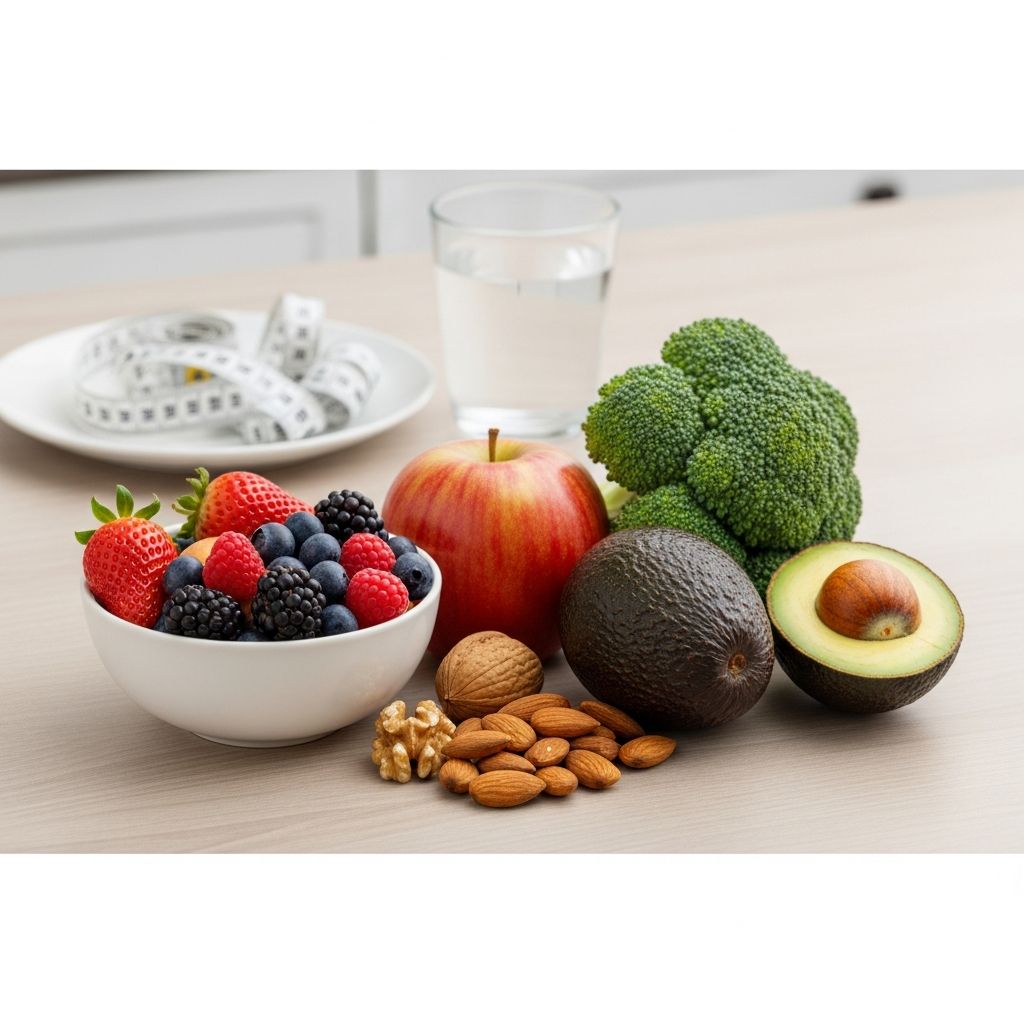
**Fruits and vegetables** are packed with vitamins, fibre, and antioxidants, low in fat, and ideal for weight loss. Aim for at least
five portions daily
, including a rainbow of colours for diverse nutrients.- Fresh, frozen, or tinned in natural juice work well.
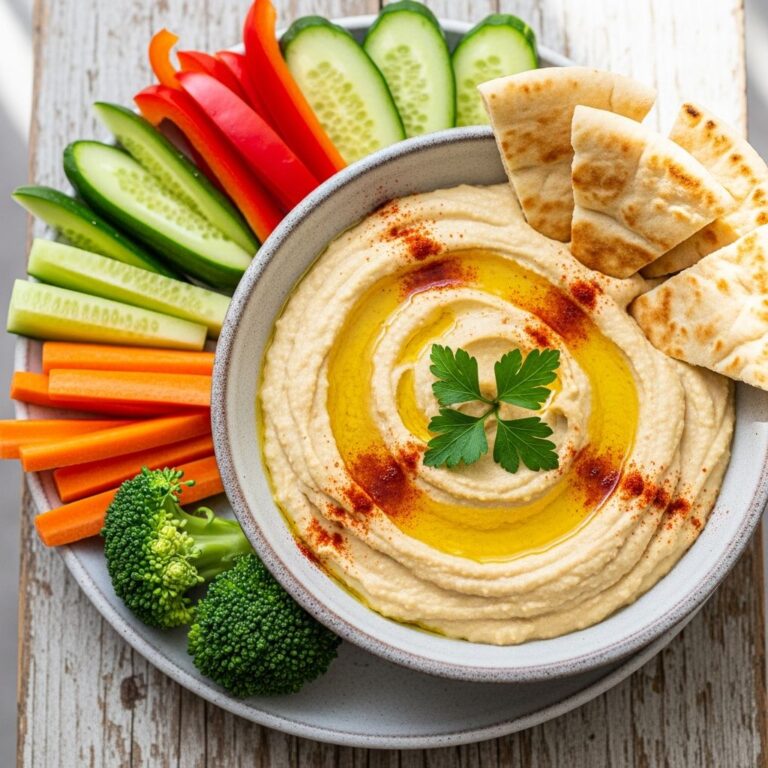
- Vegetables: broccoli, spinach, peppers – unlimited as they’re low-carb.
- Fruits: berries, apples – higher in natural sugars, so pair with fats like nuts or Greek yoghurt to blunt sugar surges.
Potatoes count as starchy carbs, not towards your five-a-day. Prioritise non-starchy veg over fruit to minimise sugar intake. The DASH eating plan, rich in fruits and veg, improves insulin sensitivity and is suitable for diabetes.
Starchy Foods: Choose Wisely
Not all carbs are equal. Refined ones (white bread, sugary cereals) digest quickly, spiking blood sugar. Opt for
low-GI, high-fibre options
.| High-GI (Avoid/Limit) | Low-GI Alternatives |
|---|---|
| White bread, white rice, instant oats | Wholegrain bread, basmati rice, porridge oats |
| Chips, mashed potatoes | Sweet potatoes, new potatoes, wholegrain pasta |
| Sugary cereals | All-Bran, natural muesli |
Diabetes UK recommends including starchy carbs at each meal but choosing slower-absorbed types like grainy breads and pulses. Monitor portions to stay within 50-130g daily carbs.
Proteins: Meats, Fish, Eggs, Beans, Pulses, Nuts
Proteins build and repair tissues, provide iron, and stabilise blood sugar when paired with carbs. A palm-sized portion per meal is ideal.
- Lean meats: Chicken, turkey – grill or bake.
- Fish: Two oily portions weekly (salmon, mackerel) for heart-healthy omega-3s.
- Plant-based: Beans, lentils, chickpeas, tofu – boost fibre, reduce saturated fat.
- Eggs and nuts: Versatile, nutrient-dense; limit processed meats.
Vegetarian swaps like lentil soup or tofu stir-fry support diabetes control.
Dairy and Alternatives
Choose
low-fat options
like semi-skimmed milk, Greek yoghurt, or lower-fat cheeses for calcium without excess saturated fat.- Greek yoghurt with berries: slows fruit sugar absorption.
- Alternatives: Unsweetened almond or soy milk.
- Aim for 2-3 servings daily, watching portions.
Related Stories



DASH includes low-fat dairy for blood pressure and insulin benefits.
Fats and Oils: Focus on Healthy Choices
Reduce
saturated fats
(butter, fatty meats); prioritiseunsaturated fats
like olive oil, rapeseed oil, avocados, and nuts.- Use oils sparingly for cooking.
- Snack on nuts (handful) for satiety.
- Avoid trans fats in processed foods.
Low-fat intake aids weight loss and insulin sensitivity.
Portion Control and Meal Planning
Mindful portions prevent overeating. Use the plate method: half non-starchy veg, quarter protein, quarter carbs.
- Eat three meals daily, avoiding skips.
- Smaller, frequent meals if needed.
- Drink water over sugary drinks.
Sample day:
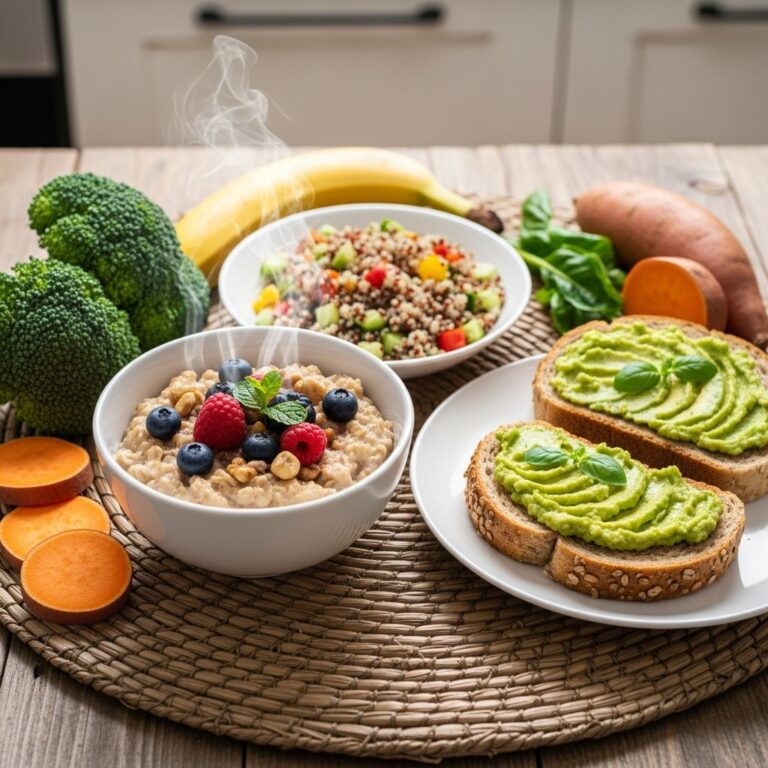
- Breakfast: Porridge with nuts and berries.
- Lunch: Grilled chicken salad with olive oil dressing.
- Dinner: Baked salmon, quinoa, broccoli.
- Snack: Greek yoghurt with cucumber.
Low-Carb Diets: Pros, Cons, and Remission
**Low-carb (50-130g/day)** excels short-term for weight and glucose control in T2D, per Diabetes UK. Very low-carb lacks long-term safety data.
Remission: Normal blood sugar without meds, achievable via sustained low-carb and weight loss. Monitor lipids and kidneys.
Practical Tips for Success
- Read labels: Choose <5g sugar/100g.
- Eat slowly, chew well.
- Plan meals weekly.
- Combine with 30min daily activity.
- Track blood sugar to personalise.
Frequently Asked Questions (FAQs)
Q: Can I eat fruit with type 2 diabetes?
A: Yes, but choose lower-sugar options like berries and pair with protein or fat to manage blood sugar spikes.
Q: What’s a good low-carb daily carb target?
A: 50-130g, focusing on high-fibre sources, as recommended by Diabetes UK for T2D management.
Q: How does GI help in diabetes?
A: Low-GI foods release sugar slowly, preventing spikes and improving control.
Q: Is weight loss necessary for remission?
A: Often yes; low-carb diets promote it, leading to normal blood sugars without meds.
Q: Can the DASH diet work for diabetes?
A: Yes, it improves insulin resistance and is family-friendly.
References
- Diabetes diet: managing type 2 diabetes — Patient.info. 2023. https://patient.info/features/diabetes/diet-and-diabetes-how-to-manage-type-2-diabetes-through-your-diet
- DASH Eating Plan: An Eating Pattern for Diabetes Management — National Institutes of Health (PMC). 2017-05-23. https://pmc.ncbi.nlm.nih.gov/articles/PMC5439361/
- Diabetes diet and exercise — Patient.info. 2023. https://patient.info/doctor/endocrine-disorders/diabetes-diet-and-exercise
- Type 2 Diabetes Diet: What to Eat and Avoid — Patient.info. 2023. https://patient.info/diabetes/type-2-diabetes/type-2-diabetes-diet
- Nutrition Recommendations and Interventions for Diabetes — American Diabetes Association (Diabetes Care). 2008-01-01. https://diabetesjournals.org/care/article/31/Supplement_1/S61/24525/Nutrition-Recommendations-and-Interventions-for
Similar Articles








Read full bio of Sneha Tete