Diet And Lifestyle During Pregnancy: 6 Essential Nutrients
Essential guide to nutrition, exercise, and healthy habits for a thriving pregnancy and baby development.

Pregnancy is a transformative period requiring careful attention to diet and lifestyle to support both maternal health and fetal development. A balanced approach ensures the baby receives essential nutrients while minimizing risks like gestational diabetes or preterm birth.
Why Diet and Lifestyle Matter in Pregnancy
Healthy eating and lifestyle choices promote fetal growth, reduce complications, and enhance long-term health for mother and child. Unlike the myth of ‘eating for two,’ focus on nutrient-dense foods rather than increased volume. Energy needs rise only slightly (up to 10%) in late pregnancy, prioritizing vitamins, minerals, and quality over quantity.
Guidelines from authoritative bodies emphasize variety from food groups: fruits, vegetables, whole grains, lean proteins, and dairy. This supports placenta development, prevents neural tube defects, and manages weight gain.
A Healthy Diet in Pregnancy
No special diet is needed, but variety ensures balanced nutrients. Use tools like the Eatwell Guide or MyPlate Plan, personalized by height, pre-pregnancy weight, and activity level. Aim for smaller, frequent meals to ease digestion amid uterine growth.
Fruit and Vegetables
Consume at least 5 portions daily (fresh, frozen, canned, dried, or juiced) for vitamins, minerals, and fiber to prevent constipation. Make half your plate fruits and veggies; include dark leafy greens in salads.
Starchy Foods
Choose wholegrain options like bread, rice, pasta, and potatoes for sustained energy, B vitamins, and fiber. They form the diet’s base.
Proteins
- Include daily: beans, pulses, fish, eggs, lean meat (avoid liver), poultry, nuts.
- Opt for low-fat, remove poultry skin, minimize added fats.
Variety provides iron, zinc, and omega-3s; oily fish like salmon offers DHA for brain development.
Dairy and Alternatives
Pasteurized milk, yogurt, cheese supply calcium for bones and teeth. Semi-skimmed is ideal if suitable.
Key Nutrients in Pregnancy
Certain nutrients demand focus due to heightened needs.
| Nutrient | Why Important | Sources |
|---|---|---|
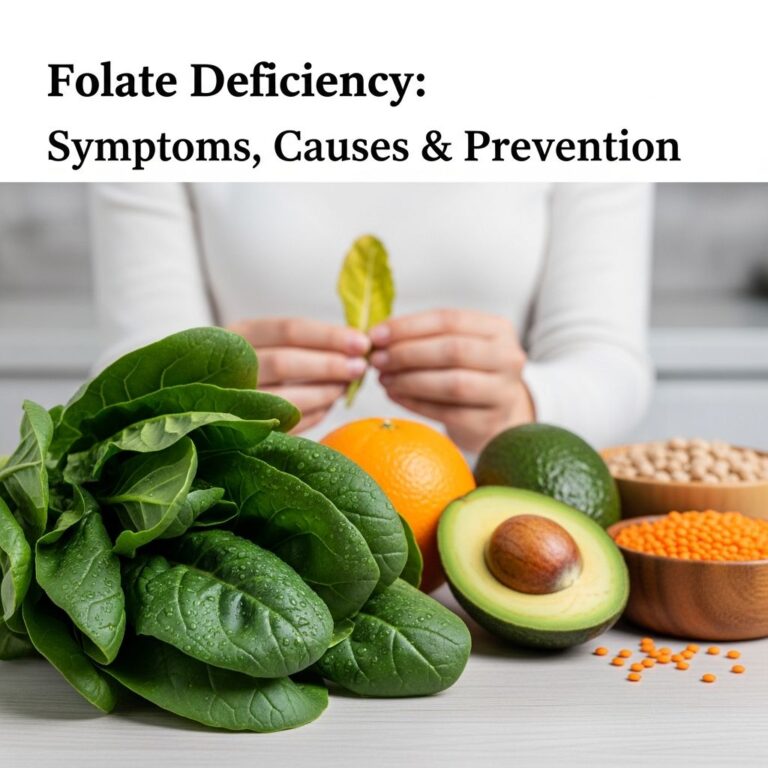
| **Folic Acid** | Prevents neural tube defects; 400mcg daily via prenatal vitamin. | Fortified cereals, leafy greens, orange juice, beans. |
| **Iron** | Supports blood production for mother and baby. | Lean meat, beans, spinach, fortified cereals. |
| **Calcium** | Bone and teeth development. | Dairy, leafy greens, fortified plant milks. |
| **Vitamin D** | Calcium absorption; 10mcg daily. | Sunlight, oily fish, fortified foods. |
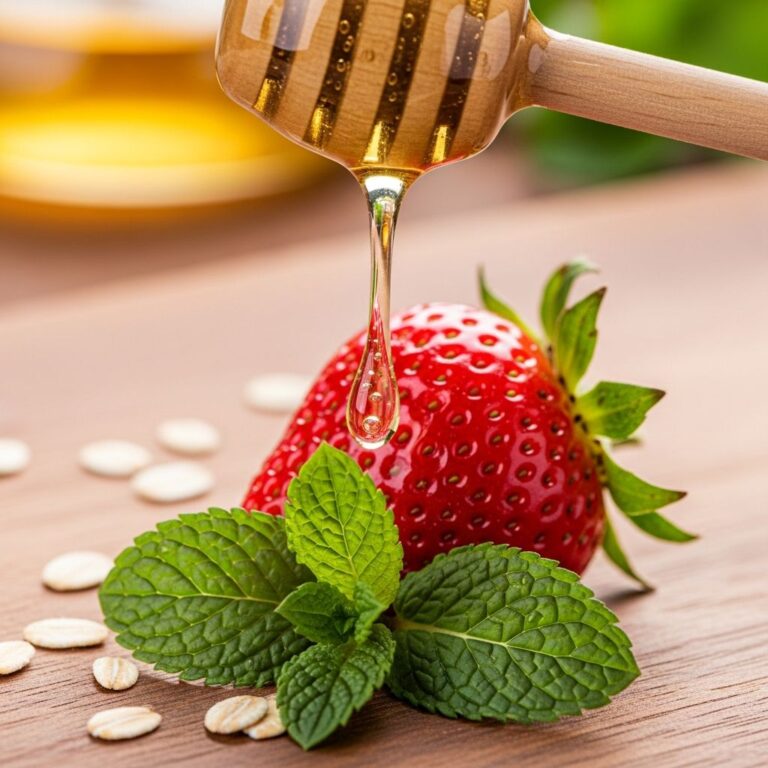
| **Vitamin C** | Iron absorption, immunity. | Citrus, strawberries, broccoli. |
| **Omega-3 (DHA)** | Fetal brain/eye development. | Oily fish, supplements if needed. |
Take daily prenatal vitamins as directed; consult your ob-gyn for extras.
Vegetarian and Vegan Diets in Pregnancy
Ovo-lacto vegetarianism (with dairy/eggs) typically meets needs with counseling. Vegans require checks for B12, iodine, iron, DHA; supplements are essential to avoid deficiencies harming development.
Foods to Avoid in Pregnancy
Certain items pose risks of infection or toxins:
- Listeria: Unpasteurized dairy, soft cheeses (brie), pâté, undercooked meat/prepared salads.
- Salmonella/Toxoplasma: Raw/undercooked eggs/meat, unwashed produce.
- Mercury: Shark, swordfish, marlin (limit tuna).
- Alcohol: None safe; causes fetal alcohol syndrome.
- High caffeine: <200mg/day (1-2 coffees).
- Raw fish: Sushi with raw seafood.
Wash produce, cook thoroughly, choose pasteurized.
Weight Gain and Hydration
Related Stories



Follow MyPlate Plan for appropriate gain based on BMI. Hydrate with 8-12 cups water daily.
Physical Activity During Pregnancy
Moderate exercise (150 min/week) is safe and beneficial for most, improving mood, sleep, and reducing risks like preeclampsia. Suitable: walking, swimming, yoga, pelvic floor exercises. Avoid contact sports, high altitudes. Consult provider if complications.
Other Lifestyle Factors
- No smoking: Harms fetal growth, increases miscarriage/stillbirth risk.
- Limit caffeine: <200mg.
- Dental care: Regular check-ups; pregnancy hormones affect gums.
- Rest: Prioritize sleep, manage stress.
Balanced habits yield short- and long-term benefits.
Frequently Asked Questions (FAQs)
Q: How much should I eat during pregnancy?
A: Focus on quality; slight calorie increase late pregnancy. Use MyPlate for personalization.
Q: Are prenatal vitamins enough?
A: They supplement a balanced diet; take daily with 400mcg folic acid.
Q: Can I exercise while pregnant?
A: Yes, moderate activity is recommended unless advised otherwise.
Q: Is a vegan diet safe?
A: Possible with supplements (B12, etc.) and monitoring.
Q: What snacks are pregnancy-friendly?
A: Fruit yogurt, veggie sticks, nuts, cheese sandwiches.
Q: How much water daily?
A: 8-12 cups to stay hydrated.
This guide aligns with expert consensus for safe, healthy pregnancy. Consult healthcare providers for personalized advice.
References
- Healthy Eating During Pregnancy — American College of Obstetricians and Gynecologists (ACOG). 2023. https://www.acog.org/womens-health/faqs/healthy-eating-during-pregnancy
- Diet and Lifestyle Before and During Pregnancy — National Institutes of Health (NIH) via PMC. 2019-01-15. https://pmc.ncbi.nlm.nih.gov/articles/PMC6294644/
- Have a Healthy Diet in Pregnancy — National Health Service (NHS). 2023. https://www.nhs.uk/pregnancy/keeping-well/have-a-healthy-diet/
- Pregnancy Diet: Focus on these Essential Nutrients — Mayo Clinic. 2024. https://www.mayoclinic.org/healthy-lifestyle/pregnancy-week-by-week/in-depth/pregnancy-nutrition/art-20045082
- Nutrition Information for Pregnancy and Breastfeeding — MyPlate.gov (USDA). 2024. https://www.myplate.gov/life-stages/pregnancy-and-breastfeeding
Similar Articles








Read full bio of Sneha Tete