10 Diet and Exercise Tips for Prostate Health
Comprehensive guide to maintaining prostate health through nutrition and fitness.
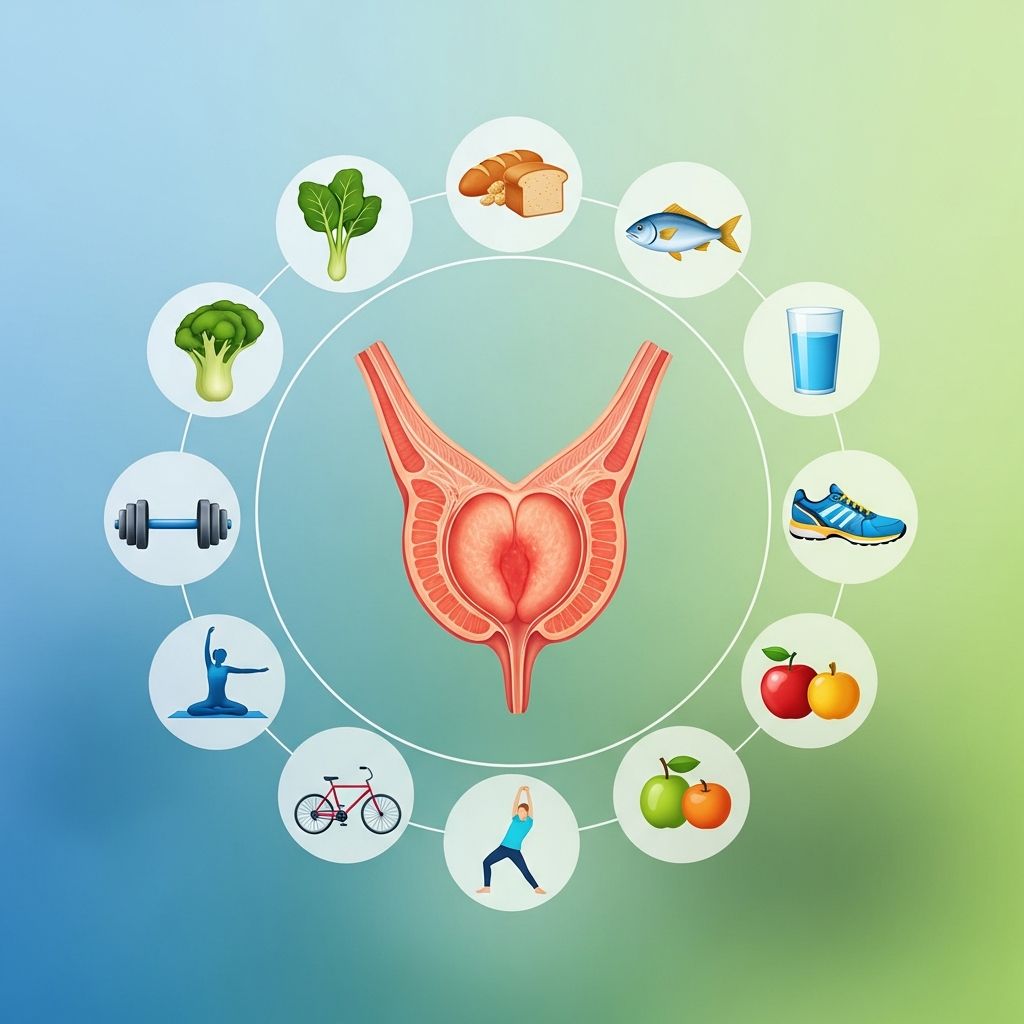
The prostate is a small gland that plays a crucial role in male reproductive health, yet many men give little thought to maintaining its wellbeing until problems arise. Fortunately, research shows that lifestyle choices—particularly diet and exercise—can significantly impact prostate health and reduce the risk of developing prostate cancer and other prostate-related conditions. This comprehensive guide, informed by leading medical research and expert recommendations, outlines ten practical strategies that men can implement to support their prostate health throughout their lives.
Understanding Prostate Health
Before diving into specific recommendations, it’s important to understand why prostate health matters. The prostate produces seminal fluid that nourishes and transports sperm. As men age, the prostate can develop various conditions, ranging from benign prostatic hyperplasia (BPH) to prostate cancer. Research from major medical institutions demonstrates that maintaining a healthy weight, staying physically active, and following a nutritious diet can help prevent or delay these conditions. Studies have shown that men who adopt healthy lifestyle habits have better outcomes and lower risk of developing advanced prostate disease.
Exercise and Physical Activity
1. Engage in Regular Vigorous Exercise
One of the most powerful preventive measures for prostate health is regular vigorous exercise. Research indicates that men who engage in long-term vigorous physical activity—such as running, biking, or swimming—are significantly less likely to develop advanced and lethal prostate cancer. Vigorous exercise is defined as activities that elevate your heart rate to 70-85% of your maximum heart rate capacity and leave you breathless. Aim for at least 150 minutes of vigorous-intensity aerobic activity per week, or approximately 30 minutes on five days of the week. This level of activity helps maintain healthy weight, improves circulation, and may reduce inflammation throughout the body, all of which benefit prostate function.
2. Incorporate Strength Training
Beyond aerobic exercise, resistance training and strength-building activities play an important role in prostate health. Strength training helps maintain muscle mass, which naturally declines with age, and supports metabolic health. Men should aim to include strength training exercises at least two days per week, targeting major muscle groups. This can include weight lifting, bodyweight exercises, or resistance band workouts. Strong muscles support overall metabolic function and help maintain a healthy body composition, which is directly linked to prostate health.
3. Maintain Daily Physical Activity
Beyond structured exercise sessions, daily movement and physical activity are crucial. Men should aim to avoid prolonged sedentary behavior by incorporating more movement into their daily routines. This includes taking the stairs instead of elevators, parking farther away to increase walking distance, doing household chores, gardening, or taking walking breaks throughout the day. Even moderate-intensity activities, when accumulated throughout the day, contribute meaningfully to prostate health and overall wellbeing.
Dietary Recommendations
4. Increase Consumption of Plant-Based Foods
A diet rich in plant-based foods is one of the cornerstones of prostate health. Vegetables, fruits, whole grains, legumes, and nuts contain numerous compounds that support prostate function and reduce inflammation. Plant-based diets are typically rich in fiber, antioxidants, and phytochemicals that have protective effects. Men who follow predominantly plant-based diets or significantly increase their intake of plant foods tend to have lower prostate cancer risk. Focus on incorporating a rainbow of colorful vegetables, fresh fruits, and whole grain products into your meals daily.
5. Emphasize Tomatoes and Tomato-Based Products
Tomatoes contain lycopene, a powerful antioxidant that has been extensively studied for its prostate-protective properties. Research suggests that lycopene, which gives tomatoes their red color, may help reduce prostate cancer risk and slow the progression of existing prostate conditions. The lycopene in tomatoes becomes more bioavailable when cooked, so tomato sauce, tomato paste, and cooked tomato products may offer greater benefits than raw tomatoes. Aim to include tomato-based products in your diet several times per week, whether through pasta sauces, soups, or stews.
Related Stories



6. Include Fatty Fish Rich in Omega-3 Fatty Acids
Fatty fish such as salmon, mackerel, sardines, and trout are excellent sources of omega-3 fatty acids, which have anti-inflammatory properties beneficial for prostate health. These essential fatty acids help reduce systemic inflammation and support cardiovascular health, which is connected to prostate function. Aim to include fatty fish in your diet at least two to three times per week. If you don’t enjoy fish, consider plant-based sources of omega-3s such as flaxseeds, chia seeds, and walnuts, or discuss omega-3 supplementation with your healthcare provider.
7. Choose Whole Grains Over Refined Grains
Whole grains provide sustained energy, fiber, and important nutrients that support prostate health and overall metabolic function. Refined grains, on the other hand, have been stripped of their fiber and many nutrients, and may contribute to inflammation and weight gain. Make it a priority to replace refined grain products with whole grain alternatives such as brown rice, whole wheat bread, oatmeal, quinoa, and barley. Whole grains also help maintain stable blood sugar levels and support digestive health, which indirectly benefits prostate function.
8. Limit Red and Processed Meat Consumption
Research has consistently shown that men who consume large quantities of red and processed meat have higher rates of prostate cancer, particularly aggressive forms of the disease. Red meat, especially when cooked at high temperatures, can produce carcinogenic compounds. Processed meats contain added sodium and preservatives that may increase inflammation. Limit red meat consumption to no more than a few times per month, and when you do eat meat, choose lean cuts and use cooking methods that don’t involve high-temperature charring. Consider replacing some meat-based meals with plant-based protein sources.
Nutritional Considerations
9. Maintain Adequate Hydration and Limit Certain Beverages
Proper hydration is essential for prostate health and overall urinary tract function. However, some beverages may irritate the prostate or contribute to urinary symptoms. Limit caffeine and alcohol consumption, as these can increase urinary frequency and may irritate the prostate gland. Instead, focus on drinking adequate water throughout the day—typically six to eight glasses daily, though individual needs vary. Green tea, which contains beneficial polyphenols, can be a healthy beverage choice that supports prostate function.
10. Maintain a Healthy Weight
Obesity is a significant risk factor for prostate cancer and other prostate conditions. Maintaining a healthy weight through balanced diet and regular exercise is one of the most important steps men can take for prostate health. Extra body fat increases inflammation and alters hormone levels in ways that may promote prostate cancer development. By following the dietary and exercise recommendations outlined above, most men can achieve and maintain a healthy weight that supports optimal prostate function and reduces disease risk.
Key Dietary Components Summary
| Food Category | Best Choices | Benefits for Prostate | Frequency |
|---|---|---|---|
| Vegetables | Broccoli, cauliflower, spinach, kale, carrots | Rich in antioxidants and anti-inflammatory compounds | Daily, multiple servings |
| Fruits | Berries, oranges, watermelon, grapes | High in vitamin C and lycopene | Daily, 2-3 servings |
| Whole Grains | Brown rice, oatmeal, whole wheat bread | Provides fiber and sustained energy | Most meals |
| Proteins | Fish, legumes, nuts, lean poultry | Essential amino acids with anti-inflammatory benefits | Daily in balanced amounts |
| Healthy Fats | Olive oil, avocados, nuts, fatty fish | Reduces inflammation and supports hormone balance | Daily in moderation |
Implementing These Changes
Making dietary and lifestyle changes doesn’t have to be an all-or-nothing approach. Start by implementing one or two recommendations at a time, and gradually incorporate more as they become habits. Begin with something manageable, such as adding one extra serving of vegetables to dinner or taking a 20-minute walk three times per week. As these become routine, add another change. Over time, these cumulative improvements will significantly enhance prostate health.
Consider consulting with a healthcare provider or registered dietitian who can provide personalized recommendations based on your individual health status, family history, and current lifestyle. They can help you develop a sustainable plan that fits your preferences and circumstances.
Frequently Asked Questions
Q: Can diet and exercise alone prevent prostate cancer?
A: While a healthy diet and regular exercise significantly reduce prostate cancer risk, they cannot guarantee prevention. However, these lifestyle factors are among the most effective preventive measures available and should be part of a comprehensive health strategy that includes regular screening and medical check-ups.
Q: How long does it take to see benefits from these lifestyle changes?
A: Some benefits, such as improved energy levels and better sleep, may appear within weeks. However, the full protective benefits for prostate health typically develop over months to years of consistent healthy habits. The most important thing is maintaining these changes long-term.
Q: Are supplements necessary for prostate health?
A: Most men can obtain necessary nutrients through a well-balanced diet. While some supplements like saw palmetto are marketed for prostate health, evidence for their effectiveness is mixed. Discuss any supplement use with your healthcare provider before starting.
Q: What if I have an existing prostate condition?
A: These recommendations are generally beneficial for men with existing prostate conditions, but individual circumstances vary. Work with your healthcare provider to develop a personalized plan that addresses your specific condition and needs.
Q: How often should men get prostate health screenings?
A: Screening recommendations vary based on age and risk factors. Men should discuss prostate cancer screening with their healthcare provider, typically starting around age 50, or earlier if there is family history of prostate cancer or other risk factors.
Conclusion
Prostate health is an important aspect of overall wellness for men. By implementing these ten diet and exercise recommendations—maintaining vigorous physical activity, incorporating strength training, eating plant-based foods, consuming tomato-based products and fatty fish, choosing whole grains, limiting red meat, staying hydrated, and maintaining a healthy weight—men can significantly reduce their prostate disease risk and support optimal prostate function throughout their lives. These recommendations are grounded in scientific research and represent practical, achievable steps that any man can take to invest in his long-term health and wellbeing.
References
- Vigorous exercise could help prevent prostate cancer, Harvard study finds — ZERO Prostate Cancer Foundation. 2024. https://zerocancer.org/stay-informed/prostate-cancer-news/vigorous-exercise-could-help-prevent-prostate-cancer-harvard
- Harvard Epidemiologist Recommends Foods for Prostate Cancer — Vancouver Prostate Center. 2024. https://www.vancouverprostate.com/harvard-epidemiologist-recommends-foods-for-pc/
- Prostate Cancer Prevention and Screening — National Cancer Institute (NCI), U.S. National Institutes of Health. 2024. https://www.cancer.gov/types/prostate
- Guidelines on Prostate Cancer — American Cancer Society. 2024. https://www.cancer.org/cancer/types/prostate-cancer.html
- Lycopene and Prostate Health: A Systematic Review — PubMed Central, U.S. National Library of Medicine. 2023. https://www.ncbi.nlm.nih.gov/pmc/articles/
- Physical Activity and Cancer Prevention — World Health Organization (WHO). 2024. https://www.who.int/
Similar Articles








Read full bio of Sneha Tete