Diet Rich in Resveratrol Offers Health Boost
Discover how resveratrol-rich foods can enhance longevity and support cellular health naturally.
The Power of Resveratrol: A Natural Compound for Longevity and Health
In recent years, scientists have become increasingly fascinated by a compound found naturally in various plants and foods that may hold the key to extending both lifespan and healthspan. This compound, known as resveratrol, has captured the attention of researchers worldwide, particularly at Harvard Medical School, where groundbreaking studies have revealed its remarkable potential to support cellular health and promote longevity. Understanding resveratrol and incorporating foods rich in this powerful antioxidant into your diet may offer significant health benefits that extend far beyond simple nutrition.
What Is Resveratrol?
Resveratrol is a naturally occurring polyphenolic compound produced by plants in response to stress, injury, or fungal infection. This phytonutrient acts as a protective mechanism for plants and, when consumed by humans, may offer similar protective benefits to our cells and tissues. The compound belongs to a group of plant chemicals known as stilbenes and has gained considerable scientific attention due to its potent antioxidant and anti-inflammatory properties.
The most famous dietary source of resveratrol is red wine, where the compound is found in the skin of red grapes. However, resveratrol is present in many other foods and plants throughout nature, offering numerous ways to incorporate this beneficial compound into your daily diet without relying solely on alcohol consumption. The concentration of resveratrol in foods varies depending on growing conditions, processing methods, and the specific plant variety.
The Science Behind Resveratrol and Longevity
The excitement surrounding resveratrol stems largely from pioneering research conducted at Harvard Medical School by Dr. David Sinclair and his colleagues, who have spent over a decade investigating how this compound influences cellular aging and longevity. Their groundbreaking studies have demonstrated that resveratrol works by activating a class of genes called sirtuins, which are integral to mitochondrial function—the energy-producing centers within our cells.
How Resveratrol Activates Cellular Energy Production
The mechanism by which resveratrol promotes health is particularly fascinating. According to Harvard research, resveratrol improves energy production and overall health in cells by activating sirtuins, particularly a gene called SIRT1. Mitochondria, often referred to as the powerhouses of the cell, are essential not just for longevity but for overall health and vitality. When resveratrol activates SIRT1 and other sirtuin genes, it enhances mitochondrial function, allowing cells to produce energy more efficiently and maintain optimal performance.
Studies have shown that when mice with normal SIRT1 function were given resveratrol, they exhibited dramatic increases in cellular energy production. This enhancement in mitochondrial efficiency may explain many of the health benefits attributed to resveratrol consumption, from improved physical endurance to better metabolic function.
Extending Healthspan and Lifespan
Resveratrol has been found to increase lifespan in a variety of laboratory animals, including simple worms, fruit flies, and short-lived fish. More impressively, resveratrol can improve health and survival in mice fed high-calorie diets, suggesting that this compound may protect against some of the negative health consequences of poor dietary choices. These findings have profound implications for human health, suggesting that resveratrol might help us maintain vitality and wellness even in less-than-ideal nutritional circumstances.
Related Stories



Dietary Sources of Resveratrol
One of the most practical aspects of resveratrol research is that this beneficial compound is available through numerous everyday foods. Rather than relying on supplements or expensive interventions, you can increase your resveratrol intake by making thoughtful dietary choices. Here are the primary food sources of this powerful antioxidant:
Red Wine and Grapes
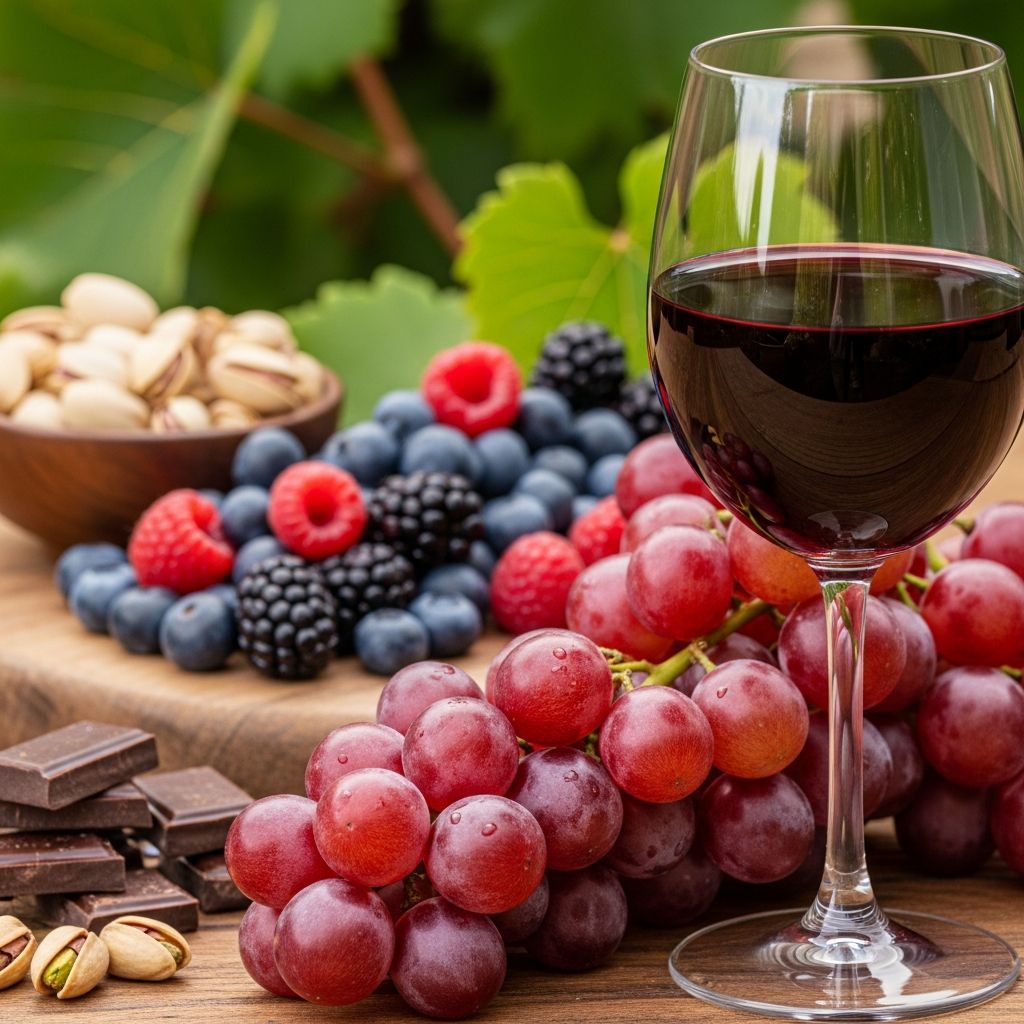
Red wine remains the most well-known source of resveratrol, containing the compound in concentrations ranging from 0.2 to 2 mg per liter, depending on the type of wine and grape variety. Red grapes themselves, whether fresh or dried as raisins, provide resveratrol without the alcohol content. The skin of red grapes contains particularly high concentrations of resveratrol, which is why red wine—where the juice ferments with the skins—contains more of this compound than white wine.
Berries and Other Fruits
Various berries contain resveratrol, with blueberries, cranberries, and bilberries being particularly rich sources. These fruits offer resveratrol alongside numerous other beneficial antioxidants and phytonutrients. Other fruits like pomegranates also contribute resveratrol to a healthy diet, making berries and fruits excellent choices for naturally boosting your resveratrol intake.
Nuts and Seeds
Peanuts, particularly peanut butter, contain measurable amounts of resveratrol. Pistachios and other tree nuts also provide this compound. These foods offer the added benefit of healthy fats, proteins, and other essential nutrients, making them excellent multipurpose additions to your diet.
Other Plant-Based Sources
Cocoa and dark chocolate contain resveratrol, as do various herbs and plant materials. Polygonum cuspidatum, an Asian plant also known as Japanese knotweed, contains exceptionally high concentrations of resveratrol and is sometimes used to create supplements. Mulberries and other lesser-known fruits also provide this beneficial compound.
Health Benefits Associated with Resveratrol Consumption
Cardiovascular Health
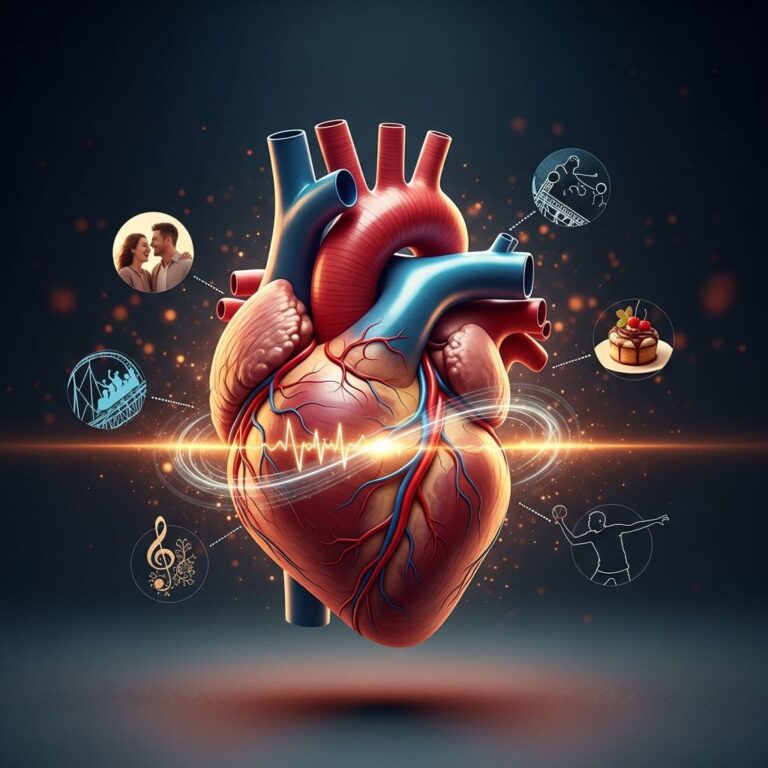
One of the most thoroughly studied benefits of resveratrol is its potential to support heart health. The compound has been shown to promote blood vessel function, reduce inflammation in the cardiovascular system, and support healthy cholesterol profiles. These effects may help reduce the risk of heart disease and stroke, two leading causes of mortality worldwide.
Blood Sugar Control and Metabolic Health
Research suggests that resveratrol may help maintain healthy blood sugar levels and support insulin sensitivity. In animal studies, mice consuming high-fat diets supplemented with resveratrol showed improved glucose metabolism and did not develop diabetes, despite consuming excessive calories. These findings suggest that resveratrol may offer protective effects against metabolic dysfunction and type 2 diabetes.
Anti-Inflammatory Effects
Chronic inflammation underlies many age-related diseases, from arthritis to Alzheimer’s disease. Resveratrol’s potent anti-inflammatory properties may help reduce systemic inflammation throughout the body, supporting overall health and potentially reducing the risk of numerous chronic diseases.
Cellular Protection and DNA Integrity
Resveratrol acts as a powerful antioxidant, protecting cells from oxidative stress and damage caused by free radicals. This cellular protection may help maintain DNA integrity and reduce the accumulation of damage that leads to aging and disease development.
Brain Health and Cognitive Function
Emerging research suggests that resveratrol may support brain health and cognitive function. The compound may help protect neurons from damage and support the formation of new neural connections, potentially reducing the risk of neurodegenerative diseases and age-related cognitive decline.
Recommended Resveratrol Intake
While the exact optimal dose of resveratrol for humans remains an area of active research, current recommendations suggest a daily intake of approximately 100 mg, potentially taken twice daily for optimal benefits. However, it is important to note that you cannot obtain this amount from a single glass of wine or a handful of grapes. Instead, a varied diet incorporating multiple resveratrol-rich foods throughout the day is recommended to achieve adequate intake.
It is equally important to understand that the benefits observed in laboratory studies often involved doses far exceeding what could realistically be consumed through food alone. Many researchers recommend combining dietary sources of resveratrol with a comprehensive healthy lifestyle approach that includes regular exercise, stress reduction, adequate sleep, and overall nutritious eating patterns.
Comparing Resveratrol Content in Common Foods
| Food Source | Resveratrol Content | Serving Size |
|---|---|---|
| Red Wine | 0.2-2 mg | 5 oz glass |
| Red Grapes | 0.3-0.8 mg | 1 cup |
| Blueberries | 0.05-0.1 mg | 1 cup |
| Peanuts | 0.01-0.26 mg | 1 oz |
| Dark Chocolate | 0.07-0.1 mg | 1 oz |
| Cranberries | 0.15-0.35 mg | 1 cup |
Building a Resveratrol-Rich Diet
Incorporating more resveratrol into your diet doesn’t require dramatic changes or specialized supplements. Instead, focus on consuming a variety of whole foods known to contain this beneficial compound. Start by increasing your consumption of red grapes, berries, and nuts. Include dark chocolate as an occasional treat, and if you consume alcohol, consider a moderate glass of red wine with meals. These simple dietary adjustments can meaningfully increase your resveratrol intake over time.
Remember that resveratrol works best as part of a comprehensive healthy lifestyle. Combine resveratrol-rich foods with regular physical activity, stress management, adequate sleep, and a diet rich in vegetables, whole grains, and lean proteins. This holistic approach maximizes the potential health benefits and supports overall longevity and wellness.
Frequently Asked Questions About Resveratrol
Q: Can I get enough resveratrol from red wine alone?
A: While red wine does contain resveratrol, a single glass provides only a fraction of the recommended daily intake. A more effective approach involves consuming multiple resveratrol-rich foods throughout the day, including grapes, berries, nuts, and other plant-based sources.
Q: Is resveratrol safe for everyone?
A: Resveratrol from food sources is generally safe for most people. However, those taking certain medications, pregnant women, or individuals with specific health conditions should consult their healthcare provider before significantly increasing resveratrol intake through supplements.
Q: How quickly will I see health benefits from consuming resveratrol?
A: Resveratrol works at the cellular level, supporting long-term health and longevity rather than providing immediate results. Consistent consumption over months and years is more likely to yield meaningful health benefits than short-term intake.
Q: Should I take resveratrol supplements or get it from food?
A: Food sources are generally preferred because they provide resveratrol alongside other beneficial nutrients and antioxidants. However, supplements may be appropriate for some individuals under professional guidance, particularly those unable to obtain adequate amounts through diet.
Q: Does cooking or processing affect resveratrol content?
A: Resveratrol can be sensitive to heat and light, so raw foods like fresh grapes and berries typically contain higher amounts than cooked versions. However, fermented products like red wine concentrate the compound, making them excellent sources despite processing.
Conclusion
Resveratrol represents an exciting frontier in nutritional science, offering evidence that simple dietary choices can support longevity and health at the cellular level. By incorporating resveratrol-rich foods into your diet—including red grapes, berries, nuts, and other plant-based sources—you can take a practical step toward supporting your long-term health and vitality. While resveratrol is not a magic solution to aging or disease, it is one powerful tool among many that can help you optimize your health as part of a comprehensive lifestyle approach. Combined with regular exercise, stress management, quality sleep, and overall nutritious eating patterns, a diet rich in resveratrol offers a natural, delicious way to invest in your healthspan and lifespan.
References
- More evidence for Longevity Pathway — Harvard Medical School. 2024-04-15. https://hms.harvard.edu/news/more-evidence-longevity-pathway
- Resveratrol – Eat Whatever and Live to 120? — Dr. Mark Hyman. 2024-01-10. https://www.youtube.com/watch?v=vHJB9LmB_FU
- Reverse Aging with Resveratrol — David Perlmutter M.D. 2024-06-20. https://drperlmutter.com/reverse-aging-resveratrol/
- Listening to Resveratrol — American Scientist. 2024-03-15. https://www.americanscientist.org/article/listening-to-resveratrol
- Happy birthday resveratrol: Twenty years since publication of a groundbreaking Harvard study — Optimal Health Systems. 2023-09-01. https://www.optimalhealthsystems.com/blogs/wellness/happy-birthday-resveratrol-twenty-years-have-passed-since-publication-of-a-groundbreaking-harvard-study
Similar Articles








Read full bio of medha deb