Celiac Disease Diet: An Essential Guide To Gluten-Free Living
Master a gluten-free diet to manage celiac disease and improve your health.
Understanding Celiac Disease and Dietary Management
Celiac disease is an autoimmune disorder triggered by the ingestion of gluten, a protein found in wheat, barley, rye, and related grains. When individuals with celiac disease consume gluten, their immune system attacks the lining of the small intestine, leading to inflammation, damaged villi, and impaired nutrient absorption. The only effective treatment for celiac disease is strict adherence to a gluten-free diet for life. This dietary approach allows the intestinal lining to heal, reduces symptoms, and prevents serious long-term health complications.
The Foundation: Understanding Gluten and Hidden Sources
Gluten is a naturally occurring protein in certain grains, and understanding where it hides is crucial for managing celiac disease effectively. While obvious sources like bread, pasta, and cereals contain gluten, many processed foods contain hidden gluten as a thickening agent, binder, or flavoring component. Medications, supplements, and even some beverages may contain gluten or be processed in facilities with cross-contamination risks. The FDA requires that foods labeled as gluten-free contain less than 20 parts per million (ppm) of gluten, which is considered safe for most people with celiac disease.
Common Hidden Gluten Sources
- Processed foods and condiments (soy sauce, ketchup, salad dressings)
- Medications and over-the-counter supplements
- Beverages like beer and certain flavored drinks
- Soups and broths containing thickening agents
- Baked goods made in shared facilities
- Medications and nutritional supplements
Foods to Embrace: Naturally Gluten-Free Options
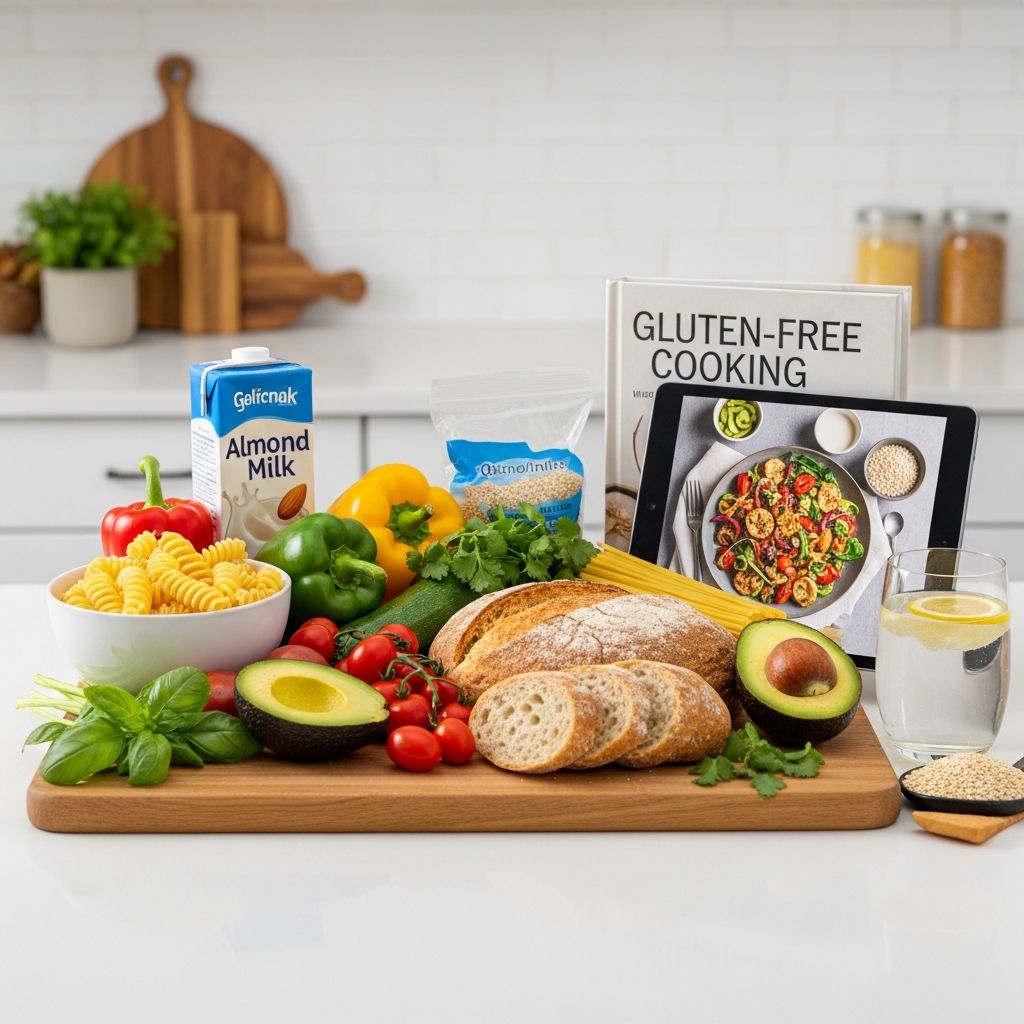
The key to successful dietary management is focusing on what you can eat rather than what you cannot. Numerous naturally gluten-free foods provide excellent nutrition and variety. These foods form the foundation of a healthy celiac disease diet and include whole food groups that are inherently free from gluten.
Naturally Gluten-Free Food Groups
- Fruits and Vegetables: All fresh fruits and vegetables are naturally gluten-free, including potatoes, leafy greens, carrots, berries, and citrus fruits
- Proteins: Unbreaded and unprocessed meat, poultry, fish, eggs, and legumes provide essential amino acids
- Grains and Starches: Rice, corn, quinoa, certified gluten-free oats, tapioca, and potato starch offer safe alternatives to wheat-based grains
- Dairy Products: Milk, cheese, yogurt, and butter are naturally gluten-free
- Fats and Oils: Olive oil, vegetable oils, and nuts provide healthy fats
- Beverages: Water, juice, coffee, tea, and wine are naturally gluten-free
Foods to Avoid: Identifying Gluten-Containing Products
Understanding which foods contain gluten is essential for preventing intestinal damage and maintaining health. While some foods are obviously off-limits, others require careful label reading or verification before consumption.
Foods Containing Gluten
- Wheat-based products (bread, pasta, cereals, flour, wheat-based baked goods)
- Barley and rye products
- Traditional beer and some grain-based alcoholic beverages
- Most processed foods containing wheat flour or modified food starch from wheat
- Many sauces, gravies, and soups thickened with wheat flour
- Breaded or battered foods
- Some processed meats and deli products
Understanding Cross-Contamination
Even trace amounts of gluten can trigger intestinal damage in individuals with celiac disease. Cross-contamination occurs when gluten-free foods come into contact with gluten-containing foods, either during food preparation, storage, or manufacturing. In your kitchen, use separate cutting boards, utensils, and preparation areas for gluten-free cooking. When dining out, inform servers about your celiac disease so they can prepare your meal properly. Many restaurants now offer gluten-free menus and employ practices to prevent cross-contamination.
Related Stories



Nutritional Deficiencies and Supplementation
Before diagnosis, celiac disease often causes malabsorption, leading to multiple nutrient deficiencies. Even after adopting a gluten-free diet, supplementation may be necessary to correct these deficiencies and prevent long-term health complications.
Common Nutrient Deficiencies in Celiac Disease
Individuals with celiac disease frequently experience deficiencies in fiber, iron, calcium, magnesium, zinc, folate, niacin, riboflavin, vitamin B12, and vitamin D, as well as calories and protein. Additionally, deficiencies in copper and vitamin B6, though less common, are possible. These deficiencies can cause symptoms ranging from fatigue and weakness to bone loss and neurological complications.
Recommended Supplementation Strategy
- Multivitamin: A daily gluten-free multivitamin should provide no more than 100% of the daily value for vitamins and minerals
- Vitamin B12 and Folate: May help individuals recover from anxiety and depression caused by vitamin deficiencies
- Calcium and Vitamin D: Essential for bone health, especially for those at risk of osteopenia or osteoporosis
- Iron Supplementation: May be recommended if iron studies show deficiency
Bone Health and Osteoporosis Prevention
Celiac disease increases the risk of osteoporosis and osteopenia due to malabsorption of calcium and vitamin D. Healthcare providers should order a bone density test at the time of diagnosis for adults and may recommend testing for children and adolescents who experienced severe malabsorption, prolonged diagnostic delay, or have bone disease symptoms.
If bone density is compromised, your physician may prescribe dietary supplements and medications to correct this condition. Adequate calcium and vitamin D intake, combined with regular physical activity, supports bone health and reduces fracture risk.
Reading Labels and Identifying Gluten-Free Products
Becoming an expert label reader is essential for managing celiac disease. Check ingredient lists for obvious gluten sources and watch for potential cross-contamination warnings. Look for the certified gluten-free label, which indicates that a product has been tested and verified to contain less than 20 ppm of gluten. Be cautious with products labeled “wheat-free,” as they may still contain gluten from other sources like barley or rye.
Label Reading Checklist
- Check for wheat, barley, rye, or triticale in the ingredient list
- Look for statements about shared facilities or equipment
- Search for gluten-free certification symbols
- Be aware that “natural flavors” or modified food starch may contain gluten
- Verify that medications and supplements are gluten-free
Practical Tips for Dining Out and Traveling
Successfully managing celiac disease extends beyond your home kitchen. When dining out, communicate clearly with servers and chefs about your condition. Many restaurants now understand celiac disease and can prepare meals safely. Request information about how foods are prepared and whether gluten-free options are available.
When traveling, pack safe snacks and research restaurants ahead of time. Many cities have gluten-free dining guides and restaurants with dedicated gluten-free menus. Learn key phrases in local languages if traveling internationally to explain your dietary needs.
The Role of Gut Health and Microbiome
Recent research reveals that celiac disease affects the gut microbiome, the community of beneficial bacteria in your digestive tract. These bacteria play a crucial role in producing short-chain fatty acids that strengthen the intestinal barrier and protect gut health. A gluten-free diet helps restore a healthier microbiome, though recovery may not be complete. Some individuals benefit from probiotic supplementation, particularly Bifidobacterium strains, which may improve short-chain fatty acid production. Additionally, consuming diverse foods with adequate fiber from vegetables, legumes, and fruits supports beneficial bacteria growth and overall digestive health.
Building a Balanced Gluten-Free Diet
Creating nutritionally adequate meals on a gluten-free diet requires intentional planning. Focus on whole foods rather than processed gluten-free substitutes, which often lack nutritional value. Include a variety of vegetables, fruits, legumes, lean proteins, and gluten-free grains to ensure adequate nutrient intake.
Daily Nutrition Guidelines
| Food Group | Daily Servings | Examples |
|---|---|---|
| Vegetables | 3-4 cups | Broccoli, spinach, carrots, peppers |
| Fruits | 1.5-2 cups | Berries, apples, oranges, bananas |
| Grains (gluten-free) | 5-8 ounces | Rice, quinoa, certified oats, corn |
| Protein | 5-6 ounces | Chicken, fish, beans, eggs, lean beef |
| Dairy | 2.5-3 cups | Milk, yogurt, cheese |
Working with Healthcare Professionals
Managing celiac disease successfully requires collaboration with multiple healthcare providers. At diagnosis, your physician should conduct routine blood tests including complete blood cell count, iron studies, vitamin B studies, thyroid function tests, liver enzymes, and vitamin D levels. A registered dietitian expert in celiac disease should provide comprehensive gluten-free dietary counseling, including education on label reading, cross-contamination prevention, and nutritional adequacy. Mental health support may also be valuable for coping with the psychosocial aspects of a lifelong dietary restriction.
Follow-Up Schedule
- Initial Diagnosis: Comprehensive blood work, genetic testing, and small intestinal biopsy confirmation
- 2-4 Weeks: Dietitian follow-up to assess symptoms and conduct dietary review
- 3-6 Months: Physician visit to identify nutritional deficiencies and confirm dietary adherence
- 6-12 Months: Dietitian visit and repeat blood work to verify serology conversion
- Annual Visits: Ongoing physician and dietitian monitoring
Frequently Asked Questions
Can I eat oats on a gluten-free diet?
Yes, pure, uncontaminated oats are gluten-free and safe for most people with celiac disease. However, choose certified gluten-free oats to ensure they have not been contaminated with wheat, barley, or rye during growing or processing. Some individuals may experience sensitivity to avenin, a protein in oats, though this is less common than gluten sensitivity.
How long does it take to feel better after starting a gluten-free diet?
Many people experience symptom improvement within days to weeks of eliminating gluten. However, intestinal healing progresses gradually, typically showing significant improvement within 3-6 months and complete healing within 1-2 years, depending on the severity of damage before diagnosis.
Are all gluten-free foods healthy?
Not necessarily. Many processed gluten-free products are high in sugar, sodium, and unhealthy fats while lacking fiber and essential nutrients. Focus on naturally gluten-free whole foods and limit processed gluten-free alternatives. When choosing packaged foods, read nutrition labels carefully and select options with minimal additives and adequate nutritional value.
Is it safe to eat at restaurants?
Yes, with proper communication and precautions. Inform your server about celiac disease, ask how foods are prepared, and inquire about cross-contamination practices. Many restaurants offer gluten-free menus or can modify dishes to be safe. Avoid busy establishments where the risk of cross-contamination is high.
Do I need to take supplements forever?
Most people benefit from a daily gluten-free multivitamin indefinitely, as the gluten-free diet may not provide sufficient amounts of all vitamins and minerals. Your healthcare provider will assess your individual needs during follow-up appointments and adjust supplementation as necessary based on blood work results.
References
- Celiac Disease and the Gut Microbiome — Johns Hopkins University School of Medicine. 2024. https://www.hopkinsmedicine.org/
- Treatment & Follow-Up | Celiac Disease Foundation — Celiac Disease Foundation. 2024. https://celiac.org/about-celiac-disease/treatment-and-follow-up/
- Celiac Disease Diet: What Is It, Foods to Eat, Foods to Avoid — Osmosis. 2024. https://www.osmosis.org/answers/celiac-disease-diet
Similar Articles








Read full bio of medha deb