Dietary and Herbal Supplements: A Complete Guide
Understanding dietary and herbal supplements: definitions, regulations, and safe usage.
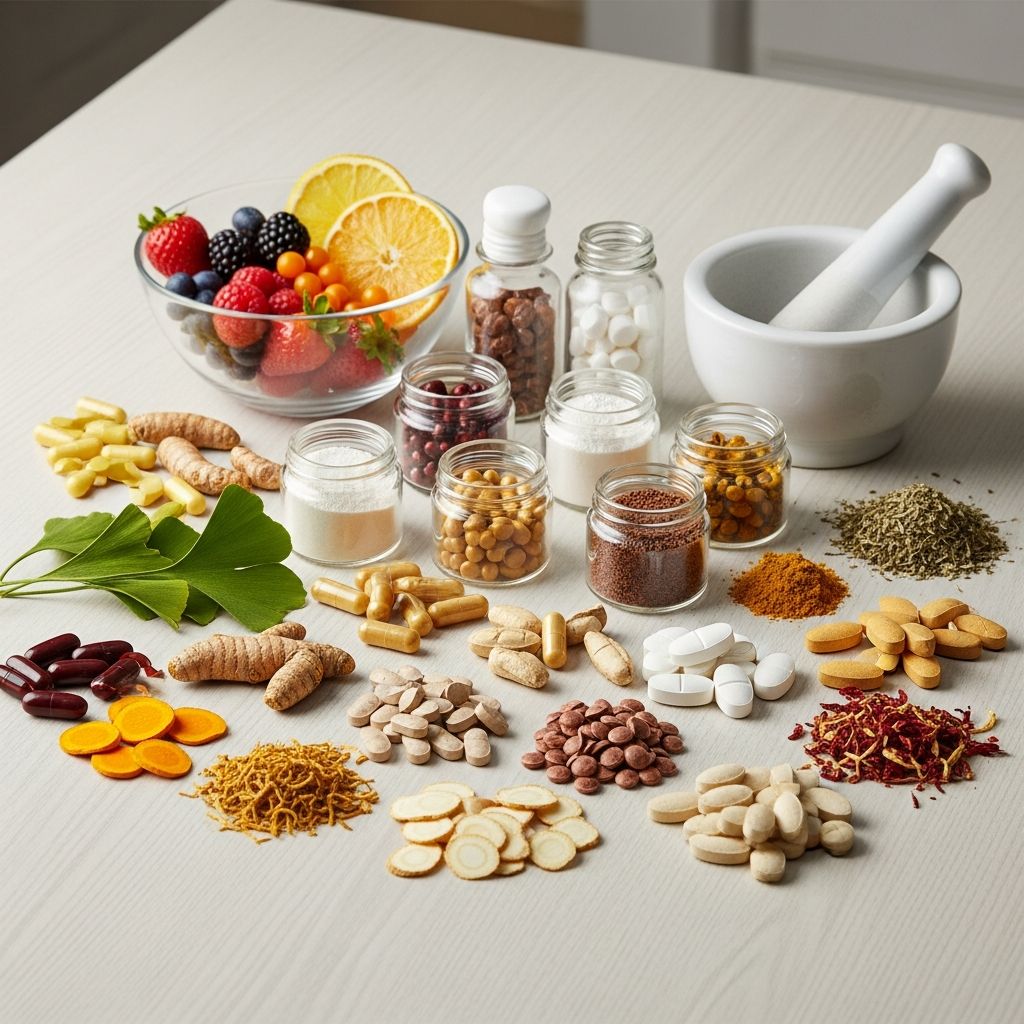
Dietary supplements have become increasingly popular in the United States, with millions of consumers turning to vitamins, minerals, herbs, and other botanical products to support their health and wellness goals. However, understanding what dietary supplements actually are, how they’re regulated, and how to use them safely is essential for making informed health decisions. This comprehensive guide explores the world of dietary supplements, offering valuable information for consumers and healthcare practitioners alike.
What Are Dietary Supplements?
The federal government provides a specific legal definition of dietary supplements that helps distinguish them from other products. Under federal law, dietary supplements are defined as products that meet several key criteria. These products are designed to supplement your daily diet and provide additional nutrients or beneficial compounds that may not be consumed in adequate quantities through food alone.
Dietary supplements must meet the following characteristics:
- You take them by mouth, in forms such as tablets, capsules, powders, or liquids
- They are manufactured to supplement the diet and enhance nutritional intake
- They contain one or more dietary ingredients, which may include vitamins, minerals, herbs or other botanicals, amino acids, enzymes, tissues from organs or glands, or extracts of these substances
- They are labeled as being dietary supplements
This definition is important because it distinguishes dietary supplements from conventional foods and drugs. Unlike prescription medications, dietary supplements are not intended to treat, diagnose, prevent, or cure diseases. Instead, they are designed to support normal function and maintain health.
Understanding Herbal Supplements
Herbal supplements, sometimes called botanicals, represent a specific category of dietary supplements that contain one or more herbs. These products have been used for centuries in traditional medicine systems around the world and continue to be popular choices for those seeking natural approaches to health maintenance.
Herbal supplements are characterized by their plant-based origins and diverse presentation formats. They are made from plants, algae, fungi, or combinations of these natural sources. Unlike synthesized vitamins or minerals, herbal supplements retain the complex chemical profiles found in nature. They can be purchased in various forms to suit different preferences and needs:
- Herbal teas and infusions
- Liquid extracts and tinctures
- Capsules and tablets
- Powders for mixing
- Fresh or dried plant material
The diversity of herbal supplements available reflects their widespread use across many cultures and health traditions. Popular herbal supplements include ginger for digestive support, ginkgo for cognitive function, turmeric for inflammatory response, echinacea and elderberry for immune support, and many others. Each herb has its own unique composition of active compounds and potential effects on the body.
The Regulatory Framework for Dietary Supplements
The regulation of dietary supplements in the United States operates differently from the regulation of pharmaceutical drugs. The FDA (Food and Drug Administration) oversees dietary supplements, but the approval process is less rigorous than for prescription medications. This distinction is important for consumers to understand.
In 2023, the FDA took an important step toward consumer transparency by launching the Dietary Supplement Ingredient Directory. This online resource allows the public to look up ingredients used in products marketed as dietary supplements and provides information about what the FDA has said regarding that ingredient, as well as any agency actions that may have been taken against it. This tool represents an effort to enhance consumer access to reliable information about supplement ingredients.
Unlike drugs, dietary supplements do not require FDA approval before they can be marketed and sold to consumers. However, manufacturers are responsible for ensuring that their products are safe and that any claims made about them are substantiated by scientific evidence. The FDA can take action against supplements that are found to be unsafe or whose manufacturers make unsubstantiated claims.
Scientific Evidence and Variability
One of the most important considerations when evaluating dietary supplements is the amount and quality of scientific evidence supporting their use. The scientific evidence on dietary supplements varies widely—there is substantial research on some supplements and very little on others.
Some supplements, such as certain vitamins and minerals, have been extensively studied for decades and have strong evidence supporting their role in preventing nutritional deficiencies. Other supplements, particularly some herbal products, may have limited scientific research demonstrating their effectiveness or mechanisms of action.
This variability in evidence means that consumers should approach supplement use thoughtfully. A supplement with extensive research behind it may offer more reliable benefits than one with minimal scientific investigation. When considering a dietary supplement, it’s important to:
- Research the available scientific evidence for that specific supplement
- Consult with healthcare providers about whether a supplement is appropriate for your individual health situation
- Look for products from reputable manufacturers who conduct quality testing
- Be skeptical of exaggerated health claims
- Consider the quality of studies supporting any claims made about the supplement
Important Considerations Before Using Dietary Supplements
If you’re considering using a dietary supplement, several important factors should guide your decision-making process. Understanding these considerations can help you make safer, more informed choices about supplement use.
Safety and Quality Concerns
Not all supplements are created equal, and the supplement industry is vast and varied. Quality can differ significantly between manufacturers. Some supplements may contain contaminants, incorrect dosages, or ingredients not listed on the label. Purchasing from established, reputable manufacturers who conduct third-party testing can help reduce these risks.
Potential Interactions
Dietary and herbal supplements can interact with prescription medications, over-the-counter drugs, and other supplements. These interactions can potentially reduce the effectiveness of medications or increase the risk of adverse effects. Before starting any new supplement, inform your healthcare provider about what you’re considering, especially if you take medications regularly.
Individual Health Status
Your personal health status, age, pregnancy status, and existing medical conditions can all affect whether a particular supplement is appropriate for you. Some supplements may not be safe for pregnant women, children, or individuals with certain health conditions. A healthcare provider can help determine whether a supplement is suitable for your specific situation.
Quality of Evidence
Before choosing a supplement, research the scientific evidence supporting its use. Look for studies published in peer-reviewed journals, and be cautious of products making extraordinary claims that aren’t backed by robust research. Marketing claims are not the same as scientific evidence.
Resources for Learning More About Supplements
Multiple reliable resources exist to help consumers learn about dietary supplements and make informed decisions about their use. These resources provide research-based, unbiased information to support consumer education.
The NCCIH Clearinghouse
The National Center for Complementary and Integrative Health (NCCIH) Clearinghouse provides comprehensive information on complementary and integrative health approaches, including publications and searches of federal databases of scientific and medical literature. The Clearinghouse does not provide medical advice, treatment recommendations, or referrals to practitioners, but it does offer evidence-based information.
Contact information for the NCCIH Clearinghouse includes:
- Toll-free phone: 1-888-644-6226
- Telecommunications relay service (TRS): 7-1-1
- Website: https://www.nccih.nih.gov
- Email: info@nccih.nih.gov
Herbs at a Glance
The “Herbs at a Glance” series, produced by the NCCIH, provides brief but comprehensive fact sheets about specific herbs and botanicals. Each fact sheet includes common names, what the scientific literature says about the herb, potential side effects and cautions, and resources for additional information. This series covers dozens of popular herbs and represents a valuable resource for consumers seeking reliable information about specific botanical supplements.
The HerbList App
The NCCIH launched the HerbList™ app to make supplement information more accessible to modern consumers. The app uses research-driven NIH resources to provide overviews of more than 50 herbal supplements for everyone from consumers to healthcare providers. The application features scientific, research-driven, unbiased information to help individuals make informed decisions about supplement use.
Office of Dietary Supplements (ODS)
The Office of Dietary Supplements, part of the National Institutes of Health, seeks to strengthen knowledge and understanding of dietary supplements by evaluating scientific information, supporting research, sharing research results, and educating the public. The ODS provides numerous resources including publications and fact sheets on specific supplement ingredients and products.
Research on Dietary Supplements
The scientific community continues to investigate the safety, effectiveness, and mechanisms of action of various dietary supplements. The NCCIH supports dozens of research projects on dietary supplements and how they might affect the body. This ongoing research is essential for building the evidence base that will help consumers and healthcare providers make more informed decisions.
The NCCIH cosponsors the Centers for Advancing Research on Botanical and Other Natural Products (CARBON) Program. Scientists at these centers conduct laboratory and clinical research concerning the safety, effectiveness, and mechanisms of action of botanical dietary supplements that have significant potential to benefit human health. This research initiative reflects the commitment to understanding plant-based supplements through rigorous scientific investigation.
The Importance of Informed Decision-Making
Using dietary and herbal supplements wisely requires careful consideration and informed decision-making. While many people report satisfaction with their supplement use and some supplements have strong evidence supporting their benefits, it’s important to approach supplementation strategically rather than randomly.
Consumer education is a key component of safe supplement use. Understanding what supplements are, how they’re regulated, what the scientific evidence shows, and how to select quality products can significantly reduce risks while maximizing potential benefits. By utilizing available resources and consulting with healthcare providers, consumers can make choices that support their individual health goals and circumstances.
Frequently Asked Questions About Dietary Supplements
Q: Are all dietary supplements required to be approved by the FDA before sale?
A: No. Unlike prescription medications, dietary supplements do not require FDA approval before they can be marketed and sold to the public. However, manufacturers are responsible for ensuring their products are safe and that any health claims are substantiated.
Q: What is the difference between a dietary supplement and a drug?
A: Dietary supplements are intended to supplement the diet and support normal body functions, while drugs are intended to treat, diagnose, prevent, or cure diseases. This distinction affects how they are regulated and what claims can be made about them.
Q: How can I find reliable information about a specific supplement?
A: The NCCIH Clearinghouse, Herbs at a Glance fact sheets, the HerbList app, and the Office of Dietary Supplements all provide research-based information about specific supplements. The FDA’s Dietary Supplement Ingredient Directory is also a valuable resource for ingredient information.
Q: Can dietary supplements interact with my medications?
A: Yes, some dietary and herbal supplements can interact with prescription medications, over-the-counter drugs, and other supplements. Always inform your healthcare provider about any supplements you’re considering or currently taking.
Q: How do I know if a dietary supplement is high quality?
A: Look for products from reputable manufacturers, check for third-party testing certifications, verify that ingredient amounts match label claims, and research the company’s quality control practices. Consulting with a healthcare provider or pharmacist can also help.
References
- Dietary and Herbal Supplements — National Center for Complementary and Integrative Health (NCCIH), National Institutes of Health. 2024. https://www.nccih.nih.gov/health/dietary-and-herbal-supplements
- What’s in that supplement? Ask the HerbList app — MedlinePlus Magazine. 2024. https://magazine.medlineplus.gov/article/whats-in-that-supplement-ask-the-herblist-app
- Dietary Supplement Fact Sheets — Office of Dietary Supplements (ODS), National Institutes of Health. 2024. https://ods.od.nih.gov/factsheets/list-all/
- Using Dietary Supplements Wisely — National Center for Complementary and Integrative Health (NCCIH), National Institutes of Health. 2024. https://www.nccih.nih.gov/health/using-dietary-supplements-wisely
- Herbs at a Glance — National Center for Complementary and Integrative Health (NCCIH), National Institutes of Health. 2024. https://www.nccih.nih.gov/health/herbsataglance
- Information for Consumers on Using Dietary Supplements — Food and Drug Administration (FDA). 2024. https://www.fda.gov/food/dietary-supplements/information-consumers-using-dietary-supplements
Similar Articles







Read full bio of medha deb