Dietary Restrictions: 7 Diets, Foods To Avoid And Alternatives
Navigate common dietary restrictions with ease: Explore gluten-free, dairy-free, vegan, vegetarian, and more for healthier eating.
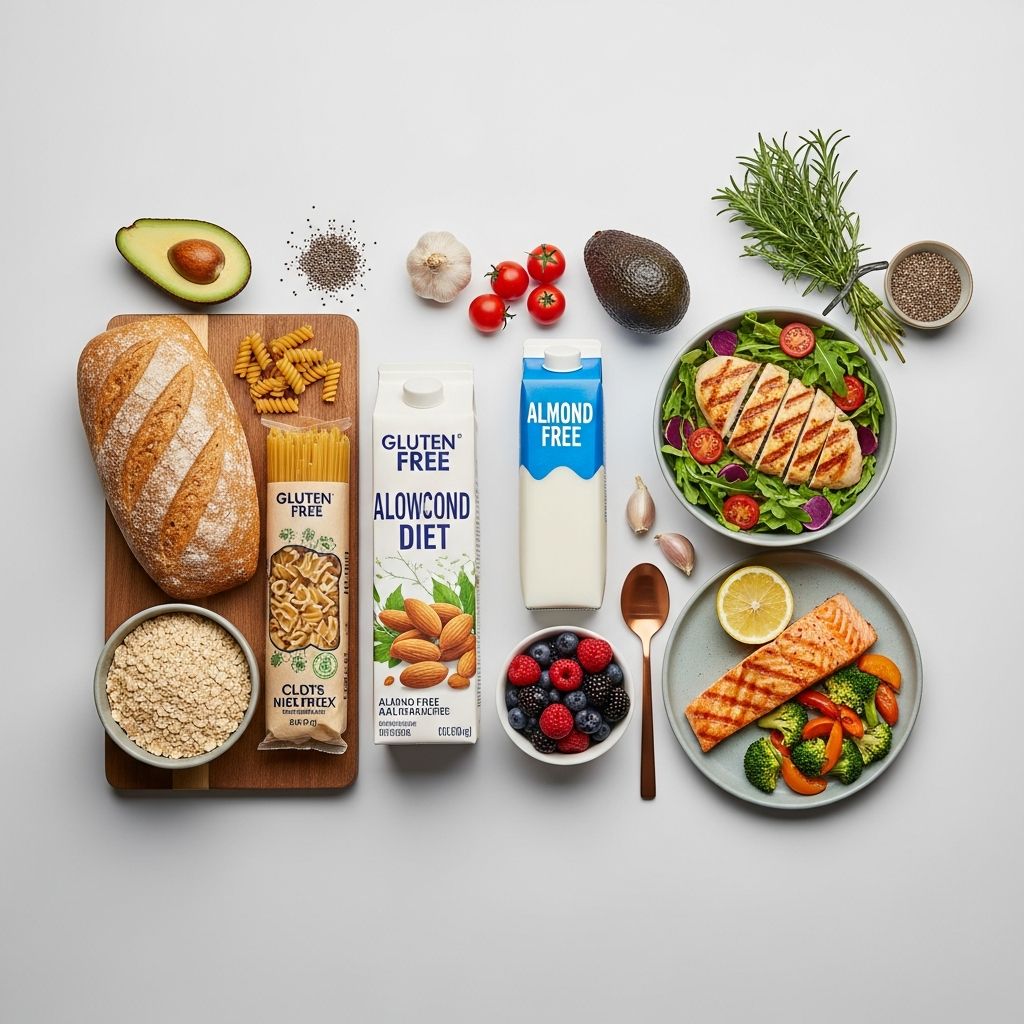
Navigating dietary restrictions can be challenging, but understanding them empowers you to make informed choices that support your health and lifestyle. Whether due to allergies, intolerances, ethical beliefs, or medical conditions, millions of people follow specialized diets. This comprehensive guide covers the most common dietary restrictions, explaining what they entail, foods to avoid, safe alternatives, health benefits, and practical tips for meal planning. From gluten-free to vegan and low-FODMAP, you’ll find everything you need to eat well while adhering to your restrictions.
Gluten-Free Diet
A gluten-free diet is essential for people with celiac disease, gluten sensitivity, or wheat allergies. Gluten is a protein found in wheat, barley, rye, and sometimes oats due to cross-contamination. According to the Celiac Disease Foundation, about 1% of the U.S. population has celiac disease, an autoimmune disorder triggered by gluten that damages the small intestine.
- What to avoid: Wheat-based products (bread, pasta, cereals), barley (beer, malt), rye (rye bread), and processed foods with hidden gluten like sauces and soups.
- Safe foods: Rice, quinoa, corn, potatoes, gluten-free oats, fresh fruits, vegetables, meat, poultry, fish, dairy, nuts, and seeds.
- Alternatives: Gluten-free flours (almond, rice, coconut), certified gluten-free bread and pasta.
Health benefits include reduced inflammation, improved digestion, and better nutrient absorption for those affected. Tip: Always check labels for “gluten-free” certification to avoid cross-contamination.
Dairy-Free Diet
Dairy-free diets exclude milk and products from cows, goats, and sheep, often due to lactose intolerance or milk allergies. The National Institutes of Health reports that 65% of the global population has trouble digesting lactose after infancy.
- What to avoid: Milk, cheese, yogurt, butter, cream, ice cream, and hidden dairy in processed foods like chocolate and baked goods.
- Safe foods: Plant-based milks (almond, soy, oat, coconut), fresh fruits, vegetables, grains, meat, fish, eggs, nuts.
- Alternatives: Nut milks, vegan cheese, coconut yogurt, plant-based butter.
Benefits include easier digestion, reduced bloating, and lower calorie intake if choosing unsweetened alternatives. Pro tip: Fortified plant milks provide calcium and vitamin D equivalent to dairy.
Vegan Diet
Veganism avoids all animal products for ethical, environmental, or health reasons. The Academy of Nutrition and Dietetics states that appropriately planned vegan diets are healthful, nutritionally adequate, and may provide health benefits for chronic disease prevention.
- What to avoid: Meat, poultry, fish, dairy, eggs, honey, gelatin, and animal-derived ingredients like whey or casein.
- Safe foods: Fruits, vegetables, legumes, grains, nuts, seeds, plant-based proteins (tofu, tempeh, lentils).
- Alternatives: Plant milks, vegan meats (seitan, beyond burgers), egg replacers (flaxseed, aquafaba).
Key nutrients to focus on: B12 (supplements), iron (leafy greens + vitamin C), omega-3s (flax, chia). Benefits: Lower heart disease risk, better weight management.
Related Stories



Vegetarian Diet
Vegetarians exclude meat but may include dairy, eggs, and other animal products. Variants include lacto-ovo (dairy + eggs), lacto (dairy only), ovo (eggs only).
- What to avoid: Meat, poultry, fish, seafood (varies by type).
- Safe foods: Dairy, eggs, fruits, vegetables, grains, legumes, nuts.
- Alternatives: Tofu, beans, cheese, eggs for protein.
Harvard T.H. Chan School of Public Health research links vegetarian diets to lower risks of obesity, diabetes, and heart disease.
Paleo Diet
The Paleo diet mimics hunter-gatherer eating, focusing on whole foods our ancestors ate. It excludes processed foods and grains.
- What to avoid: Grains, legumes, dairy, refined sugars, processed oils, potatoes.
- Safe foods: Meat, fish, eggs, vegetables, fruits, nuts, seeds, healthy fats (avocado, olive oil).
- Alternatives: Cauliflower rice, almond flour, coconut aminos for soy sauce.
A 2020 study in the American Journal of Clinical Nutrition found Paleo improves blood sugar control and waist circumference.
Keto (Ketogenic) Diet
Keto is high-fat, moderate-protein, very low-carb (<50g/day) to induce ketosis for fat burning. Popular for weight loss.
- What to avoid: Grains, sugars, fruits (most), starchy veggies, legumes.
- Safe foods: Meat, fatty fish, eggs, cheese, nuts, seeds, low-carb veggies (leafy greens), avocados, oils.
- Alternatives: Zucchini noodles, keto bread (almond flour), stevia sweetener.
Per Mayo Clinic, short-term benefits include weight loss and appetite control, but monitor for nutrient deficiencies.
Low-FODMAP Diet
Developed by Monash University for IBS management, low-FODMAP limits fermentable carbs causing gut issues.
- What to avoid (high-FODMAP): Onions, garlic, wheat, beans, certain fruits (apples, pears), dairy with lactose.
- Safe foods: Carrots, zucchini, strawberries, rice, oats, lactose-free dairy, firm tofu.
- Alternatives: Garlic-infused oil, chives, maple syrup.
Monash research shows 75% of IBS patients experience symptom relief.
Foods to Avoid Across Diets
| Diet | Common Foods to Avoid |
|---|---|
| Gluten-Free | Wheat bread, pasta, beer |
| Dairy-Free | Milk, cheese, yogurt |
| Vegan | Meat, eggs, dairy, honey |
| Paleo | Grains, dairy, legumes |
| Keto | Bread, sugar, fruit |
| Low-FODMAP | Onions, garlic, apples |
Meal Planning Tips
- Read labels carefully and use apps like Fig or Yummly for restriction filters.
- Stock pantry staples: Gluten-free grains, plant milks, nuts.
- Batch cook versatile bases like quinoa or roasted veggies.
- Focus on whole foods to minimize hidden ingredients.
- Consult a dietitian for personalized advice.
Recipe Ideas by Restriction
- Gluten-Free: Quinoa salad with veggies and lemon-tahini dressing.
- Dairy-Free: Coconut curry with chickpeas and spinach.
- Vegan: Lentil-stuffed peppers with avocado salsa.
- Paleo: Grilled salmon with sweet potato mash and kale.
- Keto: Cauliflower fried “rice” with shrimp and broccoli.
- Low-FODMAP: Grilled chicken with carrots, zucchini, and rice.
Frequently Asked Questions (FAQs)
What is the best diet for weight loss?
No single diet works for everyone; sustainable ones like Mediterranean or balanced calorie control are most effective per NIH guidelines.
Can I be vegan and still get enough protein?
Yes, via lentils, tofu, tempeh, quinoa, nuts. Academy of Nutrition recommends 1.2-1.6g/kg body weight for vegans.
Is gluten-free healthier for everyone?
No, only necessary for celiac or sensitivity; otherwise, whole grains provide fiber and nutrients.
How do I start a low-FODMAP diet?
Follow Monash University’s three phases: elimination (2-6 weeks), reintroduction, personalization.
Are keto diets safe long-term?
Short-term yes, but long-term may risk nutrient gaps; consult a doctor, per Mayo Clinic.
References
- What is Celiac Disease? — Celiac Disease Foundation. 2023-05-15. https://celiac.org/about-celiac-disease/what-is-celiac-disease/
- Lactose Intolerance — National Institute of Diabetes and Digestive and Kidney Diseases (NIH). 2024-02-12. https://www.niddk.nih.gov/health-information/digestive-diseases/lactose-intolerance
- Position of the Academy of Nutrition and Dietetics: Vegetarian Diets — Academy of Nutrition and Dietetics. 2023-12-01. https://www.jandonline.org/article/S2212-2672(17)30589-4/fulltext
- Paleo Diet: Eat like our ancestor hunter-gatherers? — Mayo Clinic. 2025-01-10. https://www.mayoclinic.org/healthy-lifestyle/nutrition-and-healthy-eating/in-depth/paleo-diet/art-20111182
- Low FODMAP Diet — Monash University. 2024-08-20. https://www.monashfodmap.com/ibs-central/i-have-ibs/get-the-app/
- Vegetarian Diet: How to get the best nutrition — Harvard T.H. Chan School of Public Health. 2023-11-05. https://www.hsph.harvard.edu/nutritionsource/healthy-weight/diet-reviews/vegetarian-diets/
Similar Articles








Read full bio of Sneha Tete