Dietary Salt and Blood Pressure: A Complex Connection
Understanding the intricate relationship between sodium intake and cardiovascular health outcomes.
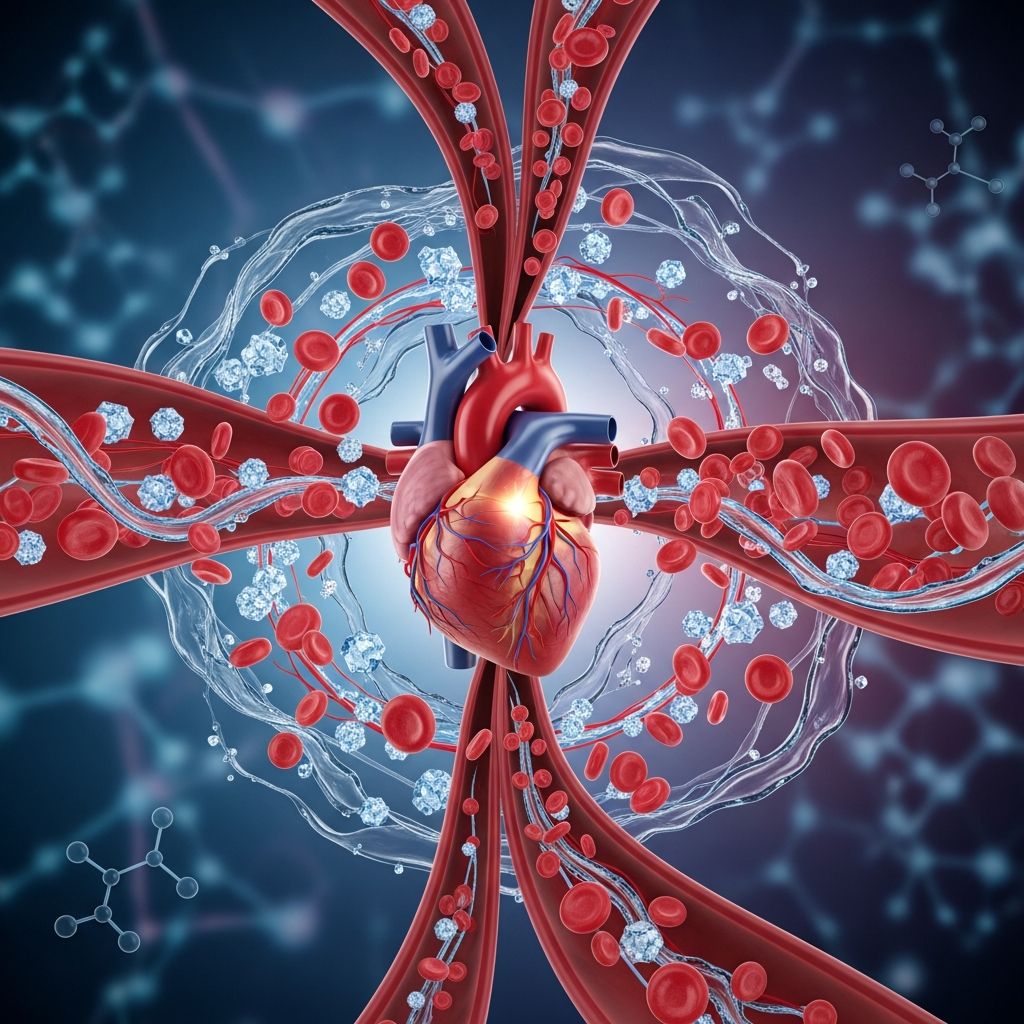
The relationship between dietary salt and blood pressure has long been a cornerstone of cardiovascular health discussions. While the general consensus emphasizes reducing sodium intake to manage blood pressure and prevent heart disease, the actual science reveals a more nuanced picture. Understanding this complexity is essential for making informed dietary choices that support long-term heart health and overall wellness.
The Basic Science of Sodium and Blood Pressure
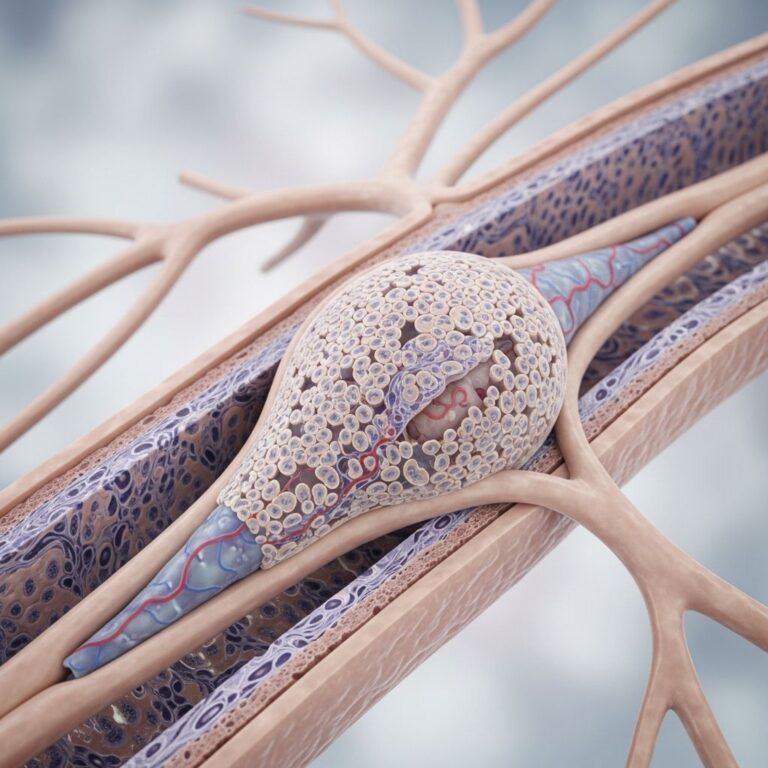
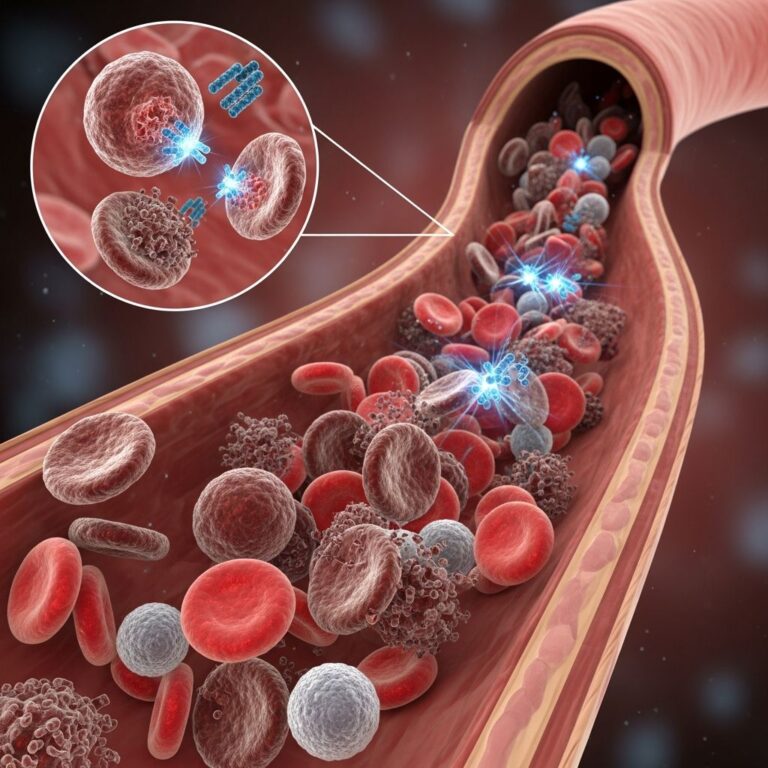
Sodium plays a critical role in regulating fluid balance and blood pressure in the human body. When sodium intake increases, the body tends to retain more water to maintain proper osmotic balance. This increased fluid volume in the bloodstream requires the heart to work harder and increases pressure against blood vessel walls. Over time, this extra work and pressure can stiffen blood vessels, leading to sustained high blood pressure, heart attack, and stroke. Additionally, it can lead to heart failure and damage to the heart, aorta, and kidneys, sometimes even without raising blood pressure.
Research has consistently shown that sodium intake is a major determinant of blood pressure across populations. A reduction in dietary sodium consumption reduces blood pressure in both individuals and populations, with effects that are dose-dependent and detected in both sexes and all ethnic groups.
Major Clinical Trials and Evidence
The Intersalt Study
One of the foundational investigations into salt and blood pressure was the Intersalt study, which examined populations across different regions. Populations with higher salt consumption had higher average blood pressures and greater increases in blood pressure with age. In contrast, four groups with salt intakes less than 1,300 mg per day maintained low average blood pressures with little or no upward trend of blood pressure with age. Subsequent re-analysis of Intersalt data found even stronger associations between higher sodium intakes and elevated blood pressure, particularly in middle-aged participants compared with younger adults.
Trials of Hypertension Prevention (TOHP)
The TOHP trials, conducted from 1987-1995, tested the impact of lifestyle changes on blood pressure, including weight loss, stress management, nutritional supplements, and reduced sodium consumption. Small decreases in blood pressure were observed with sodium reduction over 18-36 months. Most compelling was the long-term follow-up: after an average of 10-15 years, participants in the sodium-reduction groups were 25% less likely to have experienced a heart attack or stroke, required procedures to open or bypass cholesterol-clogged coronary arteries, or died of cardiovascular disease. A continuing decrease in cardiovascular events was also noted with sodium intakes as low as 1,500 mg daily.
DASH Diet Studies
The Dietary Approaches to Stop Hypertension (DASH) trials, begun in 1994, represented major advances in blood pressure research by demonstrating clear links between diet and blood pressure. After eight weeks, both a fruits and vegetables diet and the DASH diet reduced systolic and diastolic blood pressure, with the DASH diet producing a stronger effect. More significantly, the second study found that lowering sodium in either the DASH or standard American diet had an even stronger impact on reducing blood pressure. These findings contributed substantial scientific basis for the Dietary Guidelines for Americans, which recommends reducing daily sodium to less than one teaspoon.
Related Stories



Meta-Analysis of Sodium Reduction
A comprehensive meta-analysis of clinical trials found that moderate sodium reduction to about 4,000 mg per day for at least one month caused significant reductions in blood pressure in individuals with both normal and high blood pressure. Further analysis showed that blood pressure was reduced in both men and women and across different racial groups, suggesting benefits for the total population. The evidence demonstrates a linear relationship between sodium reduction from 4,100 mg per day to 2,300 mg per day and reduced cardiovascular disease risk.
Cardiovascular Disease and Blood Pressure
High blood pressure serves as a leading cause of cardiovascular disease, accounting for two-thirds of all strokes and half of heart disease. In China, high blood pressure is the leading cause of preventable death, responsible for more than one million deaths annually. The Institute of Medicine, after reviewing sodium research, concluded that reducing sodium intake lowers blood pressure, though evidence regarding decreased risk of cardiovascular diseases remains somewhat inconclusive in certain contexts.
However, long-term studies provide compelling evidence. Meta-analyses of randomized controlled trials demonstrate a 20-30% reduction of cardiovascular events after a period of moderate reduction of sodium intake from 4,100 to 2,300 mg per day. The higher the ratio of potassium to sodium in a participant’s diet, the lower the chances of developing cardiovascular trouble, suggesting that a strategy combining both increased potassium intake and lowered sodium may be the most effective approach to fighting high blood pressure.
Individual Variability and Salt Sensitivity
One of the most complex aspects of the salt-blood pressure relationship is individual variability. Not everyone responds to sodium reduction in the same way. Some people are “salt-sensitive,” meaning their blood pressure rises significantly with increased sodium intake, while others show minimal blood pressure changes regardless of sodium consumption. Factors influencing salt sensitivity include age, genetics, baseline blood pressure, body weight, and overall health status.
Research suggests that blood pressure sensitivity to sodium is detected in all age groups, starting from childhood, but the effect becomes greater with age and increases as baseline blood pressure increases. This means that an intervention effective for one person may not produce the same results for another, necessitating personalized approaches to dietary sodium management.
Chronic Kidney Disease and Sodium
Chronic kidney disease (CKD) shares significant risk factors with cardiovascular disease, with high blood pressure being a major risk factor for both. Salt sensitivity is reported to be more prevalent in patients with CKD due to their reduced ability to excrete sodium, which may lead to increased blood pressure and disease progression. However, the relationship between sodium intake and CKD outcomes is also complex.
While evidence links high sodium intake with high blood pressure, there is not adequate evidence that a low sodium restriction protects against or causes better outcomes of CKD compared to moderate sodium restriction. One systematic review of CKD patients found that high sodium intakes of greater than 4,600 mg per day were associated with progression of CKD, but low sodium intakes of less than 2,300 mg per day had no significant effect when compared with moderate sodium intakes of 2,300-4,600 mg per day. This suggests that for individuals with kidney disease, moderate rather than extreme sodium restriction may be appropriate.
Practical Recommendations for Sodium Intake
Given the complexity of the salt-blood pressure relationship, what practical recommendations should individuals follow? Most health organizations recommend reducing daily sodium intake to less than 2,300 mg per day, which is approximately one teaspoon of salt. For individuals with hypertension or cardiovascular disease, some guidelines suggest even lower targets around 1,500 mg per day.
However, these recommendations should be individualized based on personal health status, salt sensitivity, existing medical conditions, and other dietary factors. A balanced approach that emphasizes reducing processed and packaged foods (which contain the majority of dietary sodium) while increasing potassium-rich foods like fruits and vegetables may offer the most benefit for most people.
The Potassium-Sodium Balance
Beyond simply reducing sodium, increasing dietary potassium may provide additional cardiovascular benefits. Potassium helps counteract sodium’s effects on blood pressure and supports overall cardiovascular function. Foods rich in potassium include bananas, sweet potatoes, spinach, beans, and other plant-based foods. The DASH diet, which emphasizes fruits, vegetables, whole grains, and lean proteins, naturally provides a favorable potassium-to-sodium ratio and has demonstrated substantial benefits for blood pressure management and cardiovascular health.
Sodium Reduction and Weight Management
Recent research has clarified some misconceptions about sodium and weight. Earlier studies suggested that higher sodium intake might promote weight loss by changing metabolic energy needs. However, more recent controlled trials have debunked this notion. Research has shown that reducing sodium intake in adults with elevated blood pressure or hypertension decreases thirst and urine volume but does not affect metabolic energy needs or promote weight gain. This finding reinforces that sodium reduction can be pursued as a blood pressure management strategy without concerns about negative effects on weight.
Frequently Asked Questions
Q: How much sodium should I consume daily?
A: Most health organizations recommend consuming less than 2,300 mg of sodium per day, which is approximately one teaspoon of salt. For individuals with hypertension or cardiovascular disease, targets around 1,500 mg per day may be recommended.
Q: Is all dietary sodium equally harmful?
A: Individual responses to sodium vary based on salt sensitivity, age, genetics, and overall health status. Some people show significant blood pressure increases with sodium intake, while others experience minimal changes. Personalized approaches may be most effective.
Q: Can I reduce sodium too much?
A: While extreme sodium restriction may not be necessary or beneficial for everyone, particularly those with certain kidney conditions, the evidence supports moderate sodium reduction for blood pressure management and cardiovascular health in most populations.
Q: What foods are highest in sodium?
A: Processed and packaged foods account for the majority of dietary sodium, including bread, cured meats, cheese, canned soups, and restaurant meals. Fresh, whole foods typically contain much less sodium.
Q: Does reducing sodium affect potassium intake?
A: Not necessarily. A diet low in sodium but rich in potassium-containing foods like fruits and vegetables may actually provide optimal cardiovascular benefits through a favorable potassium-to-sodium ratio.
Q: Are there any conditions where I should not reduce sodium?
A: Certain medical conditions may require individualized sodium management. Heart failure, kidney disease, and some hormonal conditions require consultation with a healthcare provider for personalized recommendations.
Conclusion
The relationship between dietary salt and blood pressure, while sometimes presented as straightforward, is indeed complex and multifaceted. The scientific evidence overwhelmingly supports that reducing sodium intake can lower blood pressure and decrease cardiovascular disease risk for most people. However, individual responses vary based on genetics, age, existing health conditions, and overall dietary patterns. Rather than viewing sodium reduction as a one-size-fits-all approach, a more nuanced strategy that considers individual salt sensitivity, emphasizes whole foods over processed options, and balances sodium reduction with potassium intake may offer the most effective path to cardiovascular health. Consulting with healthcare providers can help individuals develop personalized dietary strategies that optimize heart health while considering their unique circumstances and preferences.
References
- Salt and Sodium — Harvard T.H. Chan School of Public Health, The Nutrition Source. 2024. https://nutritionsource.hsph.harvard.edu/salt-and-sodium/
- New study debunks notion that salt consumption contributes to weight loss — Beth Israel Deaconess Medical Center. 2020-01-15. https://www.bidmc.org/about-bidmc/news/2020/01/new-study-debunks-notion-that-salt-consumption-contributes-to-weight-loss
- Sodium and Health: Old Myths and a Controversy Based on Denial — PubMed Central, National Institutes of Health. 2022. https://pmc.ncbi.nlm.nih.gov/articles/PMC9174123/
Similar Articles








Read full bio of medha deb