Dietary Supplements for Eye Conditions: What the Science Says
Evidence-based guide to supplements for AMD, cataracts, glaucoma, and dry eye disease.
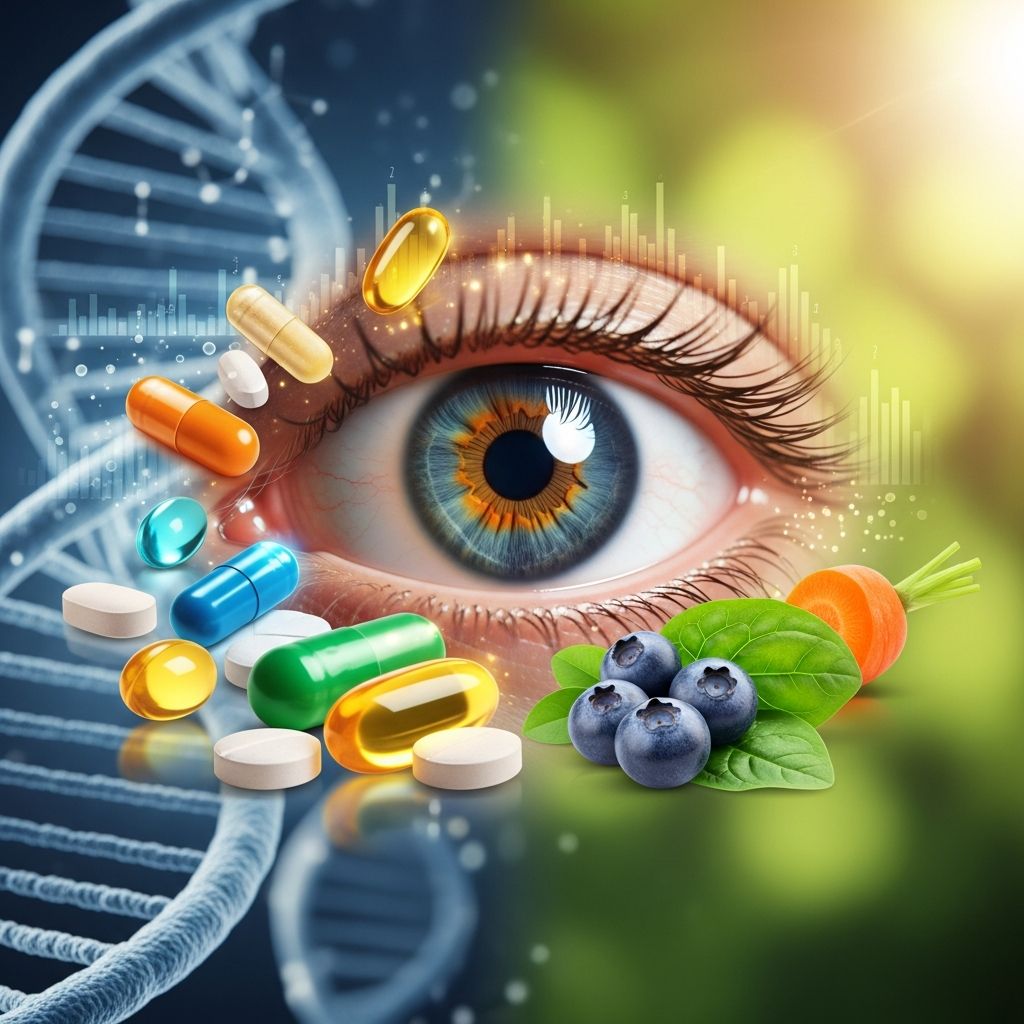
Millions of individuals worldwide seek dietary supplements to maintain and improve their vision, particularly as they age. Eye conditions such as age-related macular degeneration (AMD), cataract, glaucoma, and dry eye disease represent significant health concerns that can substantially impact quality of life and independence. While many people turn to dietary supplements hoping to prevent or slow the progression of these conditions, the scientific evidence supporting their use varies considerably. Understanding what research actually shows about specific supplements is essential for both healthcare providers and patients making informed health decisions.
The National Center for Complementary and Integrative Health (NCCIH) provides evidence-based information on complementary health approaches, including dietary supplements for eye health. This comprehensive review examines the current scientific literature on various supplements and their potential benefits for different eye conditions.
Age-Related Macular Degeneration (AMD)
Age-related macular degeneration represents one of the leading causes of vision loss in older adults. AMD affects the macula, the central portion of the retina responsible for detailed vision, and can develop in two forms: dry (atrophic) and wet (neovascular) macular degeneration. The condition is particularly devastating because it typically occurs in people over 60 and can significantly impact their independence and quality of life.
The AREDS Formulation: Established Evidence
The most well-established research on supplements for AMD comes from the Age-Related Eye Disease Study (AREDS), conducted by the National Eye Institute. This landmark study demonstrated that a specific combination of nutrients—known as the AREDS formulation—can help slow the progression to advanced AMD. The original AREDS formulation includes:
- Vitamin C: 500 milligrams
- Vitamin E: 400 international units
- Beta-carotene: 15 milligrams
- Zinc: 80 milligrams
- Copper: 2 milligrams
The AREDS2 trial, which followed the original study, refined these recommendations. Participants who took the AREDS formulation during the initial five-year trial were 25 to 30 percent less likely to develop advanced AMD over the subsequent five years compared with participants who took placebo during AREDS, with most of this benefit attributed to a reduction in wet AMD cases. This protective effect proved to be long-lasting, providing reassurance that the supplementation strategy has sustained value for individuals at risk of advanced AMD.
Lutein and Zeaxanthin: Enhanced Protection
The AREDS2 research expanded upon the original formulation by testing whether replacing beta-carotene with lutein and zeaxanthin could further improve outcomes. These two carotenoids are natural pigments found in the macula and are thought to protect against oxidative damage from light exposure. The trial evaluated an AREDS formulation with lutein and zeaxanthin but no beta-carotene, and found that the risk of developing advanced macular degeneration over five years was decreased by approximately 18 percent, compared with participants who took an AREDS formulation containing beta-carotene but no lutein or zeaxanthin.
For individuals with low dietary intake of lutein and zeaxanthin at the start of the study, supplementation demonstrated even greater benefit. These participants were about 25 percent less likely to develop advanced AMD compared with participants with similar dietary intake who did not take lutein and zeaxanthin supplements. This finding suggests that the benefit of supplementation may be particularly pronounced in individuals whose baseline diet is deficient in these protective carotenoids.
Omega-3 Fatty Acids: Lack of Benefit
Despite popular interest in omega-3 supplements for eye health, the AREDS2 study found that adding omega-3 fatty acids did not improve the AREDS formulation or provide additional protection against AMD progression. This finding has important implications for supplement recommendations, as it suggests that while omega-3 fatty acids have other documented health benefits, they do not appear to be beneficial specifically for AMD prevention or management.
Beta-Carotene Considerations
While beta-carotene was included in the original AREDS formulation, important safety considerations have emerged. Beta-carotene use has been associated with an increased risk of lung cancer in smokers. This finding has led many healthcare providers to recommend the modified AREDS formulation that substitutes lutein and zeaxanthin for beta-carotene, particularly in patients who smoke or have a history of smoking.
Cataracts
Cataract, characterized by clouding of the lens, represents the most common cause of blindness globally and affects approximately 24.4 million Americans. In areas where cataract surgery is unavailable or unaffordable, the condition poses particularly serious health consequences. The progression of cataracts typically occurs gradually, and many individuals seek supplements hoping to slow this process.
AREDS Supplements and Cataract Risk
Interestingly, the original AREDS formulation was found to provide no protection against cataract development or progression. When AREDS2 tested various modifications to the formulation—including removing beta-carotene, reducing zinc, and adding lutein and zeaxanthin—none of the modified formulations helped reduce the risk of progression to cataract surgery for the general population.
Lutein, Zeaxanthin, and B Vitamins: Emerging Evidence
However, emerging research suggests that certain nutrients may benefit specific populations. A subgroup of AREDS2 participants with low dietary lutein and zeaxanthin gained some protection when taking these supplements. Additionally, observational data from the AREDS study involving 3,159 participants examining dietary lutein, zeaxanthin, and B12 vitamins in relation to cataracts revealed that increased dietary riboflavin and B12 were associated with less nuclear and cortical lens opacities. This suggests that B vitamins, particularly riboflavin (B2) and B12, may play a protective role in cataract prevention, though more research is needed to establish firm clinical recommendations.
Glaucoma
Glaucoma encompasses a group of eye diseases characterized by increased intraocular pressure that damages the optic nerve, potentially leading to irreversible vision loss. Unlike AMD and cataract, which are relatively common in the aging population, glaucoma requires earlier intervention to prevent permanent blindness. Many individuals seek dietary supplements hoping to support optic nerve health and reduce intraocular pressure.
Antioxidant Vitamins: Limited Evidence
Current scientific data do not support the use of dietary supplementation with vitamins A, C, and E as treatment for glaucoma. Despite the theoretical appeal of using antioxidants to protect retinal cells from oxidative damage, clinical trials and observational studies have not demonstrated that these supplements effectively reduce intraocular pressure or slow glaucoma progression in either early or advanced disease.
Nicotinamide (Vitamin B3): Emerging Promise
More promising results have emerged from research on nicotinamide, also known as vitamin B3. A 2020 crossover randomized trial involving 57 participants with glaucoma found that nicotinamide supplementation may improve inner retinal function in glaucoma. This is an important finding because inner retinal function reflects the health and activity of the retinal cells most directly affected by glaucoma. Additional studies are currently underway to determine the effects of long-term nicotinamide supplementation and to establish optimal dosing regimens for glaucoma management.
Cannabinoids: Insufficient Evidence
Despite growing interest in cannabinoid-based treatments for various medical conditions, current data do not support the use of cannabinoids for glaucoma treatment. While cannabinoids do lower intraocular pressure in animal models and short-term human studies, the magnitude of pressure reduction is modest and inconsistent, and concerns about systemic side effects and long-term safety remain.
Dry Eye Disease
Dry eye disease, characterized by insufficient tear production or poor tear quality, affects millions of people and can cause significant discomfort and visual symptoms. Many individuals with dry eye disease explore dietary supplements as a complementary approach to conventional treatments such as artificial tears and lid hygiene measures.
Omega-3 Fatty Acids: Limited Evidence
There is some limited evidence suggesting that omega-3 supplements may have a role in managing dry eye disease; however, more research is needed before any firm conclusions can be drawn. While omega-3 fatty acids support anti-inflammatory pathways that theoretically could benefit dry eye, clinical trials have shown inconsistent results. Some studies demonstrate modest improvements in tear production or symptoms with omega-3 supplementation, while others show minimal benefit. Until larger, well-designed trials provide more definitive evidence, omega-3 supplements should be considered a complementary rather than primary treatment for dry eye disease.
Important Safety and Drug Interaction Considerations
The AREDS and AREDS2 supplements contain large amounts of certain vitamins and minerals, which may affect food digestion and could change drug metabolism. Individuals taking these supplements should be aware that:
- High-dose zinc may cause nausea, stomach upset, and copper malabsorption with prolonged use
- Beta-carotene may interfere with certain medications and increase lung cancer risk in smokers
- Vitamin supplements may interact with blood thinners and other medications
- High doses of vitamins A and E may have cumulative effects if consuming fortified foods or other supplements
Healthcare providers should discuss supplement use with patients taking prescription medications, particularly those managing multiple chronic conditions.
Frequently Asked Questions
Q: Should everyone take AREDS supplements to prevent AMD?
A: No. AREDS supplements are recommended for individuals with intermediate or advanced AMD or those with significant risk factors for AMD, particularly smokers and those with a family history of the disease. Individuals with early or no AMD should focus on healthy diet, eye protection, smoking cessation, and regular eye exams. Consult with an eye care professional to determine if AREDS supplementation is appropriate for your situation.
Q: What is the difference between AREDS and AREDS2 formulations?
A: The original AREDS included beta-carotene, while many AREDS2 formulations replace beta-carotene with lutein and zeaxanthin. Some AREDS2 formulations also reduce the zinc dose from 80 mg to 25 mg. The modified formulations address safety concerns about beta-carotene in smokers and refine the nutrient combination based on newer research.
Q: Can supplements cure eye diseases?
A: No. Supplements cannot cure eye diseases like AMD, glaucoma, or cataract. They may help slow progression of certain conditions in some people, particularly when combined with other healthy lifestyle practices. Regular eye care, early detection, and appropriate medical treatment remain the cornerstone of managing eye diseases.
Q: Are there any supplements that have no scientific support for eye health?
A: Yes. Ginkgo biloba, despite its popularity as an herbal supplement, does not have strong evidence supporting its use for AMD or other eye conditions. Similarly, antioxidant vitamin supplements alone do not prevent cataract or treat glaucoma in most people.
Q: How long does it take for eye supplements to show benefit?
A: The AREDS study tracked participants over five years, and benefits in slowing progression to advanced AMD became apparent over this timeframe. For conditions like dry eye disease or glaucoma, some individuals may notice changes within weeks to months, though more research is needed to establish consistent timelines.
Summary and Clinical Recommendations
The scientific evidence on dietary supplements for eye conditions presents a mixed picture. The AREDS formulation and its modified versions with lutein and zeaxanthin represent the most robustly supported supplements for AMD, with clear evidence that they can slow progression to advanced disease in appropriately selected patients. For cataract, emerging evidence suggests potential benefits from B vitamins in certain populations, but more research is needed. For glaucoma, nicotinamide shows promise but requires further investigation, while antioxidant vitamins have not demonstrated clinical benefit.
Healthcare providers should counsel patients that dietary supplements are not replacements for standard eye care, including regular eye exams, medical treatment for diagnosed conditions, and lifestyle modifications such as smoking cessation, UV protection, and a healthy diet rich in naturally occurring antioxidants and carotenoids. For patients interested in supplementation, discussion should include both potential benefits and risks, with particular attention to drug interactions and contraindications.
As research continues to evolve, particularly with nicotinamide for glaucoma and B vitamins for cataract, updated recommendations will emerge. Patients and providers should remain informed of new evidence and adjust recommendations accordingly.
References
- NIH study provides clarity on supplements for protection against blinding eye disease — Yale News. 2013-05-06. https://news.yale.edu/2013/05/06/nih-study-provides-clarity-supplements-protection-against-blinding-eye-disease
- Dietary Supplements for Eye Conditions — National Center for Complementary and Integrative Health (NCCIH), NIH. 2020. https://www.nccih.nih.gov/health/providers/digest/dietary-supplements-for-eye-conditions
- New Clinical Digest: Dietary Supplements for Eye Conditions — National Center for Complementary and Integrative Health (NCCIH), NIH. 2020-10-29. https://content.govdelivery.com/accounts/USNIHNCCIH/bulletins/2a86764
- Dietary Supplements for Eye Conditions: What the Science Says — National Center for Complementary and Integrative Health (NCCIH), NIH. https://www.nccih.nih.gov/health/providers/digest/dietary-supplements-for-eye-conditions-science
- 6 Things To Know About Dietary Supplements for Eye Conditions — National Center for Complementary and Integrative Health (NCCIH), NIH. https://www.nccih.nih.gov/health/tips/things-to-know-about-dietary-supplements-for-eye-conditions
- Eye Conditions and Complementary Health Approaches — National Center for Complementary and Integrative Health (NCCIH), NIH. https://www.nccih.nih.gov/health/eye-conditions-and-complementary-health-approaches
Similar Articles








Read full bio of medha deb