Dietary Supplements: What You Need to Know
Explore the benefits, risks, and essential facts about dietary supplements to make informed choices for your health.
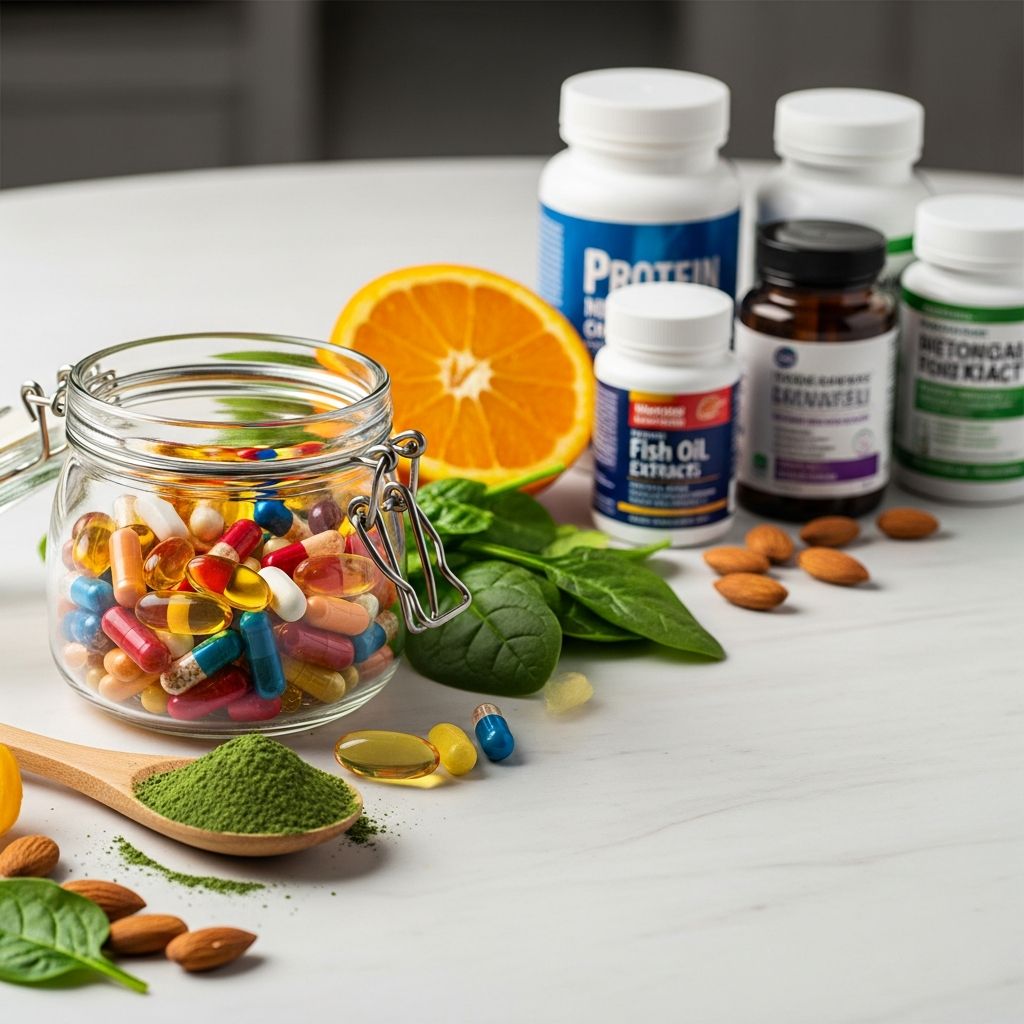
Dietary supplements are products designed to add nutritional value to your diet, encompassing vitamins, minerals, herbs, amino acids, and more. While they can support health when used appropriately, understanding their benefits, risks, and regulations is crucial for safe consumption.
What Are Dietary Supplements?
Dietary supplements include a wide array of products intended to supplement the diet. They contain vitamins, minerals, herbs or other botanicals, amino acids, enzymes, or other substances. These come in forms like tablets, capsules, gummies, powders, drinks, and energy bars. Popular examples are vitamin D, B12, calcium, iron, echinacea, garlic, glucosamine, probiotics, and fish oils.
Unlike drugs, supplements are not meant to treat, diagnose, prevent, or cure diseases. They aim to provide nutrients that may be lacking in one’s diet, but they cannot replace a balanced eating routine emphasized by the Dietary Guidelines for Americans and MyPlate.
The Supplement Facts Label
Every dietary supplement features a Supplement Facts label detailing active ingredients, amount per serving, and other components like fillers or flavorings. Manufacturers recommend serving sizes, but healthcare providers may adjust based on individual needs.
Labels may include health-related claims, such as supporting heart health or immune function, but must note: “This statement has not been evaluated by the Food and Drug Administration. This product is not intended to diagnose, treat, cure, or prevent any disease.”
Do Dietary Supplements Work?
Some supplements effectively improve health or manage conditions. For instance:
- Calcium and vitamin D maintain bone strength and reduce bone loss.
- Folic acid lowers risks of certain birth defects.
- Omega-3 fatty acids from fish oils may benefit heart disease patients.
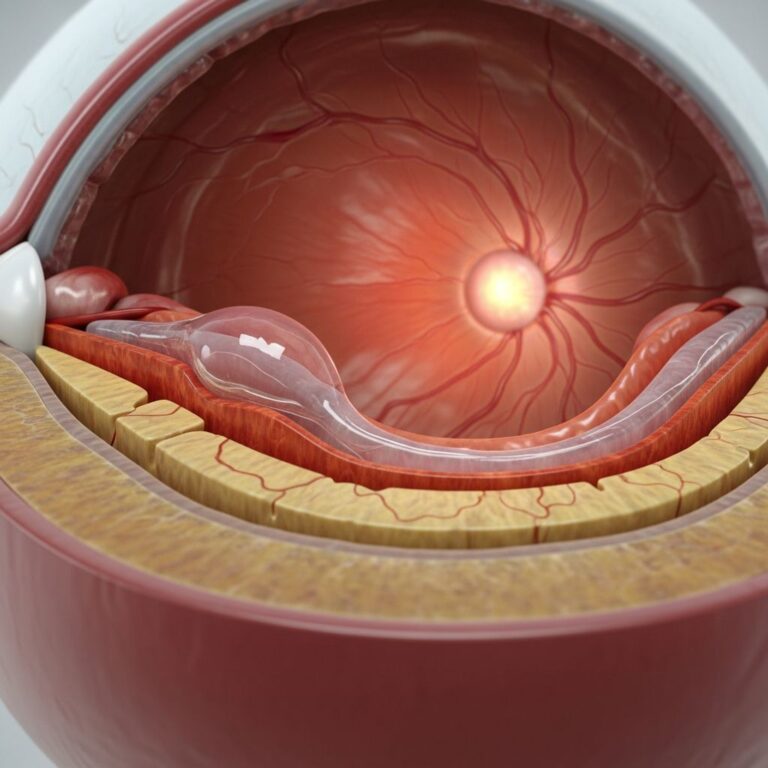
- AREDS formula (vitamins C and E, zinc, copper, lutein, zeaxanthin) slows vision loss in age-related macular degeneration.
However, evidence varies. Supplements best fill nutrient gaps from poor diets but do not substitute varied foods. Excessive intake from fortified foods like cereals can lead to overconsumption.
Safety Concerns and Risks
Supplements pose risks, especially with high doses or interactions. Examples include:
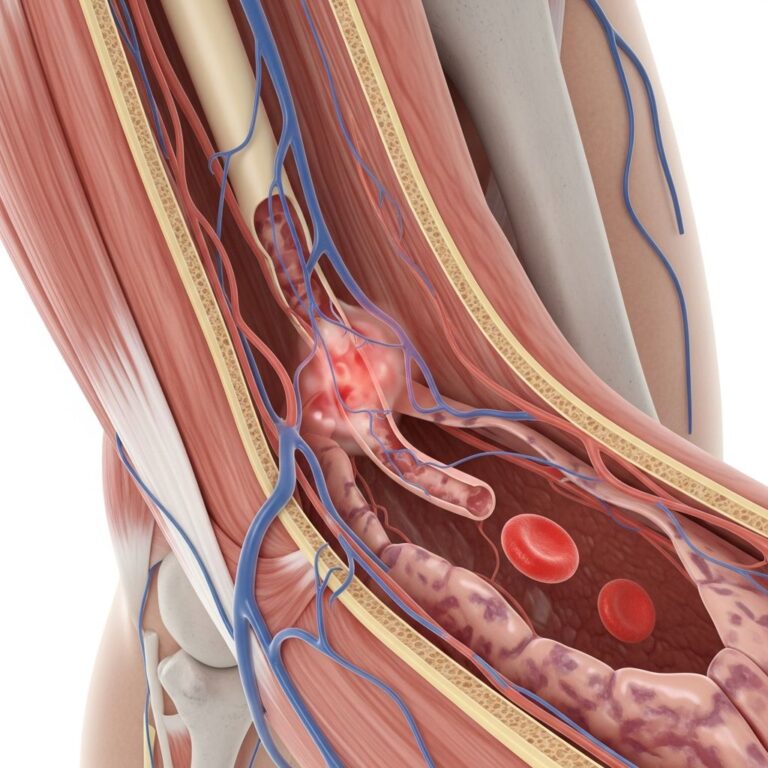
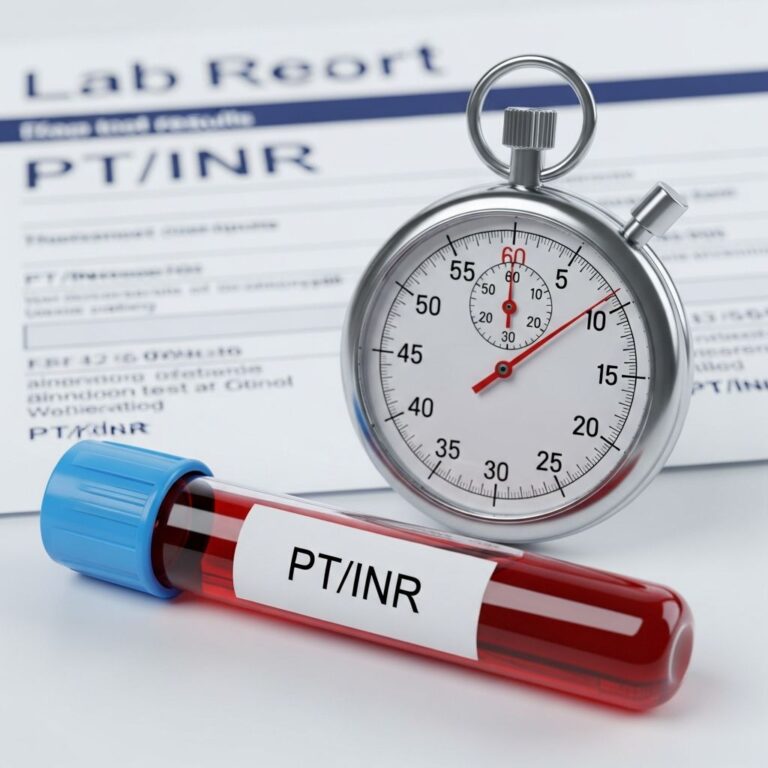
- Vitamin K interferes with warfarin’s blood-thinning effects.
- St. John’s wort accelerates breakdown of antidepressants, birth control, heart drugs, anti-HIV meds, and transplant drugs.
- Antioxidants like vitamins C and E may reduce cancer chemotherapy efficacy.
Overdosing risks: Excess vitamin A causes headaches, liver damage, bone weakening, birth defects; too much iron leads to nausea, organ damage. Pregnant or nursing individuals should avoid non-prenatal supplements.
Federal Regulation of Dietary Supplements
The FDA regulates supplements differently from drugs. Drugs require pre-market approval; supplements do not, unless containing new dietary ingredients post-1994. Manufacturers ensure safety and truthful labels, with FDA oversight post-market.
Claims are limited to structure/function (e.g., “supports immune health”), not disease treatment. Violations prompt warnings or recalls, listed on FDA sites.
Talk With Your Health Care Provider
Consult providers before starting supplements. They assess benefits, risks, doses, and durations. Track usage with tools like NIH’s My Dietary Supplement and Medicine Record. Key questions:
- What benefits for me?
- Any safety risks?
- Proper dose, timing, duration?
Choosing a Supplement
Related Stories



Select wisely:
- Check for USP-verified mark for quality.
- Avoid unproven claims.
- Prefer third-party tested products.
- Consider diet first.
Common Dietary Supplements Table
| Supplement | Potential Benefit | Source Example |
|---|---|---|
| Vitamin D | Bone health | NIH ODS |
| Omega-3s | Heart support | Fish oils |
| Folic Acid | Birth defect prevention | Prenatal |
| Probiotics | Gut health | Yogurt-like |
Frequently Asked Questions (FAQs)
Are dietary supplements regulated like drugs?
No, supplements do not require FDA pre-approval but must be safe and properly labeled by manufacturers.
Can supplements replace a healthy diet?
No, they complement but cannot substitute varied, nutritious foods.
Who should avoid certain supplements?
Pregnant/nursing women beyond prenatals; those on medications due to interactions.
How do I know if a supplement is effective?
Consult providers and reliable sources like NIH, FDA; look for evidence-based benefits.
What if I take too much?
Excess can cause harm; e.g., vitamin A toxicity affects liver, bones.
Additional Resources
Trusted sources:
- NIH Office of Dietary Supplements: Factsheets.
- FDA: Labeling, recalls.
- MedlinePlus, PubMed for research.
In summary, dietary supplements offer value but require caution. Prioritize diet, consult experts, and use reputable products for safety.
References
- Dietary Supplements: What You Need to Know – Consumer — National Institutes of Health, Office of Dietary Supplements. 2023-10-10. https://ods.od.nih.gov/factsheets/WYNTK-Consumer/
- Dietary Supplement Labeling Guide — U.S. Food and Drug Administration. 2024-05-15. https://www.fda.gov/food/dietary-supplements-guidance-documents-regulatory-information/dietary-supplement-labeling-guide
- Omega-3 Fatty Acids Fact Sheet — NIH Office of Dietary Supplements. 2024-08-01. https://ods.od.nih.gov/factsheets/Omega3FattyAcids-Consumer/
- Vitamin D Fact Sheet for Health Professionals — NIH ODS. 2024-11-12. https://ods.od.nih.gov/factsheets/VitaminD-HealthProfessional/
- Folic Acid Fact Sheet — NIH ODS. 2023-07-20. https://ods.od.nih.gov/factsheets/Folate-Consumer/
Similar Articles








Read full bio of medha deb