Dietitian-Approved Ready-to-Eat Breakfast Foods
Discover 12 dietitian-vetted, grab-and-go breakfast options packed with protein, fiber, and nutrients for busy mornings without the hassle.
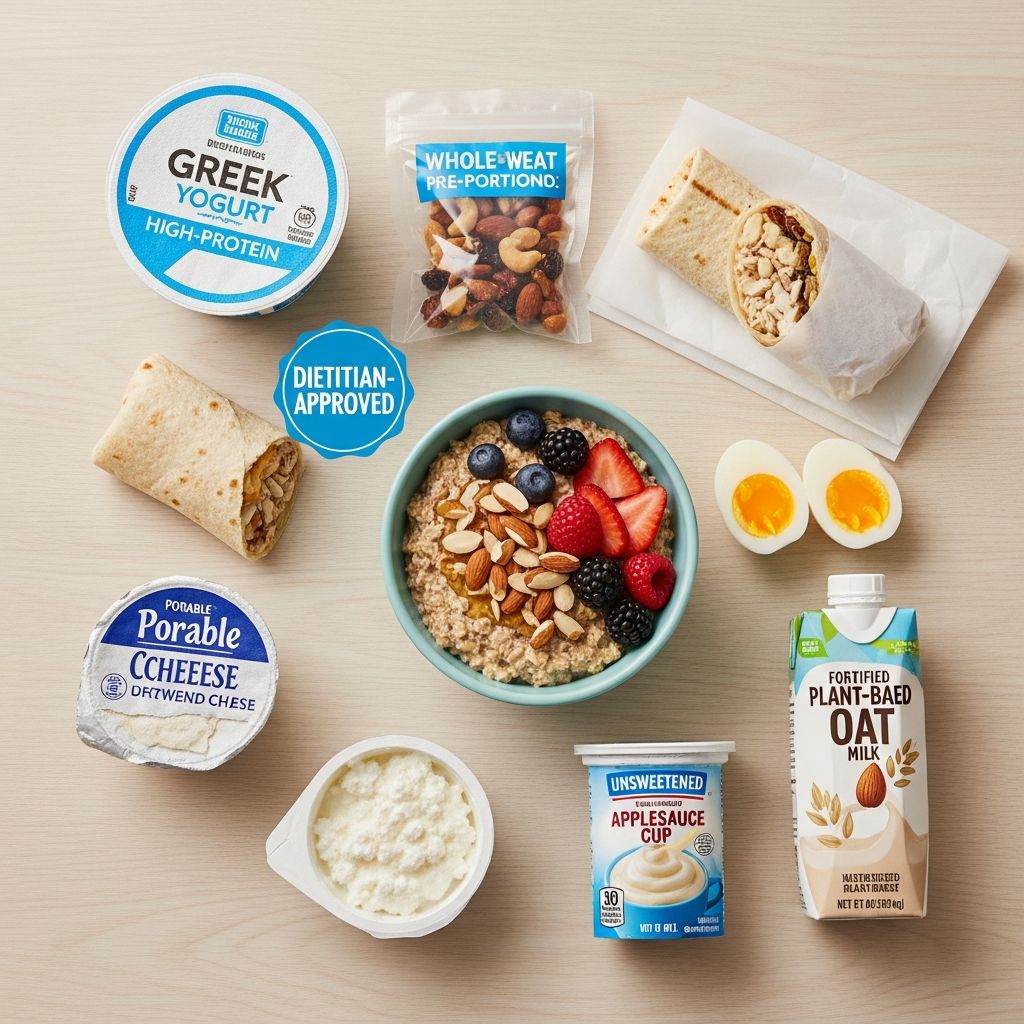
Starting your day with a nutritious breakfast sets the tone for healthy eating, sustained energy, and better focus. But for busy schedules, preparing a meal from scratch isn’t always feasible. Ready-to-eat breakfast foods offer a convenient solution, provided they meet nutritional standards. Dietitians recommend options high in protein (at least 10-15 grams per serving), fiber (3-5 grams or more), and low in added sugars (under 10 grams). These nutrients promote fullness, stabilize blood sugar, and prevent mid-morning crashes.
Research from the Heart and Stroke Foundation emphasizes quick, balanced breakfasts like yogurt with fruit or eggs with whole grains for optimal health. Similarly, studies suggest 30 grams of protein at breakfast reduces cravings and supports weight management. This guide features 12 dietitian-approved ready-to-eat picks, categorized by type, with nutritional breakdowns, pros, cons, and tips. Whether you’re rushing to work or fueling kids for school, these options deliver without compromising quality.
What Makes a Ready-to-Eat Breakfast ‘Dietitian-Approved’?
Dietitians prioritize whole-food-based products with minimal processing. Key criteria include:
- Balanced Macros: 20-30 grams carbs, 10-20 grams protein, 5-10 grams healthy fats.
- Fiber Focus: From oats, fruits, nuts, or seeds to aid digestion and satiety.
- Low Sugar: Naturally occurring sugars from fruit preferred over added sweeteners.
- No Artificial Additives: Clean labels without preservatives or excessive sodium.
- Portion Control: Single-serve packs for convenience and calorie awareness.
According to Colorado State University Extension, high-protein breakfasts curb snack cravings by enhancing satiety hormones like peptide YY. The USDA categorizes protein sources into seafood, meat, poultry, eggs, beans, nuts, seeds, and soy for variety. Store-bought options like these align with these guidelines, making them ideal for on-the-go lifestyles.
12 Dietitian-Approved Ready-to-Eat Breakfast Foods
These selections are drawn from expert recommendations and nutritional analyses, focusing on accessibility at major grocers. Each provides at least 15 grams of protein and fits a 300-500 calorie range for a complete breakfast.
1. Greek Yogurt Cups (e.g., Chobani or Fage 0% Plain)
Plain Greek yogurt is a powerhouse, strained to double the protein of regular yogurt. A 5.3-oz cup offers 15-20g protein, 0g added sugar, and probiotics for gut health. Pair with a piece of fruit for fiber.
- Nutrition (per serving): 100 calories, 18g protein, 6g carbs, 0g fat, 4g sugar.
- Pros: Thick texture, versatile for toppings; supports muscle repair per USDA poultry/eggs category.
- Cons: Tart flavor may need fruit; watch flavored varieties (10g+ added sugar).
- Tip: Choose nonfat for lowest calories; add chia seeds for omega-3s.
2. High-Protein Overnight Oats (e.g., Oats Overnight or MUSH)
Pre-made cups with oats, milk, and protein (15-20g). Varieties like green apple cinnamon provide fiber from oats and fruit. Ready in seconds, no prep needed.
- Nutrition: 250 calories, 16g protein, 35g carbs (8g fiber), 5g fat.
- Pros: Heart and Stroke-approved make-ahead style; sustained energy.
- Cons: Higher carbs; refrigerate after opening.
- Tip: Opt for low-sugar flavors; microwave 30 seconds if cold.
3. Egg Bites (e.g., Nellie’s Free Range Sous Vide Egg Bites)
Sous-vide cooked eggs with veggies or cheese; 14-18g protein. A clean, keto-friendly option mimicking homemade.
- Nutrition: 200 calories, 17g protein, 4g carbs, 14g fat.
- Pros: High satiety from eggs; free-range for ethics.
- Cons: Higher fat; sodium ~400mg.
- Tip: Pair with fruit for balance, as in Heart and Stroke ideas.
Related Stories



4. Protein Shakes or Smoothies (e.g., Fuel For Fire Portable Smoothies)
Ready-to-drink with 15-20g protein from milk/yogurt, fruits, and veggies. Portable and hydrating.
- Nutrition: 180 calories, 16g protein, 20g carbs (5g fiber), 4g fat.
- Pros: Wholesome Nutrition favorite for on-the-go.
- Cons: Some added sugars; shake well.
- Tip: Peanut butter banana variant for creaminess.
5. Cottage Cheese Cups (e.g., Good Culture or Daisy 4%)
Low-fat cups with 19g protein; pair with fruit/nuts for a bowl. Creamy and filling.
- Nutrition: 120 calories, 19g protein, 6g carbs, 4g fat.
- Pros: Casein protein for slow release; low-carb.
- Cons: Texture not for everyone.
- Tip: Cinnamon apple topping as in CSU recipes.
6. Turkey or Chicken Sausage Links (Microwavable)
Lean poultry protein (12-15g); pair with fruit. Low-fat alternative to pork.
- Nutrition: 100 calories, 14g protein, 2g carbs, 5g fat.
- Pros: Quick microwave; USDA poultry pick.
- Cons: Sodium high (~500mg).
- Tip: With whole-grain crackers.
7. Nut Butter Packs with Apple Slices (e.g., Justin’s Almond Butter)
Single-serve nut butter (7g protein) with fresh apple for fiber. Plant-based power.
- Nutrition: 200 calories (combo), 8g protein, 25g carbs (5g fiber), 16g fat.
- Pros: Heart-healthy fats; no refrigeration.
- Cons: Calorie-dense.
- Tip: Kind bar alternative.
8. Breakfast Bars (e.g., RXBAR or KIND Protein Bars)
Whole-ingredient bars with 12-20g protein from nuts/eggs. Minimal sugar.
- Nutrition: 210 calories, 12g protein, 24g carbs (5g fiber), 9g fat.
- Pros: Shelf-stable; grab-and-run.
- Cons: Processed feel.
- Tip: With yogurt for boost.
9. Hard-Boiled Eggs Packs (e.g., Eggland’s Best)
Pre-peeled duo (12g protein); simple and cheap.
- Nutrition: 140 calories, 12g protein, 1g carbs, 10g fat.
- Pros: Versatile; choline for brain health.
- Cons: Needs pairing for carbs.
- Tip: Mini bagel combo.
10. Chia Seed Pudding Cups
Prepped with milk (10-15g protein); omega-3 rich.
- Nutrition: 220 calories, 12g protein, 20g carbs (8g fiber), 12g fat.
- Pros: Plant-based; pudding texture.
- Cons: Gel-like if not stirred.
- Tip: Berry topping.
11. Smoked Salmon Packs
Seafood protein (20g); omega-3s for heart. On crackers.
- Nutrition: 100 calories, 20g protein, 0g carbs, 5g fat.
- Pros: Anti-inflammatory.
- Cons: Sodium; fishy taste.
- Tip: Avocado toast.
12. Protein Pancake Cups (e.g., Kodiak Cake Cups)
Microwave in 60 seconds (14g protein); add water/milk.
- Nutrition: 230 calories, 14g protein, 30g carbs (5g fiber), 6g fat.
- Pros: Cake-like; kid-friendly.
- Cons: Needs microwave.
- Tip: Berries on top.
Comparison Table: Top Picks at a Glance
| Food | Protein (g) | Fiber (g) | Calories | Best For |
|---|---|---|---|---|
| Greek Yogurt | 18 | 0 | 100 | Versatility |
| Overnight Oats | 16 | 8 | 250 | Sustained Energy |
| Egg Bites | 17 | 1 | 200 | Keto |
| Cottage Cheese | 19 | 0 | 120 | High Protein |
| Protein Shake | 16 | 5 | 180 | Portability |
How to Build a Balanced Ready-to-Eat Breakfast
Combine categories for 30g protein goal: Yogurt + nuts (25g), egg + bar (25g). Heart and Stroke suggests carbs + protein + fruit. Avoid solo cereal; check labels for whole grains, 4g+ fiber, <6g sugar.
Storage and Safety Tips
Refrigerate perishables; check dates. Shelf-stable like bars last months. USDA advises cooking eggs to 160°F.
Frequently Asked Questions (FAQs)
Q: What’s the best high-protein ready breakfast for weight loss?
A: Cottage cheese or egg bites; 19g+ protein, low calories keep you full.
Q: Are store-bought smoothies healthy?
A: Yes, if <10g sugar and real fruit; Fuel For Fire is top-rated.
Q: Can kids eat these?
A: Absolutely; Kodiak cups or yogurt parfaits are fun and nutritious.
Q: How much protein for breakfast?
A: Aim 30g to cut cravings, per research.
Q: Vegan options?
A: Chia pudding, nut butter packs, soy-based shakes.
References
- 20 Fast and Healthy Breakfasts — Heart and Stroke Foundation. 2023-01-01. https://www.heartandstroke.ca/articles/20-fast-and-healthy-breakfasts
- Ask the Dietitian: Easy On The Go Breakfast Ideas — Wholesome Nutrition Co. 2024-09-15. https://wholesomenutritionco.com/ask-the-dietitian-easy-on-the-go-breakfast-ideas/
- 17 Dietitian Approved High-Protein Breakfast Ideas — Colorado State University Engagement. 2024-05-20. https://engagement.source.colostate.edu/want-to-stop-craving-snacks-and-sweets-a-high-protein-breakfast-could-help/
- Healthiest Store-Bought Breakfasts for Meals on the Go — Men’s Journal. 2024-11-10. https://www.mensjournal.com/food/healthiest-store-bought-breakfasts-for-meals-on-the-go
Similar Articles








Read full bio of Sneha Tete