Bacon Expert Tips From Dietitians For Healthier Eating
Expert advice on enjoying bacon smarter: from healthier picks to perfect cooking methods and tasty recipe ideas.
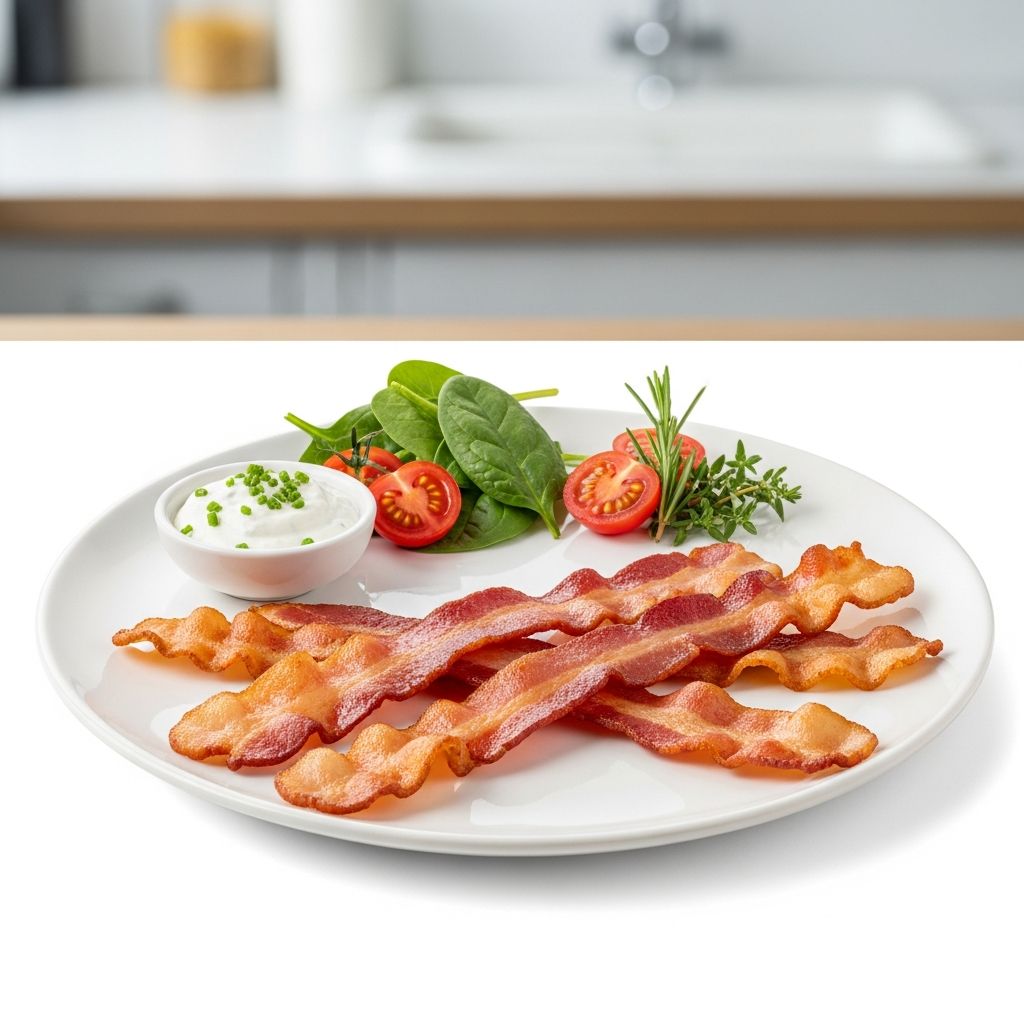
Bacon is a beloved staple in many kitchens, prized for its crispy texture and smoky flavor. However, its high sodium, saturated fat, and processed nature raise health concerns. Registered dietitians emphasize moderation while sharing practical ways to enjoy it smarter. This guide covers selecting healthier varieties, foolproof cooking methods, safe storage, and creative recipes to keep bacon in your diet without derailing nutrition goals.
How to Choose the Healthiest Bacon
Navigating the bacon aisle starts with reading labels. Opt for products with minimal additives, lower sodium, and higher-quality ingredients to reduce health risks associated with nitrates and excessive salt.
- Check sodium levels: Standard bacon packs about 120 mg of sodium per slice, but low-sodium versions offer just 70 mg, making them kidney-friendly and better for blood pressure control.
- Prefer uncured or nitrate-free: These use natural preservatives like celery powder instead of synthetic nitrates, potentially lowering cancer risk linked to processed meats.
- Go for center-cut or thick-cut: These have less fat marbling, yielding fewer calories per slice—around 30-50 calories versus 60+ in regular cuts.
- Select pasture-raised or organic: Pigs raised without antibiotics and on better feed produce bacon with improved fatty acid profiles, including more omega-3s.
- Avoid sugar-cured varieties: Added sugars contribute empty calories and promote inflammation.
Portion control is key: limit to 2-3 slices per serving, pairing with vegetables or whole grains for balance. According to dietitians, no bacon is truly ‘healthy’ due to its processed status, but mindful choices mitigate risks.
Best Ways to Cook Bacon
Cooking method impacts crispiness, fat content, and convenience. Dietitians recommend hands-off techniques to minimize added oils and splatter.
| Method | Pros | Cons | Tips |
|---|---|---|---|
| Pan-Frying | Classic flavor, customizable crisp | Messy splatter, constant attention | Use a cast-iron skillet on medium heat; drain on paper towels. |
| Oven-Baking | Flat strips, even cooking, no splatter | Takes 15-20 min | 425°F on a foil-lined sheet; flip halfway for uniformity. |
| Microwaving | Fastest (2 min), minimal cleanup | Less crispy, uneven results | Paper towel-lined plate, cover loosely. |
| Air Frying | Crispy with less fat | Requires appliance | 400°F for 8-10 min, no oil needed. |
Oven-baking is the dietitian favorite for large batches—bake at 425°F for 15 minutes until desired crispness, achieving flat, grease-free results without standing over a stove. Drain excess fat to cut calories by up to 50%.
How to Store Bacon Properly
Proper storage extends shelf life and maintains quality. Unopened packages last 2 weeks in the fridge; opened, use within 7 days.
- Fridge: Keep at 40°F or below in original packaging or resealable bag to prevent drying.
- Freezer: Wrap tightly in plastic and foil; freezes up to 1 month. Thaw overnight in fridge.
- Cooked bacon: Cool, crumble, and store in airtight container for 4-5 days refrigerated or 1 month frozen.
- Pro tip: Freeze slices individually on a sheet, then bag for grab-and-go portions.
Avoid room temperature storage to prevent bacterial growth like Clostridium botulinum in processed meats.
Low-Sodium Bacon Alternatives
For those watching sodium—such as kidney patients—low-sodium bacon slashes intake by over 40% per slice (70 mg vs. 120 mg). Brands like Applegate or Hormel Naturals offer tasty options without sacrificing flavor. Alternatives include turkey bacon (lower fat, ~50 mg sodium) or plant-based versions mimicking texture with coconut oil and pea protein, ideal for vegetarian diets.
Nutrition Facts: Bacon Breakdown
One slice (8g) regular pork bacon: 43 calories, 3g fat (1g saturated), 192mg sodium, 3g protein, 0g carbs. Center-cut reduces to 30 calories, 2g fat. High protein supports satiety, but sodium and heme iron raise heart disease and colorectal cancer risks per WHO guidelines.
Related Stories



Creative Ways to Use Bacon in Healthy Recipes
Incorporate bacon sparingly for flavor boosts in balanced meals. Dietitians suggest veggie-heavy dishes to offset richness.
Bacon-Wrapped Asparagus
Serves 4; 15 min prep.
- 12 asparagus spears, trimmed
- 6 slices center-cut bacon, halved
- 1 tsp olive oil, pepper
Preheat oven 425°F. Wrap asparagus in bacon halves; place on lined sheet. Drizzle oil, season. Bake 12-15 min until crispy. 120 cal/serving, high in fiber and vitamins.
Quinoa Bacon Salad
Mix cooked quinoa, chopped kale, cherry tomatoes, 2 slices crumbled cooked bacon, lemon vinaigrette. Adds smoky umami to grains and greens; 250 cal, balanced macros.
Bacon Brussels Sprouts
Sauté halved sprouts in bacon fat (1 tsp from 2 slices), add balsamic glaze. Roasts at 400°F for 20 min. Antioxidants from sprouts counter bacon’s fats.
Breakfast Bacon Egg Cups
Line muffin tins with bacon strips, crack egg in center, bake 375°F 15 min. Protein-packed (20g/serving), portable.
Bacon BLT with Avocado
Upgrade with whole-grain bread, extra veggies, avocado for healthy fats. Limits bacon to 3 slices.
These recipes use 1-2 slices per serving, emphasizing whole foods. Experiment with herbs like rosemary to enhance flavor sans extra salt.
Frequently Asked Questions (FAQs)
What is the healthiest way to eat bacon?
Choose low-sodium, center-cut varieties; bake in oven; limit to 2 slices with veggies and fiber-rich sides.
Is turkey bacon healthier than pork?
Often lower in fat and calories, but check sodium—some match pork levels. Best for reduced saturated fat.
Can I eat bacon every day?
Not recommended; WHO classifies processed meat as Group 1 carcinogen. Weekly indulgence in moderation is fine.
How do I make bacon less greasy?
Oven-bake on rack over sheet to drip fat; pat dry post-cook.
Does cooking bacon reduce sodium?
No, sodium remains water-soluble but mostly retained; drain fat for calorie cut only.
Final Thoughts from Dietitians
Bacon’s appeal lies in its savoriness, but health hinges on choices and portions. By selecting quality products, using efficient cooking, and pairing thoughtfully, you can savor it guilt-free occasionally. Consult a dietitian for personalized advice, especially with conditions like hypertension.
References
- Nutrition Tips: Bacon — Northwest Kidney Centers. 2014-07. https://www.nwkidney.org/wp-content/uploads/2014/07/Nutrition-Tips-Bacon-.pdf
- Is There Such a Thing as Healthy Bacon? — Hartford Hospital. 2023-10-12. https://hartfordhospital.org/about-hh/news-center/news-detail?articleid=52721
- IARC Monographs Evaluate Consumption of Red Meat and Processed Meat — World Health Organization. 2015-10-26. https://www.who.int/news-room/questions-and-answers/item/cancer-carcinogenicity-of-the-consumption-of-red-meat-and-processed-meat
- Sodium in Your Diet — FDA. 2024-01-29. https://www.fda.gov/food/nutrition-education-resources-materials/sodium-your-diet
- Dietary Guidelines for Americans, 2020-2025 — USDA. 2020-12. https://www.dietaryguidelines.gov/sites/default/files/2020-12/Dietary_Guidelines_for_Americans_2020-2025.pdf
Similar Articles








Read full bio of Sneha Tete