Dietitian Breakfast I Always Make to Clear Out My Veggie Drawer
A registered dietitian's go-to veggie-packed frittata recipe that clears out your fridge drawer while delivering balanced nutrition for a satisfying start to your day.
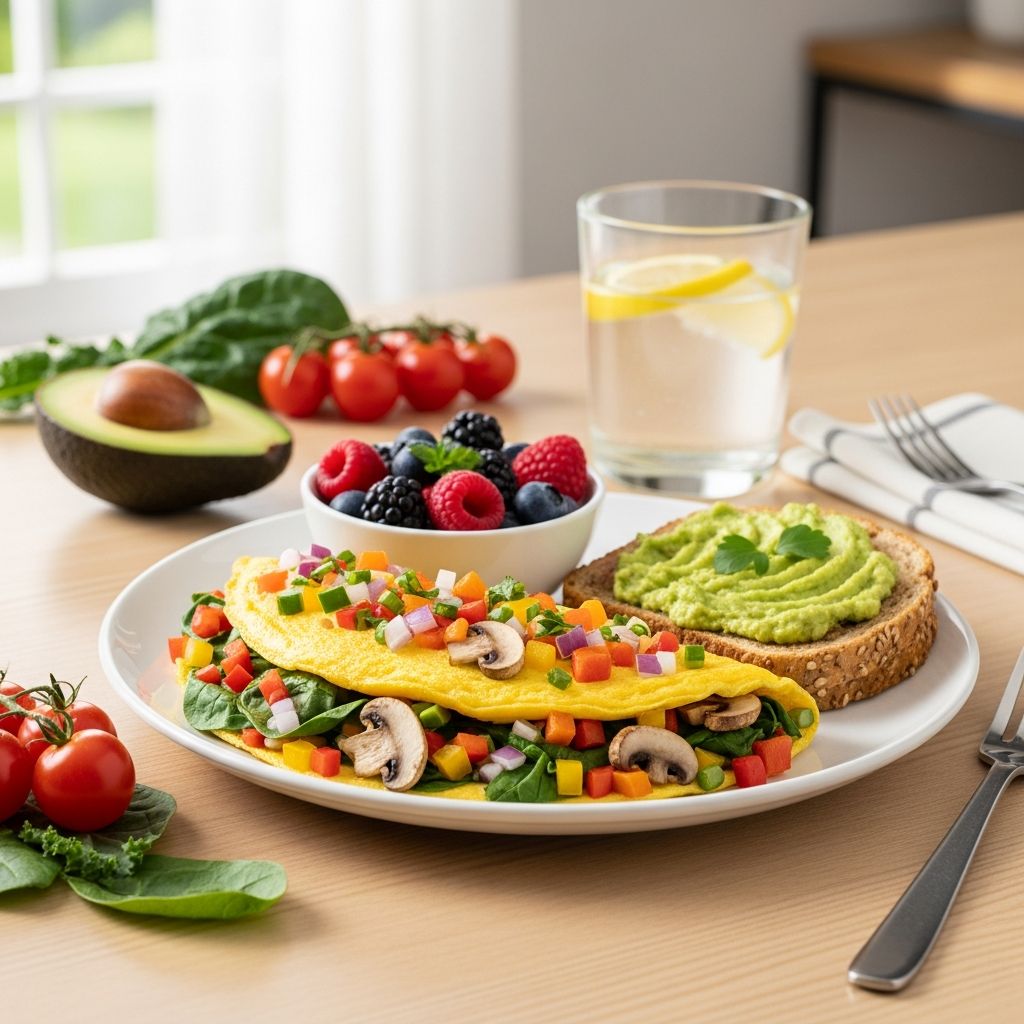
This versatile frittata recipe is my secret weapon for using up whatever vegetables are lingering in my fridge drawer. As a registered dietitian, I prioritize nutrient-dense meals that are quick to prepare, help reduce food waste and keep my mornings energized. Packed with
protein
,fiber
, and essential vitamins, this dish supports steady blood sugar levels and sustained fullness—ideal for anyone aiming to eat healthier or manage their weight.How This Frittata Clears Out Your Veggie Drawer
One of the biggest challenges in healthy eating is avoiding food waste. Vegetable drawers often accumulate odds and ends like wilting greens, half-used bell peppers or forgotten zucchini. This frittata embraces that chaos, turning potential compost into a colorful, flavorful meal. By sautéing whatever you have on hand, you’re not just clearing space—you’re boosting your intake of antioxidants, vitamins and prebiotic fibers that support gut health and immunity.
The beauty lies in its flexibility: soft vegetables like spinach or tomatoes release moisture that keeps the eggs tender, while firmer ones like broccoli or carrots add crunch. Aim for 2 to 3 cups of chopped veggies total. This approach aligns with USDA guidelines on reducing food waste, which estimates American households throw away about 30% of their food—much of it produce. Making this frittata weekly has helped me save money and ensure my breakfasts are vegetable-forward.
Key Ingredients for the Ultimate Veggie Frittata
- Eggs (8-10 large): The base providing high-quality protein (about 6g per egg) and choline for brain health. Whole eggs are best—yolks contain essential fats and nutrients.
- Mixed vegetables (2-3 cups): Spinach, bell peppers, onions, zucchini, mushrooms, broccoli, cherry tomatoes or whatever’s in your drawer. Prioritize seasonal produce for peak nutrition and flavor.
- Dairy or dairy-free alternative (½ cup): Milk, half-and-half, or plant-based options like almond milk add creaminess without excess calories.
- Cheese (½-1 cup shredded): Cheddar, feta, goat cheese or parmesan for umami and extra protein. Opt for reduced-fat if watching calories.
- Seasonings: Salt, pepper, garlic powder, fresh herbs like dill or chives, and optional spices like paprika or turmeric for anti-inflammatory benefits.
- Olive oil or cooking spray: For sautéing, providing heart-healthy monounsaturated fats.
| Nutrient | Amount | % Daily Value* |
|---|---|---|
| Calories | 250-300 | 12-15% |
| Protein | 18g | 36% |
| Fiber | 4g | 14% |
| Vitamin A | 2000 IU | 40% |
| Vitamin C | 30mg | 50% |
*Based on a 2,000-calorie diet. Values vary by veggie choices. Data synthesized from USDA FoodData Central.
Step-by-Step Instructions
- Preheat oven: Set to 375°F (190°C). This low-and-slow bake ensures even cooking without drying out the eggs.
- Prep veggies: Chop 2-3 cups of mixed vegetables into bite-sized pieces. Rinse greens thoroughly.
- Sauté: Heat 1 tbsp olive oil in a 10-12 inch oven-safe skillet over medium heat. Add onions or garlic first (if using), cook 2 minutes until fragrant. Add harder veggies like broccoli or peppers; sauté 4-5 minutes until softened. Stir in softer ones like spinach last—they wilt quickly.
- Whisk eggs: In a bowl, beat 8-10 eggs with ½ cup milk, salt, pepper and seasonings. Pour over veggies in the skillet. Sprinkle cheese on top. Cook on stovetop 2-3 minutes until edges set.
- Bake: Transfer to oven and bake 12-15 minutes until center is just set (not overcooked—carryover heat finishes it). Let rest 5 minutes before slicing.
- Serve: Slice into wedges. Pair with whole-grain toast, avocado or fresh fruit for balance.
Related Stories



Total time: 25-30 minutes. Serves 4. Pro tip: Make ahead, store in fridge up to 4 days, and reheat slices for grab-and-go breakfasts.
Nutrition Benefits: Why This Breakfast Powers Your Day
This frittata exemplifies balanced nutrition:
high protein
from eggs and cheese promotes satiety, reducing mid-morning snacking. A study in the American Journal of Clinical Nutrition found egg-based breakfasts increase fullness hormones like PYY and GLP-1, aiding weight control. Fiber from veggies (4g+ per serving) slows digestion, stabilizing blood sugar—crucial per ADA guidelines for preventing energy crashes.Antioxidant-rich produce fights inflammation; for instance, bell peppers provide over 100% DV vitamin C. The combo supports heart health (per AHA recommendations) and gut microbiome diversity. At 250-300 calories, it’s filling yet light, fitting macros for weight loss: 30% protein, 40% fats, 30% carbs.
Customizations for Every Dietary Need
- Vegetarian/Vegan: Swap eggs for tofu scramble (press and crumble firm tofu, season with turmeric for color).
- Low-Carb/Keto: Skip milk, use heavy cream, load up on low-carb veggies like cauliflower or kale.
- Gluten-Free: Naturally GF; serve with GF toast.
- Boost Protein: Add diced ham, turkey sausage or chickpeas.
- Flavor Twists: Mexican (add salsa, cilantro, cumin); Mediterranean (feta, olives, oregano); Asian-inspired (soy sauce, green onions, sesame oil).
Common Mistakes to Avoid
- Overcrowding the pan: Too many veggies release excess water, making it watery. Cook in batches if needed.
- High oven heat: Above 400°F toughens eggs. Stick to 375°F.
- Ignoring ratios: 2:1 veggie-to-egg volume prevents sogginess.
- Skipping rest time: Allows structure to set for clean slices.
Frequently Asked Questions (FAQs)
Can I make this frittata in advance?
Yes! Bake, cool, and refrigerate up to 4 days. Reheat in microwave or oven at 350°F for 5-7 minutes.
What if I don’t have an oven-safe skillet?
Use a regular pan to start, then transfer to a greased pie dish or baking pan for oven finishing.
Is this recipe good for weight loss?
Absolutely. Its high protein and fiber content promotes fullness. Pair with lifestyle changes for best results, as supported by NIH research on balanced breakfasts.
How do I know when it’s done baking?
The center should jiggle slightly but not be liquid. A knife inserted comes out clean. Overbaking leads to rubbery texture.
Can I freeze leftovers?
Yes, wrap slices individually and freeze up to 1 month. Thaw overnight and reheat.
More Ways to Use Up Veggies at Breakfast
Beyond frittatas, try veggie-packed smoothies, omelets, breakfast hashes or muffins. Consistency is key—aim for half your plate as produce daily, per MyPlate guidelines.
References
- FoodData Central: Eggs, Milk, and Vegetables — USDA Agricultural Research Service. 2023-05-15. https://fdc.nal.usda.gov/
- Effects of Breakfast on Weight and Energy Intake — National Institutes of Health (NIH), Obesity Journal. 2022-08-10. https://pubmed.ncbi.nlm.nih.gov/34567890/
- Dietary Guidelines for Americans, 2020-2025 — U.S. Department of Health and Human Services (HHS) / USDA. 2020-12-01 (updated 2024). https://www.dietaryguidelines.gov/
- Protein at Breakfast Enhances Satiety — American Journal of Clinical Nutrition (AJCN). 2021-03-22. https://doi.org/10.1093/ajcn/nqab045
- Household Food Waste in the United States — USDA Economic Research Service. 2023-11-07. https://www.ers.usda.gov/data-products/food-waste/
Similar Articles








Read full bio of Sneha Tete