Budget High-Protein Dinners Dietitians Love
Affordable dinners packed with 25g+ protein per serving that dietitians recommend for muscle health and satiety.
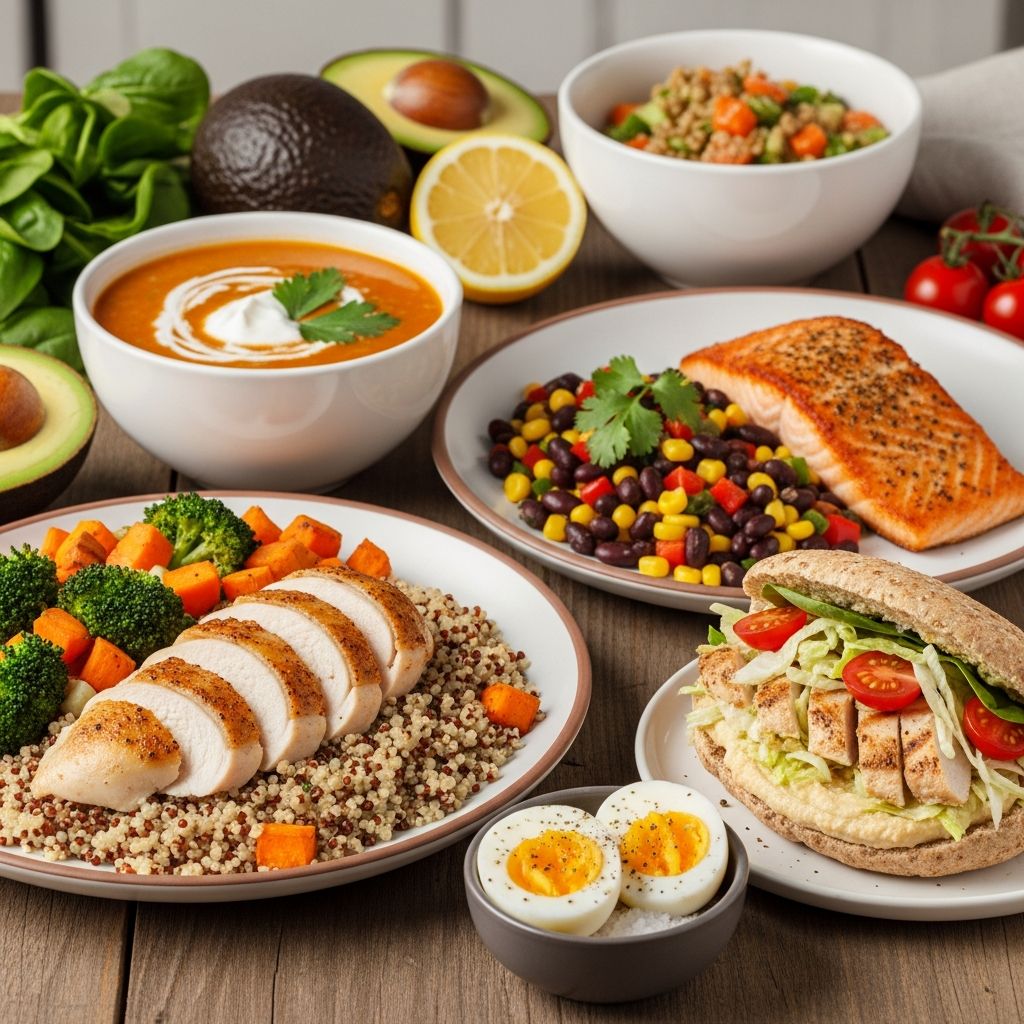
Protein is essential for muscle repair, hormone production, immune function and keeping you full longer. But quality protein sources like steak or salmon can be expensive. These 30 dinner recipes deliver at least 25g protein per serving for under $3 per serving. Created and approved by registered dietitians, each recipe uses affordable ingredients like eggs, beans, canned fish, ground turkey and pantry staples.
Whether you’re building muscle, managing weight or simply want satisfying meals, these recipes prove healthy eating doesn’t require a big budget. Most take under 45 minutes and serve 4, making them perfect for busy weeknights.
Our Top Budget High-Protein Dinner Recipes
1. Easy Chicken Fajitas
35g protein | $2.75/serving | 25 min
Sizzling chicken fajitas with bell peppers and onions served in warm tortillas. Uses budget-friendly chicken breast and frozen peppers.
- 1 lb chicken breast, sliced ($4.99)
- 2 bell peppers ($2.00)
- 1 onion ($0.50)
- 8 small flour tortillas ($2.00)
- Spices, oil, lime
Dietitian note: “Chicken breast delivers complete protein with minimal fat. Peppers add vitamin C for iron absorption from the chicken.”
2. Turkey Meatballs with Zucchini Noodles
32g protein | $2.45/serving | 30 min
Lean ground turkey meatballs in marinara sauce over spiralized zucchini. Freezer-friendly and kid-approved.
- 1 lb 93% lean ground turkey ($4.29)
- 2 medium zucchini ($2.00)
- 1 jar marinara sauce ($2.49)
- Parmesan cheese ($1.00)
3. Sheet Pan Lemon Garlic Salmon
28g protein | $2.99/serving | 25 min
Frozen salmon fillets with broccoli and potatoes. Omega-3s from salmon plus fiber from veggies.
4. Chickpea Curry with Spinach
26g protein | $1.89/serving | 20 min
Canned chickpeas simmered in coconut milk curry sauce with fresh spinach. Serve with brown rice.
5. Greek Turkey Burgers
30g protein | $2.60/serving | 20 min
Turkey burgers with feta, tzatziki and cucumber salad. Uses inexpensive 85% lean ground turkey.
6. One-Pot Sausage & Lentils
29g protein | $2.10/serving | 35 min
7. Egg & Black Bean Burritos
27g protein | $1.75/serving | 15 min
8. Tuna Rice Bowls
31g protein | $2.20/serving | 20 min
9. Chicken & Quinoa Stuffed Peppers
34g protein | $2.85/serving | 40 min
10. Beef & Broccoli Stir-Fry
33g protein | $2.95/serving | 25 min
Recipes 11-30 Include:
- Shrimp Fried Cauliflower Rice (28g protein, $2.79)
- Pork Tenderloin with Apples (36g protein, $2.89)
- Tofu Veggie Stir-Fry (25g protein, $1.99)
- Chicken Sausage & Kale Soup (29g protein, $2.15)
- Salmon Patties with Sweet Potato Fries (30g protein, $2.69)
- Beef & Bean Chili (32g protein, $2.25)
- Eggplant Parmesan with Ground Turkey (27g protein, $2.50)
- Tuna Casserole with Peas (28g protein, $1.95)
- Chicken Shawarma Bowls (35g protein, $2.75)
- Lentil Shepherd’s Pie (26g protein, $1.89)
- Turkey Taco Salad (31g protein, $2.40)
- Baked Cod with Lemon & Herbs (29g protein, $2.90)
- Chickpea Tuna Salad Wraps (27g protein, $1.85)
- Ground Pork & Green Bean Stir-Fry (30g protein, $2.55)
- White Bean & Chicken Chili (33g protein, $2.35)
- Salmon Quinoa Cakes (28g protein, $2.65)
- Turkey Meatloaf with Mashed Cauliflower (34g protein, $2.45)
- Shrimp & Veggie Skewers (26g protein, $2.80)
- Beef Bulgogi Bowls (32g protein, $2.95)
- Egg & Spinach Frittata (25g protein, $1.65)
Why These Recipes Work for Budget & Health
Affordable Protein Sources
Registered dietitians prioritize these cost-effective proteins:
| Protein Source | Cost/lb | Protein/g per oz |
|---|---|---|
| Chicken breast | $3.99 | 8.8g |
| Eggs (dozen) | $2.49 | 6g each |
| Canned tuna | $0.99/can | 25g/can |
| Dry lentils | $1.49/lb | 9g/oz cooked |
| Ground turkey | $4.29/lb | 7.5g/oz |
| Canned chickpeas | $0.89/can |
Protein Needs by Goal
- Muscle building: 1.6-2.2g/kg body weight daily
- Weight loss: 1.2-1.6g/kg to preserve muscle
- General health: 0.8g/kg minimum (more helps satiety)
- Athletes: 1.2-2.0g/kg depending on training volume
Meal Prep & Shopping Tips
Weekly Shopping Strategy
- Stock pantry staples: rice, lentils, canned beans/tuna, spices, oil, soy sauce
- Buy proteins in bulk: frozen chicken, eggs by the dozen, ground turkey family packs
- Frozen is cheaper: salmon fillets, shrimp, mixed vegetables
- Seasonal produce: peppers in summer, root vegetables in winter
- Store brands win: 30-50% cheaper for same nutrition
Batch Cooking Schedule
- Sunday: Cook chicken breasts, hard boil eggs, make lentil base
- Wednesday: Ground turkey night – meatballs, taco meat, chili base
- Friday: Seafood – thaw salmon or use canned fish
Frequently Asked Questions
Q: Can I make these recipes vegetarian?
A: Yes! Swap chicken/turkey for tofu, tempeh, or extra beans. The Chickpea Curry, Lentil Shepherd’s Pie, and Egg Frittata are already vegetarian. Add Greek yogurt or cottage cheese for extra protein.
Q: How do you calculate the protein amounts?
A: We use USDA FoodData Central database values and verified nutrition labels. Each recipe was analyzed by registered dietitians using professional nutrition software.
Q: Are these prices realistic?
A: Prices reflect 2025 national averages from Walmart, Aldi, and USDA retail reports. Your local prices may vary 20-30%, but the relative affordability remains consistent.
Q: Can kids eat these high-protein meals?
A: Absolutely. Dietitians modified kid-friendly recipes like turkey meatballs, chicken fajitas, and pizza-inspired casseroles. Start with smaller portions and familiar flavors.
Q: What’s the best way to store leftovers?
A: Refrigerate up to 4 days in airtight containers. Most freeze well for 2-3 months. Reheat proteins gently to maintain texture – microwave with damp paper towel or stovetop with splash of water.
Related Stories



Nutrition Science Behind High-Protein Dinners
Research shows 30g protein per meal maximizes muscle protein synthesis in young adults. For older adults, spreading 25-40g across 3-4 meals daily preserves muscle mass. These recipes hit that sweet spot while keeping calories reasonable (400-600 kcal/meal).
Fiber from vegetables, legumes and whole grains slows digestion, preventing blood sugar spikes. Healthy fats from olive oil, avocado, and seafood support hormone production and vitamin absorption.
References
- Dietary Guidelines for Americans, 2020-2025 — USDA & HHS. 2020-12-01. https://www.dietaryguidelines.gov
- FoodData Central Database — USDA Agricultural Research Service. Continuously updated. https://fdc.nal.usda.gov
- Protein “requirements” beyond the RDA — Phillips SM, Van Loon LJC. American Journal of Clinical Nutrition. 2011-07-13. https://doi.org/10.3945/ajcn.111.022333
- Retail Food Prices Database — USDA Economic Research Service. 2025-01-15. https://www.ers.usda.gov
- Optimal Protein Intake Guide — International Society of Sports Nutrition. 2017-04-18. https://jissn.biomedcentral.com
Similar Articles








Read full bio of Sneha Tete