Dietitian: Don’t Always Eat Whole-Wheat Pasta
A registered dietitian explains why refined pasta has its place in a balanced diet alongside whole-wheat options for better nutrition and enjoyment.
While
whole-wheat pasta
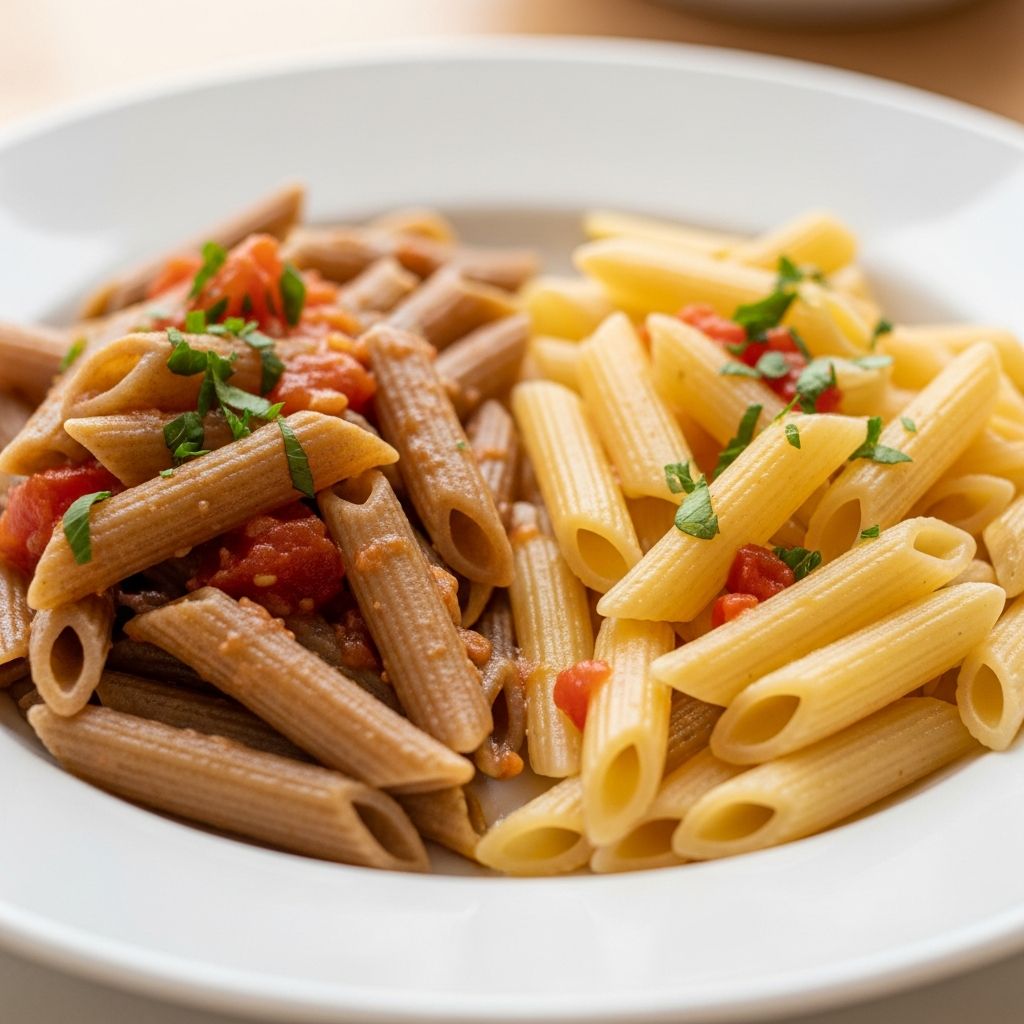
is often touted as the superior choice for health, registered dietitian Toby Amidor advises against making it your only option. Refined pasta can play a valuable role in a balanced diet, offering versatility, better texture in certain dishes, and nutritional benefits when paired thoughtfully with other foods.This approach allows for greater enjoyment of pasta without sacrificing health goals, as both types provide carbs for energy while differing in fiber, nutrients, and glycemic impact.
Why Whole-Wheat Pasta Isn’t Always the Best Choice
Whole-wheat pasta retains the bran, germ, and endosperm of the wheat kernel, making it a whole grain rich in fiber, B vitamins, protein, and minerals compared to refined pasta, which loses 50-85% of these during processing. By U.S. law, products labeled “whole wheat” must contain all three parts in original proportions.
However, this nutrient density comes with trade-offs. Whole-wheat pasta has a
chewier texture and nuttier flavor
, which some find less appealing, potentially leading to reduced consumption of pasta altogether. It also has a higher glycemic index in some forms due to pulverized flour, diminishing intact whole-grain benefits like those from oats or brown rice.Refined pasta, often enriched with iron and B vitamins, is smoother and more versatile for sauces, encouraging vegetable-heavy meals that boost overall nutrition. Studies show mixed results on blood sugar response, with some finding no significant difference between refined and whole-grain pasta. For weight management or diabetes, whole grains reduce risks—stroke by 30-36%, type 2 diabetes by 21-30%, heart disease by 25-28%—but refined pasta’s lower fiber can be offset by portion control and toppings.
Nutritional Comparison: Whole-Wheat vs. Refined Pasta
Understanding the differences helps in making informed choices. Here’s a breakdown per cup of cooked pasta:
| Nutrient | Whole-Wheat Spaghetti (1 cup cooked) | Refined Enriched Spaghetti (1 cup cooked) |
|---|---|---|
| Calories | ~174 | ~200 |
| Carbs | ~37g | ~43g |
| Fiber | ~6g | ~2.5g |
| Protein | ~7.5g | ~7g |
| Manganese | High (~76% DV) | Lower |
| Selenium | High | Moderate |
| Iron | ~8% DV | ~10% DV (enriched) |
| Niacin (B3) | ~5% DV | ~12% DV (enriched) |
Data adapted from USDA comparisons. Whole-wheat excels in fiber for fullness and gut health, while refined is lower in calories per volume but higher in added B vitamins. Fiber in whole-wheat promotes satiety, potentially aiding weight control, though pulverization reduces some benefits.
Health Benefits and Drawbacks of Each
- Whole-Wheat Pasta Benefits: Higher fiber supports digestion, steady blood sugar (low glycemic index due to pasta’s starch structure), and chronic disease prevention. The Whole Grains Council notes consistent links to better weight maintenance.
- Drawbacks: Tougher texture may deter picky eaters; higher phytic acid can inhibit mineral absorption if over-relied upon.
- Refined Pasta Benefits: Easier digestion for some, especially gluten-sensitive individuals (though not gluten-free); pairs well with veggies and proteins for balanced meals.
- Drawbacks: Lower fiber leads to quicker hunger; refined grains lack phytochemicals unless enriched.
Pasta’s extrusion process lowers its glycemic index overall, making even refined versions healthier than bread from the same wheat. For gluten issues, opt for alternatives like quinoa pasta.
Related Stories



When to Choose Refined Pasta Over Whole-Wheat
Opt for refined when texture matters, like in creamy sauces where whole-wheat’s chewiness overwhelms, or for kids transitioning to healthier eating. It’s ideal for moderation-focused diets, buried under vegetables, lean proteins, and herbs.
In weight loss, refined pasta’s higher calorie density per bite encourages smaller portions naturally. For athletes needing quick carbs, its faster digestion provides rapid energy without excess bulk.
Smart Ways to Transition to More Whole-Wheat Pasta
Abrupt switches fail; gradual changes succeed. Start with blends:
- Weeks 1-2: 75% refined + 25% whole-wheat.
- Weeks 3-4: 50/50 mix.
- Weeks 5-6: 25% refined + 75% whole-wheat.
- Week 7+: 100% whole-wheat.
Try brands like Barilla Whole Grain for subtle differences. Enhance appeal with veggie substitutions—halve pasta, add broccoli or zucchini. The American Diabetes Association recommends whole grains but emphasizes nutritious pairings.
Healthier Pasta Meal Ideas
Make any pasta nutritious:
- Primavera: Whole-wheat penne with seasonal veggies, grilled chicken, light pesto.
- Alfredo Light: Refined fettuccine, half portion swapped for steamed broccoli, turkey, reduced-fat sauce.
- Asian Stir-Fry: Whole-wheat spaghetti, tofu, bell peppers, low-sodium soy.
- Cold Salad: Mixed pasta, chickpeas, feta, tomatoes, vinaigrette.
Portion: 1-1.5 cups cooked. Average American eats 20 lbs pasta yearly—choose wisely.
Who Should Avoid Whole-Wheat Pasta?
- Those with wheat allergies or celiac disease (choose gluten-free whole grains like brown rice).
- Individuals with IBS, as high fiber may irritate.
- Picky eaters or families needing gradual adaptation.
Consult a dietitian for personalized advice.
Frequently Asked Questions (FAQs)
Is whole-wheat pasta always healthier than refined?
No, while richer in fiber and minerals, its texture and digestibility make refined better in some contexts. Pair either with veggies for balance.
Does refined pasta cause blood sugar spikes?
Less than expected due to pasta’s structure, but whole-wheat’s fiber helps more. Studies show mixed results.
How much pasta is healthy?
Moderation: 1 cup cooked as part of a veggie-protein meal. Whole grains aid weight control.
Can I make whole-wheat pasta tastier?
Yes, blend with refined initially, add bold sauces, and sub veggies.
Is enriched refined pasta nutritious?
It regains B vitamins and iron, but lacks whole-grain fiber and phytochemicals.
Bottom Line: Balance Is Key
Don’t default to whole-wheat pasta exclusively. Rotate with refined for variety, enjoyment, and nutrition. Focus on whole meals with proteins, fats, and produce. This flexible strategy supports long-term healthy eating.
References
- Why Whole Wheat Pasta is Better For You (And How to Get Your Kids to Eat It) — Eating Richly. Accessed 2026. https://eatingrichly.com/why-whole-wheat-pasta-is-better-for-you-and-how-to-get-your-kids-to-eat-it/
- Is Pasta Healthy or Unhealthy? — Healthline. 2017-10-16 (updated). https://www.healthline.com/nutrition/is-pasta-healthy
- Dietary Guidelines for Americans, 2020-2025 — USDA (.gov). 2020. https://www.dietaryguidelines.gov/sites/default/files/2020-12/Dietary_Guidelines_for_Americans_2020-2025.pdf
- Whole Grains Council: Health Benefits — Oldways Whole Grains Council (.org). Accessed 2026. https://wholegrainscouncil.org/whole-grains-101/whole-grains-health
- Nutrition Data for Pasta — USDA FoodData Central (.gov). Accessed 2026. https://fdc.nal.usda.gov/
Similar Articles








Read full bio of medha deb