Dietitian’s Favorite Canned Food Recipes for Quick Meals
Discover quick, nutritious recipes using canned foods that save time and money.
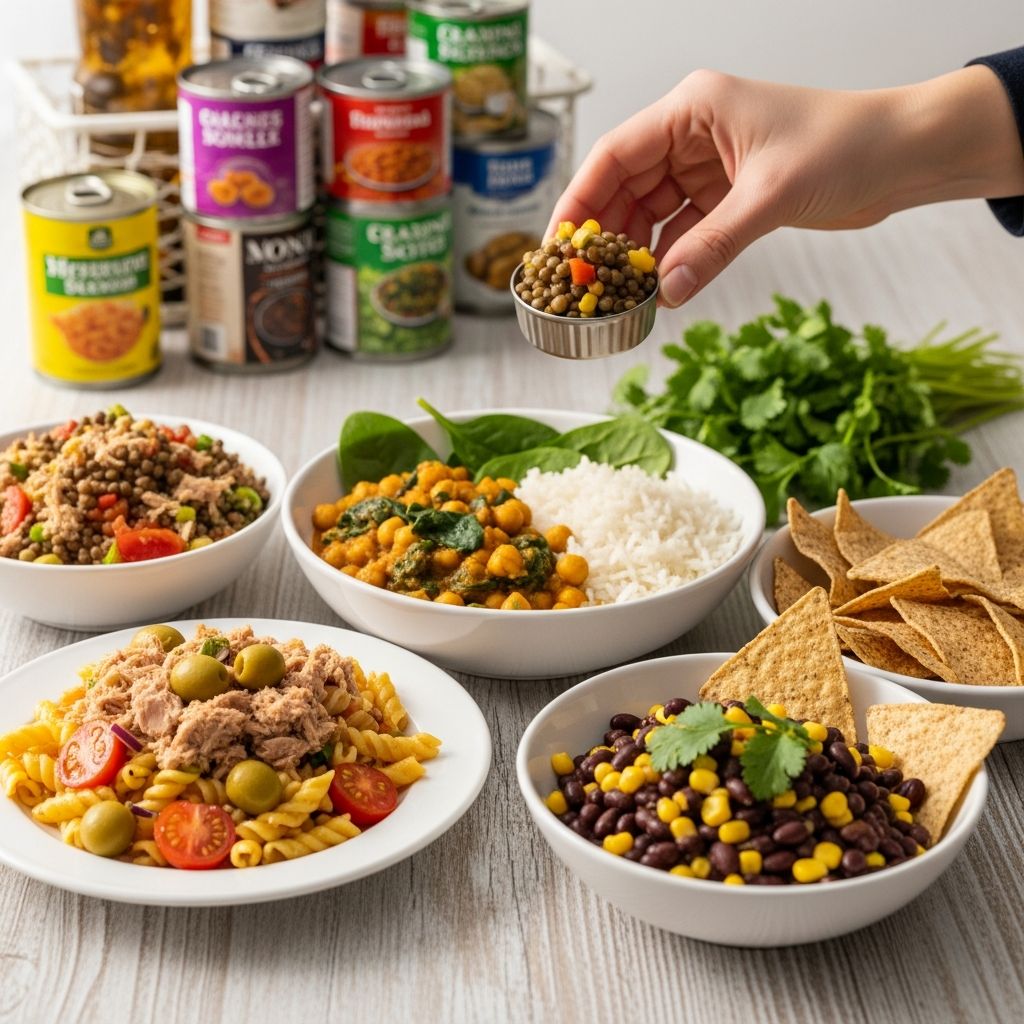
Canned foods often get a bad reputation, but the truth is that they can be incredibly nutritious, convenient, and budget-friendly when incorporated into your meal planning strategy. As a registered dietitian, I’ve spent years helping clients understand that canned ingredients are not shortcuts to poor nutrition—they’re practical tools that can help you eat well, even on your busiest days. This comprehensive guide explores my favorite ways to use canned foods to create satisfying, wholesome meals that your entire family will enjoy.
Why Canned Foods Deserve a Place in Your Pantry
Many people dismiss canned foods as inferior to fresh produce, but this misconception overlooks several important nutritional and practical benefits. Canned vegetables, fruits, beans, and fish are processed at peak ripeness, which means they often retain their nutritional value exceptionally well. In fact, research shows that canned produce can be just as nutritious as fresh varieties, and sometimes even more so.
Key Benefits of Using Canned Foods
- Year-round availability: Access seasonal ingredients any time of year without waiting for harvest seasons
- Extended shelf life: Keep pantry staples on hand for emergency meals and quick dinners
- Cost-effective: Canned foods are typically less expensive than fresh alternatives
- Time-saving: Pre-cooked beans and vegetables eliminate prep time from your cooking routine
- Nutritional value: Packed at peak ripeness with nutrients locked in through the canning process
- Reduced food waste: Use what you need and store the rest without spoilage concerns
- Convenient for meal prep: Perfect for batch cooking and planning ahead
Smart Shopping Tips for Canned Foods
Not all canned products are created equal. To maximize nutrition while using canned foods, follow these shopping guidelines:
What to Look For
- Choose canned vegetables and fruits with no added sugar or salt when available
- Opt for low-sodium versions of canned soups and broths
- Select canned beans with minimal added ingredients
- Look for products packed in water rather than heavy syrups
- Check ingredient labels for artificial additives and preservatives
- Compare nutrition labels across brands to find the healthiest options
- Buy varieties packed without BPA linings when possible
Versatile Canned Protein Recipes
Canned proteins like beans, chickpeas, tuna, salmon, and chicken breast are nutritional powerhouses that can be transformed into countless delicious dishes. These ingredients provide essential amino acids and are naturally shelf-stable, making them ideal for busy cooks.
Quick Canned Tuna Salad Bowl
This no-cook recipe takes just five minutes to prepare and offers a complete meal with protein, healthy fats, and fiber. Drain a can of chunk light tuna in water and combine with diced celery, red onion, and cherry tomatoes. Dress with olive oil, lemon juice, and a pinch of sea salt. Serve over mixed greens or with whole grain crackers. The beauty of this recipe is its flexibility—add avocado for creaminess, incorporate fresh herbs like dill or parsley, or swap in different vegetables based on what you have available.
One-Pot Canned Bean Chili
This vegetarian chili comes together in under 30 minutes with minimal cleanup. In a large pot, sauté diced onion and garlic in olive oil, then add one can each of kidney beans, black beans, and diced tomatoes along with chili powder, cumin, and paprika. Simmer for 20 minutes, season to taste, and serve topped with Greek yogurt and cilantro. This recipe freezes beautifully, making it perfect for meal prep. You can batch-cook several pots and portion into individual containers for convenient lunches throughout the week.
Related Stories



Canned Salmon Patties
Canned salmon is an economical way to incorporate omega-3 fatty acids into your diet. Drain two cans of salmon and mix with breadcrumbs, egg, diced onion, and fresh herbs. Form into patties and pan-fry until golden. Serve with a lemon-herb yogurt sauce for a restaurant-quality meal prepared at home. These patties are excellent for meal prep, as they store well in the refrigerator and can be reheated quickly throughout the week.
Vegetable-Based Canned Food Dishes
Canned vegetables are convenient building blocks for nutritious side dishes and main courses. While fresh vegetables should be your primary choice when available, canned options are invaluable for adding nutrition to quick weeknight meals.
Creamy Canned Corn Soup
This comforting soup uses two cans of corn, low-sodium broth, and a splash of cream for a satisfying side dish. Sauté onion and garlic, add the corn with its liquid, then blend partially to create a chunky yet creamy texture. Season with thyme and black pepper. This recipe demonstrates how canned vegetables can be elevated into restaurant-quality dishes with minimal effort.
Canned Green Bean Casserole—The Healthy Version
The classic green bean casserole doesn’t need to be loaded with cream of mushroom soup. Create a healthier version by combining two cans of low-sodium green beans with sautéed mushrooms, a light cream sauce made from Greek yogurt and broth, and whole grain breadcrumbs. This version maintains all the comfort-food appeal while significantly reducing sodium and adding protein.
Quick Canned Tomato Pasta
Keep canned diced tomatoes on hand for quick pasta dinners. Heat one can of tomatoes with garlic, onion, and Italian herbs while pasta cooks. Finish with fresh basil and a sprinkle of Parmesan cheese. This simple dish illustrates how canned products can create authentic, flavorful meals without extensive preparation.
Complete Meal Ideas Using Canned Ingredients
These recipes combine multiple canned ingredients into satisfying, balanced meals:
Canned Chickpea Buddha Bowl
- One can chickpeas, roasted with olive oil and spices
- One can diced tomatoes, mixed with cucumber
- Canned artichoke hearts, halved
- Canned beets, diced
- Served over quinoa or brown rice with tahini dressing
Sheet Pan Canned Bean and Vegetable Dinner
- One can black beans, drained and rinsed
- One can corn, drained
- One can diced red peppers
- Tossed with olive oil, lime juice, and spices
- Roasted at 400°F for 20 minutes and served with brown rice
Smart Strategies for Using Canned Foods in Meal Planning
Incorporating canned foods into your regular meal planning requires intentional choices and strategic ingredient pairing. These strategies help you maximize nutrition while enjoying the convenience these products offer:
Build a Strategic Pantry
Stock your pantry with a variety of canned beans, vegetables, fruits, and proteins. This foundation allows you to create meals on short notice without needing to shop. Include multiple types of beans (black, kidney, chickpea), various vegetables (tomatoes, corn, green beans), and quality proteins (tuna, salmon, chicken). With these staples, you can create dozens of different meals.
Combine Canned with Fresh
Don’t rely exclusively on canned products. Pair canned ingredients with fresh vegetables, herbs, and lean proteins for optimal nutrition and flavor. For example, combine canned beans with fresh spinach and garlic, or canned tomatoes with fresh basil and mozzarella. This approach balances convenience with nutritional completeness.
Watch Sodium Intake
Many canned foods contain added sodium for preservation. Always rinse canned beans and vegetables under running water to reduce sodium content by up to 40%. Choose low-sodium versions when available, and use fresh herbs and spices instead of salt for flavoring. This practice is especially important if you have hypertension or follow a sodium-restricted diet.
Batch Cook for the Week
Prepare multiple servings of canned-ingredient recipes on weekends and portion into individual containers. Canned vegetable soups, bean chilis, and protein-based casseroles freeze exceptionally well and provide convenient meals throughout the week. This approach reduces weeknight stress while ensuring you always have a healthy option available.
Nutrition Considerations for Canned Foods
While canned foods offer significant advantages, understanding their nutritional profile helps you make informed choices. The canning process preserves nutrients effectively, but added sodium and sugar can be concerns in some products.
Nutritional Advantages
- Canned legumes provide excellent plant-based protein and fiber
- Canned fish offers omega-3 fatty acids and vitamin D
- Canned vegetables retain minerals and most vitamins
- No artificial preservatives needed beyond salt in most quality products
Things to Monitor
- Check sodium content and rinse when possible
- Avoid canned fruits packed in heavy syrups
- Read ingredient lists for added sugars
- Compare brands to find healthier options
Frequently Asked Questions
Q: Are canned vegetables less nutritious than fresh vegetables?
A: No, canned vegetables are processed at peak ripeness and often retain nutrients as well as or better than fresh produce. Studies show canned vegetables contain similar levels of vitamins, minerals, and beneficial compounds as fresh varieties. The main difference is texture and sometimes sodium content, which can be managed by rinsing.
Q: How can I reduce sodium in canned foods?
A: Rinsing canned beans and vegetables under running water for one minute can reduce sodium content by up to 40%. Additionally, choose low-sodium or no-salt-added versions when available. Using fresh herbs and spices instead of salt for flavoring also helps manage overall sodium intake.
Q: Are canned beans as good as dried beans?
A: Yes, canned beans offer comparable nutritional value to dried beans with the major advantage of convenience. The canning process doesn’t significantly reduce protein, fiber, or mineral content. For those with busy schedules, canned beans make it easier to incorporate legumes into regular meals.
Q: What canned proteins should I keep stocked?
A: Essential canned proteins include chunk light tuna, salmon, sardines, and chicken breast. These offer variety in omega-3 content and can be used in diverse recipes from salads to casseroles. Building a varied protein pantry ensures you never run out of quick meal options.
Q: How long can I store opened canned food?
A: After opening, transfer canned foods to airtight containers and refrigerate. Most canned goods last three to four days once opened, though acidic foods like tomatoes should be used within two days. For safety and quality, avoid storing food directly in opened cans.
Q: Can I freeze meals made with canned ingredients?
A: Absolutely. Most canned-ingredient recipes freeze well for up to three months. Bean-based soups, chilis, and casseroles are excellent candidates for freezing. Allow hot dishes to cool completely before freezing, and use airtight containers to prevent freezer burn.
Conclusion
Canned foods are valuable tools in a healthy, practical kitchen. They bridge the gap between convenience and nutrition, allowing you to prepare wholesome meals even during your busiest weeks. By selecting quality products, incorporating fresh ingredients, and using smart preparation techniques, you can create satisfying meals that nourish your body and fit your lifestyle. Start building your canned-food pantry today and discover how these versatile ingredients can transform your weeknight cooking experience.
References
- Nutritional Quality of Canned versus Fresh Produce — Academy of Nutrition and Dietetics. 2024. https://www.eatrightpro.org
- Canned Foods and Sodium Content: A Health Perspective — U.S. Food and Drug Administration. 2024. https://www.fda.gov/food
- Plant-Based Proteins: Legumes and Health Benefits — American Heart Association. 2024. https://www.heart.org/nutrition
- Omega-3 Fatty Acids in Canned Fish Products — National Institutes of Health. 2023. https://nih.gov
- Food Storage and Safety Guidelines — U.S. Department of Agriculture Food Safety and Inspection Service. 2024. https://www.fsis.usda.gov
Similar Articles








Read full bio of Sneha Tete