Dietitian-Favorite High-Protein Casserole Recipes
Discover nutritious, protein-packed casserole recipes loved by dietitians.
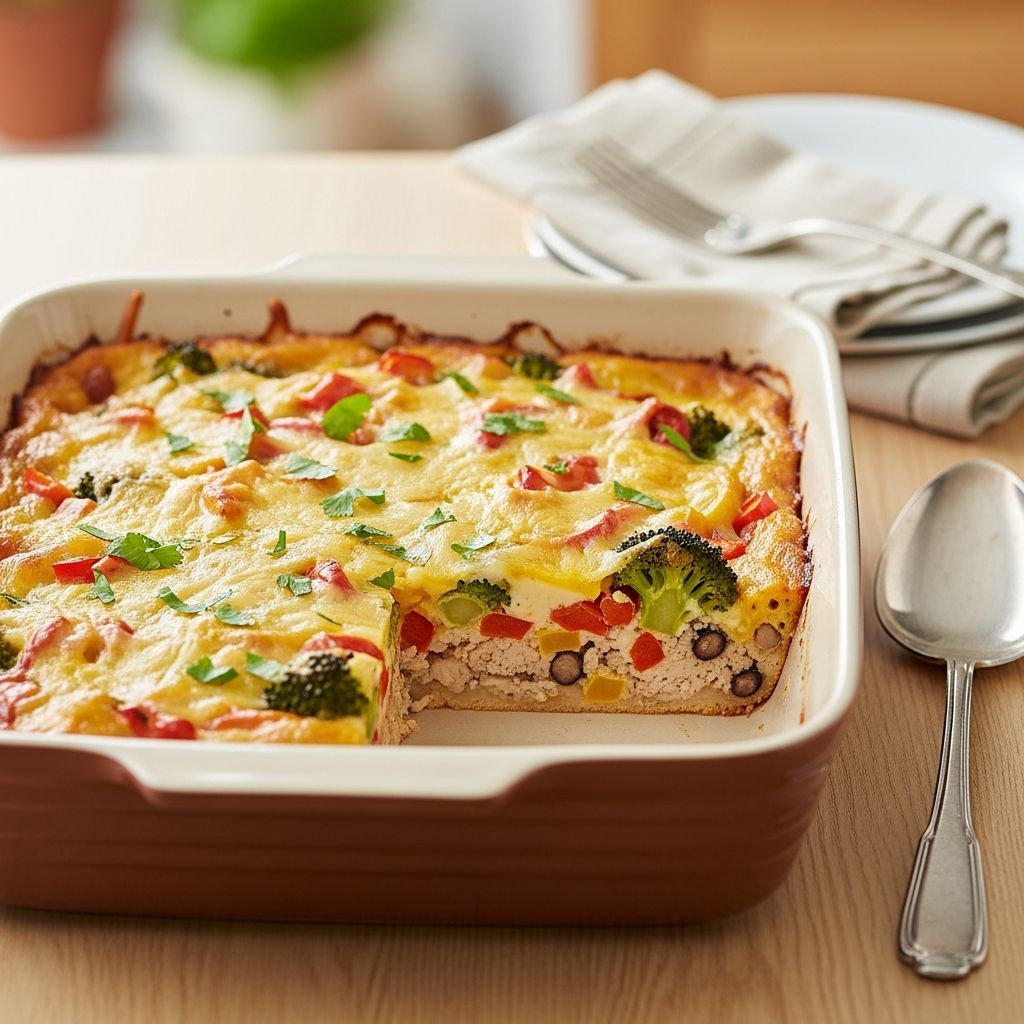
Casseroles have long been a cornerstone of comfort food, but they don’t have to be heavy or lacking in nutritional value. When you incorporate high-protein ingredients, casseroles transform into satisfying, nutrient-dense meals that support your health goals while keeping your family happy. Dietitian-approved casserole recipes combine wholesome ingredients with adequate protein content to create dishes that are both delicious and beneficial for your body’s needs.
Why Choose High-Protein Casseroles?
High-protein casseroles offer numerous advantages for anyone looking to improve their nutrition. Protein is essential for building and repairing muscles, maintaining healthy skin, and supporting immune function. When you choose protein-rich casseroles, you’re creating meals that keep you feeling fuller longer, potentially reducing overall calorie intake while maintaining satiety. These dishes are particularly beneficial for individuals who engage in regular exercise, older adults looking to maintain muscle mass, and anyone seeking sustainable weight management solutions.
Beyond the nutritional benefits, high-protein casseroles are incredibly practical. They can be prepared ahead of time, stored in the refrigerator or freezer, and reheated for quick weeknight dinners. This makes them ideal for busy families who want to maintain healthy eating habits without spending hours in the kitchen.
Essential Ingredients for High-Protein Casseroles
Creating protein-packed casseroles begins with understanding which ingredients contribute the most protein while keeping the dish flavorful and appealing.
Protein Sources
- Lean Meats: Ground turkey, ground chicken, and lean beef provide substantial protein while keeping fat content manageable. These meats are versatile and pair well with various vegetables and sauces.
- Poultry: Shredded or diced chicken breast is an excellent protein source that works in creamy casseroles, Mexican-inspired dishes, and Mediterranean preparations.
- Fish and Seafood: Salmon and cod offer protein plus beneficial omega-3 fatty acids, making them excellent choices for pescatarian-friendly casseroles.
- Eggs: Beyond being a complete protein, eggs bind ingredients together and add richness to vegetable-based casseroles.
- Legumes: Black beans, kidney beans, and lentils provide plant-based protein and fiber, making them ideal for vegetarian variations.
- Greek Yogurt and Cottage Cheese: These dairy products add creaminess and protein without excessive calories, serving as healthier alternatives to traditional cream-based sauces.
Supporting Vegetables
Vegetables add volume, nutrients, and fiber to casseroles without significantly increasing calorie content. Broccoli, spinach, zucchini, bell peppers, and mushrooms are excellent choices that complement protein sources beautifully while contributing vitamins and minerals essential for optimal health.
Top High-Protein Casserole Recipes
1. Chicken and Broccoli Casserole
This classic combination remains a dietitian favorite because it delivers substantial protein from chicken while incorporating nutrient-dense broccoli. The casserole typically features shredded chicken breast combined with fresh broccoli florets, bound together with a creamy sauce made from Greek yogurt or a light cream sauce. Whole-grain breadcrumbs create a satisfying crust on top. One serving provides approximately 30 grams of protein, making it an excellent choice for muscle maintenance and repair. This dish is versatile enough for weeknight dinners yet impressive enough for casual entertaining.
2. Turkey and Black Bean Casserole
Ground turkey pairs wonderfully with black beans to create a Southwestern-inspired casserole that’s both protein-rich and fiber-packed. The combination of lean turkey meat and beans creates a complete protein profile containing all essential amino acids. Topped with modest amounts of cheese and served with salsa and Greek yogurt on the side, this casserole delivers around 25-28 grams of protein per serving while maintaining a manageable calorie count. The black beans contribute 15 grams of protein per cooked cup, making this an excellent vegetarian-friendly option when turkey is substituted with additional beans.
3. Salmon and Asparagus Casserole
For those seeking heart-healthy options, salmon casseroles offer exceptional nutritional profiles. Salmon provides high-quality protein alongside omega-3 fatty acids that support cardiovascular and cognitive health. Fresh asparagus adds a delicate flavor and valuable antioxidants. A light lemon-based sauce or dill cream sauce complements both ingredients perfectly. This elegant casserole typically contains 28-32 grams of protein per serving and can be prepared in under 30 minutes, making it perfect for special family dinners or meal prep sessions.
Related Stories



4. Vegetarian Lentil and Spinach Casserole
Plant-based eaters need not feel left out. Lentils are protein powerhouses, offering approximately 18 grams of protein per cooked cup along with substantial dietary fiber. Combined with iron-rich spinach, walnuts, and whole-grain breadcrumbs, this casserole creates a complete, satisfying meal. The earthiness of lentils pairs beautifully with herbs like thyme and rosemary. Each serving provides around 20-24 grams of protein, comparable to many meat-based options while offering additional fiber benefits for digestive health.
5. Greek-Style Chicken and Feta Casserole
This Mediterranean-inspired casserole combines diced chicken breast with traditional Greek ingredients including feta cheese, Kalamata olives, and sun-dried tomatoes. The flavors are robust and sophisticated, yet the preparation remains simple. Greek yogurt mixed with oregano and lemon juice creates a creamy sauce base. With approximately 28 grams of protein per serving, this casserole showcases how high-protein meals can be exciting and crave-worthy rather than bland or repetitive.
Nutritional Benefits at a Glance
| Casserole Type | Primary Protein Source | Protein per Serving | Additional Benefits |
|---|---|---|---|
| Chicken and Broccoli | Chicken Breast | 28-32g | High in B vitamins, supports muscle growth |
| Turkey and Black Bean | Turkey Meat + Beans | 25-28g | Rich in fiber, complete amino acids |
| Salmon and Asparagus | Salmon | 28-32g | Omega-3 fatty acids, heart-healthy |
| Lentil and Spinach | Lentils | 20-24g | Plant-based, high fiber, iron-rich |
| Greek Chicken and Feta | Chicken Breast + Feta | 28-31g | Mediterranean diet benefits, probiotics |
Preparation Tips for Success
Make-Ahead Strategies
High-protein casseroles are excellent candidates for advance preparation. You can assemble casseroles up to 24 hours before baking. This is particularly helpful for busy families or meal preppers. Simply cover the assembled casserole tightly with plastic wrap and refrigerate. When ready to bake, add 5-10 minutes to the cooking time since you’re starting with a cold dish. For longer storage, assemble the casserole in a freezer-safe container and freeze for up to three months. Thaw in the refrigerator overnight before baking for best results.
Cooking Techniques
- Precooking proteins: Browning ground meats before adding to casseroles eliminates excess fat and ensures even cooking throughout the dish.
- Blanching vegetables: Lightly cooking vegetables before assembly prevents excessive moisture and ensures they’re tender in the final dish.
- Sauce consistency: Your sauce should coat a spoon but be pourable when assembled. Too thick and the casserole will be dry; too thin and it becomes watery.
- Baking temperature: Most high-protein casseroles bake optimally at 350-375°F, allowing ingredients to cook through without browning too quickly on top.
- Tenting with foil: If your casserole is browning too quickly on top, loosely tent it with foil during the first portion of baking.
Customization for Dietary Preferences
One of the greatest advantages of casserole recipes is their flexibility. Vegetarians can substitute beans or lentils for meat without sacrificing protein content. Those following low-carb diets can replace rice or pasta bases with cauliflower rice or zucchini noodles. Gluten-free eaters can use certified gluten-free breadcrumbs and pasta. Dairy-free alternatives exist for most traditional ingredients, from plant-based yogurts to nutritional yeast that adds savory depth. By understanding the role each ingredient plays, you can adapt recipes to accommodate various dietary needs without compromising nutritional value or taste.
Storage and Reheating Guidelines
Properly stored casseroles maintain quality for several days. After baking, allow the casserole to cool to room temperature before covering and refrigerating. Most high-protein casseroles keep well for 3-4 days when properly stored in airtight containers. To reheat, cover the casserole with foil and warm in a 350°F oven for 15-20 minutes until heated through. Alternatively, individual portions can be microwaved for 1-2 minutes. Freezing extends shelf life significantly; properly frozen casseroles remain high-quality for up to three months. Thaw overnight in the refrigerator before reheating.
Frequently Asked Questions
Q: How much protein should a high-protein casserole contain per serving?
A: Nutritionists generally recommend high-protein casseroles contain 20-35 grams of protein per serving, depending on individual dietary goals and overall meal planning. This amount helps maintain muscle mass, supports satiety, and contributes meaningfully to daily protein requirements.
Q: Can I make high-protein casseroles vegetarian?
A: Absolutely. Legumes, lentils, eggs, Greek yogurt, nuts, and seeds provide excellent plant-based protein sources. A vegetarian lentil and spinach casserole, for example, can contain as much protein as meat-based versions while offering additional fiber benefits.
Q: Are high-protein casseroles suitable for weight loss?
A: Yes, when prepared with lean proteins, abundant vegetables, and moderate dairy, high-protein casseroles support weight management. Protein promotes satiety, potentially reducing overall calorie intake while preserving muscle mass during weight loss.
Q: How long can I store a baked casserole?
A: Properly refrigerated casseroles keep for 3-4 days. For longer storage, freeze in airtight containers for up to three months. Always thaw frozen casseroles overnight in the refrigerator before reheating.
Q: Can I prepare casseroles in advance and freeze them?
A: Yes, this is one of casseroles’ greatest advantages. Assemble the casserole in a freezer-safe container, cover tightly, and freeze for up to three months. Thaw overnight before baking, adding 5-10 minutes to the cooking time.
Q: What’s the best way to reheat a frozen casserole?
A: Thaw the casserole overnight in your refrigerator. Cover with foil and bake at 350°F for 15-20 minutes until heated through. Individual portions can also be microwaved for 1-2 minutes.
References
- Dietary Guidelines for Americans 2020-2025 — U.S. Department of Agriculture and U.S. Department of Health and Human Services. 2020. https://www.dietaryguidelines.gov
- Protein and Amino Acid Requirements in Human Nutrition — World Health Organization. 2007. https://www.who.int/publications/i/item/9241209011
- Position of the Academy of Nutrition and Dietetics: Nutrition for Athletic Performance — Journal of the Academy of Nutrition and Dietetics. 2016. https://doi.org/10.1016/j.jand.2015.12.006
- Omega-3 Fatty Acids: An Essential Contribution to Optimal Health — National Institutes of Health, Office of Dietary Supplements. 2024. https://ods.od.nih.gov/factsheets/Omega3FattyAcids-Consumer/
- The Role of Legumes in Healthy Eating Patterns — Academy of Nutrition and Dietetics. 2023. https://www.eatright.org
Similar Articles








Read full bio of Sneha Tete