Dietitian’s Go-To Breakfast: Nutritious Morning Meal Guide
Discover a registered dietitian's favorite breakfast recipe packed with nutrition and simplicity for busy mornings.
I’m a Dietitian and This Is My Go-To Breakfast
Starting your day with the right breakfast can set the tone for your entire day. As a registered dietitian, I’ve spent years studying nutrition, analyzing food components, and understanding how different meals affect our bodies. Through my professional experience and personal experimentation, I’ve developed a breakfast routine that I return to again and again. This meal isn’t just delicious—it’s scientifically designed to provide sustained energy, support metabolic health, and keep me satisfied until lunch.
Many people struggle with breakfast choices. Some skip it entirely, while others reach for sugary cereals or processed pastries that leave them feeling sluggish by mid-morning. The challenge is finding a breakfast that balances taste, convenience, and nutritional value. After years of research and practice, I’ve discovered a formula that works exceptionally well, and I’m excited to share it with you.
Why Breakfast Matters: The Foundation of Your Day
Breakfast literally means “breaking the fast” after sleep. After 8-12 hours without food, your body needs fuel to jumpstart metabolism, replenish glucose levels, and support brain function. Eating a nutritious breakfast has been associated with improved cognitive function, better concentration, enhanced memory retention, and more stable blood sugar levels throughout the day.
According to research from the Academy of Nutrition and Dietetics, eating breakfast is linked to improved academic performance in children and adolescents, better weight management in adults, and enhanced overall nutritional status. A well-balanced breakfast should include protein, complex carbohydrates, healthy fats, and fiber to provide sustained energy and satiety.
The Components of My Perfect Breakfast
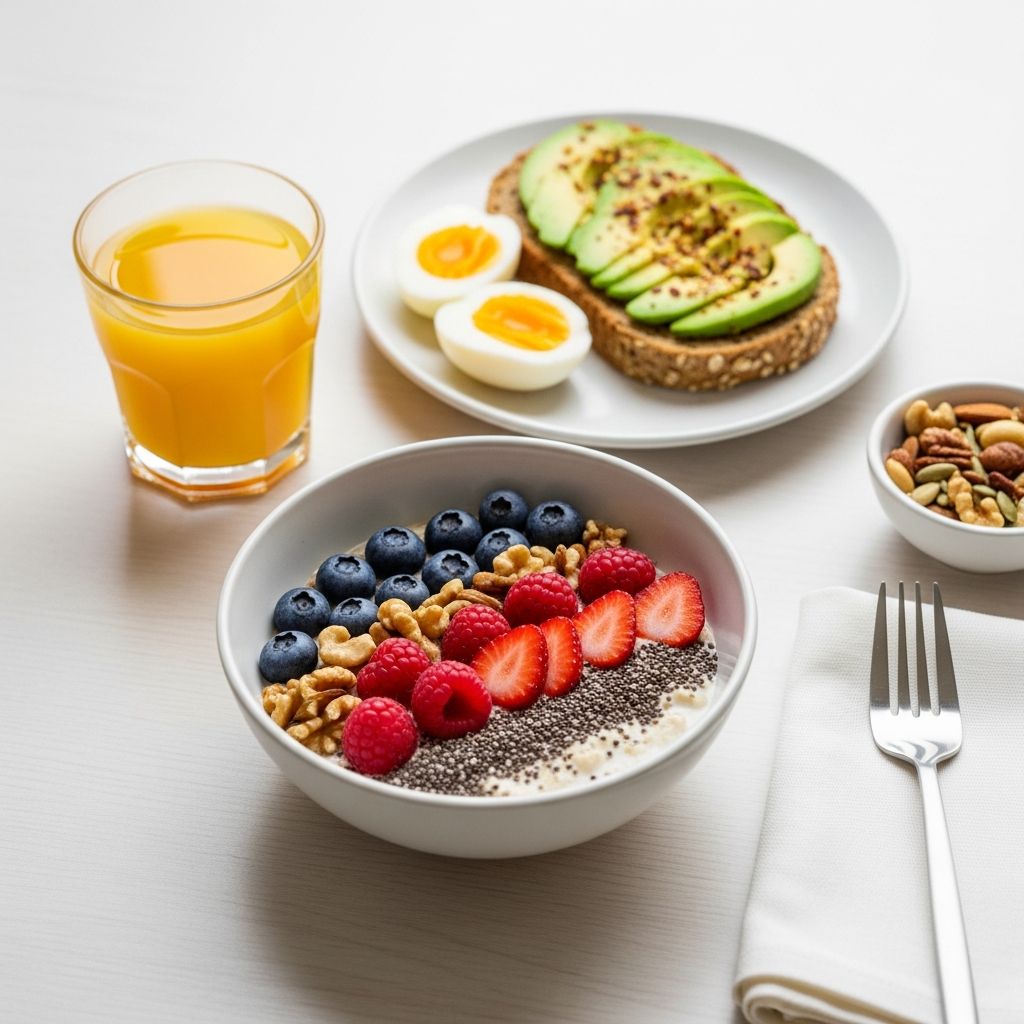
My go-to breakfast consists of several key components that work together to create a balanced, satisfying meal. Here’s what I include and why each element matters:
Greek Yogurt: The Protein Powerhouse
Greek yogurt forms the foundation of my breakfast. This creamy dairy product contains roughly twice the protein of regular yogurt, making it an excellent choice for muscle maintenance and satiety. A half-cup serving of plain Greek yogurt provides approximately 10-15 grams of protein, which helps stabilize blood sugar and keeps me feeling full longer.
Beyond protein, Greek yogurt contains probiotics—beneficial bacteria that support digestive health and gut microbiome balance. These live cultures help improve digestion, enhance immune function, and may contribute to better mental health through the gut-brain axis. I always choose plain, unsweetened Greek yogurt to avoid added sugars and maintain control over the sweetness of my breakfast.
Fresh Berries: Antioxidant-Rich Fruits
I top my yogurt with a generous handful of fresh berries—typically blueberries, raspberries, or strawberries. These small fruits pack an enormous nutritional punch. Berries are among the most antioxidant-rich foods available, containing anthocyanins, flavonoids, and polyphenols that help protect cells from oxidative stress and inflammation.
Fresh berries provide fiber, which aids digestion and contributes to feelings of fullness. They’re also low in calories relative to their nutrient density, making them perfect for maintaining a healthy weight. The natural sugars in berries provide quick energy without the blood sugar crash associated with processed sweets.
Granola or Nuts: Healthy Fats and Crunch
Related Stories



I add a quarter-cup of granola or a small handful of mixed nuts to my breakfast. This component serves multiple purposes: it provides healthy fats that enhance satiety and nutrient absorption, adds satisfying crunch and texture, and includes additional fiber and micronutrients.
Nuts contain monounsaturated and polyunsaturated fats that support heart health and brain function. They’re excellent sources of vitamin E, magnesium, and selenium. If you prefer granola, choose a variety with whole grains, minimal added sugar, and no refined oils. Alternatively, raw or lightly roasted nuts and seeds provide the same benefits without added ingredients.
Honey or Ground Flaxseed: Optional Sweetness and Omega-3s
Depending on the sweetness of my berries, I might drizzle a small amount of raw honey over the mixture. Honey provides natural sweetness along with trace minerals and compounds with potential antimicrobial properties. A teaspoon of honey adds negligible calories while satisfying sweet cravings without refined sugar.
Alternatively, I sometimes add a tablespoon of ground flaxseed for additional omega-3 fatty acids, lignans, and fiber. Flaxseed has been studied for its potential benefits on cholesterol levels, blood sugar control, and hormonal balance.
Why This Breakfast Works for Me
This breakfast combination works exceptionally well because it addresses all the nutritional requirements for a balanced meal:
- Protein: Greek yogurt provides approximately 15-20 grams of complete protein with all essential amino acids, supporting muscle maintenance and satiety
- Complex Carbohydrates: Berries and granola provide fiber-rich carbohydrates that sustain energy without blood sugar spikes
- Healthy Fats: Nuts and seeds offer monounsaturated and polyunsaturated fats for heart health and nutrient absorption
- Micronutrients: The combination delivers vitamins C, K, B vitamins, potassium, magnesium, and various phytonutrients
- Satiety: The balance of protein, fat, and fiber keeps you satisfied until lunch without hunger spikes
Beyond the nutritional profile, this breakfast takes less than five minutes to prepare, requires no cooking, and uses shelf-stable ingredients. It’s convenient for busy mornings and can be customized based on available fruits and personal preferences.
Nutritional Profile
A typical serving of my breakfast contains approximately:
| Nutrient | Amount |
|---|---|
| Calories | 280-320 |
| Protein | 15-18 grams |
| Carbohydrates | 35-40 grams |
| Dietary Fiber | 6-8 grams |
| Fat | 8-10 grams |
| Sugar (natural) | 15-18 grams |
Customization Options for Different Needs
While this is my go-to breakfast, I recognize that individual nutritional needs vary. Here are ways to customize this meal based on your specific goals:
For Weight Loss:
- Use low-fat or nonfat Greek yogurt to reduce calories
- Increase berry portion and reduce granola or nuts
- Skip honey and rely on natural fruit sweetness
- Choose smaller portion sizes of higher-calorie components
For Muscle Building:
- Use full-fat Greek yogurt for additional calories and satiety
- Increase portion size to 1-1.5 cups of yogurt
- Add more nuts or seeds for additional protein and healthy fats
- Consider adding a protein powder if additional protein is needed
For Sustained Energy (Athletes):
- Pair with whole-grain toast spread with almond butter
- Increase granola or add oats for additional carbohydrates
- Include banana slices for potassium and additional carbs
- Consume 2-3 hours before intense exercise for optimal energy
For Diabetes or Blood Sugar Management:
- Use plain, unsweetened Greek yogurt exclusively
- Choose lower-glycemic berries like raspberries and blackberries
- Skip honey entirely
- Increase nuts and seeds for their blood sugar stabilizing effects
Tips for Breakfast Success
To make the most of this breakfast option, consider these practical tips:
- Prep in advance: On weekends, pre-portion yogurt into containers and wash berries so breakfast is grab-and-go during busy weekdays
- Buy frozen berries: They’re just as nutritious as fresh, more affordable, and last longer in your freezer. Thaw slightly before eating or enjoy them cold
- Choose quality yogurt: Read labels and select yogurts with minimal ingredients and no artificial sweeteners or additives
- Store properly: Keep yogurt in the coldest part of your refrigerator and check expiration dates regularly
- Mix and match: Rotate different berries and nuts to keep breakfast interesting and ensure diverse micronutrient intake
- Pair with beverage: Enjoy with water, green tea, or black coffee to stay hydrated and add beneficial compounds
Why I Recommend This to Patients
Throughout my career, I’ve recommended this breakfast to patients with various health goals and dietary needs. The reasons are clear: it’s nutritionally complete, practical, delicious, affordable, and based on solid scientific evidence. Patients consistently report feeling more energized, experiencing reduced mid-morning hunger, and enjoying improved concentration and productivity.
This breakfast also aligns with major dietary guidelines from the Academy of Nutrition and Dietetics and the American Heart Association, which emphasize whole foods, adequate protein, fiber-rich carbohydrates, and healthy fats.
Frequently Asked Questions
Q: Can I make this breakfast the night before?
A: Yes, you can prepare this breakfast in a mason jar the night before. Layer yogurt, berries, and granola in reverse order (granola on bottom to prevent sogginess), seal, and refrigerate. In the morning, shake well before eating. However, the granola will be softer than if eaten immediately, so some prefer adding it just before consumption.
Q: Is this breakfast suitable for people with dairy allergies?
A: Absolutely. You can substitute Greek yogurt with dairy-free alternatives like coconut yogurt, almond-based yogurt, or cashew cream. Ensure your substitute has added probiotics for digestive health benefits. The rest of the breakfast components remain the same, providing excellent nutrition without dairy.
Q: How does this breakfast compare to other popular breakfast options?
A: Compared to cereals and milk, this breakfast provides more protein and less added sugar. Compared to eggs and toast, it has similar protein content but more antioxidants and probiotics. Compared to smoothies, it’s more satisfying due to texture and doesn’t require blending, making it more convenient for some people.
Q: Can I eat this breakfast if I’m following a low-carb diet?
A: You can modify it by reducing granola and berries and increasing nuts and seeds. However, this naturally carbohydrate-containing breakfast is better suited for standard, balanced diets. For strict low-carb approaches, consider eggs, bacon, and avocado instead.
Q: Is this breakfast appropriate for children?
A: Yes, this is an excellent breakfast for children. It’s nutritious, kid-friendly, and provides energy for school. You may adjust portion sizes based on age and size, and consider using flavored yogurts if unsweetened versions are rejected, gradually transitioning to plain yogurt.
Q: What’s the best time to eat this breakfast?
A: Ideally, eat this breakfast within one to two hours of waking up to maximize the metabolic benefits of breakfast and maintain stable energy and blood sugar levels throughout the morning.
References
- Academy of Nutrition and Dietetics Nutrition Care Manual — Academy of Nutrition and Dietetics. 2025. https://www.eatrightpro.org/
- Breakfast and Cognitive Function: A Systematic Review — National Center for Biotechnology Information (NCBI). 2023. https://www.ncbi.nlm.nih.gov/
- Berries and Health: A Comprehensive Review — Journal of the American College of Nutrition. 2024. https://www.tandfonline.com/
- Probiotics and Gut Health: Evidence and Applications — WHO Guidelines on Use of Probiotics. 2023. https://www.who.int/
- Nuts, Seeds, and Cardiovascular Health — American Heart Association. 2024. https://www.heart.org/
Similar Articles








Read full bio of Sneha Tete