Organic Food: Dietitian Explains Why I Don’t Usually Buy It
A registered dietitian shares why she rarely buys organic produce and offers practical tips for prioritizing fruits and vegetables in your diet.
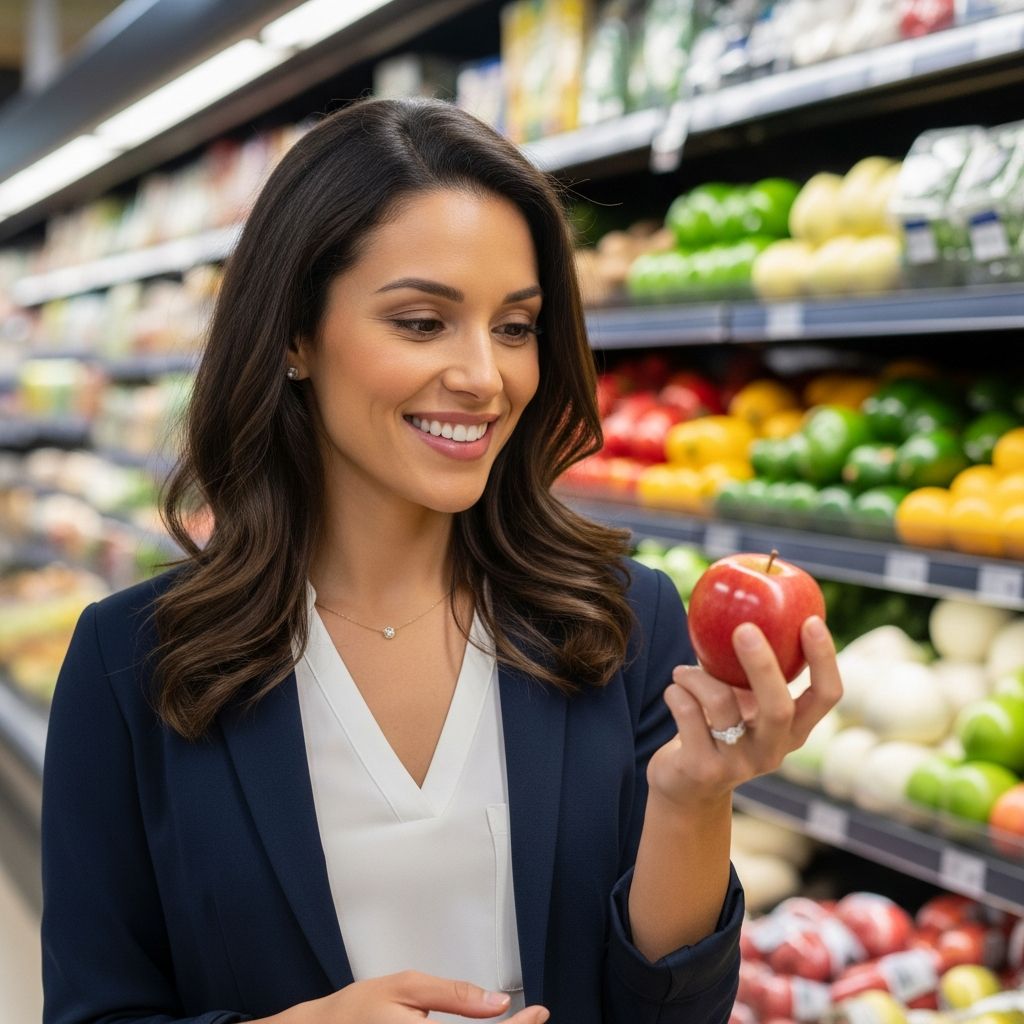
As a registered dietitian, I get asked all the time about organic produce. People wonder if it’s truly healthier, safer from pesticides, or worth the extra cost. The truth is, I don’t usually buy organic myself. Here’s why, backed by science, and what I recommend instead for a nutritious diet.
What Does ‘Organic’ Really Mean?
Organic food is produced without synthetic pesticides, fertilizers, genetic engineering, or irradiation. Animals raised organically aren’t given hormones or antibiotics and must have access to outdoors. In the U.S., products with 95% or more organic ingredients can display the USDA Organic seal. However, organic doesn’t guarantee local sourcing, higher nutrients, or superior taste—it’s primarily about farming practices.
Both organic and conventional foods must meet the same strict safety standards set by the FDA and USDA. Pesticide residues on conventional produce are typically far below levels deemed safe for consumption.
Are Organic Foods More Nutritious?
Studies show mixed results on nutrient differences. Organic plant foods often have slightly higher antioxidants like polyphenols and vitamin C, and lower nitrates. A 2014 meta-analysis found organic crops had 18-69% higher antioxidant concentrations, potentially boosting intake by 20-40% if switching entirely.
However, nutrient levels vary widely due to soil quality, harvest time, variety, and storage—not just farming method. Organic animal products may have more omega-3s from grass-fed diets, but differences often tie to grazing rather than organic certification. Overall, no strong evidence proves organic foods provide significant nutritional superiority for public health.
| Nutrient/Compound | Organic vs. Conventional | Key Notes |
|---|---|---|
| Antioxidants (e.g., polyphenols) | Higher in organic (18-69%) | Varies by crop type; not always clinically significant |
| Pesticide residues | Lower in organic | Both below safety thresholds |
| Vitamin C | Slightly higher in organic plants | Influenced by freshness more than method |
| Omega-3 fatty acids (animal products) | Higher in organic dairy/meat | Linked to grazing, not just organic label |
Pesticides: A Real Concern or Overhyped?
Organic foods expose consumers to fewer synthetic pesticide residues. High organic consumers show lower rates of non-Hodgkin lymphoma and reduced pre-eclampsia risk in pregnancy. Organic dairy may lower infant eczema risk.
That said, conventional produce residues are minimal and regulated safely. The bigger health win? Eating more fruits and vegetables overall—organic or not. Prioritizing 5+ servings daily trumps worrying about organic labels.
- Wash produce thoroughly: Rinse under running water, use a brush for firm items.
- Choose variety: Rotate types to minimize any single pesticide exposure.
- Buy in season: Fresher produce has fewer storage-related issues.
The Dirty Dozen and Clean Fifteen: Should You Bother?
Related Stories



The Environmental Working Group’s ‘Dirty Dozen’ lists high-pesticide produce like strawberries, spinach, and apples, suggesting organic for these. The ‘Clean Fifteen’ (e.g., avocados, sweet corn, pineapples) have low residues.
While helpful, this list isn’t perfect—it’s based on surface residues, not total exposure or health risks. I advise against letting it deter you from conventional options. If budget allows, opt for organic on a few high-residue items, but never skip produce altogether.
Why I Skip Organic Most of the Time
Cost is a major factor—organic can be 50-100% pricier. For most families, that money is better spent buying more conventional fruits and veggies to hit daily goals. Organic shoppers often lead healthier lifestyles overall (more exercise, less smoking), clouding direct causation studies.
Regular organic consumption links to lower obesity risk, but correlation doesn’t equal causation. My priority: abundance and variety over perfection.
Budget-Friendly Ways to Eat More Produce
Maximize nutrition without overspending:
- Shop sales and frozen: Frozen fruits/veggies retain nutrients and are often cheaper.
- Buy whole, not pre-cut: Saves 30-50% on cost.
- Grow herbs or easy veggies: Basil, tomatoes on a windowsill add fresh flavor affordably.
- Join CSAs or markets: Community-supported agriculture offers deals on seasonal bounty.
- Focus on whole foods: Swap processed snacks for apples or carrots.
Aim for half your plate as produce at meals. Simple swaps like berries in yogurt or salads daily build habits.
Health Benefits Beyond Organic
Organic may reduce specific risks like certain cancers or pregnancy issues due to lower pesticides and higher phytochemicals. But population studies emphasize overall diet quality: whole grains, limited red meat (<500g/week), and ample plants.
No need for all-organic to thrive. Diverse, colorful plates fuel the body best.
Frequently Asked Questions (FAQs)
Is organic food pesticide-free?
No, organic uses natural pesticides, but fewer synthetics overall. Both types are safe when regulated.
Does organic taste better?
Taste varies by freshness, ripeness, and variety—not farming method. Local conventional often rivals organic.
Should pregnant people buy organic?
Possibly beneficial to minimize residues, but volume of produce matters more. Consult your doctor.
Are kids at higher risk from conventional pesticides?
Children may be more sensitive, so washing and variety help. Organic dairy shows eczema benefits.
What’s the best value organic buy?
Fatty items like strawberries or spinach if on Dirty Dozen, but prioritize eating more over organic.
Final Thoughts for Smart Shoppers
Don’t let organic myths paralyze your cart. Fill it with vibrant produce—conventional works fine for most. Save organic splurges for enjoyment, not obligation. Health comes from consistency, not labels.
References
- Organic food and health — National Institute of Public Health – National Institute of Hygiene. 2020-06-08. https://pubmed.ncbi.nlm.nih.gov/32519524/
- Everything you need to know about organic food — Healthy Food Guide. Accessed 2026. https://www.healthyfood.com/healthy-shopping/everything-you-need-to-know-about-organic-food/
- Organic foods: Are they safer? More nutritious? — Mayo Clinic Staff. Accessed 2026. https://www.mayoclinic.org/healthy-lifestyle/nutrition-and-healthy-eating/in-depth/organic-food/art-20043880
- Organic Food No Better Than Conventional Food — UBC Botanical Garden Forums (citing Dangour et al.). 2009. https://forums.botanicalgarden.ubc.ca/threads/organic-food-no-better-than-conventional-food.54931/
Similar Articles








Read full bio of Sneha Tete