Dietitian with Syrian Roots on Mediterranean Diet
A Syrian-born dietitian shares how her heritage shapes her love for the Mediterranean diet and offers practical tips for healthy eating.
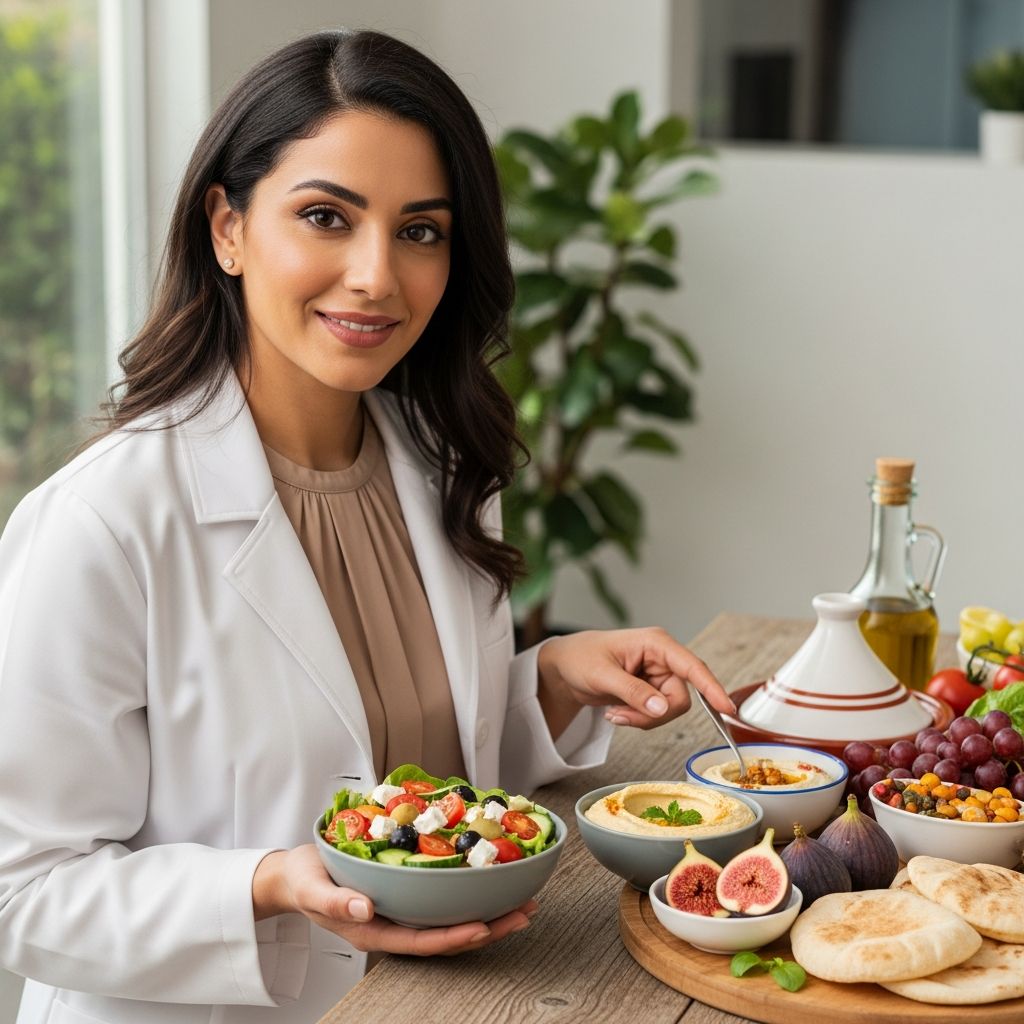
A registered dietitian born in Syria explains how her childhood flavors inspired her passion for the
Mediterranean diet
, a pattern renowned for its health benefits and rooted in ancient traditions across the region.Farah, a registered dietitian (RD) with deep Syrian roots, has always been drawn to the vibrant, plant-forward foods of her homeland. Growing up in Aleppo before moving to the U.S., she recalls family meals centered around olive oil-drizzled vegetables, legumes, and grains—hallmarks of what we now call the
Mediterranean diet
. “My grandmother’s kitchen was a classroom,” Farah says. “We learned to appreciate simple, fresh ingredients that nourish the body and soul.”Why the Mediterranean Diet Resonates with Her Syrian Heritage
The Mediterranean diet isn’t just a trend for Farah; it’s a bridge to her roots. Archaeological evidence from sites like Tell Tweini in Syria reveals that ancient diets there mirrored modern Mediterranean patterns: mostly grains, olives, grapes, and minimal dairy or meat. This continuity underscores why Syrian cuisine fits seamlessly into the diet’s framework, emphasizing plant-based foods, healthy fats, and moderate proteins.
Today, studies confirm high adherence to key elements like olive oil and vegetables among Syrian and Lebanese adults, despite challenges from conflict and economic crises. Farah notes, “In Syria, olive oil is life. It’s in every dish, from salads to stews, providing monounsaturated fats that support heart health.”
- Olive oil as staple: 78% of regional participants use it as primary fat.
- Vegetable preference: Consumed more than fruits, aligning with MedDiet recommendations.
- Legumes and grains: Traditional energy sources, especially in low-income households.
Health Benefits Backed by Science
The Mediterranean diet reduces risks of cardiovascular disease (CVD), diabetes, and cognitive decline. Its emphasis on anti-inflammatory foods like sofrito—a tomato-onion sauté common in Syrian cooking—lowers CVD risk. Farah integrates these into her practice: “Patients see improvements in cholesterol and energy when they adopt these patterns.”
| MedDiet Component | Syrian Example | Health Benefit |
|---|---|---|
| Olive oil (≥4 tbsp/day) | Zeytinya (extra-virgin drizzled on everything) | Improves heart health via healthy fats |
| Vegetables & fruits | Fattoush salad, stuffed grape leaves | High fiber, antioxidants reduce inflammation |
| Legumes (≥3x/week) | Lentil soup (shorbat adas) | Plant protein supports blood sugar control |
| Fish/seafood (≥2x/week) | Grilled fish with tahini | Omega-3s for brain and heart |
| Nuts (≥1 handful/week) | Pistachios, almonds in kibbeh | Lowers LDL cholesterol |
A Day in Farah’s Mediterranean-Syrian Eating Pattern
Farah structures her meals around abundance of plants, moderate proteins, and joy in eating. Breakfast: Greek yogurt with olives, tomatoes, and za’atar. Lunch: Lentil soup with whole-grain pita. Dinner: Baked fish with bulgur pilaf and greens.
“It’s flexible,” she emphasizes. “The diet expands beyond Europe to include Middle Eastern staples like chickpeas and eggplant, making it inclusive.”
Challenges in Modern Adherence
Economic crises in Syria and Lebanon have impacted access to fruits and olive oil, yet core habits persist. Farah advises: Shop seasonally, prioritize legumes, and use spices for flavor without excess salt.
Related Stories



Signature Recipes from Farah’s Kitchen
Shorbat Adas (Lentil Soup)
A comforting Syrian staple, packed with fiber.
- Ingredients: 1 cup red lentils, 1 onion, 2 garlic cloves, cumin, olive oil, lemon.
- Steps: Sauté onions in 2 tbsp olive oil, add lentils, spices, simmer 30 min. Blend, finish with lemon.
- Nutrition: High in plant protein, aligns with MedDiet legume intake.
Fattoush Salad
Crispy, refreshing, vegetable-forward.
- Ingredients: Romaine, cucumber, tomatoes, radish, sumac, toasted pita, olive oil-lemon dressing.
- Steps: Toss veggies, crumble pita, dress generously with olive oil.
- Tip: Use 4 tbsp oil for full MedDiet benefit.
Sayadieh (Fish with Rice)
Coastal Syrian dish for omega-3s.
- Ingredients: White fish, onions, rice, pine nuts, caramelized onions in olive oil.
- Steps: Caramelize onions, cook rice in fish broth, bake fish.
- Serves heart-healthy fats and moderate protein.
Adapting for American Lifestyles
In the U.S., Farah customizes: Swap grape leaves for collards, use local fish. “Focus on patterns—plants first, healthy fats, shared meals—not perfection,” she says. Studies show Lebanese and Syrians maintain high olive oil and vegetable use, even amid disruptions.
Ancient Roots, Timeless Wisdom
Isotopic analysis from Bronze Age Syria confirms diets rich in C3 plants like grains and olives, low in animal protein—echoing today’s MedDiet. Farah’s work highlights this legacy: “Syrian food is Mediterranean at its core, promoting longevity through balance.”
Frequently Asked Questions (FAQs)
What makes Syrian cuisine part of the Mediterranean diet?
Syrian food emphasizes olive oil, vegetables, legumes, and grains, matching MedDiet pillars. Ancient Syrians ate similarly, per archaeological data.
Can I follow the MedDiet without olive oil?
Olive oil is key for monounsaturated fats, but avocados or nuts can substitute partially. Aim for healthy fats overall.
How does economic crisis affect adherence in Syria?
War reduced olive oil and fruit access, but legumes and veggies remain staples. Adherence averages 7.98/14 points.
Is the MedDiet only European?
No, it includes Middle Eastern and North African traditions like Syrian and Lebanese foods for broader inclusivity.
What’s a beginner tip from Farah?
Start with one MedDiet swap: Use olive oil daily and add a veggie serving per meal.
Embracing Heritage for Health
Farah’s journey shows the MedDiet’s universality. By honoring Syrian traditions—sofrito, pulses, olive groves—she helps clients thrive. “Food is memory and medicine,” she concludes. Adopt these patterns for vitality rooted in history.
References
- Comparative Study Regarding the Adherence to the Mediterranean Diet among Lebanese and Syrian Adults — Nour Hammoud et al., PMC. 2022-06-01. https://pmc.ncbi.nlm.nih.gov/articles/PMC9169688/
- Ancient Syrian diets resembled the modern ‘Mediterranean diet’ — ScienceDaily (PLOS ONE study). 2024-06-12. https://www.sciencedaily.com/releases/2024/06/240612140846.htm
- The Problem with the Mediterranean Diet We’re Not Talking About Enough — Healthline. 2023-10-15. https://www.healthline.com/nutrition/the-problem-with-the-mediterranean-diet-were-not-talking-about-enough
Similar Articles








Read full bio of Sneha Tete