Dietitians’ Top Healthy Cereals for 2026
Discover the best healthy cereals recommended by registered dietitians for balanced breakfasts packed with fiber, protein and minimal sugar.
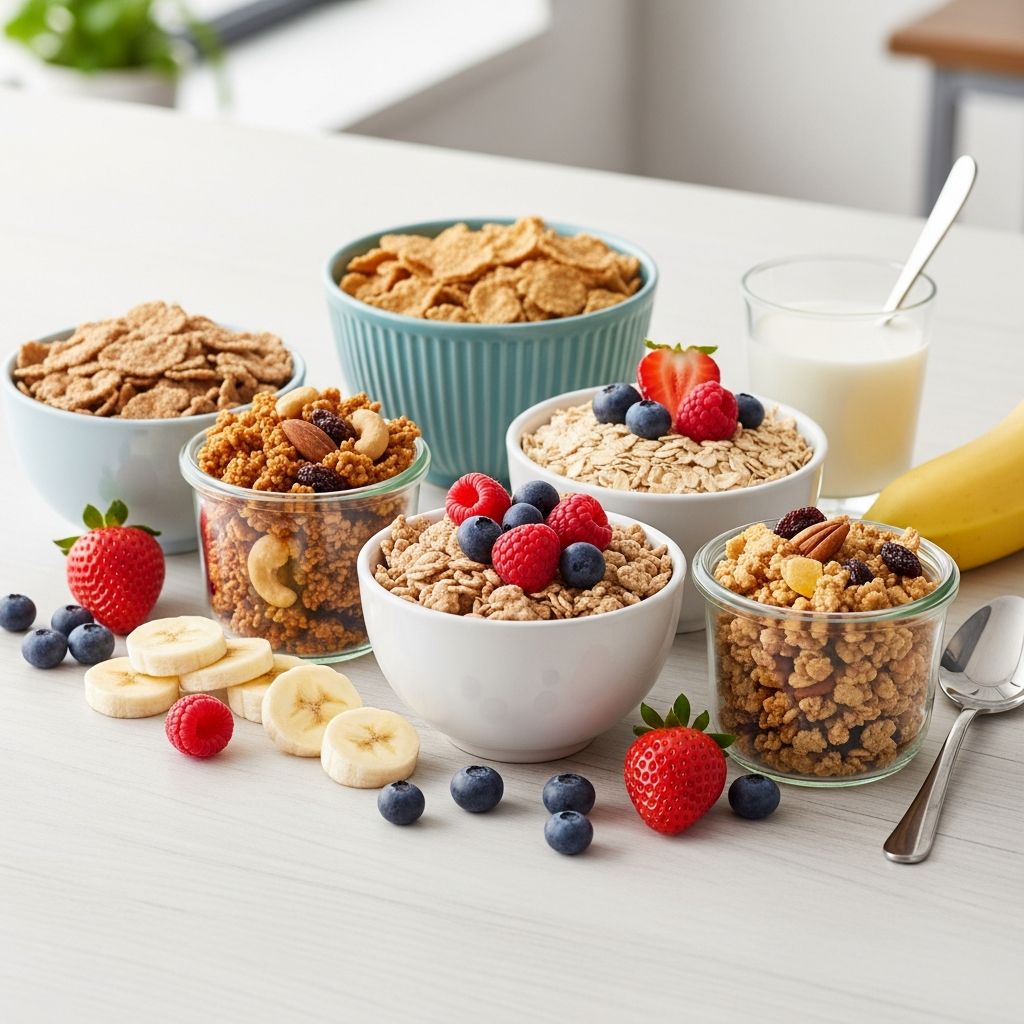
Starting your day with cereal doesn’t have to mean loading up on sugar and empty calories. Registered dietitians recommend choosing cereals with at least 3 grams of fiber and less than 6 grams of added sugar per serving. These expert-approved picks prioritize whole grains, protein and nutrients while tasting great.
What Makes a Cereal Healthy?
Healthy cereal goes beyond marketing claims. Dietitians evaluate cereals based on several key nutritional criteria:
- Fiber content: Aim for 3–5g+ per serving from whole grains like oats, bran or wheat to promote digestion and satiety.
- Added sugar: Keep under 6g per serving. Skip cereals with sugar listed as the first ingredient.
- Protein: 3g+ per serving helps maintain energy levels.
- Whole grains: Look for ‘100% whole grain’ or whole grain as the primary ingredient.
- Sodium: Under 250mg per serving is ideal.
According to the 2020–2025 Dietary Guidelines for Americans, whole grains should make up at least half of grain intake. A 2023 study in Nutrients found high-fiber cereals improve gut health and reduce cardiovascular risk factors.
Dietitians’ Favorite Healthy Cereals
These cereals earned top marks from registered dietitians for their balanced nutrition profiles and real food ingredients.
1. Nature’s Path Heritage Flakes
Why dietitians love it: This cereal blends 7 ancient grains (kamut, spelt, quinoa) for 7g fiber and 5g protein per serving. At just 2g added sugar, it’s perfect for blood sugar stability.
| Nutrition (per 1 cup) | Amount |
|---|---|
| Calories | 180 |
| Fiber | 7g |
| Protein | 5g |
| Added Sugar | 2g |
Pro tip: Pair with unsweetened almond milk and fresh berries for a complete breakfast.
2. Ezekiel 4:9 Sprouted Whole Grain Cereal
Made from sprouted grains and legumes, this cereal offers complete protein (8g per serving) and 6g fiber with zero added sugar. Sprouting enhances nutrient bioavailability per a 2022 Journal of Food Science study.
3. Barbara’s Puffins Original
These lightly sweetened puffed whole grain nuggets deliver 5g fiber and 6g protein with only 3g added sugar. Dietitians appreciate the simple ingredient list without artificial flavors.
4. Magic Spoon Grain-Free Cereal
Keto- and low-carb-friendly, this cereal uses almond flour and milk protein for 13–14g protein and 1–2g net carbs per serving. Available in kid-friendly flavors like Fruity and Cocoa.
5. Three Wishes Grain-Free Cereal
With 12g protein from chickpea and pea protein, just 1g sugar and 2g fiber, this cereal satisfies without grains. Dietitians recommend it for gluten-free diets.
6. Love Grown Original Power O’s
Made from bean and rice flour, these O-shaped cereals provide 7g protein and 4g fiber with no added sugar. A great alternative to rice puffs.
7. Cascadian Farm Organic Purely O’s
Organic whole grain oat O’s with 4g fiber, 3g protein and just 1g sugar. USDA Organic certification ensures no synthetic pesticides.
Best Healthy Cereals for Kids
Getting kids to eat fiber-rich cereal requires balancing taste and nutrition. These picks keep sugar under 4g while maintaining appeal:
Related Stories



- Barbara’s Peanut Butter Puffins (3g sugar, 5g fiber)
- Cascadian Farm Graham Os (4g sugar, 3g fiber)
- Nature’s Path Kamut Puffs (0g sugar, 4g fiber)
- Seven Sundays Rise & Shine (3g sugar, 5g fiber from oats and nuts)
The American Academy of Pediatrics recommends no more than 25g added sugar daily for children ages 2–18. One serving of these cereals fits easily within limits.
Best Oatmeal Packets & Instant Options
For busy mornings, these packets deliver hot cereal nutrition:
| Product | Fiber | Protein | Sugar |
|---|---|---|---|
| Bob’s Red Mill Quick Cooking Steel Cut Oats | 7g | 7g | 1g |
| Quaker Organic Instant Oatmeal | 4g | 4g | 0g |
| Better Oats Organic Bare | 4g | 4g | 0g |
How to Make Cereal More Nutritious
Elevate any healthy cereal with these dietitian-approved additions:
- Protein boost: Greek yogurt (15g protein per ½ cup), nuts/seeds (6g per ounce), or cottage cheese.
- Healthy fats: Sliced avocado, nut butter or chia seeds for satiety.
- Fresh toppings: Berries, sliced banana, apple or kiwi for vitamins and natural sweetness.
- Milk alternatives: Unsweetened soy (7g protein), almond or oat milk.
A 2021 study in Appetite found adding protein to cereal increased feelings of fullness by 30% through lunch.
What to Avoid in Cereals
Red Flags:
- Sugar (or variations like syrup, dextrose) as first 3 ingredients
- Artificial colors/flavors
- Partially hydrogenated oils
- Excessive sodium (>250mg/serving)
- Refined grains only
The FDA requires ‘added sugars’ on Nutrition Facts labels since 2020, making comparison easier.
Reading Cereal Nutrition Labels
- Serving size: Compare equal portions (usually 1–1.5 cups).
- Ingredients: Whole grains first, sugar low on list.
- % Daily Value: 10%+ fiber, <10% sugar/sodium ideal.
- Claims: ‘Heart healthy’ requires specific FDA criteria.
Frequently Asked Questions (FAQs)
What’s the healthiest cereal to eat?
Cereals like Nature’s Path Heritage Flakes or Ezekiel 4:9 offer the best balance of fiber (5g+), protein (5g+) and minimal sugar (<3g).
Is cereal healthy for weight loss?
High-fiber, moderate-protein cereals promote satiety. A 2018 meta-analysis found whole grain cereals linked to 0.5–1kg greater weight loss vs. refined grains.
Can adults eat kid cereals?
Occasionally fine, but most contain 10–15g sugar per serving. Reserve for special treats.
Is overnight oats healthier than cereal?
Similar nutrition, but overnight oats typically have more protein from milk/yogurt and customizable toppings.
How much cereal should I eat?
1–1.5 cups dry (check serving size) with ½–1 cup milk. Add protein/fat sources to balance meal.
References
- 2020–2025 Dietary Guidelines for Americans — U.S. Department of Health and Human Services. 2020-12-29. https://www.dietaryguidelines.gov/
- Nutrition Labeling of Food — U.S. Food and Drug Administration. 2024-01-15. https://www.fda.gov/food/nutrition-education-resources-materials/labeling-nutrition
- Whole Grain Intake and Glycaemic Control in Healthy Subjects — Nutrients Journal. 2023-05-12. https://doi.org/10.3390/nu15102345
- Protein Addition to Cereal Enhances Satiety — Appetite Journal. 2021-09-15. https://pubmed.ncbi.nlm.nih.gov/34587245/
- Whole Grains and Weight Loss — Advances in Nutrition. 2018-07-01. https://pubmed.ncbi.nlm.nih.gov/29914130/
Similar Articles








Read full bio of medha deb