Differences In Sex Development: Comprehensive Guide
Exploring the biological complexities of sex development and variations that challenge traditional male-female binaries.
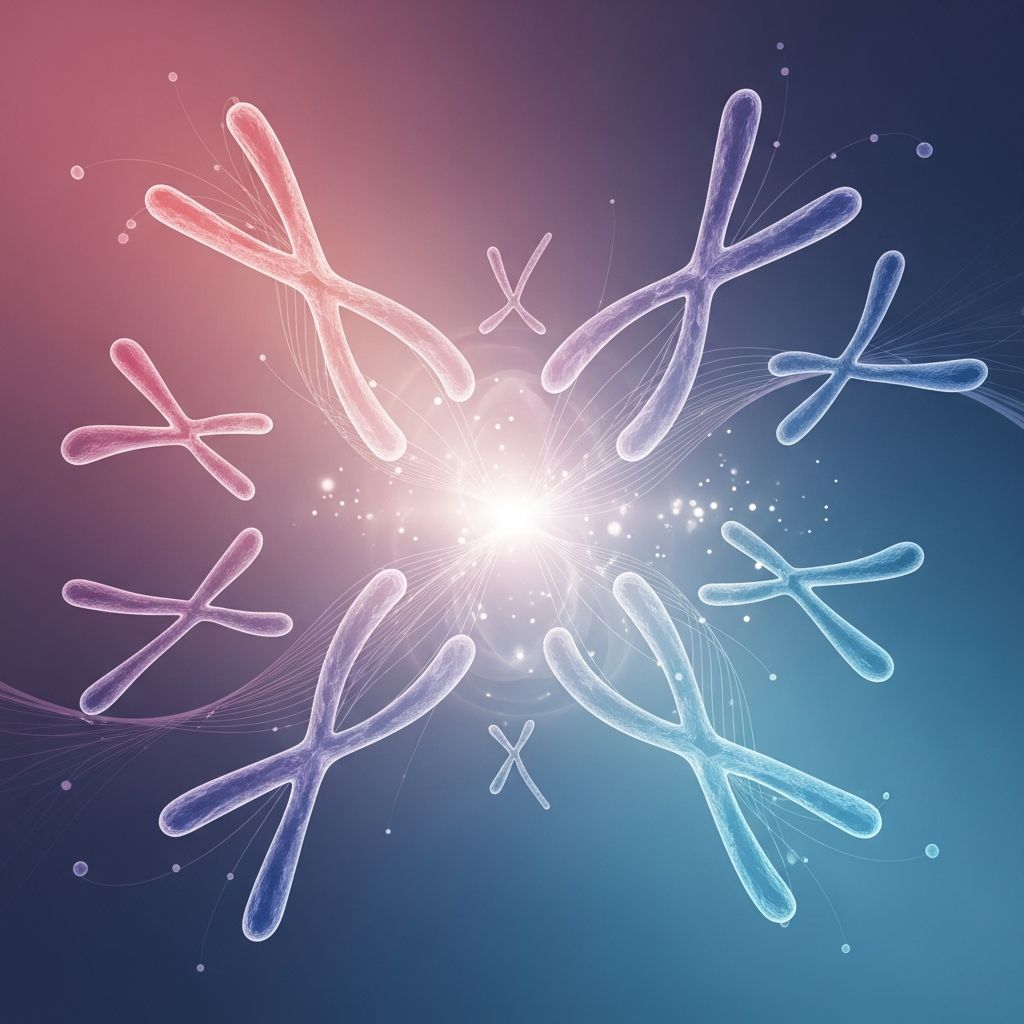
Differences in sex development (DSD) refer to a range of conditions where an individual’s chromosomal, gonadal, hormonal, or anatomical sex development varies from typical male or female patterns. These variations arise during prenatal stages and can affect external genitalia, internal reproductive organs, or hormone production.
The Foundations of Human Sex Development
Human sex development begins at fertilization, when chromosomes determine the genetic blueprint for male (XY) or female (XX) pathways. However, the process is far from binary, involving intricate genetic, hormonal, and environmental interactions that can lead to diverse outcomes.
Early embryos are sexually indifferent, possessing bipotential gonads and dual duct systems: Wolffian (mesonephric) for male structures and Müllerian (paramesonephric) for female ones. Differentiation kicks off around week 5-6 post-fertilization.
- Genetic Trigger: The SRY gene on the Y chromosome initiates testis formation in males. Without it, ovaries develop by default.
- Hormonal Cascade: Testes produce anti-Müllerian hormone (AMH) to regress Müllerian ducts and testosterone to develop Wolffian ducts into male structures.
- External Genitalia: Androgens like dihydrotestosterone (DHT) shape male external features; their absence allows female development.
This cascade highlights why disruptions at any step—genetic mutations, hormone imbalances, or receptor issues—can result in DSD.
Categories of Differences in Sex Development
DSDs are classified by chromosomal sex and the structures affected. Key categories include:
| Category | Description | Examples |
|---|---|---|
| 46,XX DSD | Female chromosomes but atypical gonads or anatomy | Congenital adrenal hyperplasia (CAH), ovotesticular DSD |
| 46,XY DSD | Male chromosomes but female-like or ambiguous features | Androgen insensitivity syndrome (AIS), 5-alpha reductase deficiency |
| Sex Chromosome DSD | Atypical chromosome numbers | Turner syndrome (45,X), Klinefelter syndrome (47,XXY) |
| Ovotesticular DSD | Both ovarian and testicular tissue | True hermaphroditism |
46,XX DSD often stems from excess androgens virilizing female genitalia, as in CAH where enzyme defects boost androgen production. Conversely, 46,XY DSD may occur if the body can’t respond to androgens, leading to female-appearing external traits despite testes.
Prenatal Processes and Points of Variation
Sex determination and differentiation unfold in phases:
- Gonadal Phase (Weeks 5-8): Bipotential gonads form ridges that become testes (SRY-driven) or ovaries.
- Ductal Phase (Weeks 8-10): AMH suppresses female ducts in males; testosterone stabilizes male ducts in males.
- External Phase (Week 9+): Genital tubercle elongates into penis (with DHT) or clitoris; folds fuse into scrotum or labia.
Variations arise from:
- Gene Mutations: Faulty SRY or other genes like SOX9 disrupt gonad fate.
- Hormone Deficiencies: Low AMH allows Müllerian persistence in males (Persistent Müllerian Duct Syndrome).
- Receptor Issues: Complete AIS results in XY individuals with female external genitalia and no uterus.
- Environmental Factors: Epigenetic changes or maternal hormones can influence development.
Related Stories



Brain sex differentiation lags, around month 4, potentially contributing to gender identity complexities.
Recognizing and Diagnosing DSD
Many DSDs present at birth with ambiguous genitalia, but some are detected prenatally via ultrasound or later during puberty delays, infertility, or mismatch between body and identity.
Diagnostic Steps:
- Physical Exam: Assess genitalia, gonads, and secondary traits.
- Karyotyping: Confirm chromosomes (e.g., FISH for rapid SRY detection).
- Hormone Panels: Measure testosterone, AMH, FSH, LH.
- Imaging: Ultrasound/MRI for internal organs.
- Genetic Testing: For specific mutations like CAH’s 21-hydroxylase deficiency.
Multidisciplinary teams—including endocrinologists, urologists, geneticists, and psychologists—guide evaluation to avoid hasty decisions.
Management Approaches and Medical Interventions
Care is individualized, prioritizing physical health, fertility potential, and psychological well-being. Non-urgent surgeries are often delayed until the individual can consent.
Hormone Therapy: Hydrocortisone for CAH; testosterone/estrogen for gonadal dysfunction.
Surgical Options:
- Clitoroplasty or vaginoplasty for functionality.
- Gonadectomy if cancer risk (e.g., intra-abdominal testes).
- Gonadal reconstruction rare due to limited success.
Recent guidelines emphasize deferring irreversible procedures, focusing on evidence-based timing.
Psychosocial Dimensions and Family Support
DSD diagnosis can evoke shock, stigma, or confusion. Support includes:
- Counseling: For parents and children to process identity and body image.
- Peer Networks: Groups like InterACT or DSD Families.
- Education: Dispelling myths about “normalcy” and promoting body positivity.
Gender identity may align with chromosomes, rearing, or neither; affirming care respects self-identification.
Frequently Asked Questions (FAQs)
What causes differences in sex development?
DSDs result from genetic variations, hormone imbalances, or developmental disruptions during embryogenesis.
Are DSDs common?
Approximately 1 in 4,500-5,000 births show ambiguous genitalia; broader DSD traits affect 1 in 100-200.
Can people with DSD have children?
Depends on condition—some retain fertility (e.g., mild CAH), others need assisted reproduction or adoption.
Should surgery be done on infants with DSD?
Consensus favors delaying non-essential surgeries until adolescence, prioritizing autonomy.
How does DSD affect gender identity?
Most identify with their assigned sex, but some experience gender incongruence; support is key.
Long-Term Health Considerations
Individuals with DSD face risks like gonadal tumors (e.g., 30% in partial AIS), osteoporosis from hormone gaps, or metabolic issues in CAH. Regular monitoring ensures optimal outcomes.
In summary, DSDs illuminate the spectrum of human biology, urging compassionate, informed care.
References
- Embryology, Sexual Development — StatPearls, NCBI Bookshelf. 2023-08-08. https://www.ncbi.nlm.nih.gov/books/NBK557601/
- Sexual differentiation in humans — Wikipedia. 2024-02-01. https://en.wikipedia.org/wiki/Sexual_differentiation_in_humans
- Chapter 4 – Sex Differentiation, Anatomy, and Physiology — Open Oregon Pressbooks. 2023. https://openoregon.pressbooks.pub/introtohumansexuality/chapter/chapter-4-sex-differentiation-anatomy-and-physiology/
- Differences of sex development — MedlinePlus Medical Encyclopedia. 2024-01-15. https://medlineplus.gov/ency/article/001669.htm
- Sex Determination in Humans — Embryo Project Encyclopedia, ASU. 2016-10-30. https://embryo.asu.edu/pages/sex-determination-humans
- Differences of Sex Development 101: it’s complicated — Hudson Institute. 2023. https://hudson.org.au/news/differences-of-sex-development-101-its-complicated/
Similar Articles








Read full bio of medha deb