Different Kinds Of Lettuces And Greens: 4 Essential Types, Uses
Discover the diverse world of lettuces and greens, from crisp romaine to buttery Bibb, and learn how to mix them for flavorful, nutrient-packed salads.
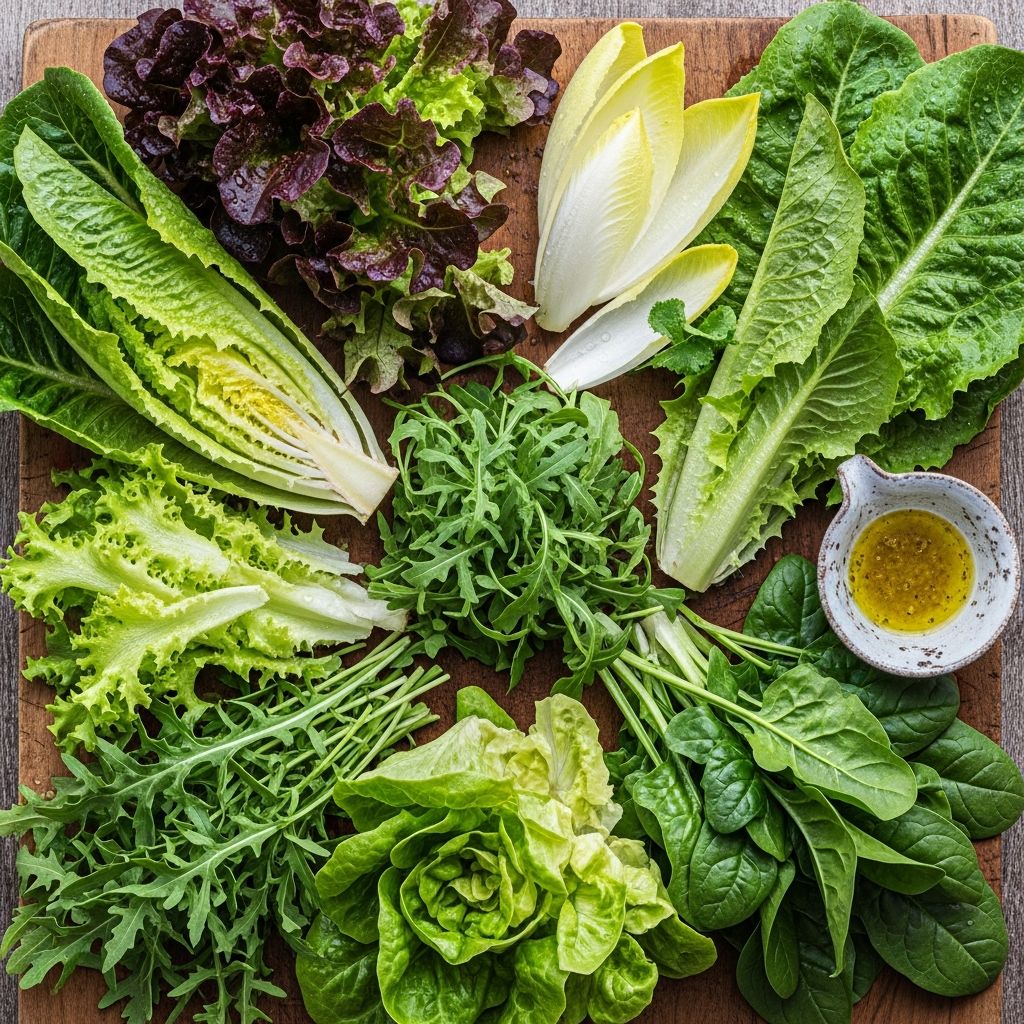
Leafy greens are nutritional powerhouses that add freshness, crunch, and vibrant colors to meals. Lettuce, a staple leafy green, is one of the most consumed vegetables in the United States, but the category extends far beyond basic heads to include dark and light varieties like spinach, romaine, kale, escarole, and endive. These greens provide essential vitamins, minerals, fiber, and antioxidants, supporting digestion, heart health, and overall wellness.
Understanding the
different kinds of lettuces and greens
helps you select the best options for salads, sandwiches, wraps, and sides. They fall into categories like looseleaf, romaine, butterhead, crisphead, and specialty greens. Each offers unique textures—from crisp and crunchy to soft and buttery—and flavors ranging from mild and sweet to peppery and bitter. Mixing varieties elevates salads with complexity and nutrition.Types of Lettuce
Lettuce varieties are broadly classified into four main types: looseleaf, romaine, butterhead, and crisphead. These can grow as loose heads or tight centers, and many are suitable for ‘cut-and-come-again’ harvesting, where leaves regrow after cutting.
Looseleaf Lettuce
**Looseleaf lettuce** grows in open, ruffled bunches without forming a tight head, making it ideal for continuous harvesting. It’s crisp, versatile, and perfect for salads due to its tender texture and mild flavors. Green leaf varieties are crisp and mild with higher vitamin A, K, and fiber content, while red leaf offers an earthy note, lacy texture, and antioxidants from anthocyanins.
- Green Leaf Lettuce: Crisp, mild flavor; rich in vitamins A and K, plus fiber. Varieties like Black Seeded Simpson (easy-growing, high-yield), Grand Rapids (frilled, large heads), and Salad Bowl Blend (colorful mix).
- Red Leaf Lettuce: Delicate, frilly leaves with earthy taste; high anthocyanins. Popular picks include Ruby Red (deep color, pairs with greens), Red Sails (mahogany purple, bold flavor), Lolla Rossa (curly, container-friendly), Prizehead (lime green with purple tips, sweet), and New Red Fire (frilly, vibrant).
- Other standouts: Tango (crinkly texture), Slobolt (heat-tolerant, slow to bolt), Freckles Romaine (speckled, bold), Cimmaron (rust-red heads), Crisp Mint (sweet, minty green).
These grow quickly, thrive in cool weather, and add visual appeal to salads.
Romaine Lettuce
**Romaine** (or cos) features upright, elongated leaves with thick, crunchy ribs and a slightly nutty flavor. It’s more nutritious than iceberg, boasting vitamins A, C, folate, iron, potassium, fiber, and antioxidants. The sturdy leaves hold dressings well and are great for Caesar salads, wraps, and grilling.
- Classic Romaine: Deep green, crisp texture for salads and sandwiches.
- Specialties: Little Gem (mini heads, sweet), Freckles (spotted leaves, bold taste), and varieties like Chuchas, Chalupa OG, Spinach Lettuce, Rou, Dino (from grower trials).
Romaine resists wilting, making it a kitchen staple.
Butterhead Lettuce
**Butterhead** lettuce forms soft, loose heads with velvety, buttery leaves and sweet, delicate flavor. Prized for its luxurious texture, it’s low in bitterness and rich in vitamins A, K, C, iron, manganese, and beta-carotene antioxidants. Ideal for salads, juicing, or whole leaves as cups.
Related Stories



- Bibb Lettuce: Classic soft, tender, buttery leaves; Bibb variety is a favorite for creaminess.
- Boston Lettuce: Mild, delicate green color.
- Varieties: Little Gem (tight, small heads), Marvel of 4 Seasons (green-to-bronze), Bronze Mignonette (oakleaf-shaped, nutrient-dense), Tom Thumb (dwarf, heirloom, multi-harvest), Australe (chef favorite).
Butterhead adds elegance to dishes and grows well in mild climates.
Crisphead Lettuce
**Crisphead** (iceberg) forms dense, firm heads with high water content for ultimate crunch. Despite its reputation, it’s nutritious with fiber, folate, vitamin K, and hydration benefits. Use for salads, slaws, wedges, or low-carb wraps.
- Iceberg: Pale, mild, very crunchy.
- Varieties: Great Lakes 118 (romaine-iceberg hybrid, nutrient-rich), Pablo (bi-colored rosettes), Ice Queen (Reine des Glaces, promising crispness).
Outer leaves add freshness; it’s perfect for bold dressings.
Other Leafy Greens
Beyond lettuce,
leafy greens
like mesclun mixes and hearty options expand salad possibilities. Mesclun combines young greens such as arugula, frisée, radicchio, and more for varied tastes.- Arugula: Peppery, nutty; great raw or wilted.
- Watercress: Peppery bite, high in vitamins.
- Radicchio: Red-and-white, bitter, colorful.
- Chicory/Escarole: Bitter “bite,” robust flavor.
- Mâche: Mild, delicate, tender.
- Spinach: Deep green, iron-rich, versatile.
- Kale: Curly or purple, nutrient-dense (vitamins A, C, K).
- Mustard Greens: Spicy, bold for summer salads.
- Specialties: Frisée (curly endive), endive (slightly bitter).
These add depth; dark greens like kale and spinach offer superior antioxidants.
Nutritional Benefits
Leafy greens are low-calorie but packed with
nutrients
. Looseleaf provides vitamins A, K, fiber; romaine adds C, folate, iron; butterhead offers beta-carotene; crisphead aids hydration. Dark greens like spinach and kale excel in antioxidants, supporting immunity, bone health, and digestion.| Type | Key Nutrients | Health Benefits |
|---|---|---|
| Looseleaf | Vitamins A, K; fiber | Digestion, vision |
| Romaine | Vitamins A, C; folate, potassium | Heart health, immunity |
| Butterhead | Vitamins A, K, C; iron | Antioxidants, blood health |
| Crisphead | Folate, vitamin K; water | Hydration, bone support |
| Dark Greens (Spinach, Kale) | Iron, calcium, antioxidants | Energy, anti-inflammation |
Preparation and Purchasing Tips
Enhance salads by
mixing greens
for flavor, color, and texture:- Peppery: Arugula, watercress.
- Colorful: Red-and-white radicchio.
- Bite: Chicory, escarole.
- Mild/Delicate: Mâche, Boston/Bibb lettuce.
- Deep Green: Spinach.
- Crisp: Romaine.
Purchasing: Choose fresh, crisp leaves without wilting or slime. Opt for pre-washed bags or wash/rinse thoroughly, dry with a salad spinner. Store in breathable bags in the fridge crisper for 5-7 days.
Preparation: Tear or chop leaves; store hearts (inner leaves) longer. Grow your own for freshness—looseleaf and cut-and-come-again types are beginner-friendly.
Growing Tips: Sow in cool seasons; varieties like Slobolt resist bolting in heat. Use for summer salads with arugula, kale, romaine.
Frequently Asked Questions (FAQs)
What are the main types of lettuce?
Romaine, looseleaf, butterhead, and crisphead.
Which lettuce is the crispiest?
Romaine and crisphead (iceberg) offer the best crunch.
Are all lettuces equally nutritious?
No, romaine and dark looseleaf have more vitamins than iceberg, but all provide fiber and hydration.
How do I store greens to stay fresh?
Wash, dry, and store in fridge bags; use within a week.
Can I grow these at home?
Yes, looseleaf and butterhead are easy; try Black Seeded Simpson or Red Sails.
References
- Varieties of Lettuce — Muzzarelli Farms. 2023. https://www.muzzarellifarms.com/muzzarelli-farms-blog-lettuce-varieties.html
- Types of Lettuce: Exploring the Different Varieties — MIgardener. 2024-01-15. https://migardener.com/blogs/blog/types-of-lettuce
- Different Kinds of Lettuces and Greens — Academy of Nutrition and Dietetics. 2023-05-20. https://www.eatright.org/food/food-groups/vegetables/different-kinds-of-lettuces-and-greens
- We Grew 18+ Types of Lettuce and Ranked Them — Epic Gardening (YouTube). 2024. https://www.youtube.com/watch?v=5gtGd75v0Y8
- Top 10 Salad Greens To Grow for Endless Summer Salads — A Cultivated Living. 2023-06-10. https://acultivatedliving.com/essential-salad-greens-to-grow-for-summer-salads/
Similar Articles








Read full bio of Sneha Tete