Diffuse Alopecia: 5 Types, Symptoms, And Treatments
Diffuse alopecia involves widespread hair thinning or shedding across the scalp, often reversible with prompt diagnosis and targeted treatment.
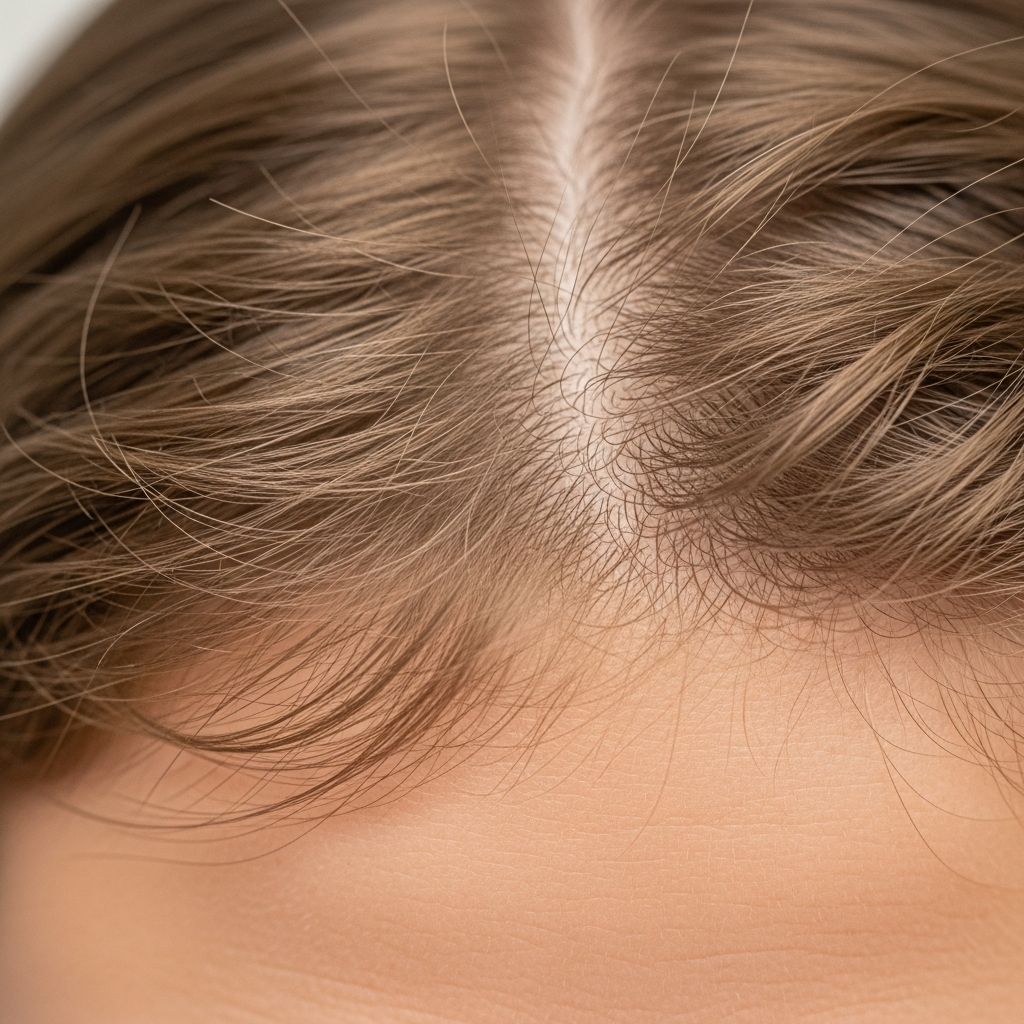
Diffuse alopecia refers to uniform hair thinning or excessive shedding across the entire scalp, distinguishing it from patchy forms like typical alopecia areata. It arises from conditions accelerating the hair cycle, causing telogen (resting phase) release or anagen (growth phase) arrest, or from gradual follicle miniaturization in patterned hair loss.
What is diffuse alopecia?
Diffuse alopecia manifests as widespread reduction in scalp hair density without focal bald patches or scarring. It encompasses acute excessive shedding (effluviums) and chronic thinning from androgenetic influences. Up to 30–50% of scalp hair may shed, revealing scalp or unmasking underlying pattern loss. This non-scarring alopecia affects both sexes, peaking between ages 30–50, and is often reversible if the trigger resolves.
Patients report increased daily hair loss exceeding 100 strands, ponytail thinning, or visible scalp under lighting. Unlike androgenetic alopecia’s frontal/crown recession, diffuse loss spans the entire scalp uniformly.
Who gets diffuse alopecia (epidemiology)?
Diffuse alopecia impacts men and women equally, though women notice it more due to styling. Telogen effluvium triggers affect 30–50% of hairs post-event, common after childbirth, illness, or stress. Androgenetic forms follow genetic predisposition, with diffuse variants more prevalent in women. Incidence rises with age, hormonal shifts, and comorbidities like thyroid disease.
Causes
Diffuse alopecia categorizes into excessive shedding (effluviums) or gradual thinning (patterned loss).
Excessive hair shedding
- Telogen effluvium: Physiologic (postpartum, post-surgery) or reactive (stress, drugs, malnutrition). Hairs enter telogen prematurely 3 months post-trigger.
- Anagen effluvium: Growth-phase arrest from chemotherapy/radiotherapy, causing 90% acute loss within 2 weeks.
- Drug-induced: Anticoagulants, beta-blockers, retinoids shift follicles to telogen.
Gradual diffuse hair thinning
- Male/female pattern hair loss (androgenetic alopecia): Genetic sensitivity to androgens miniaturizes follicles diffusely, especially in women with Ludwig pattern.
- Diffuse alopecia areata: Autoimmune variant mimicking telogen effluvium with uniform thinning[10].
Other triggers
- Hormonal: Thyroid dysfunction, menopause, contraceptives.
- Nutritional: Iron/ferritin deficiency, zinc/vitamin D shortages.
- Systemic illness: Liver/kidney disease, infections.
Clinical features
Symptoms evolve rapidly in effluviums: >100 hairs/day on brush/pillow/shower, thinner ponytail, flatter crown, visible scalp. Hair pull test positives yield >4–6 telogen hairs. Scalp appears normal without scaling/inflammation.
In patterned thinning, miniaturization yields finer, lighter hairs; no acute shedding but progressive volume loss. Early signs: reduced density at crown/temples.
| Feature | Telogen Effluvium | Anagen Effluvium | Diffuse Androgenetic |
|---|---|---|---|
| Onset | 3 months post-trigger | 2 weeks post-chemo | Gradual, years |
| Shedding % | 30–50% | Up to 90% | Mild, chronic |
| Hair Pull | Positive diffuse | Positive (dystrophic) | Negative |
| Scalp | Normal | Normal | Normal |
Diagnosis
Diffuse alopecia is clinical, confirmed by history, exam, and tests excluding scarring/focal causes.
History
- Triggers: Recent illness, drugs, diet, stress, pregnancy.
- Progression: Acute shedding vs. insidious thinning.
- Family history: Patterned loss.
Related Stories



Examination
- Hair pull test: Positive in effluviums.
- Density/ponytail circumference measurement.
- Trichoscopy: Empty follicles, yellow dots (telogen); exclamation mark hairs (alopecia areata).
Laboratory investigations
- Routine: Ferritin, TSH/T4 (thyroid), CBC.
- Selective: Zinc, vitamin D, hormones (testosterone, DHEAS), autoantibodies.
Biopsy rarely needed but shows telogen ‘swarm’ in effluvium vs. miniaturization ratio >20% in androgenetic.
Management
Treatment targets etiology; effluviums often self-resolve in 3–6 months post-trigger removal.
Telogen effluvium
Discontinue precipitants (e.g., drugs). No routine therapy; reassure on reversibility. Supplements if deficient.
Anagen effluvium
Scalp cooling, topical minoxidil hasten regrowth post-chemo.
Pattern hair loss
- Minoxidil 5% topical: Prolongs anagen, improves density.
- Finasteride/dutasteride (men): Blocks DHT.
- Antiandrogens (women): Spironolactone, OCP.
Diffuse alopecia areata
Corticosteroids (topical/intralesional), JAK inhibitors, minoxidil.
Supportive
- Gentle care: Avoid traction/heat.
- Nutrition: Protein, iron-rich diet.
- Stress reduction.
Prognosis
Acute effluviums recover fully within 6–12 months sans ongoing triggers. Residual pattern loss possible in predisposed. Chronic forms stabilize with therapy but rarely reverse completely. Early intervention prevents progression.
Frequently Asked Questions
Q: Is diffuse alopecia permanent?
A: Effluvium types are temporary and reversible; patterned forms are chronic but manageable.
Q: How much hair loss indicates diffuse alopecia?
A: >100 hairs/day with visible thinning; pull test positive.
Q: Can stress alone cause it?
A: Yes, via telogen effluvium 3 months post-event.
Q: When to see a doctor?
A: Persistent shedding >3 months, sudden onset, or associated symptoms.
References
- Diffuse alopecia: Causes, Symptoms and Treatment — Kopelman Hair. 2023. https://kopelmanhair.com/blog/diffuse-alopecia/
- DIFFUSE ALOPECIA: symptoms and treatment — Hospital Capilar. 2024. https://hospitalcapilar.com/en/alopecia-difusa/
- Diagnosing and Treating Hair Loss — American Academy of Family Physicians (AAFP). 2009-08-15. https://www.aafp.org/pubs/afp/issues/2009/0815/p356.html
- Diffuse alopecia — DermNet NZ. 2024. https://dermnetnz.org/topics/diffuse-alopecia
Similar Articles








Read full bio of Sneha Tete