Diflucortolone for Severe Inflammatory Skin Conditions
Comprehensive guide to using diflucortolone (Nerisone, Nerisone Forte) for treating severe eczema, dermatitis, and other inflammatory skin issues effectively.
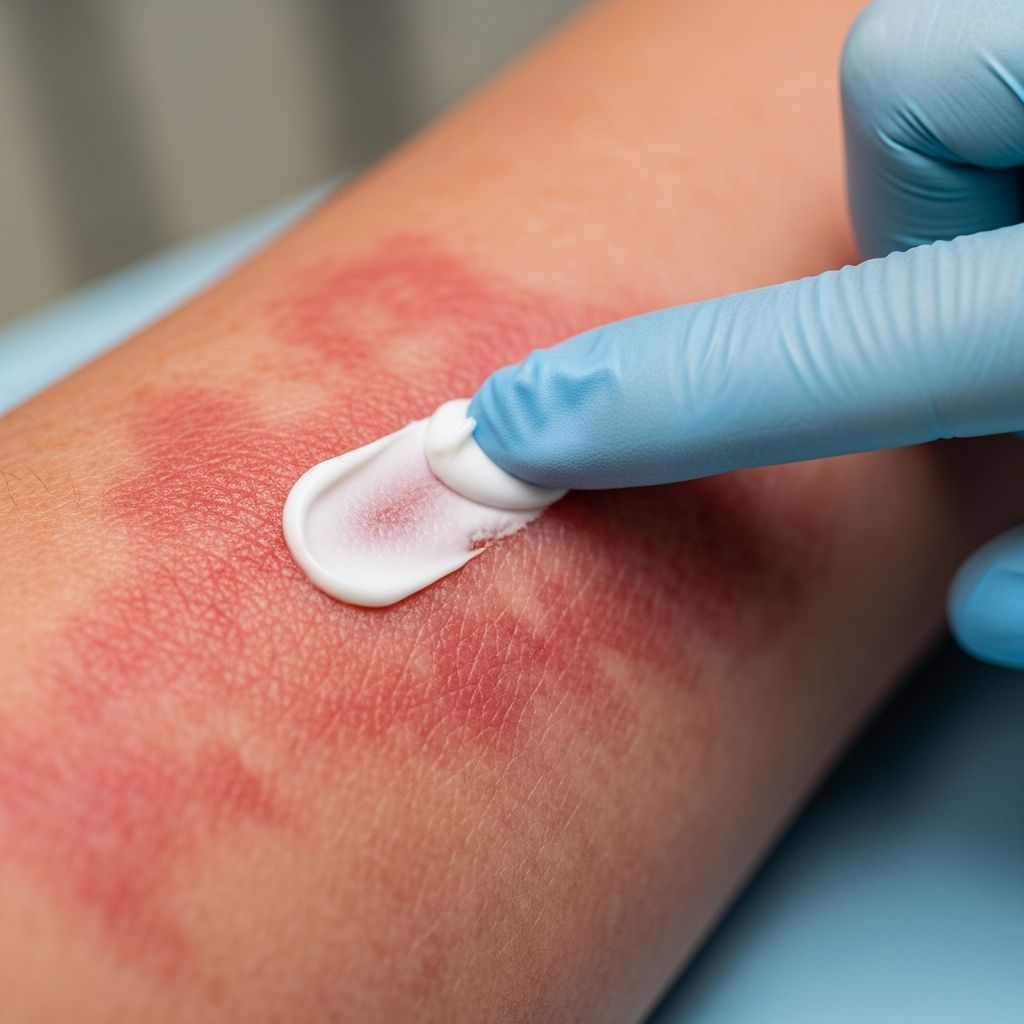
About diflucortolone
Diflucortolone is a highly effective topical corticosteroid designed specifically for managing severe inflammatory skin conditions such as eczema and dermatitis.
| Type of medicine | A potent topical corticosteroid |
|---|---|
| Used for | Inflammatory skin conditions such as severe eczema and dermatitis |
| Also called | Nerisone® (discontinued); Nerisone Forte® (discontinued) |
| Available as | Cream, oily cream and ointment |
Diflucortolone belongs to the class of potent topical corticosteroids, commonly known as topical steroids. These medications are typically used alongside moisturizers (emollients) to treat inflammatory skin disorders like eczema and dermatitis. When patches of these conditions flare up, diflucortolone helps alleviate symptoms by reducing inflammation, itching, and redness. It does not cure the underlying condition but provides significant relief during flare-ups.
In certain cases, specialist dermatologists may prescribe a short course of diflucortolone for psoriasis, though it is not the first-line treatment for this condition. Diflucortolone is generally not recommended for children, but specialists may prescribe it under specific circumstances with close monitoring.
Diflucortolone comes in various formulations to suit different skin types: a cream for moist or weeping areas, an ointment for dry skin, and an oily cream for particularly dry or scaly patches. There are two main strengths available: 0.1% diflucortolone (potent, e.g., Nerisone®) and 0.3% diflucortolone (very potent, e.g., Nerisone Forte®). The higher strength is reserved for flare-ups unresponsive to milder steroids, and treatment strength should be stepped down as symptoms improve.
Clinical studies have demonstrated diflucortolone’s efficacy. For instance, a double-blind study comparing diflucortolone valerate 0.3% to clobetasol propionate 0.05% showed marked improvement or healing in 81% of patients with the former and 84% with the latter, with no significant differences in efficacy or side effects. This confirms its position as a highly effective option for recalcitrant dermatoses.
Before using diflucortolone
Before starting diflucortolone, consult your doctor to ensure it is suitable. Key considerations include:
- Any areas of infected skin – diflucortolone should not be used on infections.
- Rosacea or acne – contraindicated in these conditions.
- Pregnancy or breastfeeding – discuss risks, as systemic absorption is possible.
- History of allergic reactions to skin preparations.
Inform your doctor of these factors, as topical corticosteroids can be absorbed systemically, especially if used over large areas or under occlusion. Patients with perianal/genital pruritus, perioral dermatitis, or acne vulgaris should avoid it. Caution is advised near the eyes due to risks of glaucoma or cataracts.
In pediatrics, it is contraindicated under 1 year and used cautiously in older children due to higher absorption risks. Geriatric patients may require minimal use due to potential renal/hepatic impairment increasing systemic effects.
How to use diflucortolone
Always read the manufacturer’s leaflet for detailed instructions on topical steroids and potential side effects. Apply a thin layer to inflamed areas and gently massage until absorbed. Use only on affected skin, avoiding open sores or infections.
Related Stories



Frequency: No more than twice daily, often once is enough. If using multiple corticosteroids, clarify usage with your doctor or pharmacist. Avoid face application unless directed by a specialist, and keep away from eyes. Do not use occlusive dressings unless advised, as they increase absorption and side effect risks.
Treatment duration: Continue until flare-up control, typically 7 days. Nerisone Forte® max 2 weeks; Nerisone® max 4 weeks. If no improvement, consult your doctor. Step down to milder steroids or emollients post-control.
For optimal results, combine with regular emollient use. A fingertip unit (FTU) – from fingertip to first crease – covers two adult hand areas thinly. This minimizes overuse.
How to use the cream/ointment
Use sparingly: Only a small amount is needed. Apply thinly to affected areas and massage gently until it disappears. Wash hands after unless treating hands.
Children: Avoid long-term or large-area use due to absorption risks.
Infected skin: Do not apply; seek antimicrobial treatment first.
Warnings for diflucortolone
Topical corticosteroids like diflucortolone require caution:
- Avoid thin skin areas (face, armpits, groin) long-term to prevent thinning, stretch marks, or telangiectasia.
- Short courses only; prolonged use risks local (skin thinning, acne, rosacea) and systemic effects (adrenal suppression).
- Do not exceed recommended duration or area.
Side-effects of diflucortolone
Side effects are rare with short-term, correct use. Common early effects include burning/smarting, which improve. Long-term risks:
| Side effect | Details |
|---|---|
| Burning or smarting | May occur initially but usually resolves |
| Skin thinning, stretch marks | With prolonged use |
| Allergic dermatitis, acne, rosacea, excess hair | Rare, site-specific with overuse |
Systemic effects (e.g., Cushing’s syndrome) possible with excessive use, especially in children. Overdose requires gradual withdrawal. Report persistent issues to your doctor.
How to cope with diflucortolone side-effects
Burning: Often temporary; persists, consult doctor. Skin changes: Stop and seek advice. If infection signs (pus, warmth), discontinue and get treatment.
Pregnancy and breastfeeding
Not recommended unless benefits outweigh risks. Minimal use advised; consult doctor. Avoid large areas or broken skin.
Other medicines and diflucortolone
Inform doctor of other topicals. Avoid combining strong steroids without advice.
Common questions about diflucortolone
How does diflucortolone work? It reduces inflammation, itching, and redness via anti-inflammatory, antipruritic, and vasoconstrictor actions.
Is diflucortolone safe for long-term use? No, limit to short courses to avoid side effects.
Can I use it on my face? Only if prescribed by specialist; briefly.
What if symptoms don’t improve? See doctor after max duration.
Id=’frequently-asked-questions’>Frequently Asked Questions (FAQs)
Q: What is diflucortolone used for?
A: Primarily for severe eczema, dermatitis; occasionally psoriasis under specialist care.
Q: What are the two strengths of diflucortolone?
A: 0.1% (potent, Nerisone) and 0.3% (very potent, Nerisone Forte).
Q: How long can I use Nerisone Forte?
A: Maximum 2 weeks; Nerisone up to 4 weeks.
Q: Is it safe for children?
A: Not generally; contraindicated under 1 year, use cautiously if prescribed.
Q: What are common side effects?
A: Burning initially; long-term: skin thinning, stretch marks.
References
- Diflucortolone for severe inflammatory skin conditions – Patient.info — Patient.info. 2023. https://patient.info/medicine/diflucortolone-for-severe-inflammatory-skin-conditions-nerisone-nerisone-forte
- A study of the comparative efficacy of diflucortolone valerate 0.3%… — PubMed (Peer-reviewed). 1978-09-09. https://pubmed.ncbi.nlm.nih.gov/361059/
- NERISONE® (diflucortolone valerate) Product Monograph — Health Canada (Official PDF). 2023. https://pdf.hres.ca/dpd_pm/00037898.PDF
- Nerisone – Uses, Side Effects, Interactions — MedBroadcast.com. 2023. https://medbroadcast.com/drug/getdrug/nerisone
- Summary of Product Characteristics – Nerisone Forte — MHRA (Official). 2023. https://mhraproducts4853.blob.core.windows.net/docs/d463d7301930fa63d08126b53cbbbad22608c2c2
Similar Articles








Read full bio of medha deb