DiGeorge Syndrome: Symptoms, Diagnosis & Treatment
Comprehensive guide to DiGeorge syndrome: Understanding symptoms, diagnosis, and management strategies.
DiGeorge Syndrome: Understanding 22q11.2 Deletion Syndrome
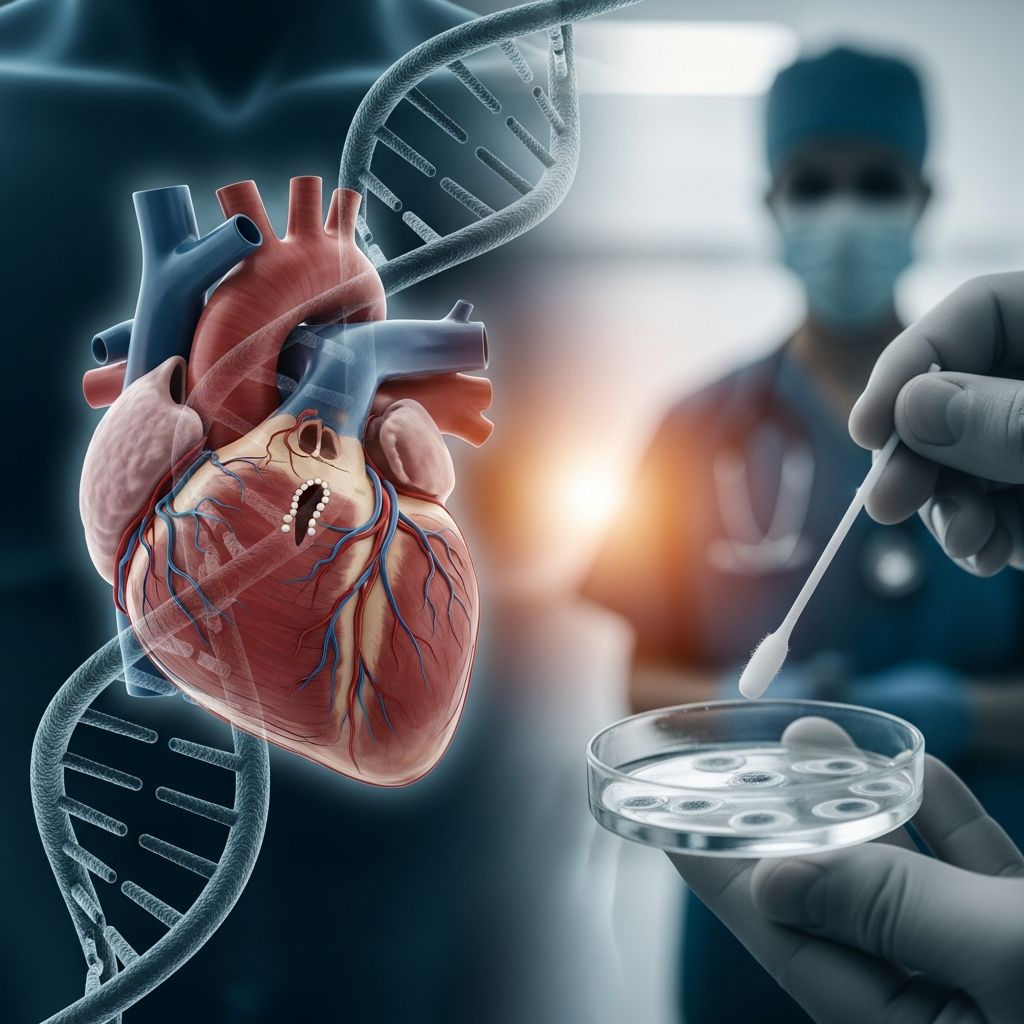
DiGeorge syndrome, also known as 22q11.2 deletion syndrome, is a rare congenital disorder caused by a small deletion on chromosome 22. This genetic abnormality affects the development of multiple organ systems during fetal growth, resulting in a spectrum of clinical manifestations that vary significantly between individuals. The condition is typically diagnosed in infancy or early childhood and is a lifelong disorder requiring comprehensive, multi-specialty medical management.
The syndrome was named after Dr. Harry DiGeorge, who first described the condition in 1968. However, it has also been referred to by several other names, including velocardiofacial syndrome (VCFS) or Shprintzen syndrome, conotruncal anomaly face syndrome, and certain cases of Opitz G/BBB syndrome and Cayler cardiofacial syndrome, reflecting the diverse presentation of symptoms associated with the 22q11.2 deletion.
Distinctive Facial Features
One of the most recognizable aspects of DiGeorge syndrome is the distinctive set of facial characteristics that often accompany the condition. These facial features result from abnormal cell and tissue development during fetal growth and serve as important clinical clues for diagnosis.
Common facial features associated with DiGeorge syndrome include:
- Underdeveloped or receding chin
- Low-set or abnormally positioned ears
- Wide-set eyes with short eye openings (short palpebral fissures)
- Hooded or heavy eyelids
- Enlarged or bulbous nose tip
- Short or flattened groove in the upper lip (short philtrum)
- Small mouth
- Relatively long face
- Asymmetric crying facies (muscles on one side of the mouth may not develop fully, causing one side of the mouth to droop when crying, though the face appears balanced at rest)
It is important to note that there is great phenotypic variability associated with DiGeorge syndrome, meaning that not all individuals will present with the same combination of facial features. Some patients may have very subtle facial characteristics, while others display more pronounced features. This variability can make diagnosis challenging, particularly in cases with mild or atypical presentations.
Systemic Manifestations and Complications
Beyond facial features, DiGeorge syndrome can affect multiple organ systems throughout the body. The complications arising from this condition are varied and depend largely on which tissues and organs were affected during fetal development and the severity of those abnormalities.
Cardiac Complications
Heart defects are among the most common and potentially serious complications of DiGeorge syndrome. These cardiac abnormalities can include structural problems with the heart chambers, vessel defects, heart murmurs, and in some cases, cyanosis—a bluish discoloration of the skin resulting from poor circulation of oxygenated blood. The presence of a heart defect is an important clinical finding, though it alone is not diagnostic of DiGeorge syndrome without supporting evidence from genetic testing.
Immune System Dysfunction
The thymus gland, located beneath the breastbone, is where T cells (a critical type of white blood cell) mature and develop. In individuals with DiGeorge syndrome, the thymus gland may be small, underdeveloped, or completely absent. This thymus dysfunction leads to compromised immune function, resulting in a higher susceptibility to infections such as ear infections, oral thrush, and chest infections. The severity of immune deficiency varies; some individuals experience only mild immune compromise that improves with age, while others require aggressive immunological intervention.
Related Stories



In cases where T cell development is severely affected, treatment may involve bone marrow transplantation or thymus tissue transplantation to help restore immune function. For milder cases, management typically includes prophylactic antibiotics, close clinical follow-up, and standard immunization protocols, with vaccine scheduling usually similar to children without the condition. As children with DiGeorge syndrome mature, immune function generally becomes stronger.
Parathyroid and Calcium Metabolism
Hypoparathyroidism, a condition characterized by inadequate parathyroid gland function, is another common complication of DiGeorge syndrome. This leads to low levels of calcium in the blood, which can result in various clinical manifestations including muscle weakness, seizures, and other neurological symptoms if left untreated. Treatment for hypoparathyroidism includes supplementation with vitamin D, calcium, and in some cases, parathyroid hormone to maintain appropriate calcium levels.
Palatal and Feeding Abnormalities
Approximately 70-80% of individuals with DiGeorge syndrome have palatal abnormalities, which may include cleft palate, velopharyngeal insufficiency, or other structural anomalies of the palate and lip. These conditions can lead to significant feeding difficulties, failure to gain weight appropriately, and gastrointestinal problems. Nasal-sounding speech may occur when a cleft palate is involved. Many of these palatal defects can be successfully repaired through surgical intervention, with timing and approach determined by the severity of the condition and the patient’s overall health status.
Additional Complications
DiGeorge syndrome can be associated with a wide spectrum of additional disorders affecting various body systems:
- Hearing loss and ear-related problems, sometimes requiring ear tubes or hearing aids
- Vision problems and other eye abnormalities
- Kidney and genital differences
- Skeletal abnormalities including scoliosis (unusually curved spine) and leg pain
- Bone, muscle, and joint problems, including rheumatoid arthritis
- Short stature and delayed growth
- Delayed developmental milestones such as delays in rolling over, sitting up, walking, and talking
- Learning delays and intellectual disabilities
- Behavioral and emotional problems, including increased risk for schizophrenia, anxiety disorders, and other mental health conditions in adolescents and adults
- Autoimmune disorders
- Speech difficulties requiring speech therapy
Diagnosis and Genetic Testing
DiGeorge syndrome is diagnosed based on a combination of clinical presentation, physical examination findings, and genetic testing. While the presence of heart defects, distinctive facial features, or immune dysfunction may raise suspicion for the condition, definitive diagnosis requires genetic confirmation.
The gold standard diagnostic test is fluorescence in situ hybridization (FISH) or chromosomal microarray, which detects the deletion on chromosome 22. These molecular genetic tests can identify the 22q11.2 deletion with high accuracy and specificity. Diagnosis is typically made in infancy or early childhood when characteristic features become apparent, though some individuals may not receive a diagnosis until later in life if their presentation is atypical or mild.
Treatment and Management
There is currently no cure for DiGeorge syndrome. Treatment is entirely symptomatic and supportive, focused on identifying and managing the specific complications that develop in each individual patient. Because the organs and tissues involved and the severity of abnormalities vary substantially between patients, treatment plans must be highly personalized.
A multi-specialty approach to treatment is essential, as DiGeorge syndrome can require expertise from numerous medical specialties including:
- Immunology and infectious disease
- Cardiology
- Otolaryngology (ENT)
- Genetics
- Speech-language pathology
- Developmental pediatrics
- Orthopedics
- Psychiatry and behavioral health
- Gastroenterology and nutrition
Specific Treatment Interventions
For Immune Dysfunction: Mild T cell problems can often be managed with prophylactic antibiotics and close clinical monitoring. Vaccine schedules typically follow standard protocols, though response to vaccines may be variable. In severe cases with profound T cell deficiency, bone marrow or thymus transplantation may be necessary to restore immune function.
For Cardiac Defects: Depending on the type and severity of the heart defect, surgical correction may be required. Some cardiac abnormalities resolve spontaneously, while others necessitate surgical intervention to restore normal cardiac function and prevent complications.
For Calcium and Parathyroid Problems: Treatment includes vitamin D supplementation, calcium supplementation, and in some cases parathyroid hormone replacement therapy to maintain appropriate serum calcium levels and prevent complications from hypocalcemia.
For Palatal and Feeding Issues: Surgical repair of cleft palate and other palatal abnormalities is typically performed. Speech therapy helps address articulation difficulties and nasal-sounding speech. Dietary modifications and sometimes temporary feeding tubes support adequate nutritional intake and weight gain during infancy and early childhood.
For Speech and Developmental Delays: Speech-language pathology intervention addresses speech delays and articulation problems. Developmental support and early intervention services help address motor and cognitive delays. Physical and occupational therapy improve strength, coordination, and functional abilities.
For Hearing and Vision: Audiological assessment and intervention, including hearing aids or ear tubes when indicated, address hearing impairment. Ophthalmological care manages vision problems and eye abnormalities.
For Skeletal and Orthopedic Issues: Physiotherapy addresses strength and movement problems. Podiatric care and orthotic devices such as shoe inserts help manage leg pain and other musculoskeletal complications. Scoliosis may require bracing or surgical correction depending on severity.
For Mental Health: Behavioral and psychological support addresses anxiety disorders, mood disorders, and other psychiatric manifestations that may emerge during adolescence and adulthood.
Prognosis and Long-Term Outcomes
The prognosis for individuals with DiGeorge syndrome varies considerably depending on the severity of the genetic deletion and which organ systems are affected. Individuals with mild immune dysfunction and no significant cardiac abnormalities generally have an excellent long-term prognosis. Those with severe immune deficiency or complex cardiac anomalies may face greater challenges, though advances in transplantation techniques and comprehensive medical management have significantly improved outcomes.
Children and adults with DiGeorge syndrome require ongoing medical surveillance and monitoring to detect and manage complications as they arise. With appropriate multidisciplinary care and early intervention, most individuals with DiGeorge syndrome can achieve good functional outcomes and quality of life.
Frequently Asked Questions
Q: Is DiGeorge syndrome hereditary?
A: While DiGeorge syndrome is caused by a genetic deletion on chromosome 22, most cases arise from de novo (spontaneous) deletions and are not inherited from parents. However, approximately 10% of cases show autosomal dominant inheritance, meaning an affected parent has a 50% chance of passing the condition to each child. Genetic counseling is recommended for families with DiGeorge syndrome.
Q: Can DiGeorge syndrome be detected prenatally?
A: Yes, prenatal diagnosis is possible through techniques such as prenatal ultrasound, chorionic villus sampling (CVS), or amniocentesis with chromosomal microarray analysis. However, not all cases are detected prenatally, particularly those with mild or atypical presentations.
Q: Do all individuals with DiGeorge syndrome have facial features?
A: No. While distinctive facial features are common, significant phenotypic variability exists. Some individuals have subtle facial characteristics, while others have very pronounced features. Some may have no noticeable facial features at all.
Q: Will my child outgrow DiGeorge syndrome?
A: DiGeorge syndrome is a lifelong condition; it cannot be outgrown. However, many symptoms and complications can improve over time. For example, immune function typically becomes stronger as children mature, and some individuals experience resolution or improvement of certain manifestations with appropriate treatment.
Q: What is the life expectancy for someone with DiGeorge syndrome?
A: Life expectancy depends on the severity of organ involvement, particularly cardiac and immune complications. With modern medical management and surgical intervention when needed, many individuals with DiGeorge syndrome have a normal or near-normal life expectancy. Severe cases may have a reduced life expectancy depending on the extent of cardiac and immune involvement.
Q: Are there support groups for families with DiGeorge syndrome?
A: Yes. The Immune Deficiency Foundation and other patient advocacy organizations provide resources, support groups, and educational materials for families affected by DiGeorge syndrome and other primary immunodeficiency disorders.
References
- Dermatological clues to the diagnosis of atypical complete DiGeorge syndrome — Seminario-Vidal L, et al., Department of Dermatology, University of Alabama at Birmingham. 2016. https://pubmed.ncbi.nlm.nih.gov/28329565/
- DiGeorge syndrome (22q11.2 deletion syndrome) — Mayo Clinic. 2024. https://www.mayoclinic.org/diseases-conditions/digeorge-syndrome/symptoms-causes/syc-20353543
- DiGeorge Syndrome (DGS) Symptoms, Diagnosis and Treatment — American Academy of Allergy, Asthma & Immunology (AAAAI). 2024. https://www.aaaai.org/conditions-treatments/primary-immunodeficiency-disease/digeorge-syndrome
- DiGeorge syndrome (22q11 deletion) — NHS (National Health Service). 2024. https://www.nhs.uk/conditions/digeorge-syndrome/
- DiGeorge syndrome: Causes, symptoms, and treatment — Medical News Today. 2023. https://www.medicalnewstoday.com/articles/308533
Similar Articles








Read full bio of Sneha Tete