Digestive Diagnostics Guide: Tests, Prep, And What To Expect
Comprehensive overview of essential tests and procedures for evaluating digestive health and identifying gastrointestinal disorders effectively.
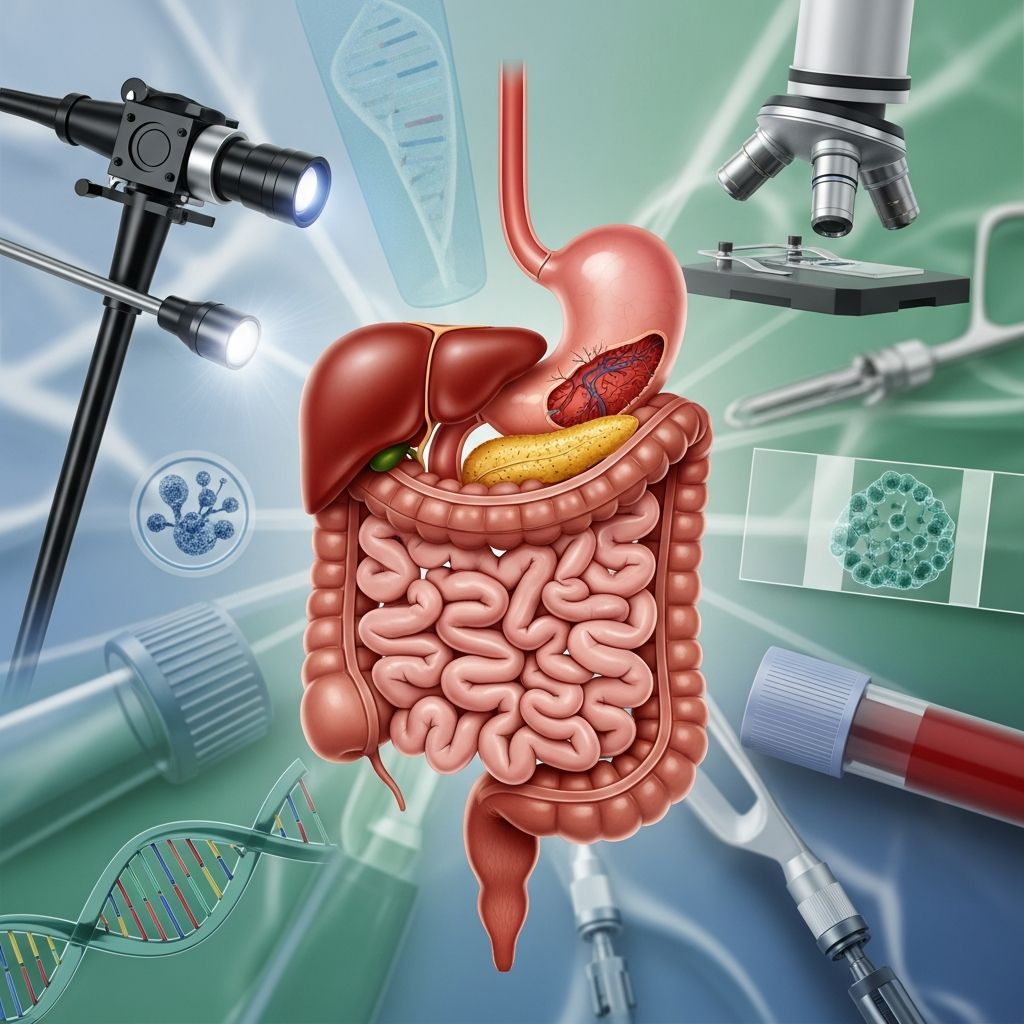
The digestive system plays a crucial role in breaking down food, absorbing nutrients, and eliminating waste. When issues arise, such as persistent pain, irregular bowel habits, or unexplained weight loss, healthcare providers rely on specialized tests to pinpoint the cause. This guide details common diagnostic procedures used to examine the gastrointestinal (GI) tract, offering insights into their purposes, how they work, and patient experiences. Understanding these tools empowers individuals to prepare effectively and engage confidently with their care team.
Why Diagnostic Tests Matter for GI Health
Diagnostic tests for the digestive system help detect conditions ranging from inflammation and infections to cancers and motility disorders. Early identification through these methods can lead to timely interventions, improving outcomes significantly. Procedures vary from non-invasive imaging to more involved endoscopic examinations, each tailored to specific symptoms and anatomical regions.
Endoscopic Examinations: Direct Visualization of the Gut
Endoscopy involves inserting a flexible tube equipped with a camera into the body to view internal structures directly. These procedures allow doctors to inspect tissues, take biopsies, and sometimes treat issues on the spot.
Upper Endoscopy (Esophagogastroduodenoscopy or EGD)
An upper endoscopy examines the esophagus, stomach, and the initial part of the small intestine (duodenum). It is commonly recommended for symptoms like heartburn, swallowing difficulties, nausea, or upper abdominal pain. The patient is typically sedated, and the endoscope passes through the mouth. Doctors can identify ulcers, inflammation, or abnormal growths, and perform biopsies if needed.
Colonoscopy: The Cornerstone of Colorectal Screening
Colonoscopy provides a thorough view of the large intestine (colon) and rectum. It is the gold standard for detecting polyps, tumors, or signs of inflammatory bowel disease (IBD). Preparation involves a clear liquid diet and laxatives to empty the bowel. Under sedation, the scope is inserted via the rectum, enabling polyp removal or biopsy during the procedure. Regular screening starting at age 45 is advised for average-risk individuals.
Advanced Endoscopic Techniques
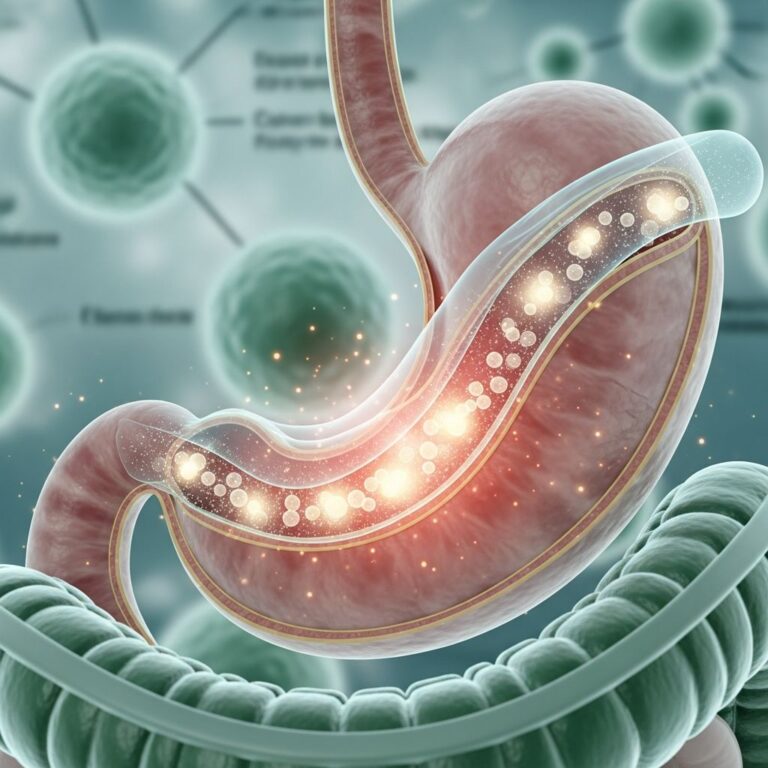
- Capsule Endoscopy: Patients swallow a small, pill-sized camera that captures thousands of images as it travels through the small intestine, an area hard to reach with traditional scopes. Ideal for diagnosing Crohn’s disease or obscure bleeding. The capsule is naturally expelled after 1-2 days.
- Endoscopic Retrograde Cholangiopancreatography (ERCP): Combines endoscopy with X-rays to evaluate bile and pancreatic ducts. Useful for gallstones or blockages, it allows stone removal or stent placement.
- Endoscopic Ultrasound (EUS): Pairs an endoscope with ultrasound for detailed imaging of the digestive wall and nearby organs, aiding in cancer staging or cyst evaluation.
Imaging-Based Tests: Non-Invasive Insights
Imaging tests use X-rays, sound waves, or magnetic fields to create pictures of the digestive organs without direct insertion of instruments. They are often initial steps in diagnosis.
Barium Studies for Structural Assessment
Barium swallow (upper GI series) requires drinking a chalky barium solution that coats the esophagus and stomach, followed by X-rays to reveal swallowing issues, reflux, or hiatal hernias. For the lower tract, a barium enema fills the colon via the rectum, highlighting diverticula or strictures.
| Test Type | Area Examined | Preparation | Duration |
|---|---|---|---|
| Upper GI Series | Esophagus, Stomach, Duodenum | Fast overnight; drink barium | 30-60 minutes |
| Lower GI Series (Barium Enema) | Colon, Rectum | Laxatives, enema | 45-90 minutes |
| Small Bowel Follow-Through | Small Intestine | Drink barium; serial X-rays | 2-4 hours |
Related Stories



Cross-Sectional Imaging: CT and MRI
Computed Tomography (CT) scans provide detailed cross-sections of the abdomen, detecting appendicitis, abscesses, or tumors. MRI enterography focuses on the small bowel using contrast for IBD assessment. These are radiation-free alternatives for certain patients.
Ultrasound Applications
Abdominal ultrasound uses sound waves to evaluate the liver, gallbladder, pancreas, and kidneys. It is quick, painless, and ideal for gallstones or fluid collections, often performed without preparation beyond fasting.
Motility and Functional Tests: Measuring Gut Performance
These assess how well the digestive muscles contract and relax, crucial for disorders like achalasia or irritable bowel syndrome.
Manometry Studies
Esophageal manometry inserts a catheter through the nose to measure pressure and coordination during swallowing. Anorectal manometry evaluates sphincter function for incontinence. Gastric manometry checks stomach emptying.
Breath Tests for Intolerances
Hydrogen breath tests diagnose lactose intolerance or small intestinal bacterial overgrowth (SIBO). After consuming a sugar solution, breath samples measure gas levels produced by gut bacteria. Non-invasive and completed in 2-3 hours.
Laboratory and Stool-Based Screening
Blood tests check for anemia, inflammation (e.g., CRP, calprotectin), or liver enzymes. Stool tests like the Fecal Immunochemical Test (FIT) detect hidden blood for colorectal cancer screening, requiring no dietary changes. Stool cultures identify infections.
Preparation Tips and What to Expect
Most procedures require fasting, bowel prep, or medication adjustments. Sedation minimizes discomfort, with recovery times varying from minutes (endoscopy) to days (capsule passage). Discuss allergies, medications, and anxiety with your provider.
- Follow prep instructions precisely to avoid rescheduling.
- Arrange transportation post-sedation.
- Report symptoms like fever or severe pain immediately after.
Risks, Recovery, and Follow-Up
Complications are rare (e.g., perforation <0.1% for colonoscopy), but include bleeding or sedation reactions. Recovery involves rest and light diets. Results guide next steps, from lifestyle changes to surgery.
FAQs on Digestive Diagnostic Procedures
How do I prepare for a colonoscopy?
Typically, a low-fiber diet days before, full liquid diet the day prior, and strong laxatives to clear the bowel. Hydrate well.
Is sedation always used in endoscopy?
Most often yes, for comfort, but some opt for unsedated minimal sedation.
Can these tests diagnose IBS?
They rule out other causes; IBS is a diagnosis of exclusion based on symptoms.
How accurate is capsule endoscopy?
Highly effective for small bowel visualization, with over 90% completion rates.
What if I’m claustrophobic for MRI?
Open MRI options or mild sedation can help.
Choosing the Right Test for Your Symptoms
Symptom patterns guide selection: upper pain suggests EGD; lower bleeding prompts colonoscopy; bloating may need breath tests. Multidisciplinary teams, including gastroenterologists and radiologists, ensure optimal choices.
In summary, digestive diagnostics blend technology and expertise to unravel gut mysteries. Staying informed enhances the patient journey toward better health.
References
- 7 Common Gastroenterology Tests — North Shore Gastroenterology. 2023-04-07. https://www.northshoregastro.org/2023/04/07/7-common-gastroenterology-tests/
- Gastrointestinal (GI) Exams: Definition & Procedure — Cleveland Clinic. Accessed 2026. https://my.clevelandclinic.org/health/diagnostics/22018-gastrointestinal-gi-exams
- Navigating the World of Digestive Diagnostic Procedures: A Patient’s Guide — MDHN GI. Accessed 2026. https://www.mdhngi.com/blog/navigating-the-world-of-digestive-diagnostic-procedures-a-patients-guide
- Diagnostic Tests and Procedures — Gastrointestinal Society (badgut.org). Accessed 2026. https://badgut.org/information-centre/diagnostic-tests-and-procedures/
- Techniques for Digestive System Disorders — NCBI Bookshelf, NIH. 2023. https://www.ncbi.nlm.nih.gov/books/NBK593676/
- Gastrointestinal (GI) Procedure — University of Rochester Medical Center. Accessed 2026. https://www.urmc.rochester.edu/conditions-and-treatments/gastrointestinal-procedure
Similar Articles








Read full bio of medha deb