Digestive Enzymes and Digestive Enzyme Supplements
Understanding digestive enzymes and their role in health and wellness.
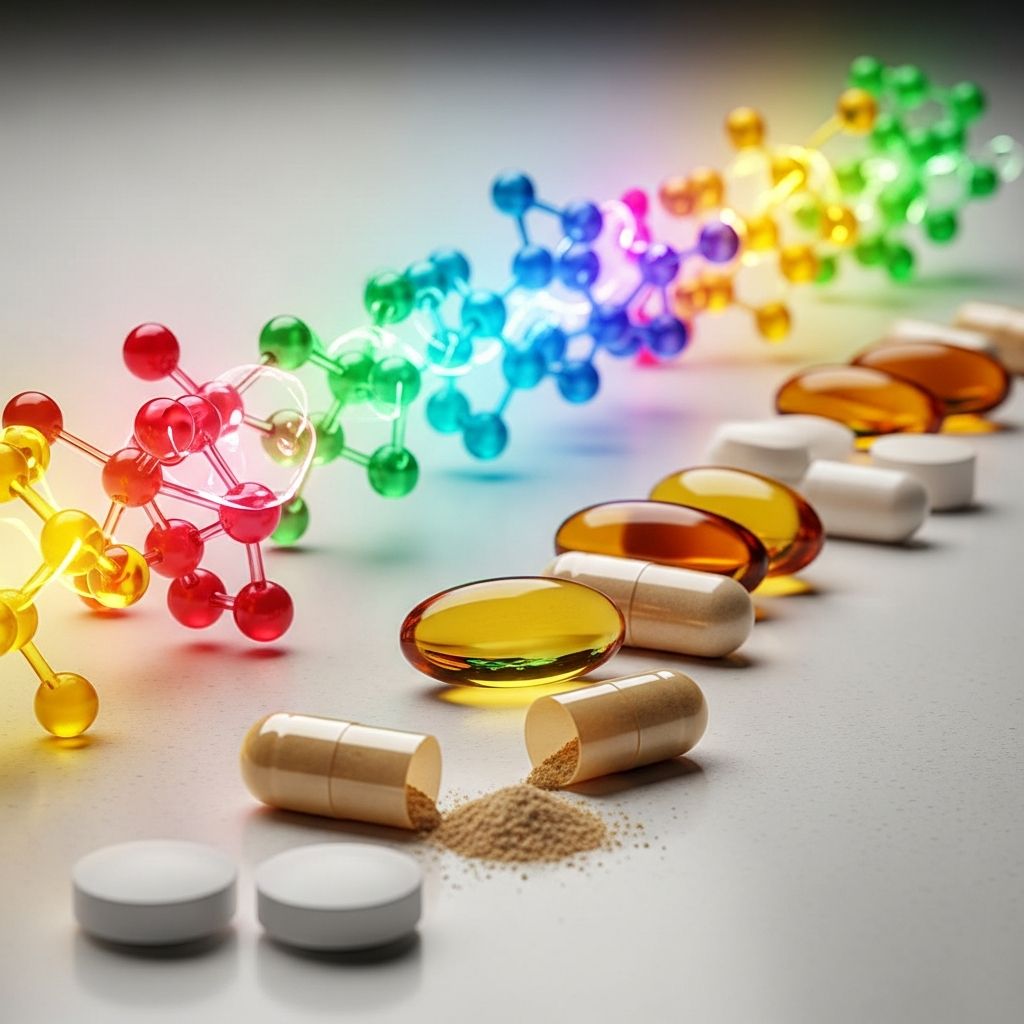
What Are Digestive Enzymes?
Digestive enzymes are specialized proteins produced by the body to break down food into nutrients that can be absorbed and used for energy, growth, and repair. These enzymes are secreted by various organs, including the salivary glands, stomach, pancreas, and small intestine. The main types of digestive enzymes include:
- Proteases: Break down proteins into amino acids.
- Carbohydrases: Break down carbohydrates into simple sugars.
- Lipases: Break down fats into fatty acids and glycerol.
Without sufficient digestive enzymes, the body may struggle to absorb nutrients, leading to digestive discomfort and potential deficiencies.
How Do Digestive Enzymes Work?
Digestive enzymes work by catalyzing chemical reactions that break down complex molecules in food. For example, amylase in saliva begins breaking down starches, while pepsin in the stomach starts protein digestion. In the small intestine, pancreatic enzymes such as lipase, protease, and amylase continue the process, ensuring that nutrients are efficiently absorbed.
When Are Digestive Enzyme Supplements Needed?
Digestive enzyme supplements are typically recommended for individuals with conditions that impair the body’s natural enzyme production. These conditions include:
- Pancreatic insufficiency: The pancreas does not produce enough enzymes, often due to chronic pancreatitis, cystic fibrosis, or pancreatic surgery.
- Exocrine pancreatic insufficiency (EPI): A condition where the pancreas fails to secrete adequate digestive enzymes, leading to malabsorption and weight loss.
- Other gastrointestinal disorders: Certain diseases or surgeries affecting the digestive tract may also necessitate enzyme supplementation.
Supplements can help alleviate symptoms such as bloating, gas, diarrhea, and nutrient deficiencies in these individuals.
Types of Digestive Enzyme Supplements
Digestive enzyme supplements come in various forms and formulations, each designed to target specific digestive needs. Common types include:
- Pancreatic enzyme supplements: Contain a mix of lipase, protease, and amylase to mimic the enzymes produced by the pancreas.
- Plant-based enzymes: Derived from sources like pineapple (bromelain) and papaya (papain), these enzymes can aid in protein digestion.
- Specialized enzyme blends: Formulated for specific dietary needs, such as lactase for lactose intolerance or alpha-galactosidase for gas reduction.
Common Digestive Enzyme Products
Several prescription and over-the-counter digestive enzyme products are available. Some examples include:
| Product Name | Enzyme Content | Formulation |
|---|---|---|
| Pertzye | Lipase (8,000–16,000 units), Protease (28,750–57,500 units), Amylase (30,250–60,500 units) | Bicarbonate buffered enteric buffered microspheres |
| Pancrelipase | Lipase (5,000 units), Protease (17,000 units), Amylase (27,000 units) | Enteric coated beads |
| Zenpep | Lipase (3,000–25,000 units), Protease (10,000–85,000 units), Amylase (16,000–136,000 units) | Enteric coated beads |
| Creon | Lipase (3,000–12,000 units), Protease (9,500–38,000 units), Amylase (15,000–60,000 units) | Enteric coated microspheres |
| Pancreaze | Lipase (4,200–16,800 units), Protease (10,000–40,000 units), Amylase (17,500–70,000 units) | Enteric coated beads |
Side Effects and Risks of Digestive Enzyme Supplements
While digestive enzyme supplements are generally safe when used as directed, they can cause side effects in some individuals. Common side effects include:
Related Stories



- Diarrhea
- Abdominal pain or cramps
- Nausea
- Headache
- Nasal congestion
- Swelling of the legs and feet
- Rash
- Dizziness
- Low or high blood sugar
- Gas (flatulence)
More serious side effects, though rare, may include severe abdominal discomfort, frequent or painful urination, and joint pain. A very serious allergic reaction is also possible but uncommon.
Who Should Avoid Digestive Enzyme Supplements?
Digestive enzyme supplements are not suitable for everyone. Individuals with certain conditions should avoid these supplements or use them with caution:
- Acute gastrointestinal conditions: Such as peptic ulcers and pancreatitis, where the body may be over-secreting enzymes.
- Allergies: Individuals allergic to pork protein or other ingredients in the supplement.
- Blood thinners: Bromelain, an enzyme from pineapple, may have anti-platelet activity and increase the risk of bleeding in those taking blood thinners.
- Children with cystic fibrosis: There have been rare cases of adverse reactions, including fibrosing colonopathy.
How to Use Digestive Enzyme Supplements Safely
To minimize risks and maximize benefits, follow these guidelines:
- Consult a healthcare provider before starting any supplement regimen.
- Use the recommended dosage and do not exceed the maximum daily dose.
- Take supplements with meals to ensure they work effectively.
- Do not mix the contents of capsules with food or administer them alone, as this may cause irritation or loss of enzyme activity.
- Monitor for side effects and report any severe or persistent symptoms to a healthcare provider.
Pregnancy and Lactation
The use of digestive enzyme supplements during pregnancy and breastfeeding should be approached with caution. Animal studies have shown potential risks, and human studies are limited. The benefits should outweigh the risks, and consultation with a healthcare provider is essential.
FAQs About Digestive Enzyme Supplements
Can I take digestive enzyme supplements if I don’t have a diagnosed condition?
For most over-the-counter enzymes, the risks are minimal unless taken in super-high doses. However, there is limited evidence supporting their use in healthy individuals without digestive issues.
Are digestive enzyme supplements regulated?
The FDA has not reviewed most over-the-counter digestive enzyme supplements for safety or effectiveness. Prescription enzyme products are regulated and must meet specific standards.
Can digestive enzyme supplements cause dependency?
Long-term use of digestive enzyme supplements may inhibit the body’s natural enzyme production. It is recommended to use them only when necessary and under medical supervision.
How do I know if I need digestive enzyme supplements?
If you experience persistent digestive symptoms such as bloating, gas, diarrhea, or nutrient deficiencies, consult a healthcare provider for evaluation and possible testing.
Can children take digestive enzyme supplements?
Children with certain conditions, such as cystic fibrosis, may benefit from enzyme supplements. However, dosing should be carefully monitored, and consultation with a pediatrician is essential.
References
- Digestive Enzymes: Side Effects, Uses, Dosage, Interactions — RxList. 2023. https://www.rxlist.com/digestive_enzymes/generic-drug.htm
- Should You Add Enzyme Supplements to Your Shopping List? Mayo Expert Explains Pros Cons — Mayo Clinic News Network. 2022. https://newsnetwork.mayoclinic.org/discussion/should-you-add-enzyme-supplements-to-your-shopping-list-mayo-expert-explains-pros-cons/
- Digestive Enzymes Oral: Uses, Side Effects, Interactions — WebMD. 2023. https://www.webmd.com/drugs/2/drug-673/digestive-enzymes-oral/details
- When should digestive enzymes not be used? — Vinmec. 2022. https://www.vinmec.com/eng/blog/when-should-digestive-enzymes-not-be-used-en
- Digestive Enzyme Supplementation in Gastrointestinal Diseases — NIH. 2016. https://pmc.ncbi.nlm.nih.gov/articles/PMC4923703/
Similar Articles








Read full bio of Sneha Tete