Digestive Enzymes: 5 Essential Types For Optimal Gut Health
Everything you need to know about digestive enzymes, their types, benefits, deficiencies, and supplements for better gut health.
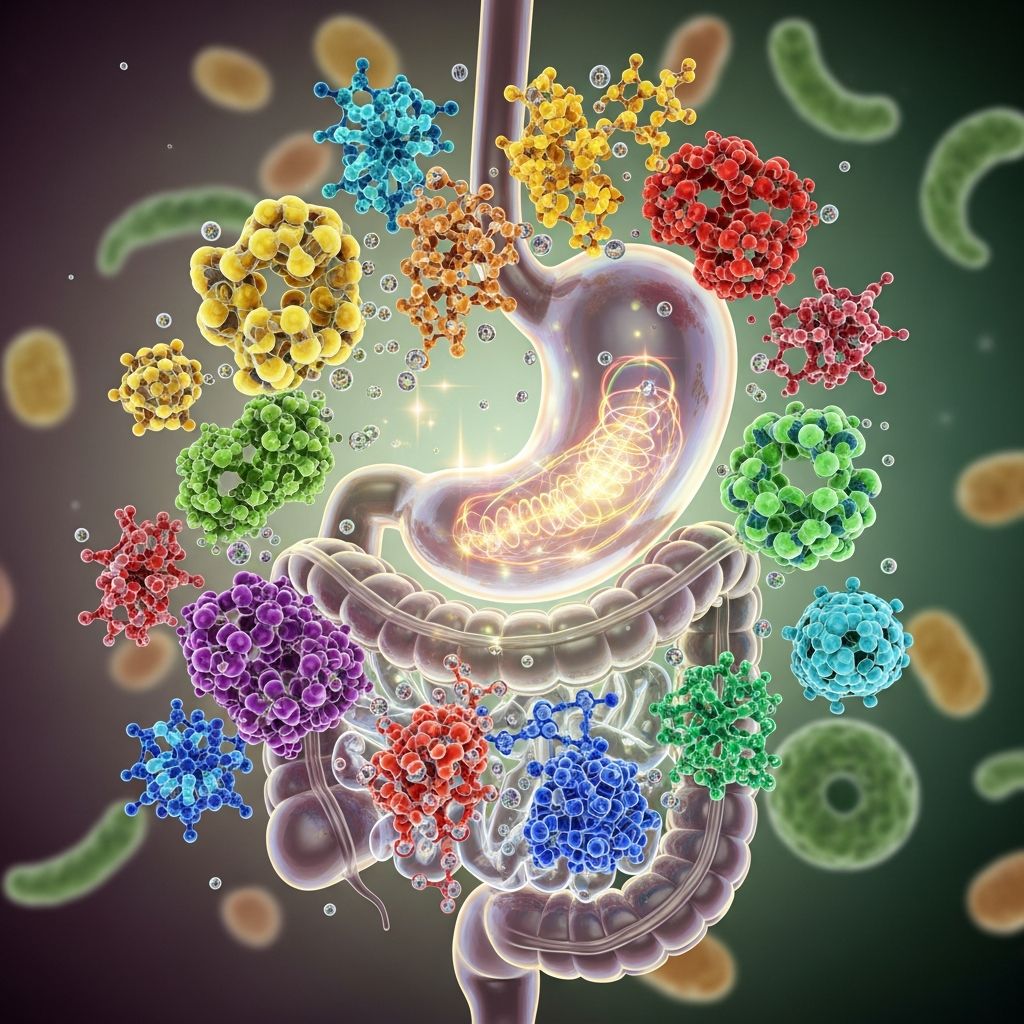
Digestive enzymes are specialized proteins produced by the body to break down food into smaller, absorbable molecules, enabling proper nutrient absorption and supporting overall gut health.
What Are Digestive Enzymes?
Digestive enzymes are proteins generated along the gastrointestinal (GI) tract that facilitate the chemical breakdown of complex food into simpler nutrients like sugars, fatty acids, and amino acids. These enzymes are essential for turning carbohydrates, proteins, and fats from meals into forms the body can use for energy, growth, and repair.
The process begins in the mouth with salivary enzymes and continues through the stomach, pancreas, and small intestine. Without adequate enzyme activity, undigested food can ferment in the gut, leading to bloating, gas, and nutrient deficiencies.
How Do Digestive Enzymes Work?
Digestive enzymes act as catalysts, speeding up the hydrolysis of chemical bonds in macronutrients. They target specific substrates: carbohydrates into simple sugars, proteins into amino acids, and fats into glycerol and fatty acids.
Enzymes are secreted by various organs. Salivary glands release amylase to initiate carb digestion. The stomach produces pepsin for proteins. The pancreas supplies the bulk of enzymes like amylase, lipase, and proteases into the small intestine. The intestinal brush border adds specialized enzymes such as lactase and sucrase.
Chewing food thoroughly activates salivary amylase, enhancing early breakdown and improving overall efficiency.
Types of Digestive Enzymes
Several key enzymes handle different food components. Here’s a breakdown:
- Amylase: Breaks down starches and complex carbohydrates into sugars like glucose and maltose. Produced by salivary glands and pancreas.
- Lipase: Degrades fats (triglycerides) into fatty acids and glycerol for absorption. Primarily from the pancreas.
- Protease: Includes pepsin, trypsin, and chymotrypsin; breaks proteins into peptides and amino acids. Sources: stomach, pancreas.
- Lactase: Digests lactose (milk sugar) into glucose and galactose. From small intestine brush border.
- Sucrase and Maltase: Break down sucrose and maltose into simple sugars.
| Enzyme | Target Nutrient | Main Source |
|---|---|---|
| Amylase | Carbohydrates | Salivary glands, pancreas |
| Lipase | Fats | Pancreas |
| Protease | Proteins | Stomach, pancreas |
| Lactase | Lactose | Small intestine |
These enzymes ensure comprehensive digestion, with the pancreas playing a central role in producing amylase, lipase, and proteases.
Benefits of Digestive Enzymes
Adequate digestive enzymes promote optimal nutrient extraction, sustaining energy, immune function, and cellular repair. They reduce GI discomfort by preventing undigested particles from irritating the gut lining.
Supplementation can aid those with deficiencies, improving symptoms like bloating and enhancing absorption of vitamins and minerals. For instance, enzymes help manage conditions where natural production is impaired, supporting better overall health.
Who Might Need Digestive Enzyme Supplements?
Supplements are beneficial for individuals with enzyme deficiencies or conditions impairing production. Common scenarios include:
- Exocrine Pancreatic Insufficiency (EPI): Reduced pancreatic enzyme output due to pancreatitis, cystic fibrosis, or surgery.
- Lactose Intolerance: Low lactase levels affecting up to 68% globally, causing gas, diarrhea after dairy.
- Celiac Disease: Investigational use of prolyl endopeptidases to break down gluten peptides.
- Age-Related Decline: Enzyme production may wane with age, leading to indigestion.
- Other GI Disorders: IBS, SIBO, or post-gastric surgery where digestion is compromised.
Related Stories



Consult a healthcare provider before starting supplements, as they are not universally needed for healthy individuals.
Sources of Digestive Enzymes
The body produces enzymes naturally, but certain foods provide additional support:
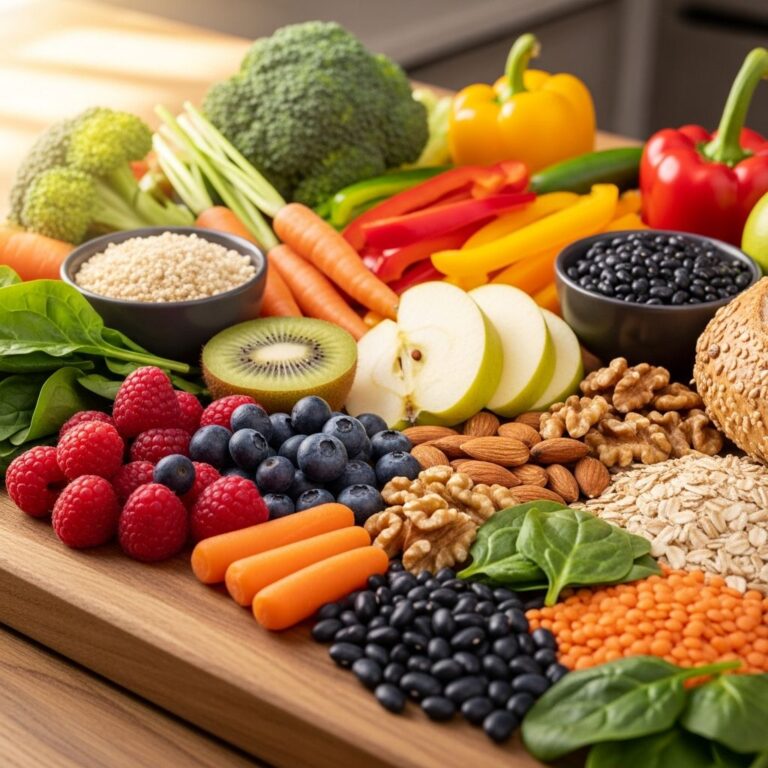
- Fruits: Mangoes (amylase), pineapples (bromelain, a protease), papayas (papain, protease).
- Honey: Raw honey contains amylases, invertases, and proteases.
- Fermented Foods: Kefir, kimchi boost natural enzyme activity via probiotics.
- Avocado and Banana: Natural lipase and amylase sources.
Supplements often derive from animal (pancreatic extracts), microbial, or plant sources. Animal-based are standard for EPI, while plant/microbial options emerge for broader use.
Digestive Enzyme Deficiency: Symptoms and Causes
Deficiencies manifest as:
- Bloating, gas, diarrhea, or constipation.
- Undigested food in stool (steatorrhea for fats).
- Nutrient malabsorption: fatigue, weight loss, vitamin deficiencies.
Causes include genetics (lactose intolerance), pancreatic damage, gut infections, or chronic stress impairing production.
Digestive Enzyme Supplements: What to Know
Over-the-counter supplements target specific needs, like lactase pills for dairy or broad-spectrum pancreatic enzymes. Dosages vary; for EPI, they are taken with meals.
Novel options like liprotamase (non-porcine) show promise for stability without coatings. Always choose reputable brands tested for potency.
Potential side effects are rare but include constipation or allergic reactions. They interact minimally but discuss with doctors if on medications.
Frequently Asked Questions
What do digestive enzymes do?
They break down carbs, proteins, and fats into absorbable nutrients for energy and health.
Who should take digestive enzymes?
Those with deficiencies, lactose intolerance, EPI, or chronic digestive issues.
Are digestive enzymes safe?
Generally yes for most, but consult a doctor for underlying conditions.
Can food provide digestive enzymes?
Yes, fruits like pineapple, papaya, and raw honey naturally supply enzymes.
Foods High in Digestive Enzymes
| Food | Key Enzymes | Benefits |
|---|---|---|
| Pineapple | Bromelain (protease) | Protein digestion, reduces inflammation |
| Papaya | Papain (protease) | Aids protein breakdown |
| Mango | Amylase | Carb digestion |
| Honey | Amylase, protease | Starch and protein breakdown |
| Kiwi | Actinidin (protease) | Improves protein digestion |
Incorporating these foods can naturally boost enzyme intake alongside a balanced diet.
References
- The Digestive System Explained: Improve Your Gut Health — Rupa Health. 2023. https://www.rupahealth.com/post/the-digestive-system-explained-improve-your-gut-health
- Digestive enzymes: Types, how they work, and who may require them — Medical News Today. 2023-10-12. https://www.medicalnewstoday.com/articles/digestive-enzymes
- 12 Foods That Contain Natural Digestive Enzymes — Healthline. 2023. https://www.healthline.com/nutrition/natural-digestive-enzymes
- Digestive Enzymes: What They Are and What They Do — ZOE. 2024. https://zoe.com/learn/digestive-enzymes
- Digestive Enzyme Supplementation in Gastrointestinal Diseases — NIH (PMC). 2016-06-22. https://pmc.ncbi.nlm.nih.gov/articles/PMC4923703/
- What Are Enzymes, Pancreas, Digestion & Liver Function — Cleveland Clinic. 2023-08-22. https://my.clevelandclinic.org/health/articles/21532-enzymes
Similar Articles








Read full bio of medha deb