Food Poisoning In Adults: Causes, Symptoms & Treatment Guide
Understand causes, symptoms, treatment, and prevention of food poisoning for quick recovery and safety.
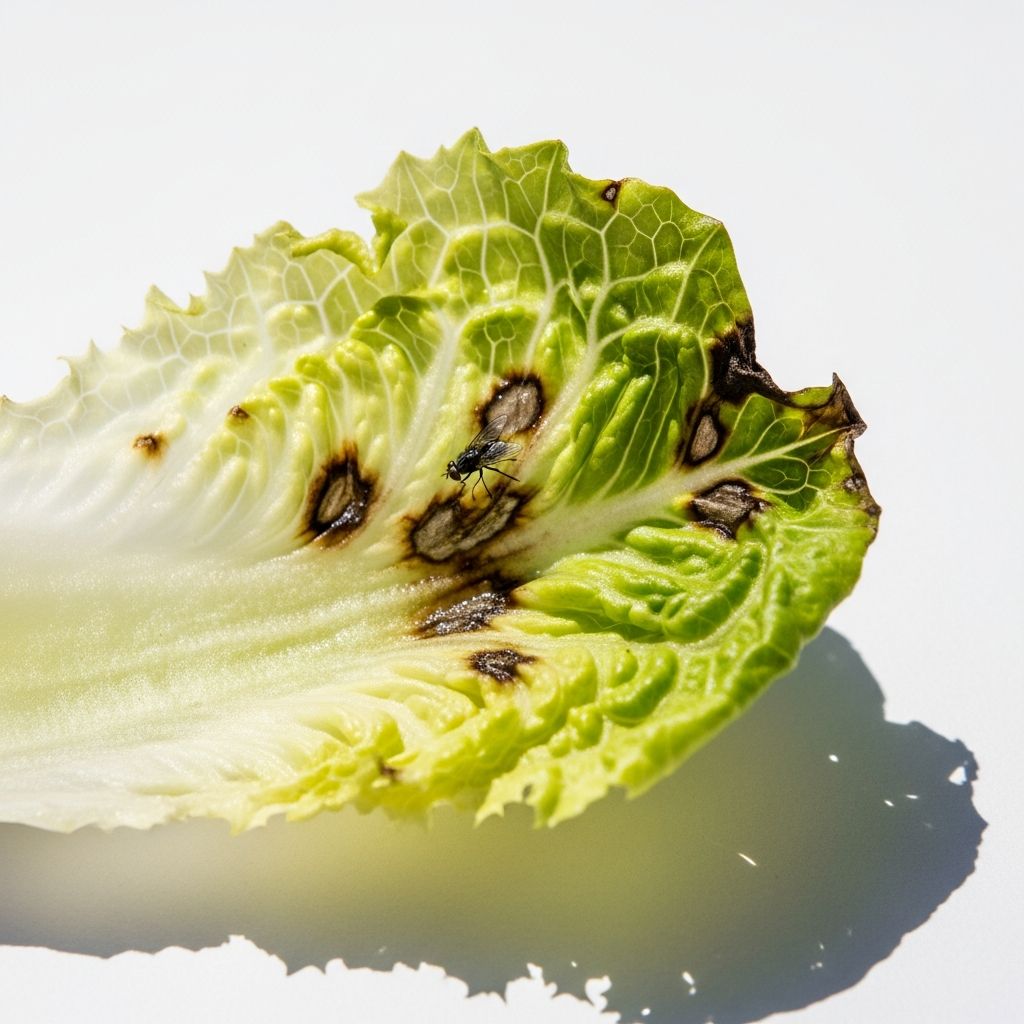
Food poisoning is a common illness caused by consuming food or drinks contaminated by germs or toxins. Most cases are mild and resolve within a few days with rest and fluids, but severe instances require medical attention.
Symptoms of food poisoning
The primary symptom is sudden
diarrhoea
, often accompanied by vomiting. Blood or mucus may appear in stools with certain infections. Other common symptoms include:- Crampy abdominal pains that may ease after passing stool.
- Fever, with hot and cold sensations.
- General malaise, lack of energy, and loss of appetite.
- Mild dehydration from fluid loss.
Symptoms typically begin hours to days after ingestion. Vomiting usually lasts 1-2 days, while diarrhoea may persist for several days or up to a week with loose stools. The CDC notes common signs like stomach cramps, nausea, fever, and in severe cases, bloody diarrhoea or high fever over 102°F (38.9°C).
How long does food poisoning last?
Onset varies by cause: Staph toxins act in 30 minutes to 8 hours, while others like Salmonella take 6 hours to 6 days. Diarrhoea often outlasts vomiting, continuing several days, with full recovery in 1-2 weeks.
Causes of food poisoning
Food poisoning arises from bacteria, viruses, parasites, or toxins in contaminated food or water. Common culprits include:
- Bacteria: Salmonella (raw poultry, eggs), Campylobacter (undercooked meat), E. coli (ground beef, unpasteurised milk), Clostridium perfringens (reheated gravies).
- Viruses: Norovirus (contaminated water, shellfish, infected handlers).
- Parasites: Cryptosporidium from contaminated water.
- Toxins: From Staph aureus in mishandled foods or botulinum in canned goods.
Contamination sources:
- Poor hygiene by food handlers, like unwashed hands.
- Cross-contamination, e.g., using the same board for raw meat and bread.
- Improper storage, raw meat dripping on ready-to-eat foods.
- Unpasteurised dairy products harbouring bacteria.
| Germ | Symptoms | Onset | Common Sources |
|---|---|---|---|
| Staphylococcus aureus | Nausea, vomiting, cramps, diarrhoea | 30 min-8 hrs | Sliced meats, pastries |
| Norovirus | Diarrhoea, vomiting, cramps | 12-48 hrs | Leafy greens, shellfish |
| Salmonella | Diarrhoea (bloody), fever, cramps | 6 hrs-6 days | Raw chicken, eggs |
| E. coli | Bloody diarrhoea, cramps | 3-4 days | Ground beef, sprouts |
| Campylobacter | Diarrhoea, fever, cramps | 2-5 days | Raw milk, poultry |
This table summarises key pathogens per CDC data.
Food poisoning treatment
Most cases are self-limiting. Focus on:
- Rehydration: Drink plenty of fluids like oral rehydration solutions (ORS), water, or diluted sports drinks to replace lost salts and water. Avoid caffeine and alcohol.
- Rest: Allow the gut to recover.
- Diet: Start with bland foods (BRAT diet: bananas, rice, applesauce, toast) once vomiting stops. Gradually resume normal eating.
- Medications: Anti-diarrhoeals like loperamide only if no blood in stool or fever. Antiemetics for severe nausea. Antibiotics rarely needed unless specified (e.g., severe Salmonella).
Children and elderly may need hospital IV fluids for dehydration. Mayo Clinic emphasises preventing dehydration, the main complication, especially in vulnerable groups.
Complications of food poisoning
Dehydration is most common, from excessive fluid loss via vomiting and diarrhoea, leading to dry mouth, dizziness, reduced urine. Severe cases risk organ damage or death if untreated.
Related Stories



Other complications:
- Bloody stools indicating invasive bacteria.
- Haemolytic uremic syndrome (HUS) in 5-10% of E. coli cases, causing kidney failure.
- Botulism: neurological symptoms like paralysis.
- Reactive arthritis from Campylobacter or Salmonella.
When to seek medical help
See a doctor if:
- Bloody diarrhoea or mucus in stool.
- Diarrhoea >3 days or vomiting preventing fluid intake.
- Fever >102°F (38.9°C).
- Signs of dehydration: dry mouth, no urine >8 hours, dizziness.
- Symptoms in infants, elderly, or immunocompromised.
Urgent care for severe abdominal pain, confusion, or bloody vomiting.
Food poisoning prevention
Prevent by:
- Hygiene: Wash hands, surfaces, utensils after handling raw meat.
- Cooking: Cook meats to safe temperatures (poultry 165°F/74°C). Reheat thoroughly, once only.
- Storage: Refrigerate perishables promptly; store raw meat below ready-to-eat foods.
- Cross-contamination avoidance: Separate boards for raw/cooked.
- Pasteurisation: Use pasteurised milk/cheese.
- Water safety: Drink treated water; wash produce.
Cook seafood thoroughly; avoid raw/undercooked risky foods if vulnerable.
Food poisoning in children
Similar symptoms but higher dehydration risk. Ensure ORS; seek help for persistent symptoms. Prevention mirrors adults: thorough cooking, hygiene.
Frequently Asked Questions (FAQs)
Why is food poisoning so painful?
Bacteria or toxins inflame the gut lining, causing cramps and urgent diarrhoea. Pain eases post-evacuation but recurs.
Can you have food poisoning without vomiting?
Yes, some cases present only with diarrhoea, cramps, or fever, depending on the pathogen.
Is food poisoning contagious?
Some types (norovirus, bacterial) spread via faecal-oral route, poor hygiene, or surfaces. Isolate and wash hands.
How to tell food poisoning from stomach flu?
Food poisoning onset is rapid post-meal; gastroenteritis (stomach flu) from viruses spreads person-to-person.
Does food poisoning always require antibiotics?
No, most viral/bacterial cases self-resolve. Antibiotics for confirmed severe bacterial infections only.
This guide equips adults with knowledge for managing food poisoning effectively. Stay vigilant with food safety to minimise risks.
References
- Food Poisoning in Adults — Patient.info. 2023-10-15. https://patient.info/digestive-health/diarrhoea/food-poisoning
- Food Poisoning Symptoms — Centers for Disease Control and Prevention (CDC). 2024-05-20. https://www.cdc.gov/food-safety/signs-symptoms/index.html
- Food Poisoning (Foodborne Illness) — Mayo Clinic. 2024-08-12. https://www.mayoclinic.org/diseases-conditions/food-poisoning/symptoms-causes/syc-20356230
- Food Poisoning in Children — Patient.info. 2023-11-05. https://patient.info/childrens-health/acute-diarrhoea-in-children/food-poisoning-in-children
- Gastroenteritis — Patient.info. 2024-01-10. https://patient.info/digestive-health/diarrhoea/gastroenteritis
Similar Articles








Read full bio of Sneha Tete