Your Digestive System: 5 Ways to Support Gut Health
Learn five essential strategies to optimize your digestive health and support a thriving gut microbiome.
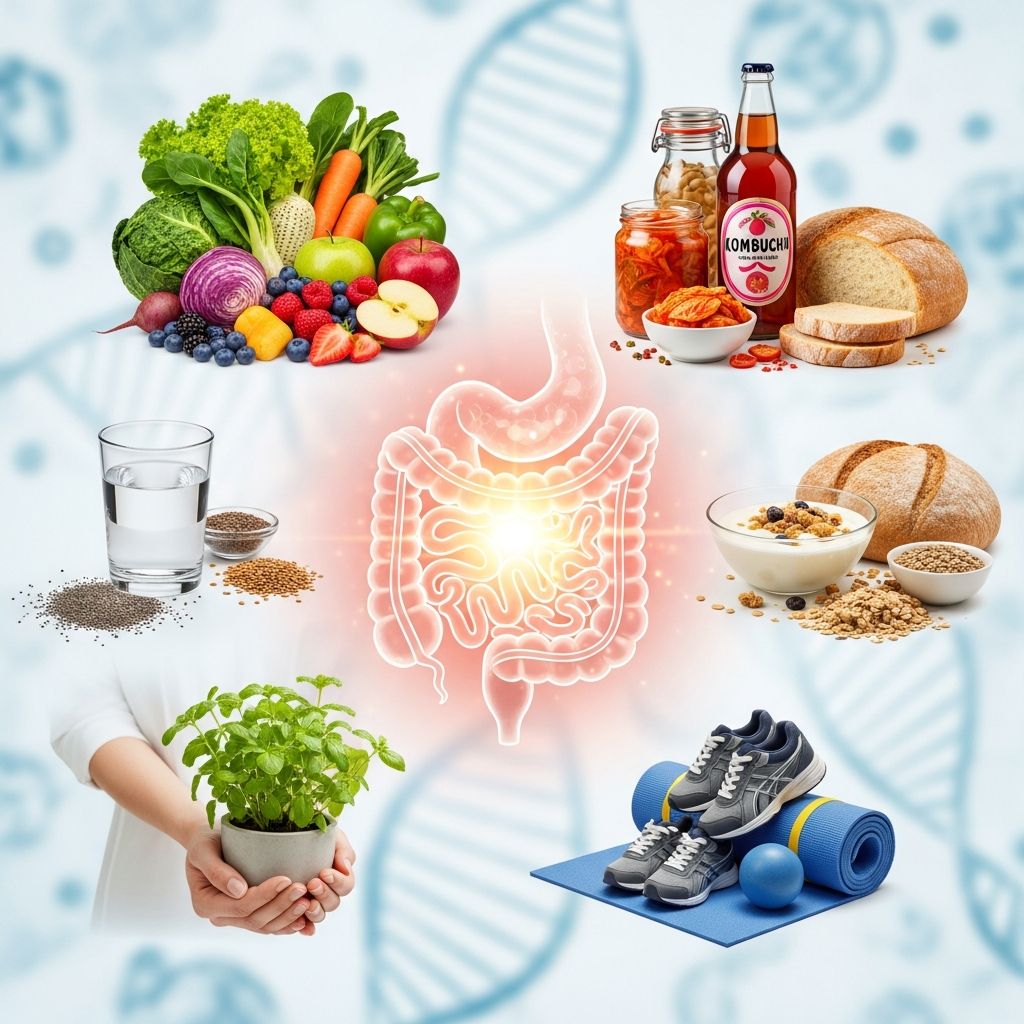
Your digestive system is far more than just a mechanism for processing food. It serves as a complex network of organs, microbes, and neurological connections that profoundly influence your overall health, mood, and wellbeing. Recent scientific research has revealed that the gut plays a crucial role in regulating everything from immune function to mental health, making it essential to understand how to properly support this vital system.
The human gut produces approximately 90 percent of the body’s serotonin and half of its dopamine, powerful neurotransmitters that directly affect mood, mental clarity, and emotional resilience. This gut-brain connection demonstrates why digestive health extends far beyond preventing gastrointestinal discomfort. Your digestive system contains at least as many neurons as your spinal cord, earning it the nickname “the second brain.” Understanding this connection empowers you to make informed choices that support both digestive function and overall wellness.
Understanding Your Digestive System
The digestive system is an intricate collection of organs working in harmony to break down food, absorb nutrients, and eliminate waste. When functioning optimally, this system supports energy production, immune defense, and mental health. However, modern lifestyles—characterized by processed foods, chronic stress, and sedentary behavior—often compromise digestive function.
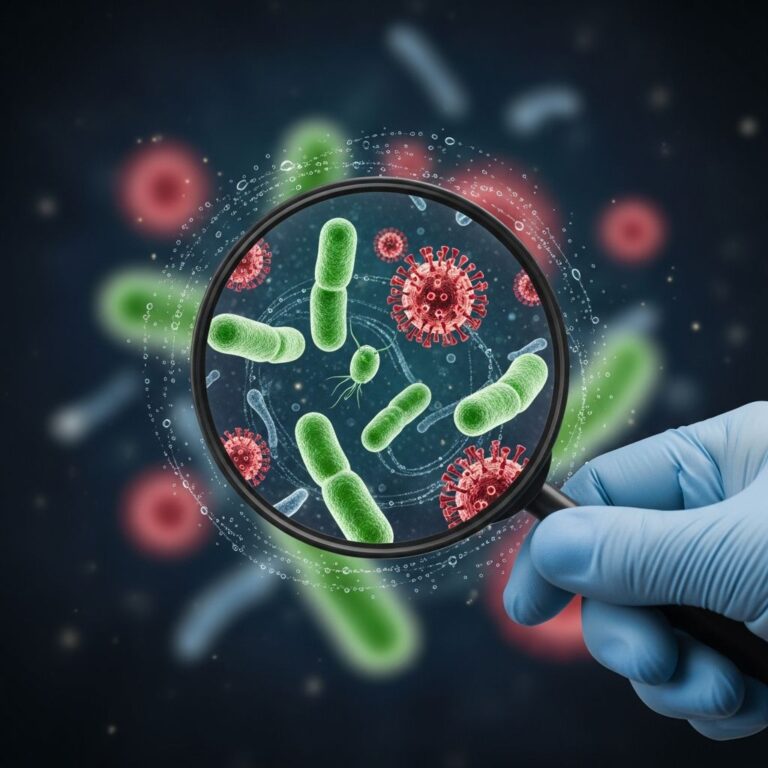
The microbiome, or the community of beneficial bacteria living in your gut, plays a particularly important role in maintaining health. These microbial communities are essential to health and influence not only local digestive function but also distant bodily systems. Research suggests they affect liver function, deep tissue health, the enteric nervous system, heart disease risk, pancreatic conditions, mood, psychiatric disorders, and body weight.
When the delicate balance of your gut microbiome is disrupted—a condition known as dysbiosis—it can lead to inflammation, nutrient malabsorption, weakened immune function, and increased susceptibility to disease. By implementing specific strategies to support gut health, you can restore this balance and experience significant improvements in your digestive function and overall wellbeing.
1. Increase Your Fiber Intake
Dietary fiber serves as the primary fuel source for beneficial gut bacteria, making it one of the most important nutrients for supporting digestive health. Fiber passes through your digestive system largely undigested, reaching your colon where it feeds the microbes that support your health.
Benefits of fiber include:
- Feeding beneficial bacteria in your microbiome
- Promoting regular and healthy bowel movements
- Reducing inflammation in the digestive tract
- Improving cholesterol levels and blood sugar control
- Increasing feelings of fullness and supporting healthy weight management
- Strengthening the intestinal barrier
The average American consumes only about 15 grams of fiber daily, while experts recommend 25 to 35 grams per day. To increase your fiber intake effectively, incorporate more whole grains, legumes, vegetables, fruits, nuts, and seeds into your diet. Make this transition gradually to allow your digestive system to adapt and minimize bloating or gas.
Excellent high-fiber foods include:
- Beans and lentils (7-8 grams per serving)
- Berries (3-4 grams per cup)
- Whole grains like oats and brown rice (3-4 grams per serving)
- Leafy greens and cruciferous vegetables (2-3 grams per serving)
- Nuts and seeds (3-4 grams per ounce)
- Avocados (10 grams per fruit)
Related Stories



2. Incorporate Probiotics and Fermented Foods
Probiotics are beneficial microorganisms that support your gut microbiome by promoting the growth of healthy bacterial communities. These living organisms help restore balance to your microbiota and enhance digestive function.
Natural sources of probiotics include fermented foods that have undergone a natural fermentation process, creating an environment rich in beneficial microbes. These foods not only provide probiotics but also contain enzymes and nutrients that further support digestion.
Probiotic-rich foods to add to your diet:
- Yogurt with live and active cultures
- Kefir, a fermented milk beverage
- Sauerkraut, fermented cabbage
- Kimchi, a spicy fermented vegetable dish
- Tempeh, fermented soybean product
- Miso paste
- Kombucha, a fermented tea beverage
- Pickled vegetables
When selecting probiotic products, look for those containing multiple bacterial strains and indicating “live and active cultures” on the label. If you’re considering probiotic supplements, consult with your healthcare provider to determine which strains may be most beneficial for your specific needs, as research continues to evolve regarding optimal probiotic therapy.
3. Stay Hydrated
Water is fundamental to digestive health yet often overlooked. Proper hydration supports every aspect of digestion, from the initial breakdown of food to the absorption of nutrients and the elimination of waste.
Water helps soften stool, making bowel movements more regular and easier to pass. It facilitates the movement of food through your digestive tract, prevents constipation, and supports the mucus lining that protects your intestinal walls. Additionally, adequate hydration helps flush out toxins and supports the overall function of your microbiome.
Hydration guidelines:
- Aim for at least 8-10 glasses of water daily, though individual needs vary
- Adjust intake based on activity level, climate, and overall health
- Monitor urine color as an indicator—pale yellow suggests adequate hydration
- Limit excessive caffeine and alcohol, which can have dehydrating effects
- Include hydrating foods such as watermelon, cucumbers, and oranges
While water is the best choice for hydration, herbal teas like ginger, peppermint, and chamomile can provide additional digestive benefits beyond basic hydration.
4. Manage Stress and Prioritize Sleep
The connection between your mind and gut is bidirectional and powerful. Chronic stress directly impairs digestive function by triggering the “fight or flight” response, which diverts blood away from digestion and disrupts the normal movement of food through your intestines. This stress response also alters the composition of your gut microbiome, reducing beneficial bacteria and promoting inflammation.
Sleep deprivation similarly disrupts gut health by reducing microbial diversity and promoting pathogenic bacteria growth. During sleep, your body enters a restorative state that supports digestive repair and microbial balance. Conversely, poor sleep quality perpetuates a cycle of stress, inflammation, and digestive dysfunction.
Stress management and sleep strategies:
- Practice meditation or mindfulness for 10-15 minutes daily
- Engage in regular physical activity to reduce stress hormones
- Establish a consistent sleep schedule, aiming for 7-9 hours nightly
- Create a relaxing bedtime routine free from screens
- Practice deep breathing exercises when feeling stressed
- Limit caffeine intake, especially in the afternoon and evening
- Consider yoga or tai chi for combined stress relief and gentle movement
By addressing stress and sleep quality, you directly support your gut microbiome and reduce systemic inflammation that can compromise digestive health.
5. Choose Whole, Anti-Inflammatory Foods
The foods you consume directly shape your gut microbiome and influence digestive health. Ultra-processed foods, added sugars, and unhealthy fats promote the growth of harmful bacteria and trigger inflammation in the digestive tract. Conversely, whole, nutrient-dense foods nourish beneficial bacteria and support a strong intestinal barrier.
An anti-inflammatory diet rich in plant-based foods provides the nutrients and compounds necessary for optimal digestive function. These foods contain polyphenols, antioxidants, and other bioactive compounds that directly feed beneficial bacteria.
Foods to emphasize:
- Colorful vegetables (especially leafy greens, broccoli, and Brussels sprouts)
- Fresh fruits, particularly berries and apples
- Fatty fish rich in omega-3 fatty acids (salmon, sardines, mackerel)
- Legumes and plant-based proteins (beans, chickpeas, lentils)
- Whole grains (oats, quinoa, brown rice, barley)
- Nuts and seeds (almonds, walnuts, flax seeds, chia seeds)
- Healthy oils (extra virgin olive oil, coconut oil)
- Herbs and spices with anti-inflammatory properties (turmeric, ginger, garlic)
Foods to limit or avoid:
- Ultra-processed foods with added sugars and artificial additives
- Trans fats and excessive saturated fats
- Refined carbohydrates and white flour products
- Excessive alcohol consumption
- Foods you personally find trigger digestive distress
Additional Considerations for Gut Health
Beyond these five primary strategies, several other factors merit consideration. Physical activity promotes regular bowel movements and supports microbial diversity. Limiting antibiotic use to medically necessary situations helps preserve your beneficial microbiota. Being mindful of food intolerances and sensitivities allows you to identify and eliminate foods that may trigger inflammation or digestive distress.
The emerging field of gastroenterology now recognizes that digestive health encompasses far more than the absence of gastrointestinal symptoms. Modern research demonstrates that gut health directly influences metabolic function, immune response, neurological health, and psychiatric well-being. This integrated understanding of digestive health represents a paradigm shift in medicine and wellness.
Frequently Asked Questions About Gut Health
Q: How long does it take to see improvements in gut health?
A: The timeline varies depending on the changes you implement and your individual circumstances. Many people notice improvements in digestion within 2-4 weeks of dietary changes. More significant changes in microbiome composition typically take 4-8 weeks. Consistency is key—maintaining these practices over time yields the most substantial and lasting benefits.
Q: Can I get all the probiotics I need from food alone?
A: Many people can maintain healthy gut bacteria through a diet rich in fermented foods and fiber. However, some individuals may benefit from probiotic supplements, particularly following antibiotic use or during periods of digestive distress. Consult your healthcare provider to determine if supplementation is appropriate for your situation.
Q: Are there any risks associated with changing my diet for gut health?
A: Increasing fiber intake too rapidly can cause bloating and gas as your microbiome adjusts. To minimize discomfort, increase fiber gradually over several weeks. If you have specific digestive conditions or food sensitivities, work with a healthcare provider or registered dietitian to ensure your dietary changes are appropriate and safe.
Q: How does stress specifically affect my gut microbiome?
A: Chronic stress triggers the release of stress hormones like cortisol, which alters the pH and environment of your gut. This change promotes the growth of harmful bacteria while inhibiting beneficial species. Stress also increases intestinal permeability, commonly called “leaky gut,” allowing bacterial products to enter the bloodstream and trigger systemic inflammation.
Q: What role does exercise play in gut health?
A: Regular physical activity promotes microbial diversity, accelerates food movement through your digestive tract, and reduces inflammation. Exercise also helps manage stress and improve sleep quality, both critical factors for optimal gut health. Aim for at least 150 minutes of moderate-intensity exercise weekly.
Conclusion
Supporting your digestive system through these five evidence-based strategies—increasing fiber, incorporating probiotics, staying hydrated, managing stress, and choosing whole foods—creates a foundation for optimal gut health. These practices work synergistically to restore and maintain a healthy microbiome, strengthen your intestinal barrier, and support the crucial gut-brain connection that influences your physical and mental wellbeing.
Remember that gut health is not achieved overnight but develops through consistent, sustainable habits. Start by implementing one or two changes, then gradually incorporate additional strategies as these become routine. Your digestive system will respond to these improvements with better function, increased energy, improved mood, and enhanced overall health. By prioritizing your gut health today, you invest in your long-term wellness and vitality.
References
- Food, Body, Mind – Johns Hopkins Center for Innovative Medicine — Johns Hopkins Center for Innovative Medicine. 2014. https://www.hopkinscim.org/breakthrough/winter-2014/food-body-mind/
- The Gut Microbiome and the Brain — Johns Hopkins Bloomberg School of Public Health. 2021. https://magazine.publichealth.jhu.edu/2021/gut-microbiome-and-brain
Similar Articles








Read full bio of medha deb