Digital Therapy for Lazy Eye: VR Treatment Advances
Discover how virtual reality is revolutionizing amblyopia treatment for children with proven clinical results.
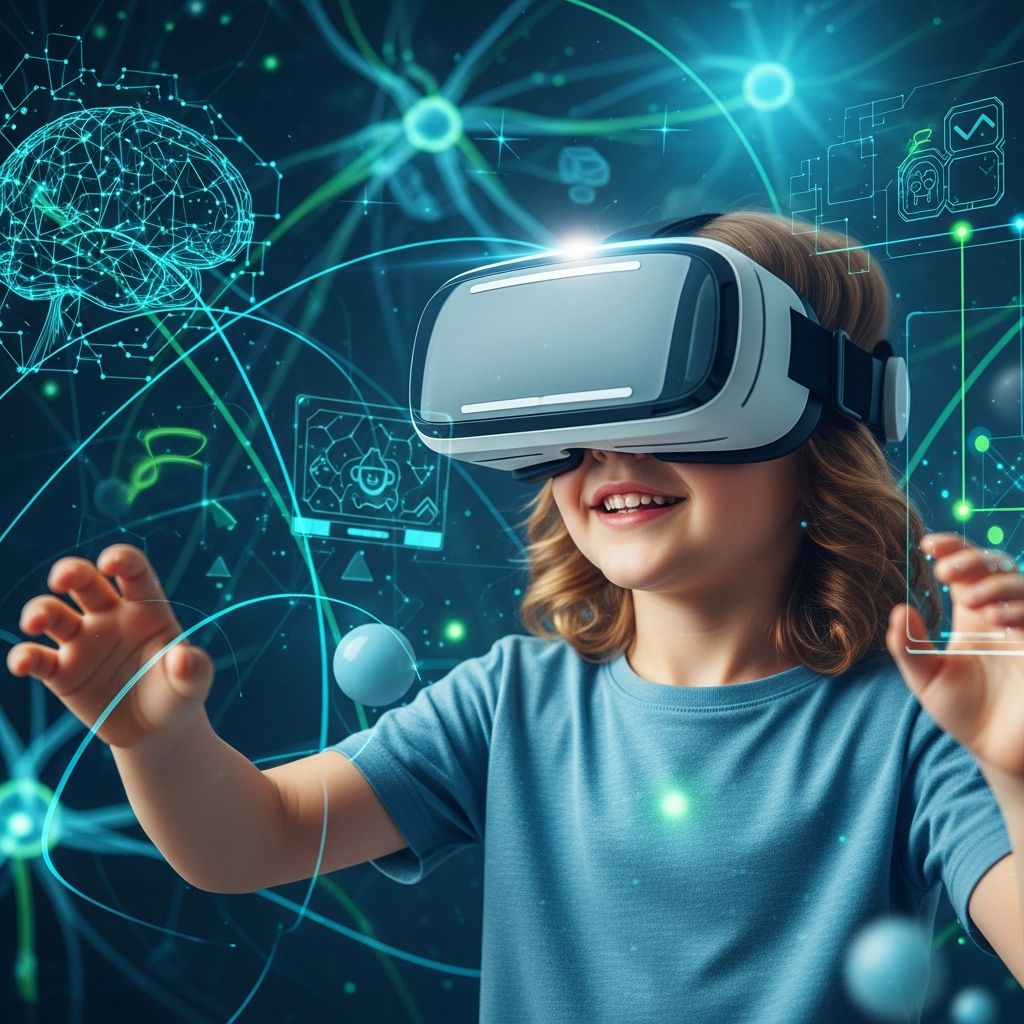
Amblyopia, commonly known as lazy eye, represents one of the most prevalent vision disorders affecting children today. This condition develops when one eye fails to achieve normal visual function, often due to the brain favoring the stronger eye and effectively suppressing input from the weaker one. For generations, healthcare providers have relied on occlusion therapy—the practice of covering the stronger eye with a patch—as the standard treatment approach. However, emerging clinical evidence demonstrates that innovative digital therapeutic technologies, particularly virtual reality-based treatments, are fundamentally transforming how medical professionals address this condition, offering superior effectiveness and substantially improved patient adherence rates.
Understanding Amblyopia and Its Current Impact
Amblyopia affects a significant portion of the pediatric population, making it the leading preventable cause of vision loss in children. The condition typically develops during early childhood when the visual system is still maturing, and it can result from various underlying factors including strabismus, refractive errors, or deprivation of clear visual input. The consequences of untreated amblyopia can be substantial, potentially affecting a child’s educational performance, quality of life, and long-term visual function.
Historically, eye patching has been prescribed as the go-to treatment method, with parents instructed to cover their child’s stronger eye for two to four hours daily over several months. While this approach has been used extensively, research increasingly reveals its limitations:
- Poor treatment compliance, particularly as children find patches uncomfortable and inconvenient
- Adverse side effects including skin irritation and psychological distress
- Regression of visual improvements after treatment discontinuation
- Failure to achieve complete vision restoration in more than half of treated patients
- Limited effectiveness in older children and adolescents
The Clinical Shift: From Patching to Binocular Engagement
The fundamental limitation of traditional patching is that it relies on penalizing the stronger eye rather than actively engaging both eyes in a coordinated manner. This mechanism does not address the underlying neurological aspect of amblyopia—the brain’s tendency to suppress input from the weaker eye even when both eyes are open. Recent clinical research has demonstrated that treatments encouraging binocular fusion—where both eyes work together simultaneously—produce significantly better outcomes.
A comprehensive systematic review and meta-analysis examining virtual reality treatments for amblyopia in children revealed that virtual reality technology treatment significantly improved visual acuity compared with traditional patching therapy, with effects particularly pronounced in children younger than seven years old and when treatment duration remained under twenty hours total. This finding represents a paradigm shift in how the ophthalmology community approaches amblyopia management.
How Virtual Reality-Based Digital Therapeutics Function
Modern virtual reality treatments for amblyopia employ sophisticated technological mechanisms that go far beyond simple image presentation. These systems integrate proprietary algorithmic software with immersive virtual reality headsets to deliver targeted therapeutic interventions. The core mechanism involves a dual-acting approach:
Dichoptic Masking Technology: Instead of merely blocking one eye, these digital therapies present customized visual content to each eye simultaneously, with real-time algorithmic modifications that encourage the brain to prioritize input from the weaker eye while simultaneously promoting both eyes to work together. This represents a fundamental departure from penalizing the strong eye toward actively strengthening neural pathways involved in binocular vision.
Related Stories



Engagement Through Familiar Content: These systems allow children to watch age-appropriate entertainment—popular television shows and movies—while therapeutic algorithms subtly modify the visual content being presented. This approach transforms treatment from a frustrating medical obligation into an engaging, enjoyable activity that children voluntarily participate in rather than resist.
Controlled Visual Environment: The immersive nature of virtual reality headsets ensures that visual content is presented at optical infinity, minimizing environmental distractions and maintaining consistent therapeutic presentation throughout treatment sessions.
Clinical Evidence Supporting Virtual Reality Efficacy
The clinical validation of virtual reality treatments for amblyopia has progressed through rigorous scientific investigation. FDA-approved digital therapeutic solutions have undergone Phase 3 pivotal clinical trials demonstrating both safety and efficacy in children aged 4-7 with amblyopia. These trials represent the first successful, randomized, controlled trials of novel amblyopia treatments in nearly fifteen years, with results published in peer-reviewed journals including Ophthalmology, the official journal of the American Academy of Ophthalmology.
Real-world clinical data from treatment registries provides additional validation of these technologies’ effectiveness. An analysis of 179 patients from 10 clinical sites demonstrated significant visual acuity improvement after 12 weeks of digital therapy treatment. Notably, the patient cohort achieved an average improvement of 1.7 lines on standard vision charts within this timeframe, with median treatment adherence reaching 83%—substantially higher than traditional patching compliance rates.
The clinical benefits extended across diverse patient populations:
- Children with varying amblyopia severity levels showed significant improvement
- Patients with prior treatment experience benefited substantially
- Different age groups within the treatment-eligible range experienced vision gains
- Various amblyopia classifications all demonstrated positive outcomes
- No adverse safety events were reported during clinical monitoring
Treatment Protocol and Patient Experience
Virtual reality-based amblyopia treatments require substantially less time commitment than traditional approaches while delivering superior results. The typical treatment protocol involves just one hour of therapy daily, conducted six days per week. This compressed timeframe compared to the multi-hour daily patching regimens represents a significant reduction in burden for families.
From a patient engagement perspective, the experience differs markedly from conventional treatment. Rather than wearing an uncomfortable eye patch and avoiding regular activities, children don appropriate virtual reality headsets and select from extensive libraries of entertainment content—in some instances, access to over 1,100 hours of carefully curated television shows and movies. The therapy integrates seamlessly into children’s natural preferences for visual entertainment rather than imposing an unpleasant medical experience.
Importantly, clinical trial data demonstrated that children remained engaged throughout the full treatment duration, suggesting that the inherent appeal of the therapy itself contributes to improved compliance and sustained visual improvements.
Comparative Advantages Over Traditional Approaches
| Treatment Characteristic | Traditional Eye Patching | Virtual Reality Digital Therapy |
|---|---|---|
| Daily Time Requirement | 2-4 hours | 1 hour |
| Patient Compliance Rate | Poor to moderate | 83% median adherence |
| Mechanism of Action | Penalizes stronger eye | Encourages binocular cooperation |
| Treatment Success Rate | 50% residual deficits | Significant improvement documented |
| Timeline to Improvement | Several months | 4-12 weeks |
| Effectiveness in Older Children | Limited | Demonstrated in pilot studies |
Accessibility and Implementation Considerations
Virtual reality digital therapeutics have achieved FDA approval as prescription medical devices, indicating they are regulated as legitimate medical treatments rather than consumer products. Healthcare providers can prescribe these therapies as part of comprehensive amblyopia management plans. Many digital therapeutic providers supply necessary equipment, including virtual reality headsets, to eligible patients, removing financial barriers to treatment initiation.
The integration of digital therapeutics into clinical practice has expanded beyond traditional ophthalmology offices. Some providers offer hybrid teletherapy options, allowing treatment monitoring and adjustment from remote locations—increasing accessibility for families in underserved areas or those with transportation constraints.
The Future of Amblyopia Management
As clinical evidence accumulates and real-world outcomes continue to validate the effectiveness of virtual reality-based treatments, the field is experiencing a fundamental reconceptualization of amblyopia management. The notion that eye patching represents optimal care is increasingly recognized as outdated, particularly given the availability of more effective alternatives that also substantially improve patient experience and compliance.
Ongoing research continues to expand understanding of optimal treatment parameters, effectiveness in different patient populations, and long-term durability of vision improvements achieved through digital therapeutic approaches. Pilot studies have demonstrated efficacy in older children and adolescents, populations where traditional patching and pharmaceutical interventions have proven largely ineffective—potentially expanding treatment options for this previously under-served age group.
Frequently Asked Questions About Virtual Reality Amblyopia Treatment
Is virtual reality treatment safe for children?
Clinical trials and real-world registry data have documented no safety events associated with virtual reality amblyopia treatment. The therapy has received FDA approval following rigorous safety and efficacy evaluation. However, children should have appropriate vision correction in place before initiating treatment if they have refractive errors.
How long does vision improvement typically take?
Clinical trials demonstrated significant vision improvement within 12 weeks of treatment, with some improvement documented as early as 4 weeks. This represents a substantially accelerated timeline compared to traditional patching approaches.
Is this treatment effective for children who previously underwent patching?
Yes. Real-world data demonstrate that patients with prior treatment experience, including those who previously underwent patching, show significant vision improvement with virtual reality therapy. This positions it as an effective second-line treatment option for patients whose initial treatment may have been incomplete.
What age children can receive this treatment?
FDA approval and clinical trial validation focus on children aged 4-7, though pilot studies suggest effectiveness in older children and adolescents. A healthcare provider should evaluate individual cases to determine treatment appropriateness.
Does treatment improvement persist after stopping therapy?
Clinical data document sustained vision improvements following treatment completion. This contrasts with some traditional approaches where vision regression can occur after discontinuation.
References
- Effects of virtual reality on the treatment of amblyopia in children — National Center for Biotechnology Information (NCBI). February 2023. https://pubmed.ncbi.nlm.nih.gov/37494854/
- Real-World Data Reinforces Efficacy of Luminopia in Improving Vision for Patients with Amblyopia — PR Newswire / Luminopia Inc. June 18, 2024. https://www.prnewswire.com/news-releases/real-world-data-reinforces-efficacy-of-luminopia-in-improving-vision-for-patients-with-amblyopia-302174917.html
- Luminopia Binocular Therapy for Amblyopia — Clinical Trial Data and Patient Information — Luminopia Inc. https://www.luminopia.com
Similar Articles








Read full bio of medha deb