Dihydrotachysterol (Vitamin D) Guide: Uses, Dosage, Side Effects
Comprehensive guide to dihydrotachysterol, a vital vitamin D analog for treating hypoparathyroidism and low calcium levels effectively.
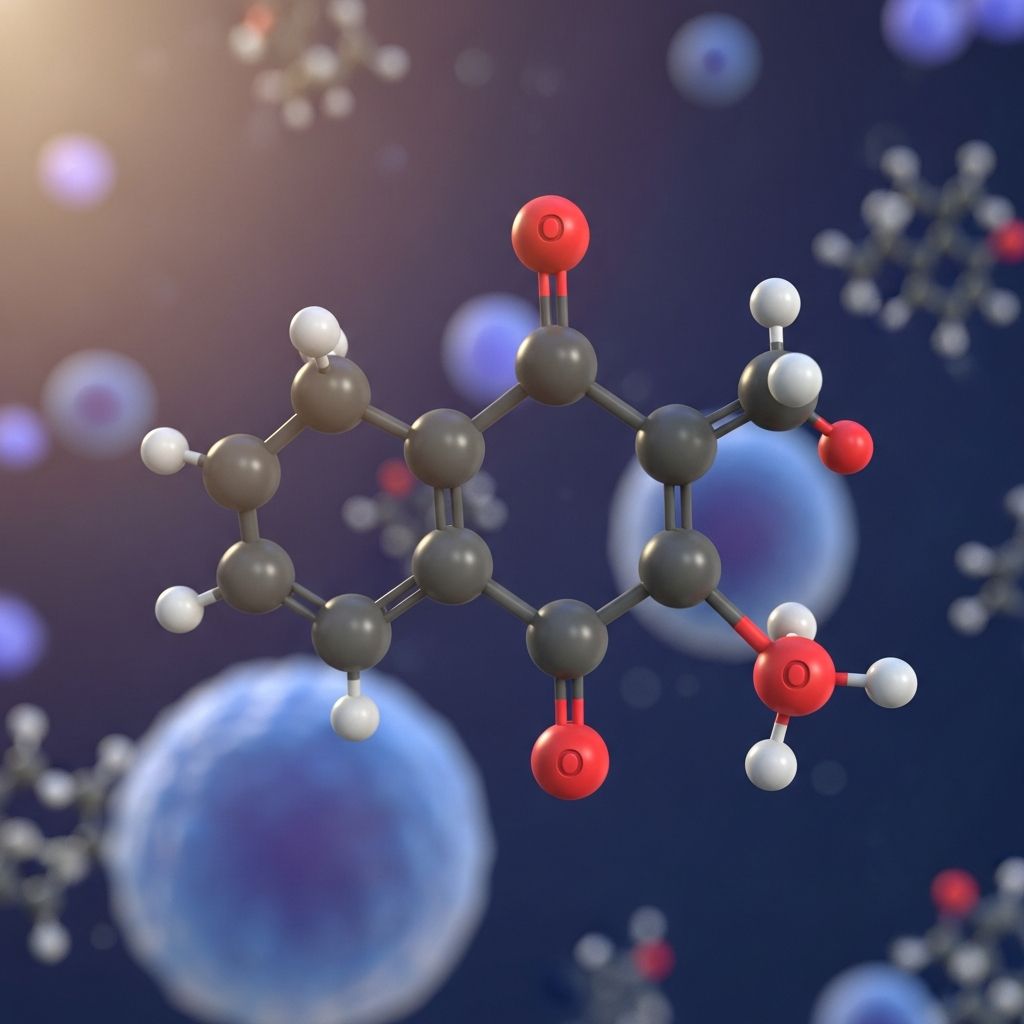
Dihydrotachysterol is a synthetic analog of vitamin D specifically designed to help the body absorb and regulate calcium levels, primarily used for treating hypocalcemia associated with hypoparathyroidism.
About dihydrotachysterol
| Type of medicine | A type of vitamin D |
|---|---|
| Used for | Low blood calcium levels due to hypoparathyroidism |
| Also called | AT10® (discontinued) |
| Available as | Oral solution (drops) |
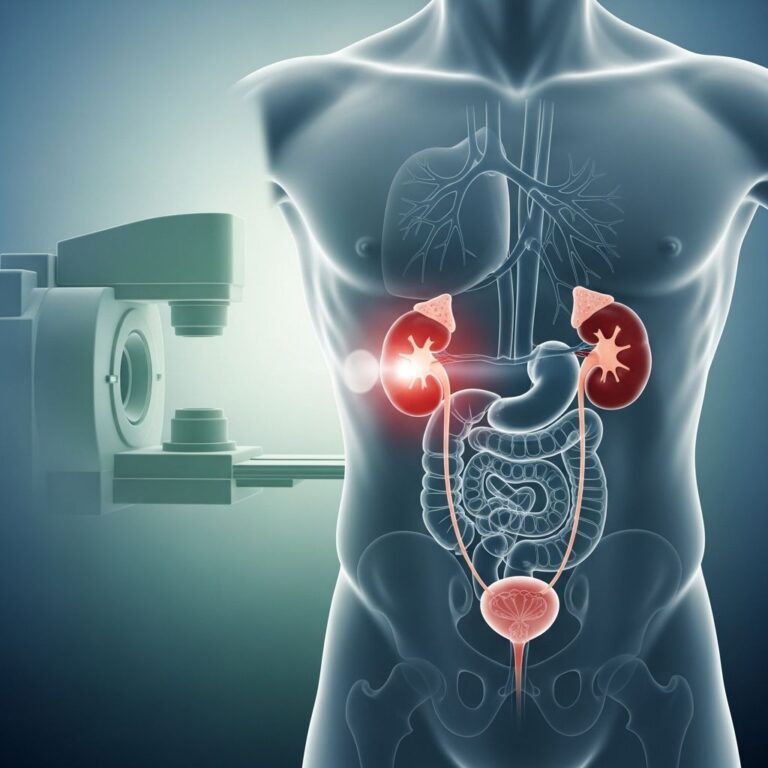
Dihydrotachysterol functions as a form of vitamin D that aids in calcium absorption from dietary sources, essential for maintaining strong bones, proper muscle function, and nerve signaling. Unlike standard vitamin D2 or D3, it does not require renal activation, making it particularly useful in conditions where kidney function is compromised. Low calcium levels, or hypocalcemia, can manifest as muscle cramps, pain, twitching, and in severe cases, tetany or seizures. This condition often stems from hypoparathyroidism, where the parathyroid glands fail to produce sufficient parathyroid hormone (PTH) to regulate calcium.
The parathyroid glands, located behind the thyroid, normally release PTH to increase blood calcium by enhancing intestinal absorption, bone resorption, and renal reabsorption. In hypoparathyroidism, this regulation is disrupted, leading to chronic low calcium unless supplemented with agents like dihydrotachysterol. It is also indicated for rickets, osteomalacia, pseudohypoparathyroidism, and hypocalcemia related to renal osteodystrophy or anticonvulsant therapy.
Structurally, dihydrotachysterol is a reduction product of vitamin D2, hydroxylated in the liver to 25-hydroxydihydrotachysterol, its active circulating form. This form mimics 1,25-dihydroxyvitamin D, binding to vitamin D receptors to promote calcium transport proteins in the intestine and mobilize bone calcium, even without PTH or functioning kidneys.
How to take dihydrotachysterol
Take dihydrotachysterol precisely as prescribed by your doctor, typically as an oral solution in drops. Initial dosing often starts at 3-5 ml daily for the first three days to rapidly elevate calcium levels, followed by adjustments based on blood tests. Maintenance doses may be daily, every other day, or several times weekly, tailored to individual needs.
Measure the drops carefully using the provided dropper. It can be taken with or without food, but consistency in timing aids adherence. Avoid self-adjusting doses, as this medication requires precise titration to prevent over- or under-correction of calcium levels.
- Shake the bottle well before use if required.
- Administer directly into the mouth or mix with food or liquid if preferred for taste.
- Do not exceed the prescribed amount to avoid toxicity.
Getting the most from your treatment
Regular monitoring is crucial for safe and effective use of dihydrotachysterol. Attend all scheduled appointments for blood tests to check calcium, phosphate, and PTH levels, allowing dose optimization. Symptoms of hypercalcemia—such as loss of appetite, excessive thirst, vomiting, fatigue, and weight loss—require immediate medical attention.
Wearing a MedicAlert bracelet or carrying identification noting hypoparathyroidism is advisable. This ensures prompt calcium administration in emergencies like collapse or injury.
Diet plays a supportive role. Incorporate calcium-rich foods like dairy, leafy greens, and fortified products, alongside vitamin D sources such as oily fish (salmon, mackerel), eggs, and liver. Phosphate balance is key; avoid excess phosphate intake which can worsen hypocalcemia.
Related Stories



- Oily fish: sardines, herring, salmon, tuna.
- Dairy: milk, cheese, yogurt.
- Eggs and fortified cereals.
Consult a pharmacist before adding over-the-counter medicines, as some may interact. Long-term treatment is typical; continue unless directed otherwise. Inform surgeons or dentists of usage prior to procedures.
Warnings for special caution
Exercise caution if you have kidney disease, as dihydrotachysterol can elevate calcium and risk vascular calcification. Monitor closely in sarcoidosis, hyperparathyroidism, or lymphoma, where it may exacerbate hypercalcemia. Avoid in known hypersensitivity to vitamin D analogs.
Pregnancy and breastfeeding require medical evaluation; while vitamin D is essential, excessive doses pose risks. Children and elderly patients need adjusted dosing due to varying metabolism.
Side-effects
Common side effects stem from hypercalcemia: nausea, vomiting, constipation, weakness, and confusion. Early signs include polyuria and polydipsia. Severe cases lead to kidney stones, arrhythmias, or pancreatitis.
| Symptom | Severity | Action |
|---|---|---|
| Thirst, frequent urination | Mild | Monitor, contact doctor |
| Vomiting, weight loss | Moderate | Seek urgent care |
| Confusion, irregular heartbeat | Severe | Emergency treatment |
Rarely, hyperphosphatemia or soft tissue calcification occurs with prolonged high doses. Report persistent issues promptly.
How to cope with side effects
For mild hypercalcemia symptoms, increase fluid intake to promote calcium excretion, but only under guidance. Dietary adjustments—reducing calcium if levels rise—may help. Never discontinue abruptly; taper as advised to prevent rebound hypocalcemia.
Antacids or laxatives can alleviate constipation, but check compatibility. Regular lab monitoring mitigates most risks.
Pregnancy and breastfeeding
Dihydrotachysterol is used cautiously in pregnancy for hypoparathyroidism management, as maternal hypocalcemia risks fetal development. Dose at lowest effective level with frequent monitoring. It passes into breast milk; infants should be assessed for hypercalcemia.
Other medicines, food, and drink
Interactions include thiazide diuretics (increase hypercalcemia risk), corticosteroids (may reduce efficacy), and phosphate binders. Anticonvulsants like phenytoin accelerate vitamin D metabolism. High-phosphate foods or supplements counteract effects.
Alcohol in excess may impair absorption; moderate consumption is fine.
Common questions about dihydrotachysterol
Why is dihydrotachysterol prescribed?
To treat hypocalcemia from hypoparathyroidism by mimicking active vitamin D, bypassing kidney activation.
How quickly does it work?
Effects on calcium begin within days; full stabilization takes weeks with monitoring.
Can I stop taking it suddenly?
No; abrupt cessation risks severe hypocalcemia. Always consult your doctor.
Does it interact with calcium supplements?
Often prescribed together; monitor total intake to avoid overload.
What if I miss a dose?
Take as soon as remembered unless near next dose; do not double up.
Is dihydrotachysterol safe long-term?
Yes, with regular blood tests to prevent toxicity.
Can it treat osteoporosis?
Used adjunctively with calcium in some cases, like renal osteodystrophy.
What lifestyle changes help?
Calcium/vitamin D-rich diet, weight-bearing exercise, and sun exposure.
References
- Dihydrotachysterol: Uses, Interactions, Mechanism of Action — DrugBank Online. 2023-10-15. https://go.drugbank.com/drugs/DB01070
- Dihydrotachysterol for hyperthyroidism — Patient.info. 2024-05-20. https://patient.info/medicine/dihydrotachysterol-vitamin-d
- Vitamin D – Uses, Side Effects, and More — WebMD. 2025-01-10. https://www.webmd.com/vitamins/ai/ingredientmono-929/vitamin-d
- DHT (Dihydrotachysterol): Side Effects, Uses, Dosage — RxList. 2024-08-05. https://www.rxlist.com/dht-drug.htm
- Dihydrotachysterol — PubChem, NIH. 2025-03-12. https://pubchem.ncbi.nlm.nih.gov/compound/Dihydrotachysterol
- Vitamin D and Dihydrotachysterol — JAMA Network. 1940-04-06 (historical reference for mechanism). https://jamanetwork.com/journals/jama/fullarticle/260002
Similar Articles








Read full bio of medha deb