Dilated Cardiomyopathy: Causes, Symptoms, and Treatment
Understanding dilated cardiomyopathy: A comprehensive guide to symptoms, diagnosis, and management options.
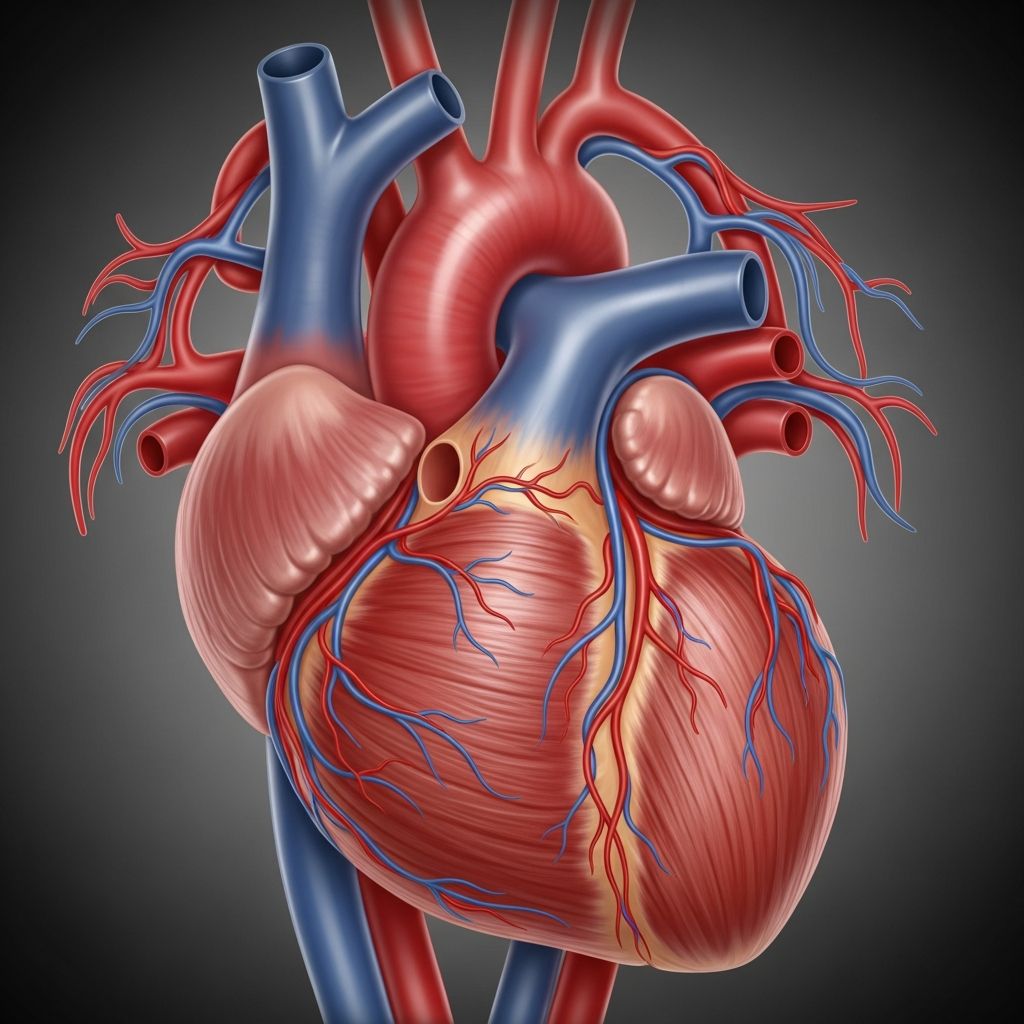
What is Dilated Cardiomyopathy?
Dilated cardiomyopathy (DCM) is a progressive heart condition in which the main pumping chamber of the heart, the left ventricle, becomes enlarged and weakened. This enlargement reduces the heart’s ability to pump blood effectively throughout the body, leading to inadequate circulation and potential heart failure. The condition is characterized by ventricular dilation and systolic dysfunction, meaning the heart cannot contract with sufficient force to maintain normal blood flow. DCM represents one of the most common forms of cardiomyopathy and remains a leading cause of heart transplantation in developed countries.
The disease process can be classified into two main categories: primary dilated cardiomyopathy, which is idiopathic in nature, and secondary dilated cardiomyopathy, which occurs as a result of identifiable causes. A primary DCM diagnosis can only be made after excluding secondary causes through comprehensive evaluation.
Causes of Dilated Cardiomyopathy
Dilated cardiomyopathy has multiple etiologies, and understanding the underlying cause is crucial for determining appropriate treatment strategies. The causes can be broadly categorized into genetic, infectious, toxic, metabolic, and inflammatory origins.
Genetic and Familial Causes
Genetic abnormalities account for a significant proportion of DCM cases. Familial or inherited genetic mutations can predispose individuals to developing this condition, and genetic testing may be recommended for patients with a family history of cardiomyopathy or unexplained heart disease.
Toxic and Environmental Exposures
Prolonged exposure to certain toxins can damage the myocardium and lead to DCM. These include exposure to mercury, lead, or excessive catecholamines such as adrenaline, noradrenaline, and dopamine. Additionally, chemotherapy agents, particularly doxorubicin used in cancer treatment, are well-documented causes of cardiomyopathy. Chronic alcohol abuse represents another significant toxic cause of dilated cardiomyopathy.
Metabolic and Endocrine Disorders
Various metabolic conditions can contribute to DCM development. Thyrotoxicosis, or overactivity of the thyroid gland, can precipitate cardiomyopathy. Other metabolic disorders, hemochromatosis, and thiamine deficiency have also been associated with this condition.
Infectious and Inflammatory Causes
Infections, including viral myocarditis, toxoplasmosis, and acute Chagas disease, can directly damage the heart muscle and lead to DCM. Inflammatory conditions such as giant cell myocarditis, eosinophilic myocarditis, and sarcoidosis represent important treatable causes that require specific immunosuppressive therapy.
Cardiac-Related Causes
Prior myocardial infarction (heart attack) and significant heart valve problems can lead to secondary DCM. Prolonged tachycardia (rapid heart rate) can also cause cardiomyopathy if sustained over extended periods.
Signs and Symptoms
The clinical presentation of dilated cardiomyopathy varies depending on the severity of ventricular dysfunction and the individual’s compensatory mechanisms. While some patients remain asymptomatic due to the heart’s ability to compensate for reduced function, most patients develop characteristic symptoms of heart failure.
Common Symptoms
Classic symptoms of dilated cardiomyopathy include:
- Shortness of breath (dyspnea) during activity or while lying down
- Paroxysmal nocturnal dyspnea (sudden shortness of breath at night)
- Orthopnea (difficulty breathing when lying flat)
- Persistent fatigue and weakness
- Malaise and general sense of illness
- Leg swelling and peripheral edema
- Enlarged abdominal girth due to fluid accumulation
- Bulging or enlarged neck veins
- Elevated resting heart rate
- Chest pain or discomfort
- Palpitations or fluttering sensation in the chest
- Dizziness or lightheadedness
- Fainting episodes
- Persistent cough, often worse when lying down
Related Stories



The progressive nature of DCM leads to continued ventricular enlargement, which results in declining ventricular function, conduction system abnormalities, ventricular arrhythmias, thromboembolism, and ultimately congestive heart failure if left untreated.
Diagnosis
A comprehensive diagnostic approach is essential for confirming dilated cardiomyopathy and identifying underlying causes. Diagnosis typically combines clinical evaluation with multiple imaging and laboratory modalities.
Clinical Assessment
The diagnostic process begins with a thorough clinical history and physical examination, including assessment of symptoms, family history of heart disease, medication use, alcohol consumption, and exposure to cardiotoxic substances.
Laboratory Testing
Blood tests play an important role in DCM diagnosis and management. Elevated natriuretic peptides (BNP or NT-proBNP) indicate heart stress and suggest the presence of heart failure. Additional laboratory work may assess thyroid function, identify infectious markers, evaluate metabolic parameters, and assess liver and kidney function.
Chest X-Ray
Chest radiography reveals characteristic findings of an enlarged heart silhouette and may show signs of pulmonary congestion or fluid accumulation in the lungs.
Echocardiography
Transthoracic echocardiography is the primary imaging modality for diagnosing DCM. This ultrasound-based technique measures left ventricular size and function, calculates ejection fraction, assesses valve function, and evaluates wall motion abnormalities. A reduced ejection fraction (typically less than 40%) is characteristic of dilated cardiomyopathy.
Cardiac Magnetic Resonance Imaging
Cardiac MRI provides detailed assessment of myocardial structure and function. It can identify areas of fibrosis or scarring, help differentiate between various cardiomyopathies, and assist in determining underlying causes. MRI is particularly useful in suspected inflammatory or infiltrative causes.
Electrocardiography
An electrocardiogram (ECG) may reveal nonspecific changes such as left ventricular hypertrophy, conduction delays, or arrhythmias.
Cardiac Catheterization and Biopsy
In selected cases, cardiac catheterization may be performed to assess hemodynamics and rule out coronary artery disease. Myocardial biopsy may be considered when autoimmune, inflammatory, or infiltrative diseases are suspected.
Treatment Options
Treatment of dilated cardiomyopathy is multifaceted and aims to reduce symptoms, improve blood flow, prevent disease progression, and prevent sudden cardiac death. The approach depends on the underlying cause and severity of the condition.
Identification and Treatment of Underlying Causes
When a specific treatable cause is identified, addressing that cause becomes the primary therapeutic goal. Removal of the offending agent (such as discontinuing doxorubicin or alcohol cessation) is essential. Patients with HIV infection should have antiretroviral therapy optimized. Treatable metabolic and infectious causes require specific interventions.
Pharmacological Management
Standard heart failure pharmacotherapy is the cornerstone of DCM management and includes:
- ACE Inhibitors or Angiotensin II Receptor Blockers (ARBs): These medications reduce the heart’s workload by dilating blood vessels and have demonstrated significant benefit in reducing mortality and hospitalizations in patients with reduced ejection fraction.
- Beta-Blockers: These drugs reduce the rate and force of heart contractions, decrease oxygen demand, and improve survival. Beta-blockers are considered first-line therapy for DCM.
- Aldosterone Antagonists: These medications block aldosterone, an artery-tightening hormone, and help reduce fluid retention and cardiac remodeling.
- Angiotensin II Receptor-Neprilysin Inhibitors (ARNI): These combination agents provide benefits similar to ACE inhibitors and ARBs while helping the body eliminate salt and reduce certain symptoms.
- SGLT2 Inhibitors: These newer agents reduce cardiovascular death risk in patients with heart disease and are increasingly used in DCM management.
- Diuretics: In acute congestive heart failure exacerbation, intravenous loop diuretics are administered to treat fluid overload. Chronic and stable disease is managed with oral diuretics to achieve a euvolemic state.
- Digoxin: This cardiac glycoside strengthens heart muscle contractions and tends to slow the heartbeat, potentially reducing symptoms and improving exercise capacity.
- Hydralazine and Nitrates: These vasodilators may be used in conjunction with other medications to improve blood flow.
- Anticoagulants: Blood thinners are prescribed when atrial fibrillation or other thromboembolism risk factors are present.
- Anti-Arrhythmic Medications: These drugs control heart rate and rhythm abnormalities.
Device-Based Therapies
When pharmacological management proves insufficient, advanced device therapies may be indicated:
- Implantable Cardioverter-Defibrillator (ICD): This device detects and treats dangerous arrhythmias that could lead to sudden cardiac death.
- Cardiac Resynchronization Therapy (CRT): This pacemaker-like device coordinates contractions between the left and right ventricles, improving heart efficiency.
- Left Ventricular Assist Device (LVAD): This mechanical pump supports the failing heart and may be used as a bridge to transplantation or as destination therapy.
Surgical Interventions
For patients with moderate to severe valvular regurgitation, surgical repair or replacement may be necessary. Heart transplantation is considered for patients with advanced disease refractory to all standard treatments who continue to experience severe symptoms and have a reasonable likelihood of survival with appropriate immunosuppression.
Lifestyle Modifications and Rehabilitation
Comprehensive patient education is essential for successful management. Dietary modifications including strict salt and water restrictions help prevent symptom exacerbation. Regular physical activity and participation in structured cardiac rehabilitation programs improve symptoms and reduce adverse cardiac events. Studies have shown that regular cardiac rehabilitation can lower mortality rates by approximately 20 percent.
Disease Progression and Prognosis
Historically, dilated cardiomyopathy carried a poor prognosis, with most cases progressing to heart failure and death without transplantation. However, modern treatment approaches have significantly improved outcomes. Early identification and aggressive treatment of DCM substantially improves prognosis. The use of contemporary medications including beta-blockers, ACE inhibitors, ARBs, ARNIs, mineralocorticoid receptor antagonists, SGLT2 inhibitors, and device-based therapies have all contributed to better survival rates. Nevertheless, the condition remains serious, and survival rates remain poor without heart transplantation in advanced cases.
Complications
Dilated cardiomyopathy can lead to several serious complications if not adequately managed:
- Congestive heart failure
- Abnormal cardiac rhythms and arrhythmias
- Sudden cardiac death
- Thromboembolism and stroke (cerebrovascular accident)
- Valvular heart disease
- Cardiogenic shock
When to Seek Medical Attention
Patients experiencing symptoms suggestive of dilated cardiomyopathy should seek prompt medical evaluation. Immediate emergency care is warranted if experiencing chest pain, severe shortness of breath, fainting, or palpitations. Any family member with a diagnosis of cardiomyopathy should discuss genetic screening and risk assessment with their physician.
Frequently Asked Questions
Q: Is dilated cardiomyopathy hereditary?
A: Yes, genetic mutations account for a significant proportion of DCM cases. If a family member has been diagnosed with dilated cardiomyopathy, genetic testing and cardiac screening may be recommended for relatives.
Q: Can dilated cardiomyopathy be cured?
A: While DCM cannot be cured, it can be managed effectively with medications, lifestyle modifications, and in some cases, device or surgical interventions. Early diagnosis and treatment are crucial for improving outcomes.
Q: What is the survival rate for dilated cardiomyopathy?
A: Survival rates have improved significantly with modern treatment approaches. However, outcomes depend on the severity of disease, underlying cause, patient age, and adherence to treatment. Without transplantation, advanced cases carry poor survival rates.
Q: Can alcohol cause dilated cardiomyopathy?
A: Yes, prolonged alcohol abuse is a recognized cause of dilated cardiomyopathy. Alcohol cessation is an essential part of treatment in alcohol-related DCM.
Q: Is exercise safe for patients with dilated cardiomyopathy?
A: Moderate, supervised physical activity is generally recommended. Patients should work with their healthcare provider to develop an appropriate exercise program and may benefit from participation in cardiac rehabilitation programs.
Q: What dietary restrictions are necessary for DCM patients?
A: Strict salt and water restrictions are essential to prevent fluid accumulation and symptom exacerbation. Patients should follow their healthcare provider’s specific dietary recommendations.
References
- Dilated Cardiomyopathy — StatPearls, National Center for Biotechnology Information (NCBI). 2024. https://www.ncbi.nlm.nih.gov/books/NBK441911/
- Dilated Cardiomyopathy – Cardiovascular Disorders — Merck Manuals Professional Edition. 2024. https://www.merckmanuals.com/professional/cardiovascular-disorders/cardiomyopathies/dilated-cardiomyopathy
- Dilated Cardiomyopathy – Comprehensive Heart and Vascular Center — University of Texas Southwestern Medical Center. 2024. https://utswmed.org/conditions-treatments/dilated-cardiomyopathy/
- Dilated Cardiomyopathy: Diagnosis & Treatment — Mayo Clinic. 2024. https://www.mayoclinic.org/diseases-conditions/dilated-cardiomyopathy/diagnosis-treatment/drc-20353155
- Dilated Cardiomyopathy Causes, Symptoms, and Treatments — UPMC Heart and Vascular Services. 2024. https://www.upmc.com/services/heart-vascular/conditions/dilated-cardiomyopathy
- Dilated Cardiomyopathy (DCM) — Penn Medicine. 2024. https://www.pennmedicine.org/conditions/dilated-cardiomyopathy
- Dilated Cardiomyopathy: Symptoms and Treatment — Cleveland Clinic. 2024. https://my.clevelandclinic.org/health/diseases/16932-dilated-cardiomyopathy
Similar Articles








Read full bio of Sneha Tete