Dilated Pupils (Mydriasis): Causes, Symptoms & Treatment
Understanding dilated pupils: Learn what causes mydriasis, symptoms to watch for, and when to seek medical help.
Understanding Dilated Pupils (Mydriasis)
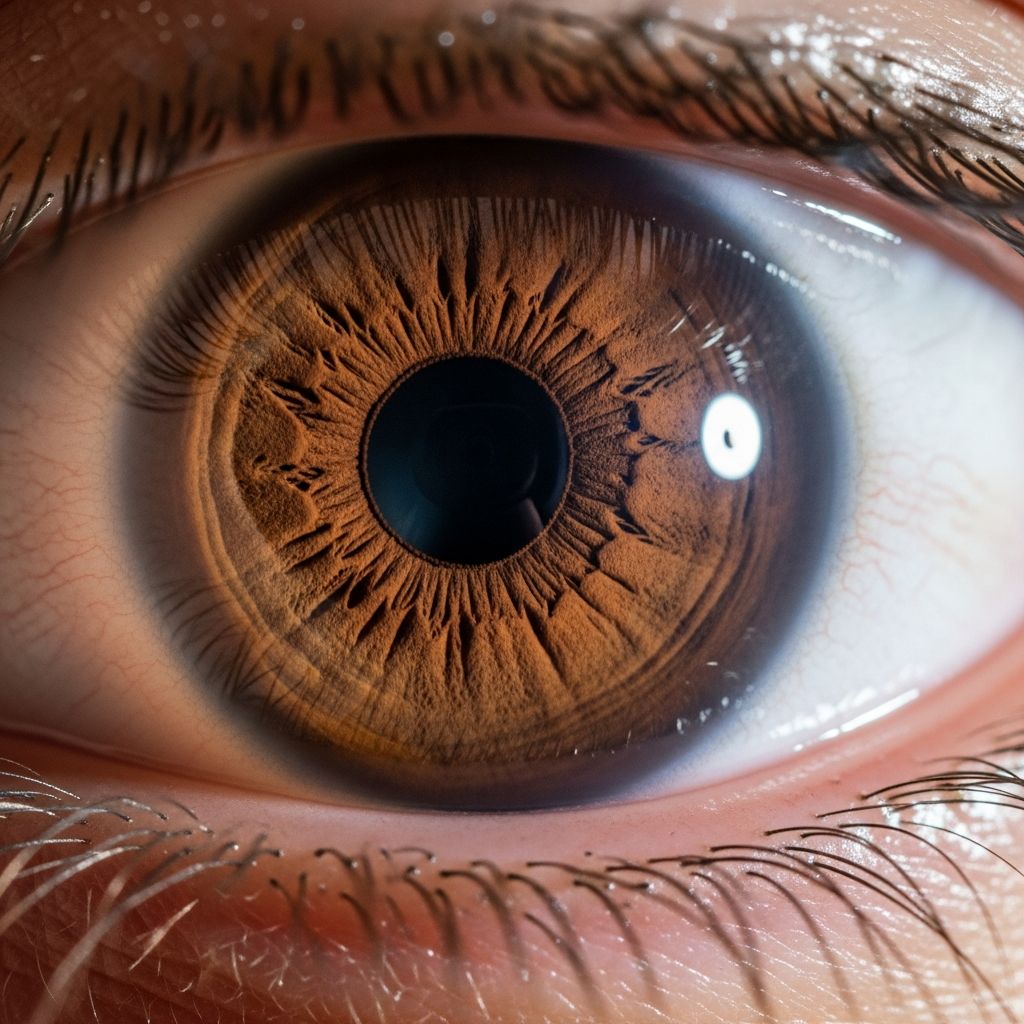
Dilated pupils, medically known as mydriasis, occur when the black center of your eyes becomes larger than normal. This condition can result from various causes, ranging from routine eye examinations to serious medical emergencies. Understanding what causes dilated pupils and recognizing when they require medical attention is essential for maintaining eye health and overall well-being.
Pupils naturally change in size throughout the day in response to light and emotional stimuli. However, when pupils remain abnormally dilated despite changes in lighting conditions, it may indicate an underlying health concern that warrants professional evaluation. The condition may be temporary and resolve on its own, or it could signal a need for medical intervention.
What Are Dilated Pupils?
Dilated pupils refer to an enlargement of the pupil, which is the black circular opening in the center of your eye. Surrounding the pupil is the iris, the colored part of your eye that gives it its distinctive hue. The pupil functions as a gateway for light entering the eye, and its size is controlled by tiny muscles within the iris.
Under normal circumstances, pupils are 2 to 4 millimeters in diameter when exposed to bright light and 4 to 8 millimeters in dim light. When the pupil becomes dilated, the black center occupies more space than the colored iris portion of the eye. This occurs naturally as your eyes adjust to varying light conditions and emotional states.
The pupillary light response is the body’s automatic adjustment mechanism. In bright environments, pupils constrict to limit light entry and protect the retina. In dim settings, pupils dilate to allow more light to reach the retina, enabling better vision. When pupils fail to respond appropriately to these light changes, it may indicate mydriasis that requires attention.
Common Causes of Dilated Pupils
Dilated pupils can result from numerous factors, including medications, recreational drugs, medical conditions, and traumatic injuries. Identifying the underlying cause is crucial for determining appropriate treatment and management strategies.
Medications and Prescription Drugs
Many commonly used medications can cause pupil dilation as a side effect. Understanding which medications affect pupil size helps you anticipate this response and take appropriate precautions. Common medications that may dilate pupils include:
– Antihistamines such as Benadryl and similar allergy medications- Decongestants including Sudafed and comparable nasal medications- Muscle relaxants like Lioresal- Tricyclic antidepressants such as Norpramin and Elavil- Parkinson’s medications including Symmetrel and carbidopa-levodopa (Sinemet)- Anti-seizure medications such as phenobarbital and topiramate- Motion sickness remedies including dimenhydrinate (Dramamine) and scopolamine patches- Botulinum toxin injections (Botox)
If you suspect your medication is causing dilated pupils, consult your healthcare provider about potential alternatives or management strategies.
Recreational and Illicit Drug Use
Certain recreational drugs can cause significant pupil dilation by affecting the muscles that control pupil size and slowing their response to light. These substances may keep pupils dilated even in bright environments. Additionally, withdrawal from these drugs can also result in persistently dilated pupils.
Related Stories



Long-term alcohol abuse can affect the eye’s natural dilation and constriction mechanisms. If you notice changes in your pupils following substance use, contact an eye care professional for evaluation and guidance.
Eye Injuries and Surgical Procedures
Traumatic injury to the eye or head can damage the delicate nerves controlling pupil size. A contusion or blow to the head may result in dilated pupils that persist beyond the initial injury period. Additionally, eye surgeries such as cataract removal or corneal transplant can affect pupil function during recovery.
If you experience pupil dilation following a head or eye injury, seek immediate medical attention to rule out serious complications.
Medical Conditions Affecting Pupil Size
Several medical conditions can cause abnormal pupil dilation:
Adie’s Pupil: This condition causes one pupil to react differently to light than the other. The affected pupil typically dilates in response to near focus and constricts very slowly in bright light.Anisocoria: This condition involves pupils of different sizes. While this occurs naturally in about 20 percent of the population and is typically harmless, significant size differences warrant professional evaluation to rule out underlying conditions.Microvascular Cranial Nerve Palsy: This condition blocks blood flow to the nerves controlling eye movement and pupil response, potentially causing dilated pupils and vision changes.Ocular Migraine: Some individuals experience sudden changes affecting one eye similar to migraine symptoms, but without the typical headache component.
Brain injuries, strokes, and tumors can increase intracranial pressure, which may damage the iris muscles responsible for pupil constriction and dilation, resulting in fixed dilated pupils.
Emotional and Stress-Related Dilation
Emotional responses trigger physiological changes in your body, including pupil dilation. When you experience anxiety, stress, or acute fear, your body releases adrenaline from the adrenal glands. This hormone initiates the “fight or flight” response, sending nerve impulses throughout your body and triggering pupil dilation, increased heart rate, elevated blood pressure, and excessive sweating.
Interestingly, the same physiological response occurs when you lie or engage in deception. The stress and emotional tension associated with dishonesty triggers hormonal and chemical changes that can cause observable pupil dilation. Attraction and other emotional states can similarly cause temporary pupil enlargement.
These emotional triggers typically cause shorter-duration dilation, with pupils returning to normal size within two to three minutes as the emotional stimulus subsides.
Recognizing Symptoms of Dilated Pupils
While dilated pupils may be visually apparent, the condition often presents with accompanying symptoms that vary based on the underlying cause and light exposure:
– Blurred or fuzzy vision, particularly when focusing on nearby objects- Increased light sensitivity and discomfort in bright environments- Headaches ranging from mild to severe- Dizziness or vertigo- Confusion or difficulty concentrating- Sudden unexplained pupil enlargement unrelated to light changes- Pupils that fail to constrict when exposed to bright light- One pupil noticeably larger than the other- Persistent dilation lasting hours or days
The severity and duration of symptoms depend on the underlying cause. Dilation from eye drops during routine examinations typically resolves within four to six hours, while dilation from other causes may persist longer.
When to Seek Medical Attention
Although most cases of dilated pupils are benign and self-resolving, certain situations require immediate medical evaluation:
– Sudden pupil dilation following a head injury or trauma- Dilated pupils accompanied by severe headaches, confusion, or vision changes- One pupil significantly larger than the other without a known cause- Pupils that remain dilated in bright light despite adequate time for adjustment- Dilation persisting for more than several hours without explanation- Accompanying symptoms suggesting stroke or neurological emergency (slurred speech, weakness, numbness)
Contact your healthcare provider promptly if you notice any of these warning signs. In emergency situations involving head trauma or neurological symptoms, seek immediate medical care at an emergency facility.
How to Check Your Pupil Size at Home
You can perform a basic pupil assessment at home to monitor changes:
- Position yourself in front of a mirror in a well-lit room
- Note the size of both pupils and compare them to each other
- Dim the lighting gradually while observing how your pupils respond
- Increase the lighting to bright conditions and observe constriction
- Look for symmetrical size changes in both pupils
- Note any asymmetry where one pupil appears larger than the other
This simple self-assessment helps you establish a baseline and notice significant changes that warrant professional evaluation.
Treatment and Management Options
Treatment for dilated pupils depends on the underlying cause and severity of the condition.
Self-Care Measures
For medication-related or minor dilation, conservative management often suffices:
– Wearing dark-tinted sunglasses to reduce light sensitivity and discomfort- Avoiding bright environments when possible- Using protective eyewear during outdoor activities- Allowing adequate time for medication effects to wear off before driving- Applying cool compresses to reduce associated discomfort
Medical Interventions
More serious cases require professional medical treatment:
– Evaluation by an ophthalmologist or optometrist to identify underlying causes- Medication adjustment if pharmaceutical side effects are responsible- Treatment of underlying medical conditions such as infections or neurological disorders- Specialized testing including imaging studies if neurological involvement is suspected- Referral to specialists for conditions like Adie’s syndrome or migraine-related dilation
In most cases, dilated pupils return to normal size on their own without intervention, particularly when resulting from eye drops used during routine examinations. However, persistent or recurrent dilation warrants professional investigation.
Frequently Asked Questions
Q: Can one pupil be more dilated than the other?
A: Yes, this condition is called anisocoria, and it occurs when the two pupils differ in size by more than half a millimeter. Approximately 20 percent of the population naturally has some degree of anisocoria. Both pupils still react normally to light, but they vary in baseline size. However, significant differences or new-onset anisocoria warrant professional evaluation to rule out underlying conditions.
Q: Do dilated pupils cause pain or discomfort?
A: Dilated pupils themselves don’t typically hurt, but they can cause significant discomfort depending on individual light sensitivity. People with dilated pupils often experience blurred vision, particularly when focusing on nearby objects, and may have difficulty tolerating bright light. Some individuals develop headaches, and light sensitivity can range from mild to severe. Wearing sunglasses and reducing light exposure helps manage these symptoms.
Q: How long do dilated pupils typically last?
A: Duration varies based on the cause. Dilated pupils from emotional stimuli may return to normal within two to three minutes. Dilation from eye drops during eye examinations typically resolves within four to six hours. Dilation from medications may persist as long as the medication remains in your system. Dilation from medical conditions may require treatment and professional management for complete resolution.
Q: Should I be concerned about dilated pupils?
A: Dilated pupils are normal in many situations, including routine eye examinations, emotional responses, and low-light environments. However, persistent dilation in bright light, sudden unexplained dilation, or dilation accompanied by other symptoms like headaches or confusion warrants medical evaluation. When dilated pupils follow head trauma or neurological symptoms, seek immediate emergency care.
Q: Are there any risks associated with dilated pupils?
A: While dilated pupils themselves aren’t inherently dangerous, they can indicate serious underlying conditions like stroke, aneurysm, or increased intracranial pressure. Dilated pupils also reduce your visual comfort in bright environments and may affect your ability to focus clearly on nearby objects. This is why driving after eye dilation is not recommended until normal pupil function returns.
Understanding Pupil Function and Eye Health
Your pupils are remarkable structures that continuously adapt to environmental and emotional changes. By understanding the causes of dilated pupils and recognizing when professional evaluation is necessary, you can maintain optimal eye health and catch potentially serious conditions early. Most cases of dilated pupils are temporary and benign, but awareness of warning signs ensures you seek appropriate care when needed. Maintain regular eye examinations with qualified eye care professionals to monitor your eye health and address any concerns promptly.
References
- Dilated Pupils (Mydriasis): What Is It, Causes & What It Looks Like — Cleveland Clinic. 2024. https://my.clevelandclinic.org/health/symptoms/22238-dilated-pupils
- Why Are My Pupils Dilated? 5 Causes of Dilated Pupils (Mydriasis) — WebMD. 2024. https://www.webmd.com/eye-health/why-are-pupils-dilated-mydriasis
- Dilated Pupils: Causes, Treatments, and When To Be Concerned — Cleveland Eye Clinic. 2024-03-21. https://clevelandeyeclinic.com/2024/03/21/dilated-pupils-causes-treatments-and-when-to-be-concerned/
- Anisocoria (Unequal Pupil Size): Symptoms & Causes — Cleveland Clinic. 2024. https://my.clevelandclinic.org/health/diseases/22422-anisocoria
- Adie Syndrome (Tonic Pupil): Causes, Symptoms & Treatment — Cleveland Clinic. 2024. https://my.clevelandclinic.org/health/diseases/adie-syndrome-tonic-pupil
- Pupil of the Eye: Definition, Anatomy & Function — Cleveland Clinic. 2024. https://my.clevelandclinic.org/health/body/24317-pupil-of-the-eye
Similar Articles








Read full bio of Sneha Tete