Dill: Health Benefits, Nutrition, and Uses
Discover the nutritional profile and evidence-based health benefits of dill herb.
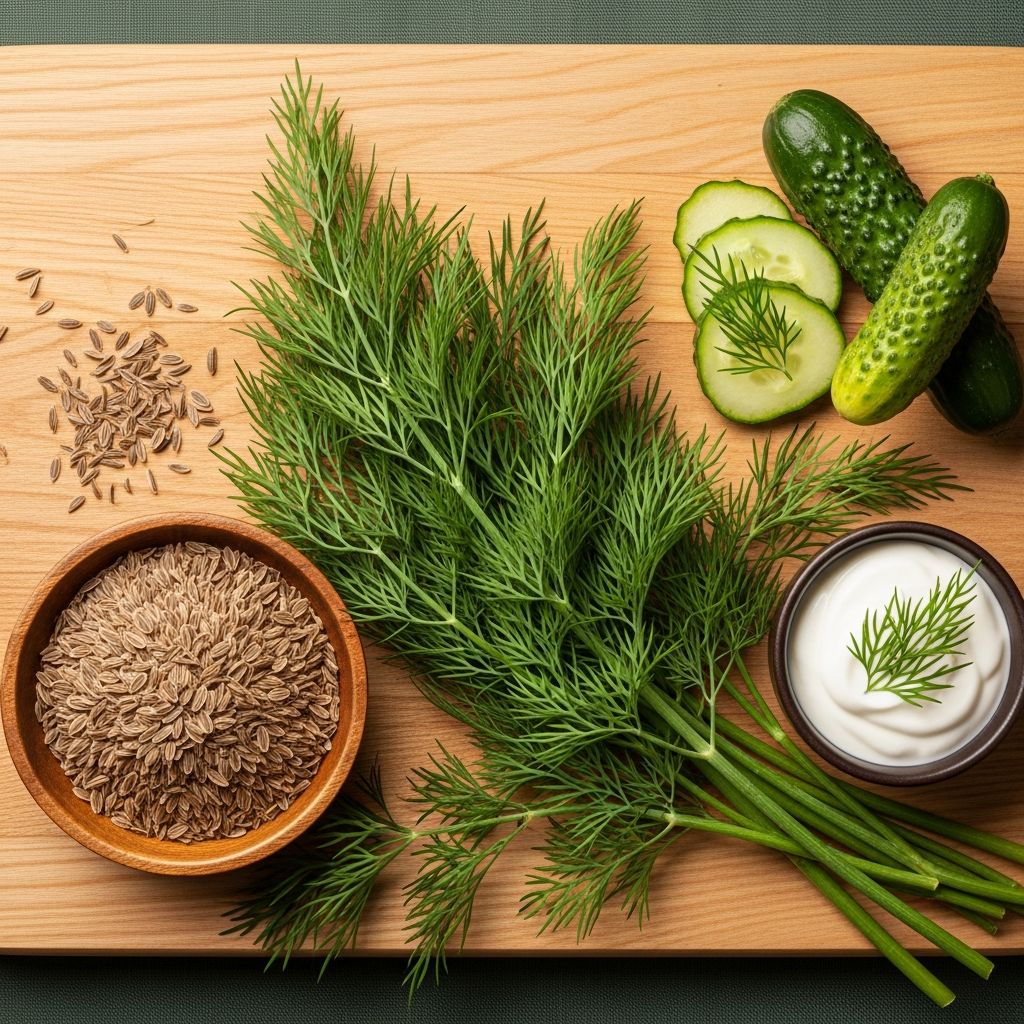
What Is Dill?
Dill, scientifically known as Anethum graveolens, is an herb with a rich history spanning thousands of years. Its name is derived from the Old Norse word “dilla,” which means to soothe, reflecting its traditional role in promoting digestive comfort and overall wellness. Today, dill is recognized both as a culinary herb that enhances the flavor of various dishes and as a plant with potential therapeutic properties supported by modern scientific research.
The herb is commonly used to elevate the flavor of salmon, potatoes, and yogurt-based sauces, making it a staple in kitchens worldwide. Beyond its culinary appeal, dill has been traditionally employed to address digestive issues, colic in infants, bad breath, and breastfeeding support. While some traditional uses lack robust research support, contemporary studies have identified several evidence-based health benefits.
Nutritional Profile of Dill
Dill is nutrient-dense, offering an impressive array of vitamins and minerals that contribute to overall health. The herb is particularly rich in essential micronutrients that support various bodily functions.
Key Nutrients in Dill
- Vitamin C: A powerful antioxidant that supports immune function and collagen synthesis
- Vitamin A: Essential for vision, immune health, and skin integrity
- Folate: Important for DNA synthesis and cell division
- Riboflavin (Vitamin B2): Supports energy metabolism
- Calcium: Critical for bone health and muscle function
- Magnesium: Involved in over 300 enzymatic reactions in the body
- Phosphorus: Works with calcium to maintain bone strength
- Potassium: Essential for heart rhythm and blood pressure regulation
- Manganese: Supports bone development and metabolism
- Iron: Necessary for oxygen transport in the blood
Additionally, dill is rich in antioxidants and contains essential oils with antimicrobial and anti-inflammatory properties, making it a functional food with multiple health-supporting compounds.
Potential Health Benefits of Dill
May Benefit Heart Health
Heart disease remains the leading cause of death worldwide, yet the World Health Organization estimates that nearly 75% of cases could be prevented by addressing modifiable risk factors such as poor diet, smoking, and sedentary lifestyle. Dill may play a supportive role in cardiovascular health through multiple mechanisms.
The flavonoids present in dill possess anti-inflammatory properties that may reduce the risk of heart disease and help lower blood pressure. Research suggests that dill may also assist in clearing blood clots and breaking up arterial plaque associated with high cholesterol levels. One study involving 91 people with elevated total cholesterol and triglyceride levels found that consuming 6 dill extract tablets daily for 2 months significantly improved both total cholesterol and triglyceride levels, though high-density lipoprotein (HDL, or “good” cholesterol) remained unchanged.
However, results from research on dill’s lipid-lowering effects are mixed. Another investigation involving 150 people with high cholesterol and triglyceride levels observed no significant changes in these markers after 6 weeks of daily dill tablet supplementation. A clinical trial examining dill extract in patients with metabolic syndrome found that while triglyceride levels improved significantly from baseline (257.0 to 201.5 mg/dL), this improvement was not significantly different compared to the placebo group. Researchers concluded that larger studies are needed to establish the efficacy and safety of long-term dill administration for metabolic syndrome management.
May Help Lower Blood Sugar Levels
Chronically elevated blood sugar levels increase the risk of insulin resistance, metabolic syndrome, and type 2 diabetes—conditions affecting millions worldwide. Dill has been suggested to possess blood-sugar-lowering effects that may help mitigate these risks.
Related Stories



Numerous animal studies have demonstrated that daily doses of dill extract significantly improve fasting blood sugar levels in diabetic models. However, human research remains limited, and more clinical trials are necessary to determine the optimal dosage and long-term efficacy in people with diabetes or prediabetes. The potential blood-sugar-lowering mechanism of dill may involve its bioactive compounds enhancing insulin sensitivity or promoting glucose metabolism.
Rich in Antioxidants
Dill contains substantial quantities of antioxidants, including flavonoids and other polyphenols that protect cells from oxidative stress and free radical damage. This antioxidant activity supports multiple aspects of health, including immune function, skin health, and protection against chronic diseases such as cancer and cardiovascular disease.
Additional Potential Benefits
Beyond heart and blood sugar support, dill offers several other health-promoting properties:
- Antibacterial Properties: The essential oils in dill demonstrate antibacterial effects against potentially harmful bacteria, including Klebsiella pneumoniae and Staphylococcus aureus, making it useful for supporting immune defense
- Bone Health: Dill’s rich mineral content—including calcium, magnesium, phosphorus, iron, and vitamin D—supports bone growth, regeneration, and maintenance of skeletal integrity
- Digestive Support: Traditionally used to reduce flatulence and bloating, dill contains dietary fiber that improves bowel motility. Its antacid properties make it useful for addressing indigestion, gastritis, and other inflammatory digestive conditions
- Immune System Enhancement: The antioxidants in dill support immune function by protecting cells from free radical damage, while vitamin C stimulates white blood cell activity
- Menstrual Comfort: Some research suggests that essential oils in dill may help relieve discomfort from menstrual cramps, though evidence remains limited and mixed
- Sleep Support: Recent research indicates that magnesium and B vitamins found in dill may help address insomnia by promoting melatonin production and creating a mild sedative effect
- Anti-inflammatory Effects: Dill has been used since ancient times as a remedy for inflammation, likely due to its concentrated antioxidant profile
How to Use Dill
Culinary Uses
Fresh or dried dill can be easily incorporated into daily meals. It pairs exceptionally well with salmon and other fish, potatoes, cucumbers, Greek yogurt, and cream-based sauces. Fresh dill adds brightness to salads, soups, and seafood dishes, while dried dill works well in spice blends and cooking applications.
Supplemental Forms
For those seeking concentrated doses of dill’s bioactive compounds, several supplemental options are available, including dill extract tablets, capsules, and essential oils. Dill oil is now widely available as an essential oil supplement in pill form, particularly for addressing blood sugar and metabolic health. However, it is important to consult with a healthcare provider before starting any supplement regimen to ensure safety and appropriate dosing.
Important Considerations
Research Limitations
While dill shows promise for several health applications, most clinical research examining its benefits has utilized dill extracts rather than fresh or dried culinary dill. It remains unclear whether consuming culinary amounts of fresh or dried dill would produce the same therapeutic effects observed in studies using concentrated extracts. Additionally, many studies examining dill’s benefits have been conducted in animal models, with limited human research available for several proposed benefits.
Dosage and Safety
Dill extract has been generally well tolerated in clinical trials, with no serious adverse reactions reported. However, optimal dosages for therapeutic effects have not been firmly established. Research indicates that dose-dependent effects may be important—animal studies suggest that higher doses produce more pronounced results, but equivalent human doses have not been standardized. Larger, well-designed clinical trials are needed to determine safe and effective dosing protocols for various health applications.
Frequently Asked Questions
Q: Can I use culinary dill to obtain the same health benefits as dill extract supplements?
A: Most research examining dill’s health benefits has used concentrated extracts rather than fresh or dried culinary herb. While culinary dill contains beneficial compounds, the concentration and bioavailability may differ from supplements. Consuming dill regularly in cooking contributes to overall nutrient intake, but therapeutic effects may require supplemental forms. Always consult a healthcare provider before using dill supplements.
Q: Is dill safe for everyone?
A: Dill has been generally well tolerated in clinical research. However, certain populations—including pregnant women, nursing mothers, and individuals taking specific medications—should consult healthcare providers before using dill supplements. Fresh culinary dill is safe for most people when used in typical food amounts.
Q: How much dill extract was used in clinical studies?
A: Dosages vary across studies. Research on heart health used 6 dill extract tablets daily for 2 months, while metabolic syndrome studies employed dill extract for 12 weeks. Optimal therapeutic dosing remains to be established through larger clinical trials.
Q: Can dill help with digestive issues?
A: Dill has been traditionally used to address bloating, flatulence, and indigestion. Its dietary fiber supports healthy bowel motility, while antacid properties may reduce inflammatory digestive conditions. However, robust clinical evidence in humans remains limited for digestive applications.
Q: What makes dill beneficial for heart health?
A: Dill contains flavonoids with anti-inflammatory effects and compounds that may help reduce triglyceride levels and cholesterol accumulation. These mechanisms work together to potentially lower heart disease risk, though research results have been mixed and larger studies are needed.
References
- The effect of 12 weeks Anethum graveolens (dill) on metabolic syndrome — National Center for Biotechnology Information (NCBI/PMC). 2012. https://pmc.ncbi.nlm.nih.gov/articles/PMC3555834/
- Dill: Nutrition, Benefits, and Uses — Healthline Media. 2024. https://www.healthline.com/nutrition/dill
- What Are the Health Benefits of Dill Weed? — Silva International. 2024. https://silva-intl.com/blog/what-are-the-health-benefits-of-dill-weed
- Dill: Potential Health Benefits — NursingCenter. 2024. https://www.nursingcenter.com/journalarticle?Article_ID=6696019
Similar Articles








Read full bio of Sneha Tete