Diloxanide Tablets: Usage, Dosage & Side Effects
Complete guide to diloxanide tablets for treating bowel infections and amoebiasis.
Diloxanide Tablets
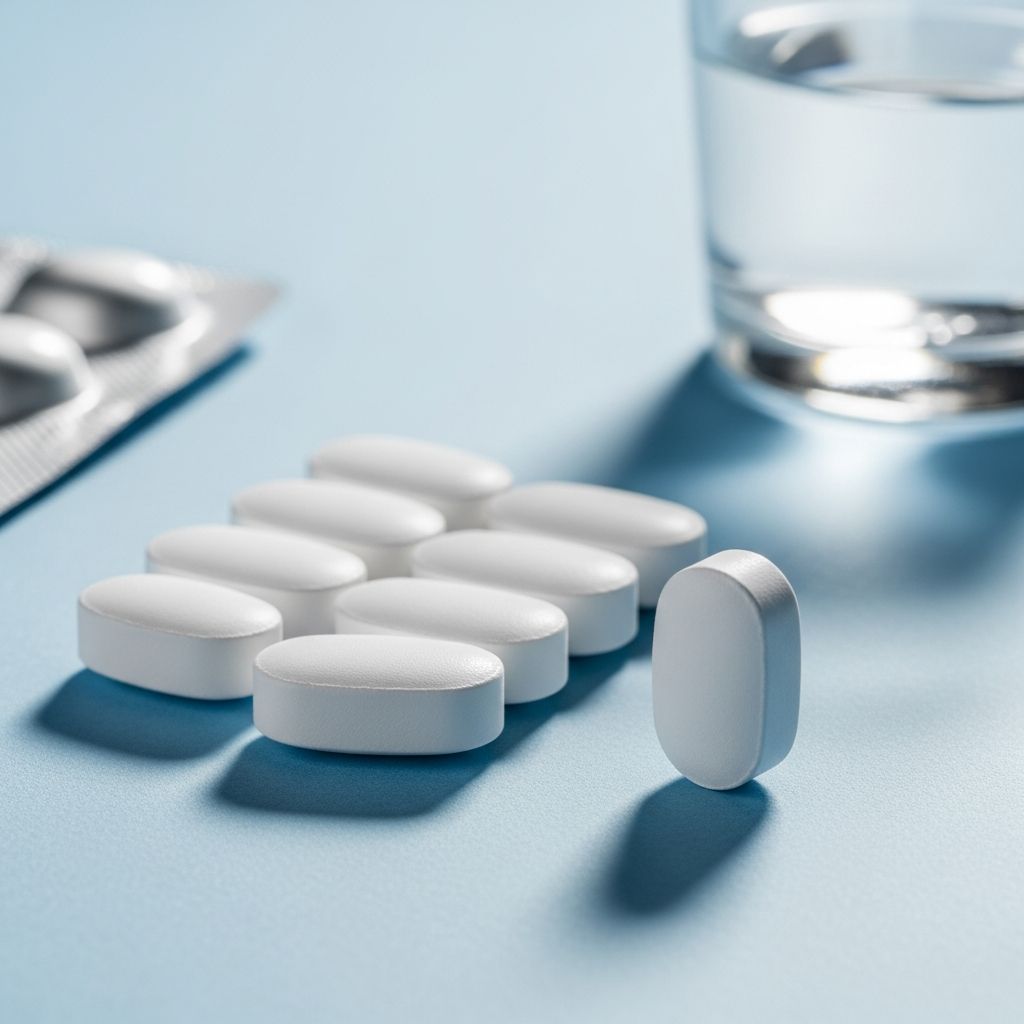
Diloxanide tablets are used to treat infections in your bowel caused by a parasitic organism. The standard treatment involves taking one tablet every eight hours for 10 days. If you experience diarrhoea during treatment, it is essential to drink plenty of fluids to prevent dehydration. Even if you feel well, it is crucial to complete the full course of tablets as prescribed by your doctor to ensure the infection is completely eradicated.
About Diloxanide
Diloxanide is an amoebicide—a medication specifically designed to eliminate amoebic infections. The drug is also known by its pharmaceutical name, diloxanide furoate. Understanding the key characteristics of this medication helps patients use it effectively and safely.
| Characteristic | Details |
|---|---|
| Type of Medicine | Amoebicide |
| Used For | Amoebiasis in adults and children over 12 years of age |
| Also Called | Diloxanide furoate |
| Available Forms | Tablets (discontinued), oral liquid medicine (special order) |
Diloxanide is used to treat an infection caused by Entamoeba histolytica, a microscopic parasitic organism that infects the intestines. The medication works as a primary agent in treating asymptomatic intestinal amoebiasis, where patients may be cyst passers without showing obvious symptoms. In cases of active amoebic infections, diloxanide may be used concurrently or sequentially with other agents such as metronidazole to address invasive or extraintestinal forms of the disease.
Before Taking Diloxanide
Before starting treatment with diloxanide tablets, it is important that your doctor has complete information about your medical history and current medications. Certain conditions and medicines may affect how safely you can use this medication.
Inform your doctor if any of the following apply to you:
- You are pregnant or breastfeeding
- You are taking or using any other medicines, including those available without a prescription
- You use herbal or complementary medicines
- You have ever had an allergic reaction to any medicine
- You have liver or kidney problems
- You are elderly and concerned about potential side effects
Diloxanide should be used with caution in patients with liver disease, as dose adjustments may be necessary. Additionally, elderly patients should use this medication with care due to the potential for adverse effects. The medication is not recommended for children below 2 years of age.
How to Take Diloxanide
Proper administration of diloxanide is essential for effective treatment. Before you start treatment, read the manufacturer’s printed information leaflet included in the medication pack, which provides detailed information and a complete list of possible side effects.
Dosage Instructions
Take the tablets exactly as your doctor directs. The usual dosage is one tablet three times a day for 10 days. Space your doses evenly throughout the day, ideally taking one tablet every eight hours. You can take the tablets either with or without food, though taking them with meals may help minimize gastrointestinal irritation.
Key points for taking diloxanide:
Related Stories



- Continue taking the tablets even if you feel well during treatment
- Complete the full course of treatment unless your doctor instructs you to stop
- If you forget to take a dose, take it as soon as you remember
- Do not take two doses at the same time to make up for a missed dose
- Try to take the correct number of doses each day for optimal results
Compliance with the full course of therapy is critical, as relapse and reinfection are common if treatment is discontinued prematurely. Stopping the medication too early may enhance your risk of further infection, and symptoms may return or worsen.
Possible Side Effects
Like all medicines, diloxanide can cause side effects, though not everyone experiences them. Understanding potential side effects helps you manage them appropriately and know when to seek medical advice.
Common Side Effects
The most common side effects associated with diloxanide include:
- Feeling sick (nausea) or being sick (vomiting)
- Loss of appetite
- Diarrhoea
- Tummy (abdominal) cramps
- Wind (flatulence)
- Skin rash and itching
- Headache
- Dizziness
Most of these side effects do not require medical attention and gradually resolve over time. However, if they persist or worsen, please consult your doctor.
Managing Common Side Effects
If you experience gastrointestinal symptoms such as nausea, vomiting, or diarrhoea, stick to simple foods and avoid rich or spicy meals. If you develop a skin rash, itching, headache, or dizziness, these are usually mild, but should they become troublesome, speak with your doctor for further guidance.
Less Common Side Effects
Other potential side effects that have been reported include hair loss, abnormal liver function tests, and fever. If you experience any symptoms that you think may be due to the tablets, speak with your doctor or pharmacist for further advice.
Important Precautions
Certain precautions should be observed while taking diloxanide to ensure your safety and the medication’s effectiveness.
Pregnancy and Breastfeeding
If you are pregnant or planning to become pregnant, inform your doctor before taking diloxanide. Regarding breastfeeding, it is not safe to breastfeed while taking diloxanide. It is advised to take this drug only if your doctor thinks the benefits outweigh the risks. Your healthcare provider can help you make the best decision for your situation.
Driving and Operating Machinery
Do not drive or operate machinery if you experience dizziness while using diloxanide. Dizziness can impair your ability to perform tasks safely, so it is important to avoid these activities until the symptom resolves.
Liver Function
Diloxanide should be used with caution in patients with liver disease. If you have a history of liver problems, your doctor may need to adjust your dose or monitor your liver function more closely during treatment.
Staying Hydrated
If you have diarrhoea during treatment, drink plenty of fluids so that you don’t become dehydrated. Dehydration can complicate your condition and slow recovery, so maintaining adequate fluid intake is essential.
Contraindications and When Not to Take Diloxanide
Do not take diloxanide if you are allergic to diloxanide or any other ingredients present in the medication. If you have ever had an allergic reaction to this medicine, inform your doctor immediately.
Overdose Information
Diloxanide tablets are unlikely to constitute a hazard in overdosage. However, in cases of severe overdosage, early gastric lavage (stomach pumping) is recommended. There is no specific antidote for diloxanide overdose. Treatment should be symptomatic and supportive, focusing on managing symptoms and providing necessary medical care. If you suspect an overdose, contact emergency services or poison control immediately.
Frequently Asked Questions
Q: What is diloxanide used for?
A: Diloxanide is used to treat intestinal amoebiasis (amoebic dysentery) caused by the parasite Entamoeba histolytica. It is particularly effective in treating asymptomatic intestinal infections where patients may be cyst passers. It can also be used alongside other medications for more severe or invasive amoebic infections.
Q: How long does treatment with diloxanide take?
A: The standard treatment course is 10 days. During this period, you should take one 500mg tablet three times daily, spacing doses evenly throughout the day (approximately every eight hours). It is crucial to complete the full course even if you feel better before the treatment ends.
Q: Can I take diloxanide with food?
A: Yes, you can take diloxanide tablets either with or without food. However, taking them with meals may help minimize gastrointestinal irritation. If you experience stomach upset, try taking your doses with food.
Q: What should I do if I miss a dose?
A: If you miss a dose, take it as soon as you remember. However, if it is almost time for your next scheduled dose, skip the missed dose and follow your usual dosage schedule. Never take two doses at the same time to make up for a missed dose.
Q: Is diloxanide safe for children?
A: Diloxanide is used in children over 12 years of age and is not recommended for children below 2 years of age. For children weighing less than 25 kg, the medication may not be suitable. The typical pediatric dose is 20 mg/kg bodyweight daily in divided doses for 10 days. Always follow your doctor’s specific recommendations for children.
Q: Does diloxanide require dose reduction in elderly patients?
A: There is generally no need for dosage reduction in elderly patients in terms of the standard 500mg three times daily for 10 days. However, diloxanide should be used with caution in elderly patients due to the potential for adverse effects. Your doctor may recommend monitoring and may adjust the dose based on individual tolerance.
Q: What happens if I stop taking diloxanide early?
A: Stopping diloxanide too early can enhance your risk of further infection. Symptoms may return or worsen, and the infection may not be completely eliminated. Compliance with the full course of therapy is essential, as relapse and reinfection are common if treatment is discontinued prematurely.
Q: Can I breastfeed while taking diloxanide?
A: No, it is not safe to breastfeed while taking diloxanide. The medication should only be taken if your doctor believes the benefits outweigh the risks. Discuss breastfeeding concerns with your healthcare provider to determine the safest approach for you and your baby.
Q: What should I do about diarrhoea during treatment?
A: If you experience diarrhoea while taking diloxanide, drink plenty of fluids to prevent dehydration. Stick to simple foods and avoid rich or spicy meals. If diarrhoea persists or becomes severe, contact your doctor for advice.
Q: Are there any drug interactions I should be aware of?
A: Inform your doctor if you are taking any other medicines, including those available without a prescription, as well as herbal and complementary medicines. Your doctor can advise you on potential interactions and whether adjustments to your medication regimen are necessary.
References
- Diloxanide 500mg Tablets Product Information — Pharmaceutical Product Information. PDF Document. https://media.mycme.com/documents/68/diloxanide_500mg_tablets_pi_16997.pdf
- Diloxanide Tablets Patient Information — Patient.info. https://patient.info/medicine/diloxanide-tablets
- Diloxanide Furoate: Uses, Interactions, Mechanism of Action — DrugBank. https://go.drugbank.com/drugs/DB14638
- Diloxanide Furoate Drug Information Professional — e-Lactancia. PDF Document. https://www.e-lactancia.org/media/papers/Diloxanide_Furoate-DS-DRg2020Drug_Information_Professional.pdf
- Diloxanide: Uses, Side Effects and Medicines — Apollo Pharmacy. https://www.apollopharmacy.in/salt/Diloxanide
Similar Articles








Read full bio of medha deb