Diphenylcyclopropenone: Uses, How It Works, Risks And Protocols
Diphenylcyclopropenone (DPCP) is a potent topical immunotherapy primarily used for severe alopecia areata and recalcitrant warts.
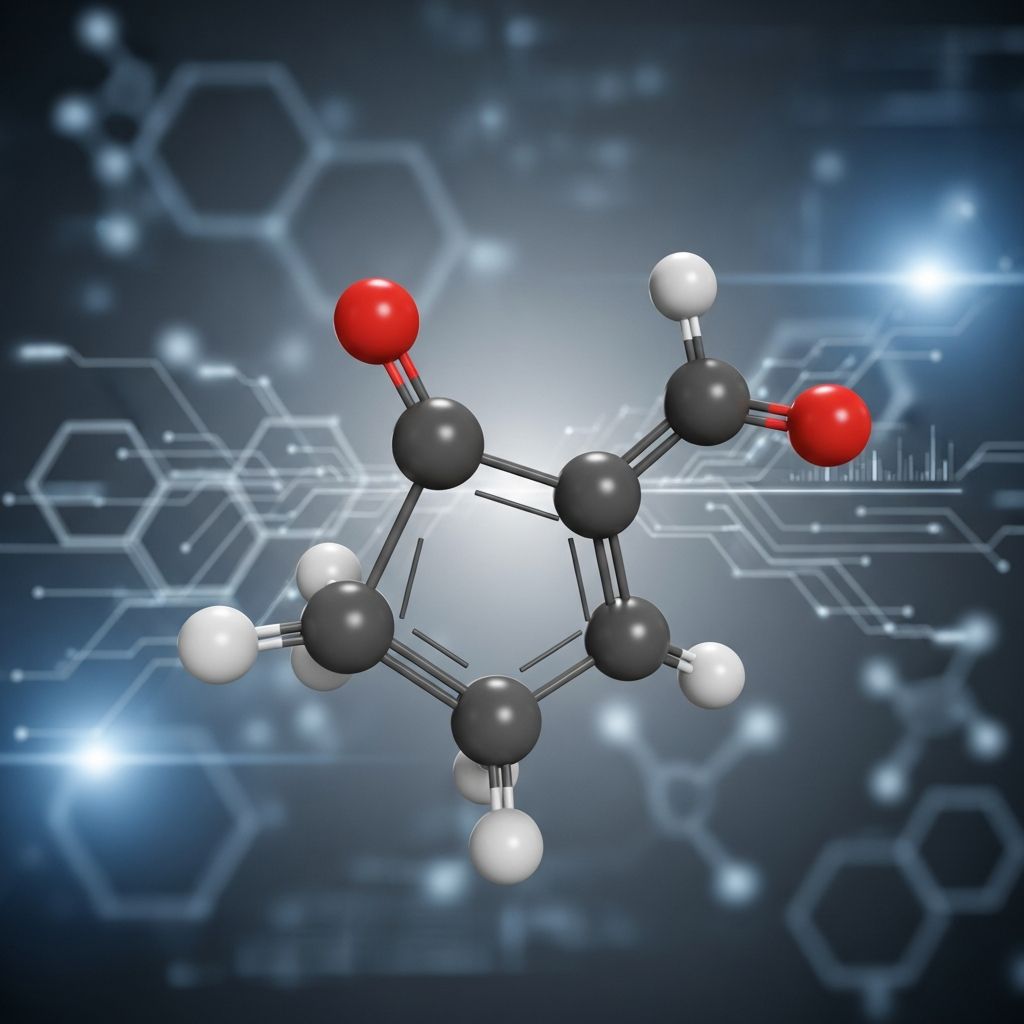
Authoritative facts about diphenylcyclopropenone (DPCP): what it is used for and how it works.
What is diphenylcyclopropenone?
Diphenylcyclopropenone, also known as diphencyprone or DPCP, is a synthetic chemical compound classified as a potent contact sensitizer. It is primarily utilized in dermatology as a topical immunotherapy agent. DPCP is not approved by regulatory bodies such as the FDA or EMA for routine clinical use but is employed off-label based on extensive clinical evidence for specific refractory conditions. The compound is typically prepared as a solution in acetone or white soft paraffin, allowing precise concentration adjustments for therapeutic application.
Chemically, DPCP belongs to the cyclopropenone family, characterized by its highly reactive structure that facilitates hapten formation with skin proteins. This reactivity induces a robust allergic contact dermatitis upon application. Its investigational status underscores ongoing research into its mechanisms and broader applications, including trials for melanoma and immunosuppression.
What is diphenylcyclopropenone used for?
Diphenylcyclopropenone is most commonly indicated for severe forms of alopecia areata, particularly when more than 50% scalp involvement occurs or when standard treatments fail. It has demonstrated efficacy in promoting hair regrowth by modulating autoimmune responses targeting hair follicles.
Beyond alopecia, DPCP treats recalcitrant viral warts, including palmoplantar and anogenital types, especially in pediatric patients where painful destructive methods like cryotherapy are poorly tolerated. Success rates reach 88% for palmoplantar warts when combined with salicylic acid. Emerging evidence supports its use in cutaneous metastases of melanoma unresponsive to conventional therapies.
- Alopecia areata (including totalis and universalis): Redirects autoimmune T-cell attacks, achieving 50-69% overall response rates and up to 23% complete regrowth.
- Recalcitrant warts: Effective for HPV-induced lesions, with 87.7% clearance in one study of 135 patients.
- Melanoma metastases: Induces tumor regression in 57% of cases (4/7 complete responses).
How does diphenylcyclopropenone work?
DPCP exerts its therapeutic effects through induction of allergic contact dermatitis. Upon initial application, it acts as a hapten, binding to skin proteins to form complete antigens recognized by the immune system. This triggers a type IV hypersensitivity reaction involving T-lymphocytes.
In alopecia areata, the induced inflammation is hypothesized to create antigenic competition, diverting autoreactive T-cells from hair bulbs toward the DPCP-hapten complex. This downregulation of perifollicular inflammation promotes anagen phase re-entry and hair regrowth. For warts, DPCP enhances local cytotoxic T-cell responses against HPV-infected keratinocytes, leading to lesion destruction. In melanoma, it stimulates antitumor immunity against metastatic deposits.
Studies confirm non-mutagenicity in Ames assays, though precursors show mutagenic potential; no systemic absorption or carcinogenicity has been linked clinically.
Clinical evidence and efficacy
Meta-analyses report DPCP efficacy in alopecia areata ranging from 50-87%, with a pooled regrowth rate of 69% and 23% complete responses, particularly in extensive disease. For warts, an Australian center achieved 88% clearance of palmoplantar lesions using 0.1% DPCP with 15% salicylic acid, reducing hyperkeratosis for better penetration.
In children with anogenital warts (HPV types 6/11), three cases aged 2-4 years showed complete resolution after 6 months of 0.05-0.5% DPCP applied twice weekly at home, following failed cryotherapy or imiquimod. A 2002 study of 135 wart patients reported 87.7% complete clearance after an average of 5 treatments over 6 months. For melanoma, a series of seven patients yielded four complete and three partial responses. Recurrence rates post-alopecia treatment average 37%.
Related Stories



| Condition | Study Details | Success Rate | Reference |
|---|---|---|---|
| Alopecia Areata | Meta-analysis, various severities | 69% response, 23% complete | |
| Palmoplantar Warts | 88 patients, 0.1% DPCP + salicylic acid | 88% clearance | |
| Anogenital Warts (Children) | 3 cases, 0.05-0.5% DPCP | 100% resolution at 6 months | |
| Warts (General) | 135 patients, average 5 treatments | 87.7% clearance | |
| Melanoma Metastases | 7 patients | 57% complete/partial response |
Sensitisation and treatment protocol
Treatment requires an initial sensitisation phase. A clinician applies 2% DPCP via a small test patch (e.g., 1 cm² on the scalp or affected area), left occlusively for 2-3 days to induce allergy. Mild dermatitis confirms sensitization; non-responders may require repeat.
Subsequent challenge doses start at 0.01-0.05% acetone solution, applied weekly to lesions for 48 hours before washing off. Concentrations escalate (up to 2%) to maintain mild erythema without severe blistering. For warts, combinations like 0.1% DPCP with 15% salicylic acid enhance efficacy. Home application is feasible post-sensitization, twice weekly for anogenital cases.
- Day 0: Sensitisation with 2% DPCP patch.
- Week 1: Confirm reaction; initiate 0.01% challenge.
- Weeks 2+: Titrate dose to achieve +/++ dermatitis.
- Duration: 6-12 months or until response.
Side effects of diphenylcyclopropenone
Adverse effects are localized and dose-dependent, reflecting the intended dermatitis. Common issues include:
- Mild contact dermatitis (36%)
- Severe dermatitis (31%)
- Regional lymphadenopathy (22%)
- Hyperpigmentation (22%), hypopigmentation (7%)
- Pruritus (15.6%), blistering (7.1%), eczema (14.2%)
Rare complications: impetigo, urticaria. No systemic effects reported; well-tolerated in children and pregnancy cases. Monitoring involves dose adjustment to prevent excessive reactions.
Preparation and precautions
DPCP must be compounded fresh in acetone (stable 1 week refrigerated) by pharmacists. Protective gloves prevent inadvertent sensitization. Avoid application near eyes, mucosa, or open wounds. Contraindications: active infections, known hypersensitivity. Pregnancy category: use cautiously, limited data.
Frequently asked questions (FAQs) about diphenylcyclopropenone
Q: Is diphenylcyclopropenone FDA-approved?
A: No, DPCP is investigational/off-label; efficacy supported by clinical studies but lacks formal approval.
Q: How long does DPCP treatment take for alopecia areata?
A: Visible regrowth in 3-6 months; full courses last 6-12 months with 50-69% response rates.
Q: Can children use diphenylcyclopropenone for warts?
A: Yes, effective and painless for anogenital warts post-failed therapies; home-applied safely.
Q: What if sensitisation fails?
A: Up to 10% fail; alternatives include squaric acid dibutyl ester or re-trial.
Q: Does DPCP cause permanent side effects?
A: Most resolve post-treatment; pigment changes may persist but are uncommon.
References
- Successful Treatment with Topical Diphenylcyclopropenone for Anogenital Warts in Children — Hayashida TC, et al. Dermatology. 2019. https://pmc.ncbi.nlm.nih.gov/articles/PMC6547260/
- Diphenylcyclopropenone, diphencyprone – DermNet — DermNet NZ. Accessed 2026. https://dermnetnz.org/topics/diphenylcyclopropenone
- Diphencyprone: Uses, Interactions, Mechanism of Action — DrugBank Online. Accessed 2026. https://go.drugbank.com/drugs/DB12173
- Use of diphenylcyclopropenone for alopecia areata treatment during pregnancy — Miteva M, et al. Skin Appendage Disorders. 2024. https://pmc.ncbi.nlm.nih.gov/articles/PMC11111582/
- Diphenylcyclopropenone – Wikipedia — Wikipedia (informational). Accessed 2026. https://en.wikipedia.org/wiki/Diphenylcyclopropenone
- The Efficacy, Safety, and Recurrence Rate of Diphenylcyclopropenone Topical Immunotherapy — Li J, et al. Dermatology Research and Practice. 2023. https://onlinelibrary.wiley.com/doi/10.1155/2023/6073889
Similar Articles








Read full bio of Sneha Tete