Dislocations: Causes, Symptoms, Diagnosis & Treatment
Complete guide to understanding joint dislocations, symptoms, and effective treatment options.
Understanding Dislocations: A Comprehensive Guide
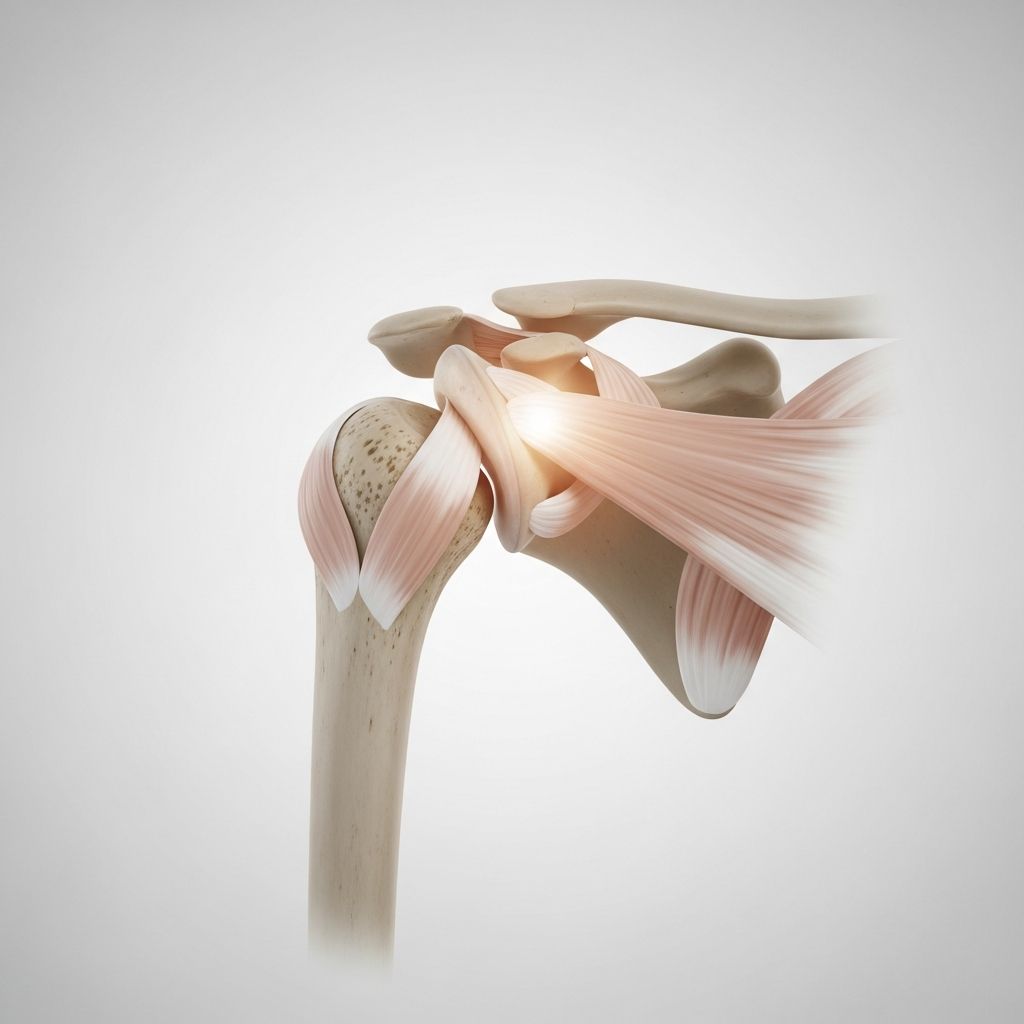
A dislocation occurs when a bone slips out of its proper position within a joint. This is a serious orthopedic injury that requires immediate medical attention. Unlike fractures, where bones break, dislocations involve the displacement of bones that remain intact but are no longer aligned correctly. You can dislocate almost any joint in your body, though some joints are more prone to dislocation than others, including the shoulder, knee, hip, ankle, elbow, and fingers. When a dislocation happens, it’s crucial to seek emergency medical care immediately, as an untreated dislocation can cause severe damage to surrounding ligaments, nerves, and blood vessels.
What Causes a Dislocation?
Dislocations typically result from significant trauma to a joint, often caused by unexpected or unbalanced forces that exceed the joint’s normal range of motion. Understanding the causes can help you take preventive measures and recognize high-risk situations.
Common causes of dislocations include:
- Falls from heights or onto outstretched hands
- High-impact sports injuries or collisions
- Motor vehicle accidents
- Direct blows to the affected joint
- Seizures or muscle convulsions
- Electrocution incidents
Once a joint has dislocated, it becomes more susceptible to future dislocations. The initial injury damages the supporting structures of the joint, making it easier for the same joint to slip out of place again. Athletes and individuals with hypermobility disorders face particularly high risks of recurrent dislocations. Younger individuals, especially those under 30 years of age engaged in athletic activities, may experience greater instability after an initial dislocation.
Risk Factors for Joint Dislocations
Certain individuals face elevated risks of experiencing dislocations. Understanding these risk factors can help you implement appropriate preventive measures. People with connective tissue disorders, such as Ehlers-Danlos syndrome or Marfan syndrome, have naturally looser joints and ligaments, making them more susceptible to dislocations. Athletes engaged in high-contact sports like football, basketball, rugby, and martial arts face significantly higher risks due to the physical demands and collision aspects of their activities.
Age plays a significant role in dislocation risk. Young athletes experience dislocations more frequently due to their participation in sports and activities, while elderly individuals may suffer dislocations from relatively minor falls due to weaker bones and muscles. Previous joint injuries or surgeries can also compromise joint stability. Additionally, certain medical conditions affecting muscle strength and coordination increase dislocation risk.
Recognizing the Symptoms of a Dislocation
The symptoms of a dislocation are typically obvious and appear immediately after the injury occurs. Most people can visually identify a dislocation due to the distinctive appearance of the affected joint.
Immediate symptoms include:
- Severe pain in the affected joint
- Visible deformity or unusual positioning of the joint
- Swelling and bruising around the joint area
- Skin discoloration, including redness or purple bruising
- Complete loss of motion or inability to move the joint
- Weakness or inability to bear weight on the affected limb
- Numbness or tingling sensations around the injury site
- Feeling of the joint being unstable or loose
The severity of symptoms varies depending on the joint involved and the extent of the injury. Shoulder dislocations, for example, often present with extreme pain and a visibly abnormal arm position. Hip dislocations typically cause severe pain and inability to move the leg. Knee cap dislocations present with a visibly displaced kneecap and significant pain. If you experience any of these symptoms following a traumatic incident, seek emergency medical care immediately.
Related Stories



How Dislocations Are Diagnosed
Proper diagnosis is essential to distinguish dislocations from other injuries like fractures, as initial treatment approaches may differ. Emergency room physicians employ multiple diagnostic methods to accurately identify and assess dislocations.
Physical examination: Your doctor will carefully examine the affected area, assessing circulation, checking for deformity, and evaluating whether the skin is broken. They’ll also perform neurovascular checks to ensure nerves and blood vessels are functioning properly. This comprehensive physical assessment provides initial diagnostic information and helps identify potential complications.
Imaging studies: X-ray imaging is the standard diagnostic tool for confirming dislocations. X-rays clearly show the displaced bone and help identify any associated fractures. In complex cases, your doctor may order additional imaging such as magnetic resonance imaging (MRI) to assess soft tissue damage, including ligament tears or cartilage injuries. CT scans may be used to evaluate the joint structure in greater detail, particularly for complex dislocations or hip injuries.
Accurate diagnosis is crucial because it determines the appropriate treatment approach and helps identify any complications that may require surgical intervention.
Treatment Options for Dislocations
Treatment approaches depend on which joint has been dislocated, the severity of the injury, and whether associated damage has occurred. The primary goal of treatment is to restore the bone to its proper position and allow healing while preventing future dislocations.
Initial Emergency Treatment: RICE Protocol
According to Johns Hopkins University, initial treatment for any dislocation involves RICE: Rest, Ice, Compression, and Elevation. This protocol helps reduce pain and swelling in the immediate aftermath of the injury.
- Rest: Immediately stop all activity and avoid using the affected joint
- Ice: Apply ice wrapped in cloth for 15-20 minutes, several times per day to reduce swelling
- Compression: Wrap the area with an elastic bandage to minimize swelling
- Elevation: Keep the affected limb raised above heart level to reduce fluid accumulation
In some cases, the dislocated joint may naturally return to its proper position through this conservative treatment alone. However, most dislocations require professional medical intervention.
Manipulation and Reduction
If the joint doesn’t return to normal position naturally, your doctor will perform a reduction procedure. During manipulation, your doctor carefully repositions the bone back into the joint. To ensure your comfort and allow muscles to relax, you’ll receive sedation or anesthesia before the procedure. Reduction techniques vary depending on the joint involved; for example, shoulder dislocations may use direct pressure on the humeral head, leverage through the arm, or traction maneuvers. Modern reduction methods emphasize being expeditious yet gentle, avoiding forceful pressure that could cause additional injury.
Immobilization
After successful reduction, your doctor will immobilize the joint to prevent movement and allow proper healing. This typically involves wearing a sling, splint, or cast for several weeks. The duration of immobilization varies considerably depending on which joint was affected and the injury’s severity. Younger individuals, particularly athletes under 30 years old, typically require 3 to 6 weeks of immobilization followed by extensive rehabilitation and avoidance of sports for at least 2 to 3 months. Longer immobilization periods may be necessary for more severe injuries or joints that require extended healing times.
Medication
Pain management is an important component of dislocation treatment. Your doctor may prescribe pain relievers and anti-inflammatory medications to manage discomfort during the healing process. These medications help facilitate rehabilitation and improve your overall recovery experience.
Surgical Intervention
Surgery becomes necessary in specific circumstances. You may require surgery if the dislocation damaged nerves or blood vessels, if your doctor cannot successfully reposition the bones through manipulation, or if you experience recurrent dislocations of the same joint. Individuals who repeatedly dislocate their shoulders, for example, may benefit from surgical reconstruction to stabilize the joint and repair damaged structures. Surgical repair techniques focus on addressing the underlying pathologic condition, such as Bankart lesions or capsular laxity, without necessarily requiring metallic internal fixation. In rare cases where joint damage is severe, joint replacement may be necessary.
Rehabilitation and Physical Therapy
Rehabilitation is crucial for full recovery and preventing future dislocations. Physical therapy programs help restore strength, flexibility, and proprioception to the affected joint. Your therapist will design a progressive program tailored to your specific injury and recovery goals. Rehabilitation typically includes range-of-motion exercises, strengthening activities, and functional training to return to normal activities safely.
Preventing Future Dislocations
Prevention strategies are particularly important for individuals who have previously experienced dislocations, as recurrence rates are significantly higher after initial injury. Consider these prevention measures:
- Wear appropriate protective equipment during sports and physical activities
- Maintain strong muscles through regular exercise and conditioning
- Improve flexibility and range of motion through stretching and yoga
- Use proper technique during athletic activities and exercise
- Avoid high-risk activities if you have a history of dislocations
- Maintain proper posture and body mechanics during daily activities
- Work with a physical therapist to address any joint instability
Long-Term Outlook and Recovery
The prognosis for dislocations varies significantly depending on which joint was affected, the injury’s severity, and whether prompt medical treatment was received. Most people who receive timely treatment experience full recovery within several weeks. However, some joints require longer healing periods; hip dislocations, for example, may require several months to years for complete recovery and may necessitate additional surgeries.
If your dislocation received prompt professional treatment, the chances of permanent injury are significantly reduced. However, the affected joint typically remains weaker and more susceptible to future dislocations. This increased vulnerability may last indefinitely, making prevention strategies particularly important.
Complications that can affect long-term outcomes include damage to blood vessels that supply the bones, which can sometimes be permanent and lead to cell death in surrounding bone tissue. Severe or untreated dislocations may result in permanent problems such as chronic pain, arthritis, or permanent instability. The healing timeline is extended when nerves or blood vessels were damaged during the initial injury.
Different Types of Joint Dislocations
While dislocations can occur in virtually any joint, some are more common than others. Shoulder dislocations are the most frequently occurring dislocations, accounting for a large percentage of all dislocation injuries. They often occur in younger individuals during sports or falls. Patellar dislocations (knee cap dislocations) are particularly common in athletes and young, active individuals. These dislocations present unique challenges and typically begin with nonoperative treatment methods, with clinical decisions made on an individual basis based on the specific injury characteristics and patient factors. Hip dislocations are less common but are typically more severe, often resulting from high-impact trauma. Ankle and finger dislocations also occur relatively frequently, though they are often less severe than shoulder or hip injuries.
Frequently Asked Questions About Dislocations
Q: Is a dislocation the same as a fracture?
A: No. A dislocation occurs when a bone slips out of its joint, while a fracture is a break in the bone itself. They are different injuries that require different treatment approaches, though a single injury can include both a dislocation and a fracture.
Q: Should I try to put the joint back in place myself?
A: No. Never attempt to reposition a dislocated joint yourself. Improper manipulation can cause additional damage to nerves, blood vessels, and surrounding tissues. Always seek professional medical care immediately.
Q: How long does it take to recover from a dislocation?
A: Recovery time varies significantly depending on which joint was affected and the injury’s severity. Most people recover within several weeks, while some injuries, particularly hip dislocations, may require months or even years for complete recovery.
Q: Will I be able to return to sports after a dislocation?
A: Yes, most people can return to sports after proper treatment and rehabilitation. However, return timelines vary, with younger athletes typically advised to avoid sports for at least 2 to 3 months after a shoulder dislocation. Your doctor will provide specific guidance based on your injury.
Q: What should I do if I suspect a dislocation?
A: Immediately immobilize the affected joint, apply ice if available, and seek emergency medical care. Do not attempt to manipulate the joint or continue activities. Call emergency services or have someone take you to the nearest emergency room.
References
- Dislocations: Causes, Diagnosis & Treatments — Healthline, reviewed by William Morrison, M.D. 2018-09-29. https://www.healthline.com/health/dislocation
- Anterior Shoulder Instability — Johns Hopkins University, Instructional Course Lectures. 1985. https://pure.johnshopkins.edu/en/publications/anterior-shoulder-instability-3
- Nonoperative Treatment of Patellar Instability — Johns Hopkins University. https://pure.johnshopkins.edu/en/publications/nonoperative-treatment-of-patellar-instability/
- Dislocation — Mayo Clinic. 2015-01-25. https://www.mayoclinic.org/diseases-conditions/dislocation/basics/definition/con-20022264
Similar Articles








Read full bio of Sneha Tete