Disorders Of Sweating: Essential Guide To Symptoms & Treatments
Comprehensive guide to hyperhidrosis, hypohidrosis, anhidrosis, and other sweating abnormalities: causes, symptoms, and treatments.
Disorders of Sweating
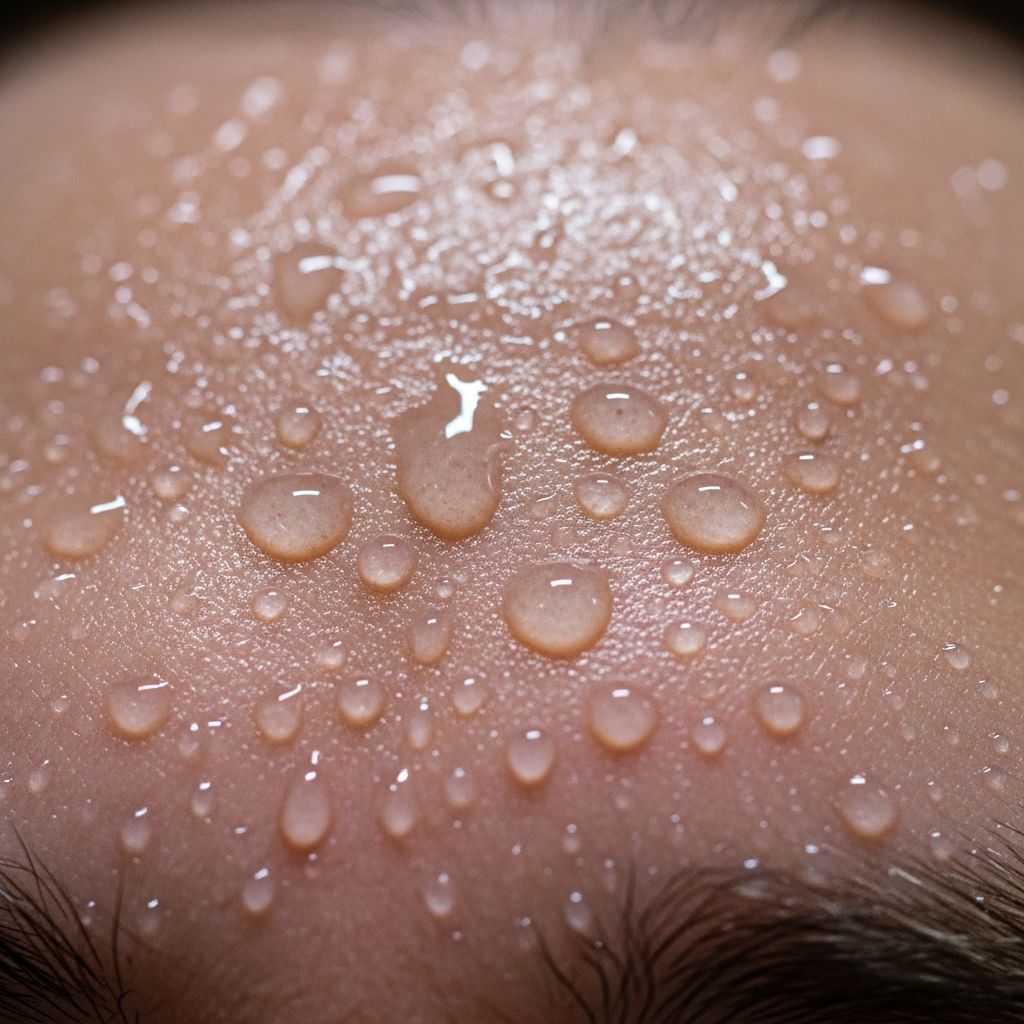
Sweating is a vital physiological process regulated by the body’s thermoregulatory centre in the hypothalamus, primarily through eccrine sweat glands distributed across the skin. Disorders of sweating encompass a spectrum of conditions ranging from excessive perspiration (hyperhidrosis) to reduced or absent sweating (hypohidrosis and anhidrosis), as well as qualitative abnormalities like chromhidrosis and bromhidrosis. These conditions can significantly impact quality of life, leading to social embarrassment, skin infections, or even life-threatening thermoregulatory failure. Understanding the underlying mechanisms—overactivity of sympathetic nerves for hyperhidrosis or damage to sweat glands for hypohidrosis—is crucial for effective management.
What are Disorders of Sweating?
Disorders of sweating arise from dysfunction in the eccrine, apocrine, or apoeccrine sweat glands, influenced by genetic, neurological, endocrine, or environmental factors. Eccrine glands produce a watery, odourless sweat for thermoregulation, while apocrine glands contribute to body odour via bacterial breakdown. Primary disorders are idiopathic, often focal, whereas secondary ones stem from systemic diseases, medications, or infections. Triggers include heat, stress, spicy foods, and fever. Globally, hyperhidrosis affects 1-5% of the population, with primary focal types starting in adolescence.
Who Gets Disorders of Sweating?
These conditions affect all ages, genders, and ethnicities, though primary hyperhidrosis peaks in young adults with a family history in 30-50% of cases. Secondary hyperhidrosis is more common in older adults due to comorbidities like diabetes or menopause. Hypohidrosis risks rise with skin damage from burns or prolonged heat exposure. Tropical climates exacerbate miliaria and hyperhidrosis.
What Causes Disorders of Sweating?
- Hyperhidrosis: Primary due to hypothalamic overactivity via sympathetic nerves; secondary from hyperthyroidism, diabetes, medications (e.g., antidepressants), infections, or malignancies.
- Hypohidrosis/Anhidrosis: Skin disorders, burns, hypothyroidism, dehydration, or genetic ectodermal dysplasias.
- Chromhidrosis: Lipofuscin accumulation in apocrine glands or exogenous dyes.
- Bromhidrosis: Bacterial decomposition of apocrine sweat or diet.
Hyperhidrosis (Excessive Sweating)
Primary Focal Hyperhidrosis
Characterized by visible, excessive sweating on palms, soles, axillae, or face, lasting over 6 months, weekly episodes, onset before age 25, without secondary causes. It impairs daily activities like gripping objects or professional tasks.
Secondary Generalised Hyperhidrosis
Diffuse sweating due to underlying conditions like acromegaly, anxiety, or tuberculosis. Night sweats suggest malignancy.
Diagnosis
Involves history, starch-iodine test, gravimetric measurement, or biopsy. Rule out secondary causes with blood tests (thyroid, glucose).
Treatment
Treatment escalates from conservative to invasive:
- General Measures: Avoid triggers, wear breathable fabrics, use absorbent powders.
- Topical: Aluminium chloride 10-25% antiperspirants applied nightly to dry skin.
- Botulinum Toxin: Injections reduce sweating for 6-12 months in axillae, palms.
- Iontophoresis: Electric current through water reduces sweat gland activity; home devices available.
- Oral Anticholinergics: Oxybutynin or glycopyrronium for generalised cases; side effects include dry mouth.
- Surgery: Endoscopic thoracic sympathectomy for severe palmar cases, risking compensatory sweating.
| Treatment | Site | Duration | Side Effects |
|---|---|---|---|
| Aluminium Chloride | Axillae, palms | Maintenance | Skin irritation |
| Botulinum Toxin | Axillae, hands | 7-12 months | Pain at injection |
| Iontophoresis | Hands, feet | Ongoing | Tingling |
| Microwave Thermolysis | Axillae | Permanent | Swelling |
Hypohidrosis and Anhidrosis (Reduced Sweating)
Hypohidrosis is partial reduction; anhidrosis is total absence, risking heatstroke due to impaired cooling. Causes include burns, scleroderma, or anticholinergic drugs.
Diagnosis
Skin biopsy, thermoregulatory sweat test with indicator powder.
Treatment
Treat underlying cause; hydration, cooling vests for prevention. No specific therapies restore glands.
Chromhidrosis
Rare condition with coloured sweat (black, blue, green, yellow) from apocrine glands on face, axillae. Apocrine type from lipofuscin; pseudochromhidrosis from dyes or bacteria.
Treatment
Topical capsaicin, botulinum toxin, or gland excision.
Bromhidrosis (Body Odour)
Foul-smelling sweat from bacterial breakdown of apocrine secretions, worsened by diet (garlic, curry) or hygiene neglect. Sites: axillae, groin.
Treatment
Antiperspirants, antibacterial soaps, botulinum toxin, laser hair removal.
Miliaria (Heat Rash)
Obstruction of eccrine ducts in hot, humid conditions causes itchy vesicles (miliaria crystallina), papules (rubra), or pustules (pustulosa).
Treatment
Cooling, calamine lotion, topical steroids.
Drug-Induced Hyperhidrosis
Medications like SSRIs, opioids trigger sweating; manage by dose adjustment.
Frey Syndrome (Auriculotemporal Syndrome)
Gustatory sweating post-parotid surgery due to aberrant nerve regeneration.
Other Disorders
- Apocrine Chromhidrosis: Coloured apocrine sweat.
- Eccrine Syringoma: Glandular tumours causing focal sweating.
Frequently Asked Questions (FAQs)
Q: What is the difference between primary and secondary hyperhidrosis?
A: Primary is focal, idiopathic, symmetric; secondary is generalised, due to medical conditions or drugs.
Q: Can hyperhidrosis be cured permanently?
A: Treatments control symptoms; microwave therapy or surgery offer longer relief but not always permanent.
Q: Is anhidrosis dangerous?
A: Yes, it impairs heat dissipation, risking hyperthermia and heatstroke.
Q: How to manage bromhidrosis?
A: Improve hygiene, use antibacterials, reduce apocrine stimulation.
Q: When to see a dermatologist for sweating issues?
A: If sweating disrupts daily life, is asymmetric, or accompanies weight loss/fever.
This article provides an overview; consult a dermatologist for personalised advice. Last reviewed based on sources up to 2025.
References
- Hyperhidrosis: Diagnosis and treatment — American Academy of Dermatology (AAD). 2023. https://www.aad.org/public/diseases/a-z/hyperhidrosis-treatment
- Dermatology pre-referral guidelines – hyperhidrosis — Fiona Stanley Fremantle Hospitals Group, WA Health. 2025-05. https://fsfhg.health.wa.gov.au/~/media/HSPs/SMHS/Hospitals/FSFHG/Files/PDF/FSH-Derma-Hyperhidrosis-guidelines.pdf
- Sweat — Better Health Channel, Victoria Government. 2023. https://www.betterhealth.vic.gov.au/health/conditionsandtreatments/sweat
- Hyperhidrosis: assessment and management in general practice — PMC / NIH. 2024. https://pmc.ncbi.nlm.nih.gov/articles/PMC11060811/
- Hyperhidrosis (excessive sweating) — DermNet NZ. 2024. https://dermnetnz.org/topics/hyperhidrosis
- Heat rash (Miliaria) — DermNet NZ. 2024. https://dermnetnz.org/topics/miliaria
- Sweating problems — DermNet NZ. 2024. https://dermnetnz.org/topics/disorders-of-sweating
Similar Articles



Read full bio of medha deb