Pituitary Gland Disorders: 8 Conditions, Symptoms & Treatments
Comprehensive guide to understanding pituitary gland disorders, causes, symptoms, and treatment options.
Disorders of the Pituitary Gland
The pituitary gland, a small yet crucial endocrine gland located at the base of the brain, plays a vital role in regulating numerous bodily functions through hormone production. When this gland malfunctions, it can lead to a variety of health complications affecting metabolism, growth, reproduction, and overall well-being. Pituitary gland disorders occur when the gland produces too much or too little of one or more hormones, disrupting the delicate hormonal balance necessary for optimal health.
Understanding the Pituitary Gland
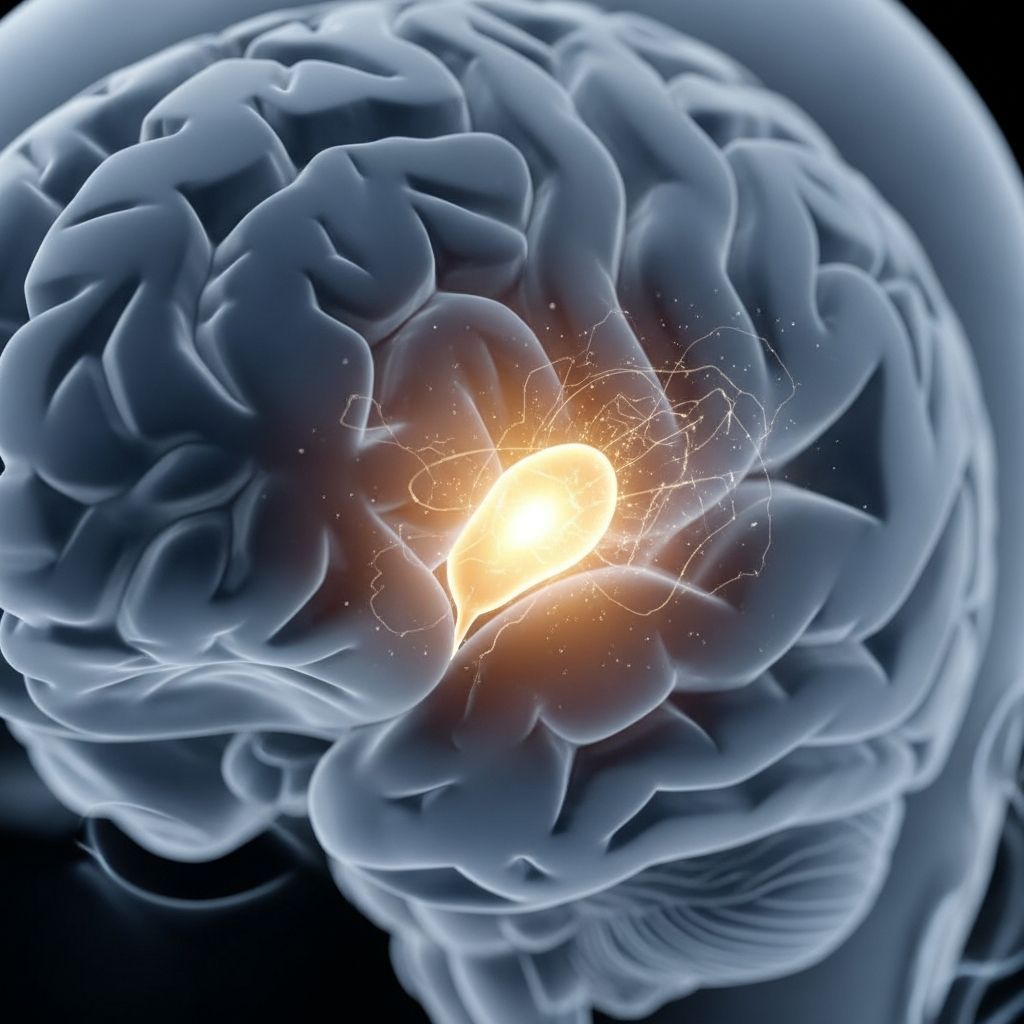
The pituitary gland is often called the “master gland” because it produces hormones that control many other endocrine glands throughout the body. This pea-sized gland sits in a small bony cavity called the sella turcica, positioned just below the hypothalamus, which is the part of the brain that regulates the pituitary’s hormone production. The pituitary gland has two lobes: the anterior lobe produces growth hormone, thyroid-stimulating hormone, adrenocorticotropic hormone, and prolactin, while the posterior lobe stores and releases vasopressin and oxytocin.
Common Causes of Pituitary Disorders
Pituitary disorders can develop due to several underlying causes. Understanding these causes is essential for proper diagnosis and treatment planning.
Pituitary Tumors (Adenomas)
The most common cause of pituitary gland disorders is the development of a pituitary adenoma, a noncancerous tumor that grows on or near the pituitary gland. More than 99 percent of these tumors are benign, meaning they are not cancerous. Small pituitary adenomas, less than 1 centimeter in diameter, are called microadenomas, while larger tumors are termed macroadenomas. These tumors can be either non-functional adenomas that do not produce excessive hormones, or functional adenomas that result in hormone overproduction.
Other Causes
Pituitary disorders can also result from head trauma, infections, genetic abnormalities, autoimmune conditions, certain medications, or damage to the hypothalamus. In some cases, radiation therapy to the brain or surgery in the pituitary region can damage the gland and lead to hormonal deficiencies.
Types of Pituitary Disorders
Pituitary disorders are broadly categorized into two main types: those characterized by hormone overproduction (hyperpituitarism) and those involving hormone underproduction (hypopituitarism).
Hyperpituitarism: Hormone Overproduction Disorders
When the pituitary gland produces excessive amounts of one or more hormones, various disorders can develop. These conditions often result from functioning pituitary adenomas that actively secrete hormones.
Acromegaly
Acromegaly is a rare disorder that occurs when the pituitary gland produces an excess amount of growth hormone in adults. This condition leads to progressive enlargement of hands, feet, and facial features, along with thickened skin and deepened voice. Approximately 6 to 11 people per 100,000 live with acromegaly. Symptoms include carpal tunnel syndrome, joint pain, excessive sweating, and metabolic complications like diabetes and hypertension.
Cushing’s Disease
Cushing’s disease results from a benign pituitary tumor that causes overproduction of adrenocorticotropic hormone (ACTH), leading to excessive cortisol levels. This condition produces characteristic symptoms including central obesity, moon-shaped face, purple stretch marks, hirsutism (excessive hair growth), high blood pressure, and proximal muscle weakness. About 10 to 15 people per million are diagnosed with Cushing’s disease annually in the United States.
Related Stories



Hyperprolactinemia
Hyperprolactinemia involves excessive production of prolactin, a hormone that stimulates milk production. Prolactinoma is the most common pituitary tumor. This disorder can cause irregular menstrual periods, infertility, unexpected breast milk production (galactorrhea), reduced libido, and sexual dysfunction in both women and men.
Hypopituitarism: Hormone Deficiency Disorders
Hypopituitarism refers to the overall underproduction of hormones by the pituitary gland. This condition can affect a single hormone or multiple hormones simultaneously, leading to widespread metabolic complications.
Growth Hormone Deficiency
Growth hormone deficiency in children results in stunted growth and delayed development, while in adults it causes slowed metabolism, decreased energy levels, reduced exercise tolerance, and feelings of social isolation.
Thyroid-Stimulating Hormone (TSH) Deficiency
When the pituitary fails to produce adequate TSH, secondary hypothyroidism develops. Symptoms include fatigue, weight gain, cold intolerance, constipation, dry skin, memory loss, and hair loss.
Gonadotropin Deficiency (LH/FSH)
Deficiency of luteinizing hormone and follicle-stimulating hormone causes central hypogonadism, characterized by sexual dysfunction, hot flashes, and menstrual irregularities in women, along with reduced libido and erectile dysfunction.
Vasopressin (Antidiuretic Hormone) Deficiency
Vasopressin deficiency results in diabetes insipidus, a condition marked by excessive urination (polyuria), extreme thirst (polydipsia), and frequent nighttime urination (nocturia).
ACTH Deficiency
Deficiency of adrenocorticotropic hormone leads to secondary adrenal insufficiency with low cortisol levels, causing fatigue, weakness, low blood pressure, and potential life-threatening complications during stress.
Symptoms and Clinical Manifestations
The symptoms of pituitary disorders vary widely depending on which hormone is affected, the severity of the hormonal imbalance, and whether a tumor is present that may cause mass effects.
General Symptoms
Common symptoms include anxiety or depression, diabetes, hair loss, high blood pressure, irregular menstrual periods, unexpected breast milk production, low energy or low sex drive, stunted or unusual growth spurts, unexplained weight gain, and vision changes. Patients may also experience chronic headaches, particularly with larger tumors, as the tumor can press against surrounding brain tissue and the optic nerves.
Specialty-Specific Presentation
Patients may first present to different medical specialists depending on their primary symptoms. Those seeing obstetricians-gynecologists often report galactorrhea, menstrual irregularities, infertility, and hirsutism. Urologists may encounter patients with sexual dysfunction and hypogonadism, while neurologists may evaluate headaches, proximal muscle weakness, and carpal tunnel syndrome.
Diagnosis of Pituitary Disorders
Accurate diagnosis of pituitary disorders involves a comprehensive evaluation combining clinical assessment, hormonal testing, and imaging studies.
Blood Tests and Hormone Measurements
Blood tests measure specific pituitary hormones and target organ hormones to identify deficiencies or excesses. These tests may be performed in the morning, and some require fasting. Dynamic testing may be employed to assess the pituitary’s functional reserve and response to stimulation or suppression.
Imaging Studies
Magnetic resonance imaging (MRI) is the gold standard imaging modality for evaluating the pituitary gland. MRI can determine whether the pituitary has enlarged (as in the case of a pituitary tumor) or shrunk (as in hypopituitarism), and can usually determine whether a tumor exists within the gland. In some cases, CT scanning may provide additional information about bony structures in the region.
Visual Field Testing
For patients with suspected mass lesions, visual field testing assesses whether optic nerve compression has affected peripheral vision, a common finding when tumors press on structures surrounding the pituitary gland.
Treatment Options for Pituitary Disorders
Treatment for pituitary disorders depends on the specific condition, underlying cause, severity of symptoms, and patient preferences. A combination of medical therapy, surgery, and rarely radiation may be employed.
Medical Management
Medications used to treat pituitary disorders work through various mechanisms:
Hormone Replacement Therapy: For patients with hormone deficiencies, replacement of missing hormones restores normal function and alleviates symptoms.
Hormone-Blocking Medications: Drugs that block a hormone’s effects on the body or lower hormone levels help manage conditions of hormone excess.
Tumor-Shrinking Medications: Certain medications can shrink pituitary adenomas, reducing mass effects and restoring normal hormone production.
Surgical Intervention
Surgery may be recommended for pituitary tumors, particularly when tumors cause significant mass effects including vision problems, headaches, or complications from hormone excess. Transsphenoidal surgery, an approach through the sphenoid sinus at the base of the skull, is the most common surgical technique for pituitary tumor removal.
Radiation Therapy
Radiation therapy is rarely used but may be considered in certain cases, such as when tumors recur after surgery or when medical management proves insufficient.
Active Surveillance
Many patients with nonfunctional adenomas that do not cause symptoms require only monitoring without immediate treatment. During active surveillance, patients undergo:
– Frequent blood tests to measure hormone levels
– Regular imaging scans to monitor pituitary tumor growth
– Physical examinations to evaluate symptoms
Living with Pituitary Disorders
Many patients with pituitary disorders require long-term management and regular follow-up care. Successful treatment often involves working closely with endocrinologists and other specialists to optimize hormone levels and manage associated conditions. Patient education about medications, symptom recognition, and when to seek medical attention is crucial for optimal outcomes.
Frequently Asked Questions
Q: Are pituitary disorders common?
A: Pituitary disorders are considered relatively rare. It is estimated that approximately 70,000 pituitary patients live in the United Kingdom alone, indicating that these conditions affect a small but significant portion of the population.
Q: Can pituitary tumors become cancerous?
A: More than 99 percent of pituitary tumors (adenomas) are benign, meaning they are noncancerous. Malignant pituitary tumors are extremely rare.
Q: What should I do if I suspect I have a pituitary disorder?
A: If you experience symptoms such as unexplained weight changes, vision problems, persistent headaches, or hormonal symptoms like irregular periods or sexual dysfunction, consult your primary care physician who can refer you to an endocrinologist for evaluation and testing.
Q: How long does treatment for pituitary disorders typically last?
A: Treatment duration varies widely depending on the specific disorder and response to therapy. Many conditions require long-term or lifelong management, while others may resolve with appropriate surgical or medical intervention.
Q: Can pituitary disorders affect fertility?
A: Yes, certain pituitary disorders, particularly those affecting prolactin and gonadotropin levels, can significantly impact fertility in both men and women. However, fertility issues often improve with appropriate treatment of the underlying disorder.
Q: Is surgery always necessary for pituitary tumors?
A: No, not all pituitary tumors require surgery. Many nonfunctional adenomas are monitored through active surveillance. Surgery is typically recommended when tumors cause significant mass effects or hormone imbalances that do not respond adequately to medical management.
References
- A Comprehensive Guide to Understanding and Managing Pituitary Disorders — Topline MD. Accessed 2025-12-01. https://www.toplinemd.com/pemc-florida/a-comprehensive-guide-to-understanding-and-managing-pituitary-disorders/
- Pituitary Gland Disorders — University of Vermont Health. Accessed 2025-12-01. https://www.uvmhealth.org/conditions-specialties/endocrinology/pituitary-gland-disorders
- A Health Care Provider’s Guide to Pituitary Disorders — Oregon Health & Science University. 2019-06. https://www.ohsu.edu/sites/default/files/2019-06/Health-Care-Professionals-Guide-to-Pituitary-Disease.pdf
- Overview of the Pituitary Gland – Hormonal and Metabolic Disorders — Merck Manuals. Accessed 2025-12-01. https://www.merckmanuals.com/home/hormonal-and-metabolic-disorders/pituitary-gland-disorders/overview-of-the-pituitary-gland
- Understanding Pituitary Disorders — Oregon Health & Science University Brain Institute. Accessed 2025-12-01. https://www.ohsu.edu/brain-institute/understanding-pituitary-disorders
- Pituitary Gland Disorders and Tumors — Emory Healthcare. Accessed 2025-12-01. https://www.emoryhealthcare.org/conditions/pituitary
- Introduction to Pituitary Disorders — MSD Manuals Professional Version. Accessed 2025-12-01. https://www.msdmanuals.com/professional/endocrine-and-metabolic-disorders/pituitary-disorders/introduction-to-pituitary-disorders
Similar Articles








Read full bio of medha deb