Disseminated Intravascular Coagulation: Causes, Symptoms & Treatment
Understanding DIC: A rare blood clotting disorder affecting organ function and survival.
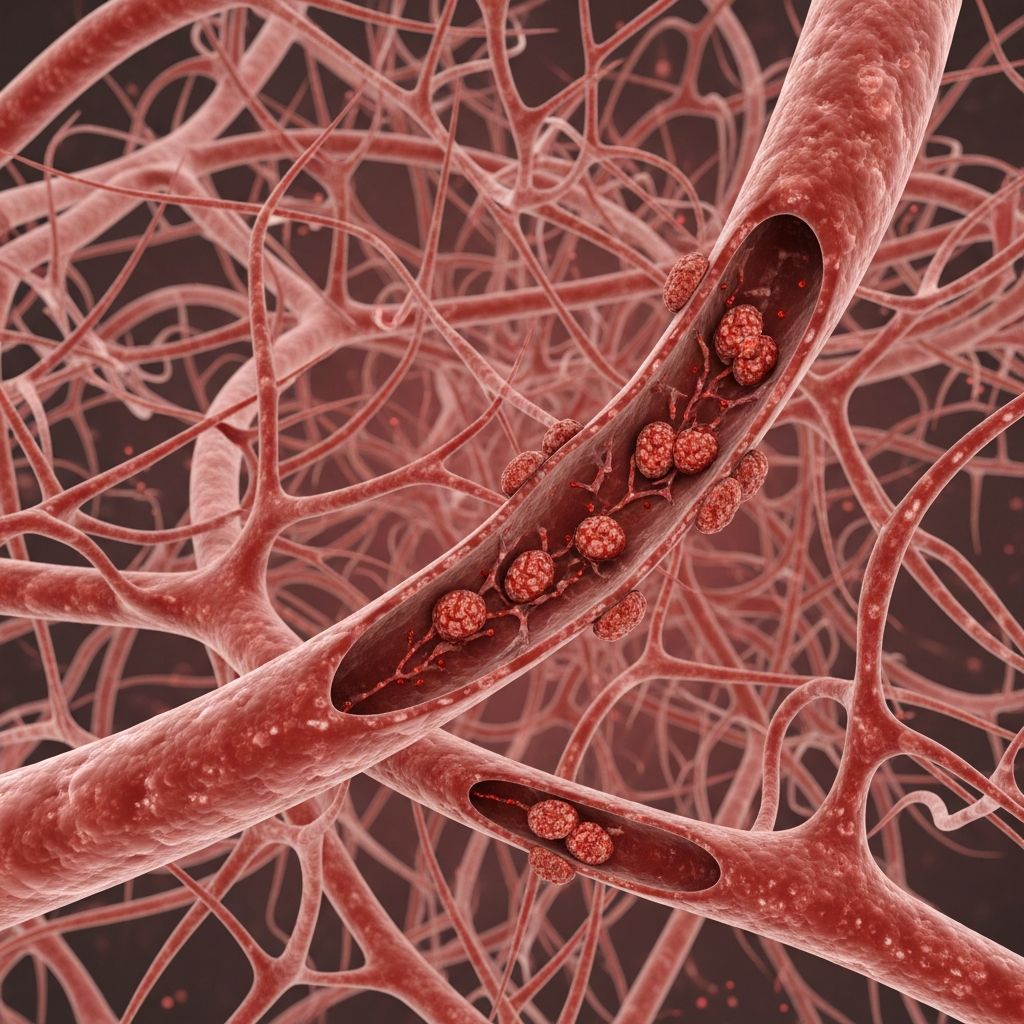
What Is Disseminated Intravascular Coagulation (DIC)?
Disseminated intravascular coagulation (DIC) is a rare blood clotting disorder that represents a serious medical complication of underlying life-threatening conditions. Unlike normal blood clotting, which is a controlled and localized process, DIC involves the simultaneous formation of blood clots throughout the body’s small and large blood vessels. This widespread hypercoagulable state leads to the consumption of vital clotting factors and platelets, ultimately compromising blood flow and resulting in multiple organ dysfunction syndrome.
DIC can cause both excessive clotting and uncontrollable bleeding, making it a particularly challenging condition to manage. The disorder typically occurs as an acute complication in patients with severe underlying illnesses such as sepsis, cancer, severe trauma, or obstetric emergencies. Without appropriate treatment, DIC can be life-threatening if the underlying cause is not addressed promptly.
Understanding Blood Clotting and DIC Development
To comprehend how DIC develops, it is essential to understand the normal blood clotting process. Your liver produces clotting factors, which are specialized proteins that work in conjunction with platelets in your bloodstream to form protective blood clots. Normally, these clots serve two critical functions: they stop or slow bleeding at injury sites and initiate your body’s healing process.
In DIC, this finely-tuned system becomes dysregulated. Your body develops significantly more blood clots than necessary, leading to a cascade of pathological events. Potent thrombogenic stimuli cause uncontrolled, continuous, and excessive generation of circulating thrombin, the primary enzyme responsible for blood clotting. As clotting factors and platelets become progressively consumed in this positive feedback loop, the body’s ability to maintain normal hemostasis becomes severely compromised.
Causes and Risk Factors of DIC
DIC is fundamentally a manifestation of an underlying pathologic process rather than a primary disease. Several serious medical conditions and complications can trigger the development of DIC:
Infectious Causes
Severe infections represent one of the most common triggers of DIC. Sepsis, a life-threatening condition characterized by systemic response to infection, is frequently associated with DIC development. Other infections, including bacterial, viral, and fungal organisms, can activate the coagulation cascade and initiate DIC.
Malignancy-Related Causes
Cancer significantly increases DIC risk. Up to 20% of patients with metastasized adenocarcinoma or lymphoproliferative disease develop DIC as a complication. Solid tumors, particularly adenocarcinomas, and hematologic malignancies such as acute leukemia can trigger widespread coagulation activation through the release of tissue factor into systemic circulation.
Trauma and Injury
Severe trauma and head injuries serve as potent triggers for acute, severe DIC. The release of tissue factor from damaged tissue into systemic circulation leads to coagulation activation. The severity of trauma and concurrent shock significantly worsen DIC development by impairing perfusion of the reticuloendothelial system.
Obstetrical Complications
Pregnancy-related complications frequently precipitate DIC. These include placental abruption, amniotic fluid embolism, and HELLP syndrome (hemolysis, elevated liver enzymes, and low platelet count). Placental abruption is particularly associated with severe DIC development.
Other Medical Conditions
Additional conditions that can cause DIC include pancreatitis, acute liver failure, severe burns, and massive transfusions. Chronic diseases such as solid tumors and aortic aneurysms account for approximately 1% to 5% of DIC cases.
Related Stories



Symptoms and Clinical Manifestations of DIC
The clinical presentation of DIC varies depending on the severity and stage of the condition. Patients may experience a constellation of symptoms reflecting both thrombotic and hemorrhagic complications:
Bleeding-Related Symptoms
Obvious bleeding or frank hemorrhage may appear in various body locations. Patients frequently experience unusual or excessive bruising, including ecchymosis and hematomas visible on the skin. Bleeding from mucous membranes, including nosebleeds, bleeding gums, and blood in urine or stool, are common manifestations. Some patients may experience blood in their vomit or develop severe internal bleeding.
Thrombotic Complications
Excessive clot formation can lead to serious complications. A patient may develop chest pain if arterial occlusion of a coronary artery occurs. Widespread purpura, petechiae (small red or purple spots on the skin), and cyanosis (bluish discoloration of skin and tissues) may develop. Skin lesions can progress to necrosis and gangrene in severe cases.
Systemic Manifestations
Patients with DIC may experience acute respiratory failure if clots obstruct pulmonary vessels. Neurological deficits can develop based on the location of bleeding or clots. Jaundice from liver failure may be apparent, and patients typically exhibit signs of multiple organ dysfunction.
Understanding the Two Stages of DIC
DIC progresses through two distinct stages, each characterized by different physiological processes and clinical manifestations. Understanding these stages helps clinicians recognize disease progression and implement appropriate interventions.
Acute Stage
The acute stage involves uncontrolled activation of the coagulation system with rapid consumption of platelets and clotting factors. During this phase, widespread thrombin generation occurs, leading to excessive fibrin deposition throughout the microvasculature.
Chronic Stage
The chronic stage, when it occurs, involves a more subtle balance between continued low-grade activation of coagulation and attempted compensation by the body. This stage typically develops in patients with chronic underlying conditions such as malignancy.
Diagnosis of Disseminated Intravascular Coagulation
Clinical Assessment
Healthcare providers begin the diagnostic process with a comprehensive physical examination and detailed medical history. Clinicians specifically inquire about whether patients have sepsis, cancer, or other medical conditions known to cause DIC. Physical examination may reveal signs of bleeding, skin lesions, or evidence of organ dysfunction.
Laboratory Testing
No single laboratory test can definitively diagnose or exclude DIC. Instead, clinicians utilize a combination of laboratory findings to support the diagnosis. Key laboratory abnormalities suggestive of DIC include:
– Increased prothrombin time (PT)
– Increased partial thromboplastin time (aPTT)
– Decreased fibrinogen level
– Elevated D-dimer levels
– Decreased platelet count
– Evidence of schistocytes (fragmented red blood cells) on blood smear
These findings reflect widespread activation and consumption of the clotting cascade as the pathologic process unfolds. Clinicians interpret these results in conjunction with clinical findings rather than relying on laboratory values alone.
Treatment and Management Strategies
Primary Treatment Approach
The cornerstone of DIC management is addressing the underlying disorder that triggered the condition. This fundamental principle guides all therapeutic decisions. The specific treatment depends on the underlying cause:
– For severe sepsis: administration of appropriate antibiotics
– For placental abruption: possible delivery of the infant and placenta
– For trauma: consideration for exploratory surgical intervention
– For malignancy: continuation of cancer-directed therapy
Supportive Blood Products
Platelet and plasma transfusions are not routinely administered to all DIC patients. These interventions are reserved for specific clinical scenarios, including patients with active bleeding, those at high risk for bleeding, or patients requiring invasive procedures. A common threshold for platelet transfusion in this population is a platelet count less than 50 x 10^9/L.
Anticoagulant Therapy
In select cases, anticoagulants may be considered to prevent further clot formation. However, these medications carry significant risk of internal bleeding and require careful patient monitoring. Healthcare providers will explain specific precautions patients should take to minimize bleeding risk when receiving anticoagulant therapy.
Intensive Monitoring
Patients with DIC require close observation in intensive care settings. Serial laboratory testing helps clinicians assess disease progression and treatment response. Regular physical examinations detect new signs of bleeding or organ dysfunction.
Potential Complications of Untreated DIC
Without appropriate treatment, DIC can cause serious and potentially fatal complications. These include:
– Massive uncontrolled bleeding
– Multiple organ failure
– Acute respiratory distress syndrome
– Renal failure
– Hepatic failure
– Disseminated intravascular thrombosis
– Hypovolemic shock
– Death
Emergency Warning Signs
Patients with DIC should seek immediate medical care or go to the emergency room if they experience:
– Sudden severe bleeding from any site
– Large or spreading areas of bruising
– Blood in vomit, urine, or stool
– Severe shortness of breath
– Chest pain
– Confusion or altered mental status
– Loss of consciousness
– Severe headache with neurological symptoms
Living with Disseminated Intravascular Coagulation
Most patients with DIC are already managing serious underlying medical conditions. A DIC diagnosis means they have additional medical issues to address alongside their primary illness. Managing this complex situation requires coordination with healthcare providers and attention to multiple treatment regimens.
Patients should maintain open communication with their healthcare team about symptoms, medication side effects, and emotional challenges. Mental health support may be beneficial for patients overwhelmed by their medical circumstances. Healthcare providers can recommend appropriate support programs and services tailored to individual needs.
Interprofessional Care Approach
Effective management of DIC requires collaboration among multiple medical specialties. An optimal care team typically includes:
– Hematologists (blood specialists)
– Intensivists (critical care physicians)
– Infectious disease consultants
– Surgeons
– Pathologists
– Internists and other specialists relevant to the underlying condition
This interprofessional approach ensures timely diagnosis, appropriate management, and ongoing monitoring, thereby enhancing quality of care and outcomes for patients with DIC.
Frequently Asked Questions About DIC
Q: Can DIC be cured?
A: DIC itself is not directly cured; rather, it is managed by treating the underlying condition that triggered it. Supportive treatments like anticoagulants and blood transfusions may help control clotting complications, but the primary focus must remain on resolving the underlying medical issue.
Q: Is DIC always fatal?
A: While DIC is a serious condition associated with significant mortality rates, outcomes depend on multiple factors including the underlying cause, severity of DIC, patient age, and overall health status. Prompt recognition and aggressive treatment of the underlying disorder significantly improve survival rates.
Q: How quickly does DIC develop?
A: DIC typically develops acutely in critically ill patients, often within hours to days of the triggering event. The speed of progression depends on the severity of the underlying condition and the body’s ability to compensate for coagulation system activation.
Q: Can I prevent DIC?
A: Since DIC results from serious underlying medical conditions, prevention focuses on preventing those conditions. Early recognition and treatment of infections, appropriate trauma care, and management of cancer and obstetrical complications can reduce DIC risk.
Q: What is the mortality rate for DIC?
A: Determining exact DIC mortality rates is challenging because patients typically have multiple serious diagnoses contributing to poor outcomes. Mortality rates vary significantly depending on the underlying cause, with sepsis-associated DIC carrying particularly high mortality.
References
- Disseminated Intravascular Coagulation (DIC): Causes & Symptoms — Cleveland Clinic. 2024. https://my.clevelandclinic.org/health/diseases/21836-disseminated-intravascular-coagulation-dic
- Disseminated Intravascular Coagulation — StatPearls, National Center for Biotechnology Information. 2024. https://www.ncbi.nlm.nih.gov/books/NBK441834/
- Disseminated Intravascular Coagulation: Treat the Cause, Not the Lab Values — Cleveland Clinic Journal of Medicine, Vol. 72, No. 5. 2005. https://www.ccjm.org/content/ccjom/72/5/377.full.pdf
Similar Articles








Read full bio of Sneha Tete