Dissociative Identity Disorder: Understanding DID
Learn about Dissociative Identity Disorder (DID), its symptoms, causes, diagnosis, and comprehensive treatment options.
Dissociative Identity Disorder: A Comprehensive Overview
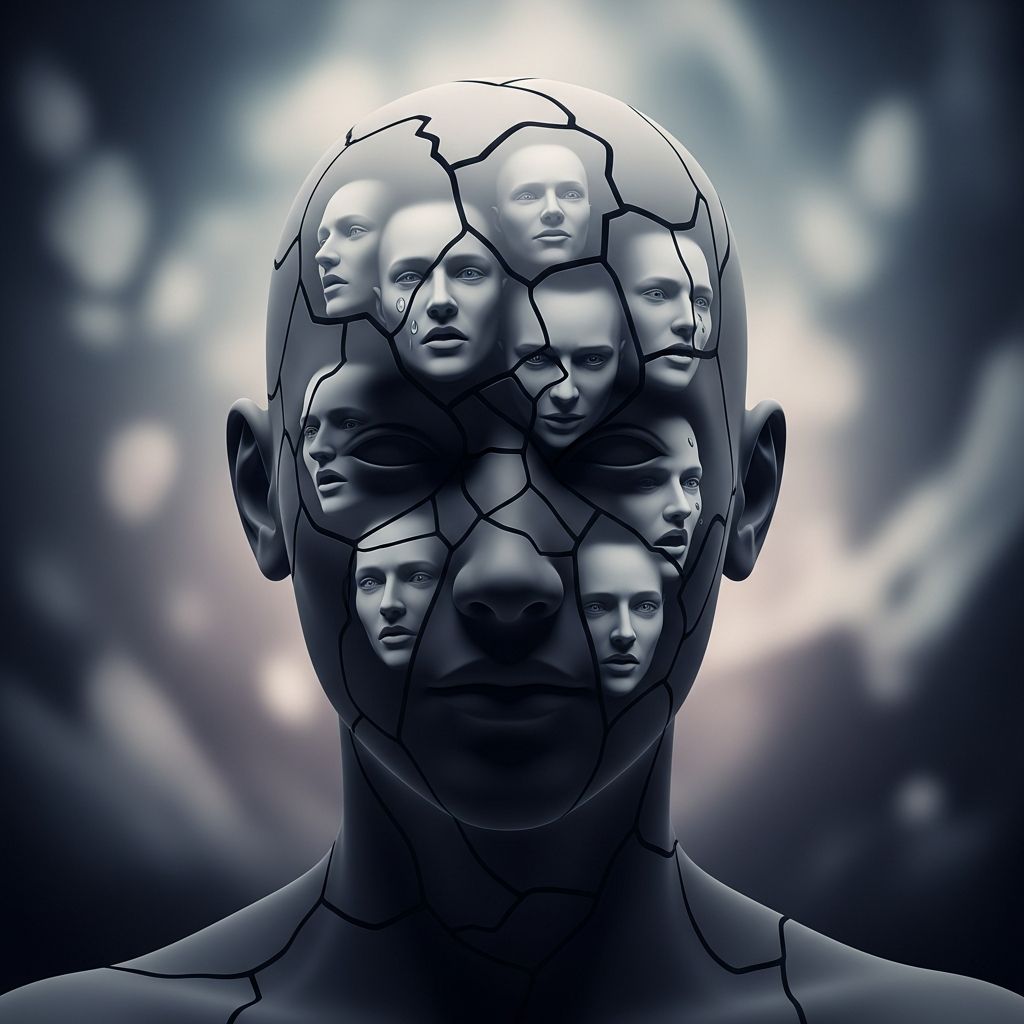
Dissociative Identity Disorder (DID), formerly known as multiple personality disorder, is a complex mental health condition characterized by the presence of two or more distinct identities or personality states within one individual. Each identity, often referred to as an “alter,” has its own unique characteristics, personal history, preferences, and way of perceiving and interacting with the world. DID develops as a severe form of dissociation, a psychological mechanism that allows individuals to disconnect from thoughts, memories, feelings, actions, or sense of identity as a protective response to overwhelming trauma or abuse. This condition represents one of the most serious manifestations of dissociative disorders and significantly impacts daily functioning, relationships, and overall quality of life.
What Is Dissociative Identity Disorder?
DID is fundamentally a disorder of identity fragmentation resulting from severe psychological trauma. When individuals experience extremely traumatic events—particularly during childhood—the mind may employ dissociation as a survival mechanism, essentially “shutting off” or separating the person from experiences that are too violent, painful, or distressing to process consciously. This fragmentation creates distinct personality states that can emerge and take control of the person’s behavior at different times. Each alter develops as an adaptive response, sometimes taking on different names, ages, genders, or even races, each possessing its own personal history, preferences, beliefs, and behavioral patterns.
Most individuals with DID have one dominant, or “host,” personality that remains present most of the time, though this primary identity typically has limited awareness or control over the other personality states. The presence of multiple identities is not merely roleplaying or imagination; rather, it represents a genuine fragmentation of the psyche resulting from severe, often prolonged trauma exposure during formative developmental years.
Symptoms and Manifestations of DID
Dissociative Identity Disorder presents through a diverse range of symptoms that affect cognitive, emotional, behavioral, and physical functioning. Understanding these symptoms is essential for early recognition and intervention.
Primary Dissociative Symptoms
The core symptoms of DID revolve around dissociation—the fundamental psychological mechanism underlying the disorder:
- Memory gaps and amnesia: Individuals experience significant lapses in recalling everyday events, personal information, and traumatic experiences that are far too extensive to be explained by ordinary forgetfulness. These gaps can range from micro-amnesias lasting seconds to extended periods of lost time.
- Depersonalization: A pervasive sense of detachment from one’s body, often described as an “out-of-body” experience, where individuals feel as though they are observing themselves from outside their physical form.
- Derealization: The external world appears foggy, unreal, or emotionally distant, as if viewing surroundings through a disconnected lens.
- Time loss: Periods where individuals cannot account for hours, days, or even longer stretches of time.
- Trances or dissociative episodes: States of altered consciousness where awareness of surroundings diminishes significantly.
Identity Alteration Symptoms
The presence of distinct personality states defines DID and manifests through observable behavioral and communicative changes:
- Switching: The process by which different alters assume control of behavior and consciousness, potentially occurring within seconds, minutes, or even days. During switching, an individual may exhibit dramatic changes in voice, posture, gestures, vocabulary, and mannerisms.
- Distinct identities with unique characteristics: Each alter may possess its own name, personal history, age, gender identity, physical characteristics, preferences, and behavioral patterns.
- Variable physical presentations: Alters may differ in posture, eye contact, facial expressions, and even reported physical sensations or conditions.
- Behavioral differences: Individuals may engage in behaviors that the primary personality has no memory of performing, potentially including self-harm, reckless actions, or compulsive behaviors.
Related Stories



Associated Emotional and Psychological Symptoms
Beyond dissociative symptoms, individuals with DID frequently experience comorbid mental health conditions and emotional dysregulation:
- Sudden and unpredictable emotional shifts
- Feelings of emotional numbness or muted affect
- Anxiety and post-traumatic stress disorder (PTSD) symptoms
- Depression and persistent sadness
- Feelings of detachment and unreality
- Self-destructive impulses and self-harm behaviors
- Suicidal ideation
- Hearing internal voices perceived as coming from other identities
Somatic and Physical Symptoms
DID often manifests through physical symptoms without clear medical explanations:
- Unexplained headaches or chronic pain
- Phantom sensations or feeling as though one inhabits a different body
- Physical symptoms that appear and disappear without apparent cause
- Variations in physical responses between different identity states
Diagnostic Criteria for DID
The Diagnostic and Statistical Manual of Mental Disorders, Fifth Edition (DSM-5), establishes specific criteria for diagnosing Dissociative Identity Disorder. A comprehensive assessment must confirm all of the following:
| Diagnostic Criterion | Description |
|---|---|
| Multiple distinct identities | Two or more distinct identities or personality states are present, each with its own relatively enduring pattern of perceiving, relating to, and thinking about the environment and self. |
| Amnesia | Gaps in the recall of everyday events, important personal information, and/or traumatic events must occur and be documented. |
| Functional impairment | The person must be distressed by the disorder or experience significant difficulty functioning in social, occupational, or other important life areas because of the disorder. |
| Exclusion of other causes | The disturbance is not attributable to the physiological effects of a substance or general medical condition. |
Professional diagnosis requires comprehensive evaluation by qualified mental health professionals, typically involving psychological assessment, clinical interviews, and careful history-taking to distinguish DID from other mental health conditions that may present with similar symptoms.
Causes and Development of DID
DID does not develop randomly; rather, it emerges as a complex psychological adaptation to severe, typically chronic trauma. Research and clinical observation have identified several key contributing factors:
Severe Trauma and Abuse
The primary cause of DID is severe trauma or abuse, particularly when experienced during childhood and formative years. The dissociative fragmentation represents the mind’s protective mechanism—creating separate identities allows the person to compartmentalize traumatic memories and emotional pain, essentially enabling survival in unbearable circumstances. The different personality states can take on various characteristics to escape the traumatic act, its physical pain, emotional devastation, and lingering psychological effects.
Neurobiological Factors
Emerging research suggests that DID involves alterations in brain structure and function, particularly in regions responsible for memory, identity, and emotion regulation, such as the hippocampus and amygdala. These neurobiological changes reflect the brain’s adaptive response to severe stress but also contribute to the symptomatology.
Psychological Vulnerability and Environmental Factors
According to psychological theories examined by researchers including Kluft, individuals who possess a higher capacity for dissociation may be more predisposed to developing distinct alters with separate identities when subjected to intense traumatic experiences that distort reality and when they lack external stability or support systems. The ability of children to self-soothe and internally regulate becomes essential for managing overwhelming stressors in the absence of external protective factors.
Diagnostic Challenges and Considerations
Recognizing and accurately diagnosing DID presents significant clinical challenges. Gender differences in presentation can lead to diagnostic disparities, with women more frequently diagnosed due to presenting with acute dissociative symptoms, while men are more likely to deny symptoms and trauma histories, instead exhibiting more violent behavior rather than amnesia or dissociative fugue states. This discrepancy can result in elevated false negative diagnoses in male populations. Additionally, DID can coexist with other mental health conditions including depression, anxiety, PTSD, personality disorders, and compulsive behaviors, which can complicate the diagnostic process and mask the underlying dissociative disorder.
Treatment Approaches for DID
Effective treatment of DID requires a comprehensive, individualized approach that addresses the complex interplay of trauma, dissociation, and psychological fragmentation. Evidence-based treatment strategies include:
Psychotherapy and Counseling
Individual psychotherapy forms the cornerstone of DID treatment, with trauma-focused approaches proving most effective. Therapists work to establish safety, build trust, and gradually process traumatic memories while integrating dissociated identity states. Some therapeutic approaches may involve hypnosis, in which different alters may be responsive to the therapist’s guided suggestions. The therapeutic relationship itself becomes a crucial healing element.
Group Therapy
Group therapy provides a supportive environment where individuals with DID can share experiences, learn coping strategies from others, and reduce isolation. However, not all DID patients are comfortable with group settings, and individual preference should guide treatment decisions.
Family Therapy
Family therapy educates family members about DID, helps improve family dynamics, and mobilizes family support systems. This approach is particularly beneficial for individuals with supportive family environments.
Inpatient Treatment
Hospitalization may become necessary when individuals present with immediate risk of self-harm, suicidal ideation, or danger to others. Suicidal ideation in people with DID requires a multifaceted approach combining risk assessment, alter exploration, and integrated treatment plans that combine medication and psychotherapy. Inpatient stays are typically short-term, followed by transition to outpatient therapy.
Medication Management
While no medications specifically treat DID, psychiatric medications may address comorbid symptoms including depression, anxiety, PTSD, and mood disturbances. Medication should complement rather than replace psychotherapy as the primary treatment modality.
Living with Dissociative Identity Disorder
DID significantly alters how individuals experience daily life. Beyond the clinical symptoms, individuals contend with profound challenges in maintaining employment, sustaining relationships, managing finances, and caring for themselves and dependents. The unpredictable nature of switching between identities creates barriers to consistency and stability. Many individuals struggle to perform daily activities, experience drastic changes in appetite and behavior, and face elevated risks for self-harm and suicidality. Yet with appropriate professional treatment, supportive relationships, and comprehensive care, many individuals with DID can achieve improved functioning, greater integration of identity states, and enhanced quality of life.
Frequently Asked Questions About DID
Q: Is Dissociative Identity Disorder the same as schizophrenia?
A: No. While both conditions involve fragmented experiences, DID involves multiple distinct personality states resulting from trauma, whereas schizophrenia involves psychotic symptoms such as hallucinations and delusions without the presence of distinct personality identities.
Q: Can DID be cured?
A: DID cannot be “cured” in the traditional sense, but with comprehensive treatment, individuals can achieve significant symptom reduction, improved integration of identity states, and enhanced functioning. Recovery is possible with sustained therapeutic work.
Q: How common is DID?
A: DID is a rare condition, with estimates suggesting it affects less than 1% of the general population. However, it is likely underdiagnosed due to diagnostic challenges and symptom overlap with other conditions.
Q: Are people with DID dangerous?
A: Individuals with DID are not inherently dangerous. While some may engage in self-harm or risky behaviors, they pose no greater danger to others than the general population. Like anyone with mental health conditions, they benefit from appropriate treatment and support.
Q: Can children develop DID?
A: DID typically emerges in late childhood or adolescence, though the traumatic origins often begin much earlier. The condition reflects the mind’s adaptive response to chronic, severe trauma during formative developmental periods.
Q: How long does treatment for DID take?
A: Treatment duration varies significantly based on individual factors, trauma severity, and treatment engagement. Most individuals benefit from long-term psychotherapy, often spanning years. There is no fixed timeline, and recovery progresses at an individual pace.
References
- Dissociative Identity Disorder (Multiple Personality Disorder) — WebMD. 2024. https://www.webmd.com/mental-health/dissociative-identity-disorder-multiple-personality-disorder
- Multiple Personality Disorder or Dissociative Identity Disorder — National Institutes of Health. 2023. https://pmc.ncbi.nlm.nih.gov/articles/PMC10730093/
- What Is Dissociative Identity Disorder (DID) — Improving Lives Counseling. 2024. https://improvinglivescounseling.com/multiple-personality-disorder/
- Facts About Dissociative Disorders — ADAMH Stark County Council. 2024. https://www.adamhscc.org/resources/facts-about-mental-illness/dissociative-disorders
Similar Articles








Read full bio of medha deb