Dissociative Identity Disorder: A Comprehensive Guide
Understanding Dissociative Identity Disorder (DID): symptoms, causes, diagnosis, and effective treatment strategies for better management.
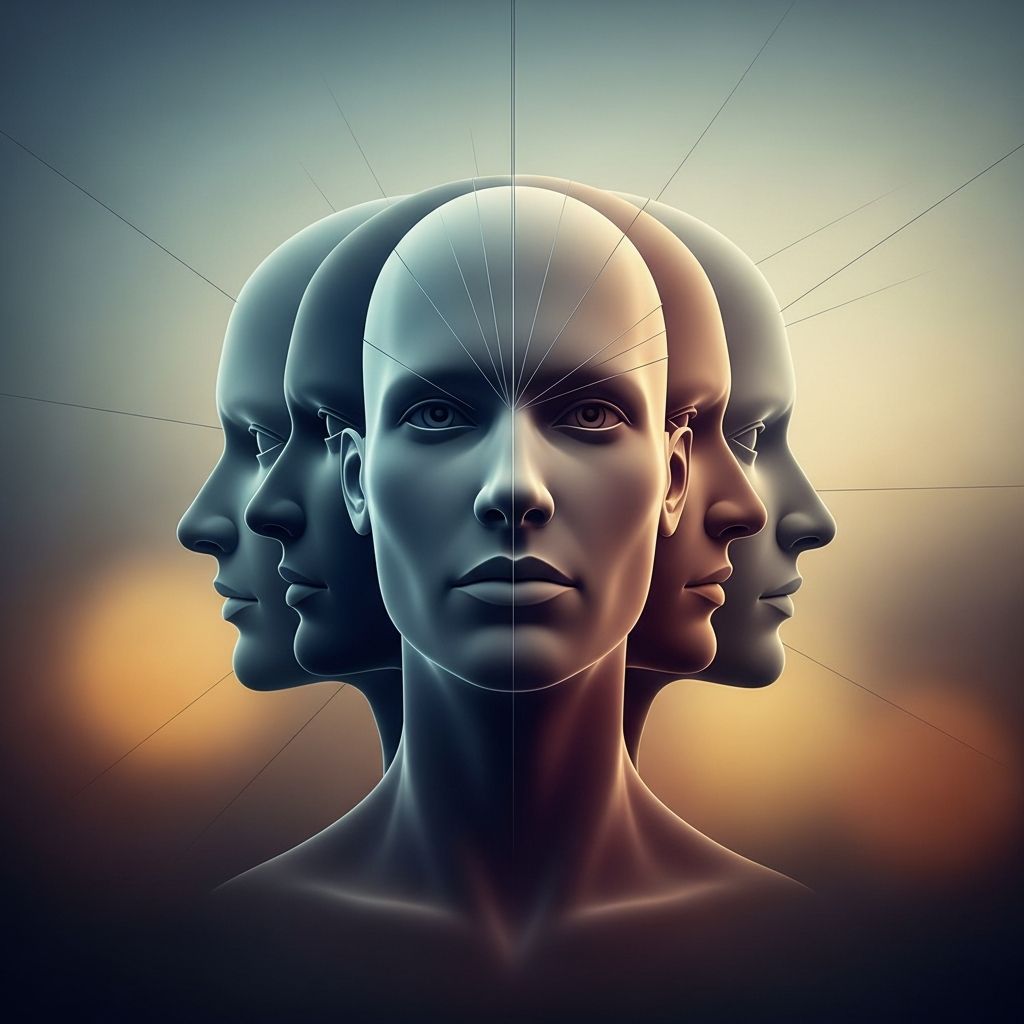
Dissociative Identity Disorder (DID), formerly known as multiple personality disorder, is a complex mental health condition characterized by the presence of two or more distinct personality states or identities within an individual. These identities recurrently take control of the person’s behavior, accompanied by memory gaps for important personal information beyond ordinary forgetting. DID often stems from severe childhood trauma and significantly disrupts daily functioning, relationships, and sense of self.
What is Dissociative Identity Disorder?
DID involves a disruption in the normally integrated functions of consciousness, memory, identity, and perception of the environment. Individuals experience switches between separate identities, each with its own pattern of perceiving, relating to the world, and remembering. These
alters
may have unique names, ages, genders, mannerisms, and even physical characteristics like allergies or medical conditions. The primary identity, often called the host, may be unaware of the others.Common experiences include finding unfamiliar items in one’s home, hearing voices (internal dialogue between alters), or discovering time has passed without recollection. DID is classified under dissociative disorders in the DSM-5, distinguishing it from psychotic disorders like schizophrenia, despite overlapping symptoms such as auditory hallucinations.
Symptoms of Dissociative Identity Disorder
Symptoms of DID can be grouped into core identity disruptions and associated features. The hallmark is the existence of
two or more distinct identities
, with recurrent gaps in everyday memory (amnesia). Other symptoms include:- Identity alteration: Sudden changes in behavior, voice, posture, or preferences as different alters emerge.
- Amnesia: Inability to recall personal information, daily events, or traumatic experiences.
- Derealization and depersonalization: Feeling detached from one’s body or surroundings as if observing from outside.
- Hearing voices: Internal conversations between alters, often mistaken for psychosis.
- PTSD symptoms: Flashbacks, nightmares, hypervigilance; 80-100% of DID cases co-occur with PTSD.
- Comorbid conditions: Depression, anxiety, self-harm, suicidality, substance abuse, and somatic symptoms like unexplained pain or seizures.
Symptoms typically begin in childhood but are diagnosed in adulthood after an average of 5-12.5 years of misdiagnosis and treatment for other disorders.
Causes of Dissociative Identity Disorder
DID is strongly linked to overwhelming trauma, particularly repeated childhood abuse. Research indicates 90-100% of individuals with DID experienced severe physical, sexual, or emotional abuse before age 9, often in environments of chronic unpredictability and lack of safety.
The dissociative process serves as a coping mechanism: the mind fragments identity to compartmentalize unbearable experiences, allowing the child to endure by ‘becoming someone else’. Genetic vulnerability, suggestibility, and attachment disruptions contribute, but trauma is the primary etiology, refuting outdated fantasy-based models.
Neurobiological changes include altered brain structure in areas like the hippocampus and amygdala, mirroring PTSD patterns, supporting the trauma model.
Diagnosis of Dissociative Identity Disorder
Related Stories



Diagnosing DID requires a structured clinical interview using tools like the Dissociative Experiences Scale (DES) and Structured Clinical Interview for Dissociative Disorders (SCID-D). DSM-5 criteria include:
- Presence of two or more distinct identities with recurrent gaps in recall.
- Disruption causes significant distress or impairment.
- Not due to cultural/religious practices, substances, or other medical conditions.
- Not better explained by another mental disorder like PTSD or borderline personality disorder.
Challenges include patient denial, therapist unfamiliarity, and symptom overlap with borderline personality disorder or psychosis. Differential diagnosis rules out epilepsy, substance use, and malingering. Observation of switches during sessions or evidence from collateral sources (family) aids confirmation.
| Condition | Key Distinguishing Features |
|---|---|
| Borderline Personality Disorder | Identity disturbance is unstable, not discrete alters; more emotional dysregulation than amnesia. |
| PTSD | Dissociation during trauma re-experiencing, but no separate identities. |
| Schizophrenia | Hallucinations are external voices commanding harm; no amnesia or alters. |
| Epilepsy | EEG abnormalities; seizures lack identity shifts. |
Treatment of Dissociative Identity Disorder
Treatment is long-term, emphasizing psychotherapy to integrate identities, process trauma, and build coping skills. No medication cures DID, but adjunctive pharmacotherapy targets symptoms. A phased approach is standard:
Phase 1: Safety and Stabilization
Prioritize safety from self-harm, suicidality, and risky behaviors. Teach grounding techniques, emotion regulation, and daily functioning. Inpatient care may be needed for acute crises.
Phase 2: Trauma Processing
Confront and integrate traumatic memories using controlled exposure. Therapies include:
- Psychodynamic psychotherapy: Explores alters’ roles and origins.
- Cognitive Behavioral Therapy (CBT): Challenges distorted thoughts, manages triggers.
- Dialectical Behavior Therapy (DBT): Builds mindfulness, distress tolerance.
- Eye Movement Desensitization and Reprocessing (EMDR): Processes trauma via bilateral stimulation.
- Hypnotherapy: Accesses hidden alters, recovers memories; effective in hypnotizable patients.
Phase 3: Integration and Rehabilitation
Fuse alters into a unified identity, fostering rehabilitation and relapse prevention.
Medications
Used symptomatically:
- Antidepressants: SSRIs like fluoxetine (Prozac), sertraline (Zoloft) for depression/anxiety.
- Anti-anxiety: Benzodiazepines cautiously for acute anxiety.
- Antipsychotics: Low-dose aripiprazole (Abilify), risperidone (Risperdal) to reduce switches/dissociation.
Challenges: Alters may respond differently; compliance varies.
Prognosis and Complications
With specialized treatment, many achieve symptom reduction, improved functioning, and fulfilling lives. However, full integration is rare; management is lifelong. Complications include chronic suicidality, self-injury, revictimization, and high healthcare utilization.
Early diagnosis shortens the ‘lost years’ of misdiagnosis. Support groups and peer networks aid recovery.
Living with Dissociative Identity Disorder
Strategies include journaling to track switches, trigger identification, internal communication with alters, and building a trauma-informed support system. Workplace accommodations like flexible hours help. Family education reduces stigma and improves dynamics.
When to Seek Help
Seek immediate professional help for blackouts, self-harm urges, severe depression, or trauma flashbacks. Contact mental health crisis lines or emergency services if suicidal. Therapists trained in trauma/dissociation are ideal.
Frequently Asked Questions (FAQs)
Q: Is DID the same as multiple personality disorder?
A: Yes, DID was previously called multiple personality disorder; the name changed to reflect dissociation as the core process.
Q: Can DID be cured?
A: No cure exists, but symptoms can be effectively managed with therapy, leading to integration and better functioning.
Q: Do people with DID hear voices like in schizophrenia?
A: Voices are internal alter dialogues, not external hallucinations; antipsychotics help less than in psychosis.
Q: Is DID caused by bad parenting?
A: No, it’s a response to severe trauma/abuse; parents may be perpetrators or absent protectors.
Q: How common is DID?
A: Prevalence is 1-3% in general population, higher in psychiatric settings; often underdiagnosed.
References
- What Are Dissociative Disorders? — American Psychiatric Association. 2023. https://www.psychiatry.org/patients-families/dissociative-disorders/what-are-dissociative-disorders
- Dissociative Identity Disorder (DID) Treatment — The Recovery Village. 2024. https://www.therecoveryvillage.com/mental-health/dissociative-identity-disorder/treatment/
- Dissociative Identity Disorder – StatPearls — NCBI Bookshelf / NIH. 2023-10-25. https://www.ncbi.nlm.nih.gov/books/NBK568768/
- Dissociation and Dissociative Identity Disorder (DID) — Rethink Mental Illness. 2024. https://www.rethink.org/advice-and-information/about-mental-illness/mental-health-conditions/dissociation-and-dissociative-identity-disorder-did/
- Dissociative Identity Disorder (DID) — Sheppard Pratt. 2023. https://www.sheppardpratt.org/knowledge-center/condition/dissociative-identity-disorder-did/
- Dissociative Identity Disorder (DID): Symptoms & Treatment — Cleveland Clinic. 2024-05-24. https://my.clevelandclinic.org/health/diseases/9792-dissociative-identity-disorder-multiple-personality-disorder
Similar Articles








Read full bio of Sneha Tete