Distal Radius Fracture: Causes, Symptoms, and Treatment
Complete guide to understanding, diagnosing, and treating wrist fractures.
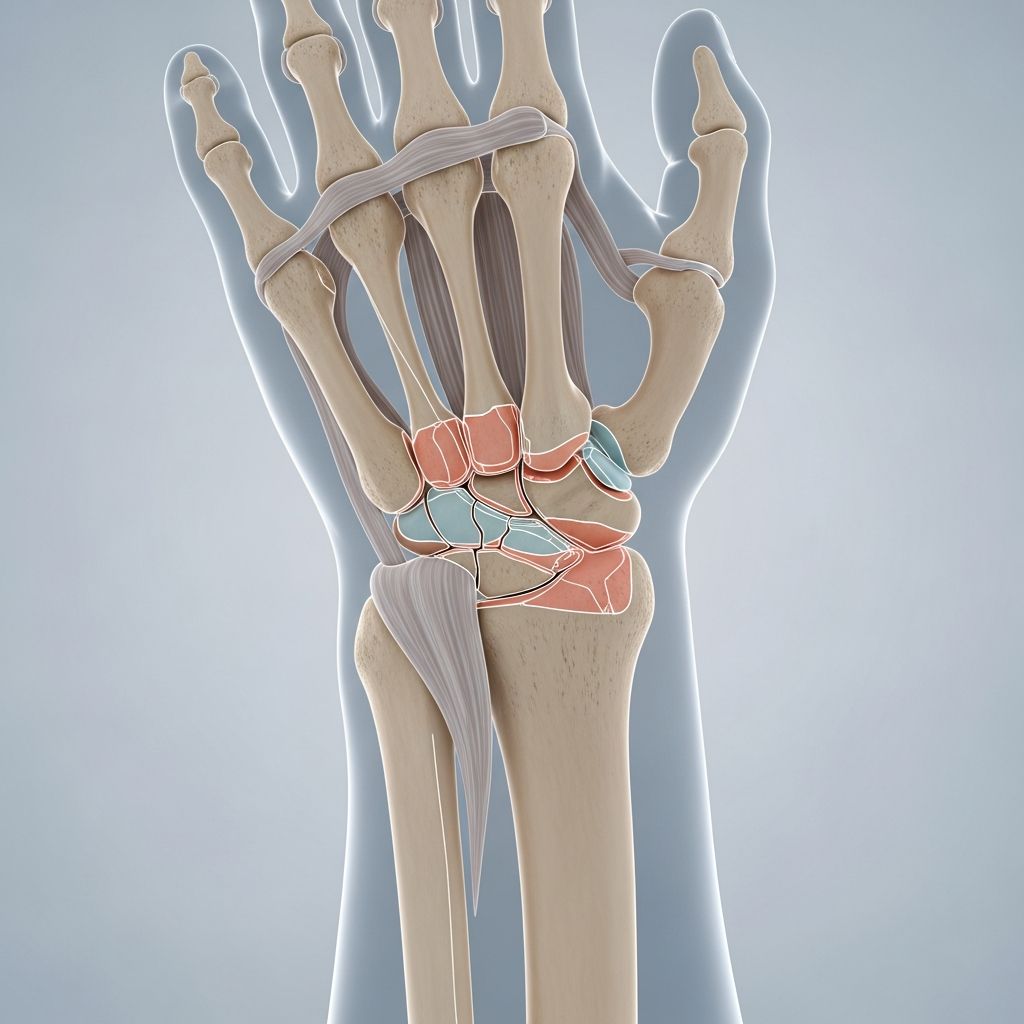
Distal Radius Fracture: Understanding Your Wrist Injury
A distal radius fracture, commonly known as a broken wrist, is one of the most frequent bone fractures encountered in orthopedic practice. The radius is one of the two bones in the forearm that extends from the elbow to the wrist. A distal radius fracture occurs when the radius bone breaks near the wrist joint, typically resulting from a fall on an outstretched hand or direct trauma to the wrist area. This type of fracture accounts for a significant portion of all upper extremity injuries and can affect individuals of all ages, from children to elderly patients with osteoporosis.
What Causes Distal Radius Fractures?
Distal radius fractures typically result from high-impact trauma to the wrist. The most common mechanism of injury involves falling forward on an outstretched hand (FOOSH injury), which is particularly prevalent in elderly patients who may fall due to balance issues or decreased bone density. Younger, more active individuals often sustain these fractures through sports injuries, motor vehicle accidents, or workplace trauma.
In elderly patients, even minor falls from standing height can result in a distal radius fracture due to osteoporosis, a condition characterized by decreased bone density and strength. Young patients typically require higher-energy injuries, such as those sustained during contact sports or high-speed motorcycle accidents. The force of the impact determines the severity and complexity of the fracture pattern.
Recognizing the Symptoms
A distal radius fracture produces immediate and noticeable symptoms. Most patients experience severe pain at the time of injury, followed by rapid onset of swelling and bruising around the wrist and forearm area. The wrist may appear visibly deformed, hanging in an abnormal or bent position that differs from the uninjured side.
Additional symptoms to be aware of include:
- Immediate, intense pain at the fracture site
- Significant swelling that develops within minutes to hours
- Visible bruising and discoloration of the skin
- Loss of normal wrist movement and function
- Visible deformity or abnormal positioning of the wrist
- Numbness or tingling in the fingers (indicating possible nerve involvement)
- Coldness or paleness of the hand (suggesting vascular compromise)
If you experience numbness in your fingers, severe deformity, or pale or cold fingers after a wrist injury, seek immediate medical attention at an emergency room or urgent care facility, as these may indicate nerve or blood vessel damage requiring urgent intervention.
Diagnosis of Distal Radius Fractures
Proper diagnosis is essential for developing an appropriate treatment plan. Your orthopedic physician will begin with a thorough physical examination of your injured wrist, comparing it to the uninjured side and assessing for signs of neurovascular compromise.
Imaging Studies
X-rays are the primary diagnostic tool for identifying and evaluating distal radius fractures. Standard X-ray views typically include anteroposterior (AP), lateral, and oblique projections, which allow the physician to determine the exact location and pattern of the fracture. The X-rays will reveal whether the fracture is displaced (the bone fragments have shifted out of normal alignment) or non-displaced (the fragments remain in proper position).
Related Stories



For more complex fracture patterns, your doctor may recommend a computed tomography (CT) scan, which provides detailed three-dimensional images of the fractured bone. CT scans are particularly useful for evaluating intra-articular fractures (fractures that involve the joint surface) and for surgical planning when operative treatment is being considered.
Classification of Distal Radius Fractures
Distal radius fractures are classified based on several characteristics that help guide treatment decisions. Understanding the classification helps explain why your specific injury may require a particular treatment approach.
Displaced versus Non-Displaced: Non-displaced fractures maintain proper bone alignment, while displaced fractures involve fragments that have shifted from their normal position. Displaced fractures typically require reduction to realign the bone pieces.
Stability: Fractures are classified as stable or unstable. Stable fractures are less likely to lose alignment during the healing process and may be managed with conservative treatment. Unstable fractures have a higher likelihood of losing reduction and often require surgical intervention.
Simple versus Complex: Simple fractures involve a single break line, while complex fractures include multiple break patterns or fragmentation of the bone.
Open versus Closed: Closed fractures have no break in the overlying skin, while open (compound) fractures involve a wound where the bone may have pierced through the skin, carrying a higher risk of infection.
Treatment Options for Distal Radius Fractures
Treatment approaches vary significantly based on fracture characteristics, patient age, activity level, and overall health status. Your orthopedic surgeon will recommend the most appropriate treatment for your specific injury.
Non-Surgical Treatment
Stable, non-displaced fractures can typically be managed without surgery. The treatment process begins with urgent care or emergency department evaluation, where the fractured bone is manipulated back into proper alignment through a procedure called closed reduction.
Closed Reduction: During closed reduction, your physician administers local anesthesia to minimize discomfort and then carefully manipulates the fracture fragments back into proper alignment without making any surgical incision. Following successful reduction, a plaster splint or cast is applied and molded to your forearm and hand. The plaster often extends above the elbow to provide additional stability and neutralize the forces generated by natural arm and forearm movements.
Casting and Immobilization: After closed reduction, you will wear a cast or removable splint for approximately five to six weeks to allow the bone to heal. During this period, your physician will obtain periodic X-ray images to ensure the fracture fragments maintain proper alignment and don’t shift during healing.
Surgical Treatment
Surgical intervention becomes necessary for certain fracture patterns and patient populations. Unstable and displaced fractures in young, active individuals are often managed surgically to optimize anatomic alignment and allow earlier mobilization, facilitating faster return to normal function.
Additionally, all open fractures require urgent surgical treatment within a few hours of injury. The surgical approach includes thorough cleaning of the bone and surrounding tissues, administration of antibiotics to prevent infection, and internal fixation to hold the broken pieces in correct alignment.
Internal Fixation Techniques
Several surgical methods can be used to stabilize the fractured bone pieces:
- Plate and Screws: Metal plates are affixed across the fracture with screws that hold the fragments in proper alignment
- Metal Pins: Titanium or stainless steel pins can be inserted through the bone to maintain alignment
- External Fixation: A frame positioned outside the skin stabilizes the bones through connecting rods until healing is complete
- Percutaneous Pinning: Temporary pins are placed through the skin to hold fragments in position
Recovery and Healing Timeline
Understanding the recovery process helps set realistic expectations and guides your rehabilitation efforts.
Cast Treatment Recovery
The fundamental rule for fracture healing is a six-week period to ensure sufficient bone strength. Most fractures are healed adequately to begin light active use of the hand by six weeks, though this varies depending on fracture severity, metabolic factors, and whether surgery was performed.
After the initial six-week immobilization period, it is generally recommended to include an additional one to two weeks of support using a removable plastic splint. Stable fractures may be managed with a combination of casting and splinting throughout the healing period.
Surgical Recovery
Patients who undergo internal fixation surgery for distal radius fractures typically begin gentle wrist range-of-motion exercises within one to two weeks following surgery. After this initial period, a removable splint is used to support the hand during the healing process. The hardware surgically placed inside the arm or wrist may remain permanently, as removal surgery is typically not necessary. Approximately five percent of implants are ultimately removed, usually only if they cause symptoms or complications.
Long-Term Recovery
Complete recovery should be expected to take at least one year. Some mild discomfort with vigorous activities may persist during the first year following injury. Some residual stiffness or mild aching is common and may continue for up to two years, particularly in high-energy injuries, patients over fifty years old, or those with pre-existing osteoarthritis. However, the stiffness is usually minimal and typically does not significantly affect overall arm function.
Pain Management Strategies
Effective pain management is crucial for promoting healing and facilitating rehabilitation.
Immediate Pain Relief: Most distal radius fractures cause moderate pain for a few days to two weeks. Many patients find that ice application, elevation of the arm above heart level, and over-the-counter pain medications provide adequate pain relief.
Medication Options: Your doctor may recommend combining ibuprofen and acetaminophen, as this combination is significantly more effective for pain and inflammation relief than either medication alone. If pain is severe, prescription-strength opioid medications may be suggested for short-term use, typically lasting only a few days.
NSAIDs: Nonsteroidal anti-inflammatory drugs help reduce both pain and inflammation associated with the fracture and the healing process.
Rehabilitation and Physical Therapy
Rehabilitation plays an important role in restoring wrist function and preventing complications.
Early Motion: After removal of the cast, it is essential to achieve full motion of your fingers as quickly as possible. If you cannot fully move your fingers within twenty-four hours of cast removal due to pain or swelling, contact your physician for evaluation. Your doctor may loosen your cast or surgical dressing to accommodate swelling.
Therapy Programs: In many cases, working with a physical or occupational therapist becomes necessary to regain full motion and strength in your wrist and hand. Formal hand therapy has been shown to improve functional outcomes and active range of motion in the early recovery phase.
Progressive Exercises: Your therapist will guide you through progressive exercises designed to restore mobility, strength, and coordination. Initial exercises focus on gentle range-of-motion activities, progressing to resistance and functional activities as healing progresses.
Potential Complications
While most distal radius fractures heal without major complications, certain complications can occur and require attention.
Complex Regional Pain Syndrome: Unrelenting, constant pain may indicate complex regional pain syndrome (also called reflex sympathetic dystrophy). This condition must be treated aggressively with medication or nerve blocks. Contact your physician if you experience extreme pain that does not improve with medication.
Stiffness: Almost all patients experience some degree of wrist stiffness following fracture healing. This typically diminishes within one to two months after cast removal or surgery and may continue to improve for up to two years.
Loss of Motion: If adequate finger motion is not achieved early in recovery, permanent stiffness may result. This emphasizes the importance of prompt mobilization following cast removal.
Infection (Open Fractures): Open fractures carry a risk of infection due to the break in skin integrity. Prophylactic antibiotics and thorough cleaning during surgery help minimize this risk.
Prevention of Distal Radius Fractures
While accidents cannot always be prevented, certain measures can reduce your risk of sustaining a wrist fracture. Fall prevention strategies are particularly important for elderly individuals, including home safety modifications, balance training, and management of osteoporosis through proper nutrition and exercise. When participating in activities with fall risk, protective wrist guards can provide additional support. Maintaining strong bones through adequate calcium and vitamin D intake, regular weight-bearing exercise, and smoking cessation also supports bone health.
Frequently Asked Questions
Q: How long does it take to fully recover from a distal radius fracture?
A: Complete recovery typically requires at least one year. Most fractures are sufficiently healed for light activity by six weeks, but full strength and function may take considerably longer to return.
Q: Will I need surgery for my wrist fracture?
A: Not necessarily. Stable, non-displaced fractures can usually be treated with casting and immobilization. Surgery is typically recommended for unstable, displaced fractures or in young, active individuals to optimize outcomes and return to function.
Q: Can I move my fingers while wearing a cast?
A: Yes, you should move your fingers actively and frequently during immobilization. This helps prevent stiffness and promotes healing. If you cannot move your fingers due to pain or swelling, contact your physician.
Q: What should I do if my pain doesn’t improve with rest and medication?
A: Contact your orthopedic surgeon. Persistent, unrelenting pain may indicate complications such as complex regional pain syndrome, which requires specialized treatment.
Q: Will my wrist feel completely normal after healing?
A: Most patients recover excellent function. However, some mild stiffness or occasional mild discomfort may persist for several years, particularly with vigorous activities, high-energy injuries, or in older patients.
Q: Can the metal plates or screws be removed?
A: Most hardware remains in place permanently. Only approximately five percent of implants are ultimately removed, usually only if they cause symptoms or other complications arise.
References
- Distal Radius Fractures: Diagnosis, Treatment, Recovery — Hospital for Special Surgery (HSS). Accessed 2025. https://www.hss.edu/health-library/conditions-and-treatments/distal-radius-fractures-of-the-wrist
- Wrist (Distal Radius) Fracture — Boston Medical Center. Accessed 2025. https://www.bmc.org/patient-care/conditions-we-treat/db/wrist-distal-radius-fracture
- Distal Radius Fracture: Wrist Bone Advice Regarding Healing and Recovery — Hampshire and Isle of Wight NHS. Accessed 2025. https://www.hey.nhs.uk/patient-leaflet/distal-radius-fracture-wrist-bone-advice-regarding-healing-and-recovery/
- Distal Radius Fractures (Broken Wrist) — OrthoInfo, American Academy of Orthopaedic Surgeons. Accessed 2025. https://orthoinfo.aaos.org/en/diseases–conditions/distal-radius-fractures-broken-wrist/
- Understanding a Distal Radius Fracture — UMass Memorial Health. Accessed 2025. https://www.ummhealth.org/health-library/understanding-a-distal-radius-fracture
- Broken Wrist (Wrist Fracture): Symptoms & Recovery Time — Cleveland Clinic. Accessed 2025. https://my.clevelandclinic.org/health/diseases/broken-wrist-wrist-fracture
Similar Articles








Read full bio of medha deb