Disulfiram Tablets (Antabuse): Uses, Dosage, Side Effects
Disulfiram (Antabuse) helps treat alcohol dependence by causing severe reactions if alcohol is consumed, supporting sobriety.
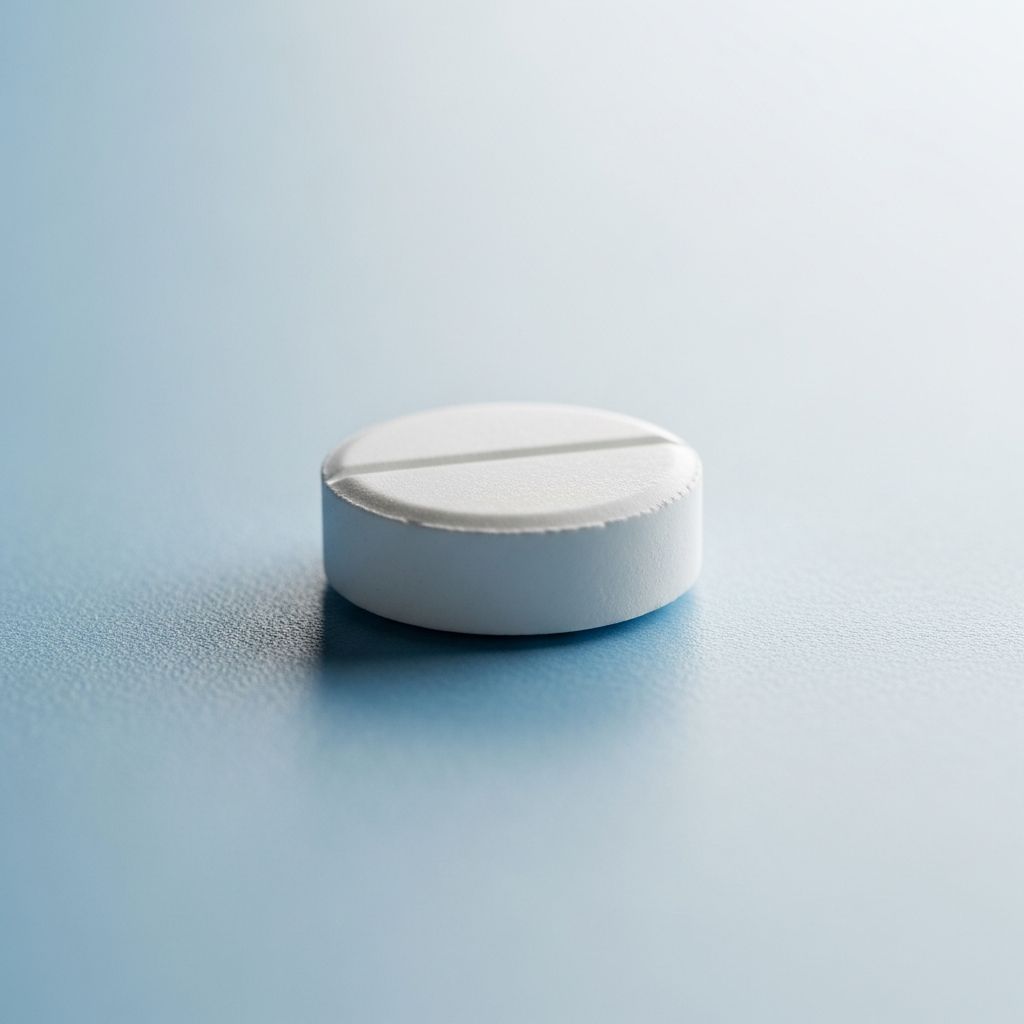
Disulfiram, commonly known by the brand name Antabuse, is an FDA-approved medication specifically used to support individuals with alcohol use disorder (AUD) in maintaining abstinence. It acts as a deterrent by inducing highly unpleasant physical reactions when alcohol is consumed, making it an effective tool in comprehensive treatment programs for those committed to sobriety.
About Disulfiram Tablets
Disulfiram tablets are a key pharmacotherapy for alcohol dependence. Unlike medications that reduce cravings or manage withdrawal, such as acamprosate or naltrexone, disulfiram functions purely as an alcohol antagonist. It is most beneficial for patients who have already achieved initial abstinence and are highly motivated, often under supervised administration to ensure compliance.
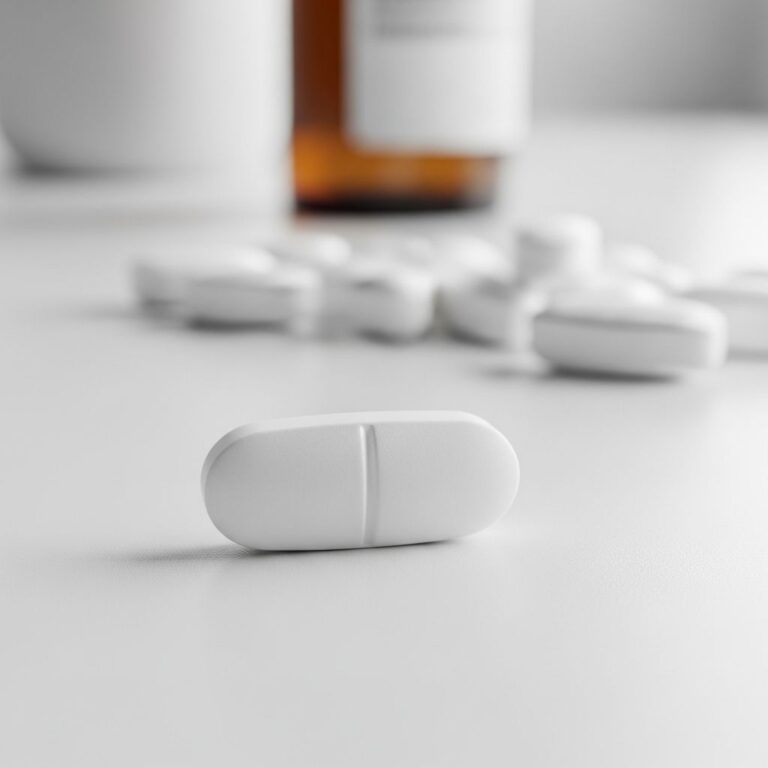
The medication is available only by prescription in tablet form, typically in strengths of 250 mg, though doses can range from 125 mg to 500 mg daily. It is not a cure for alcoholism but discourages drinking by altering alcohol metabolism, leading to the accumulation of toxic acetaldehyde.
Key facts about Disulfiram Tablets
- Brand name: Antabuse (disulfiram is the generic name).
- Type of medicine: Alcohol deterrent; carbamate derivative that inhibits aldehyde dehydrogenase.
- Used for: Treatment of chronic alcohol dependence in motivated patients.
- Also called: Disulfiram (generic).
- Is it available as a generic? Yes, widely available as generic disulfiram tablets.
How Disulfiram works (mechanism of action)
Disulfiram irreversibly inhibits the enzyme aldehyde dehydrogenase (ALDH), which is crucial in the second step of alcohol metabolism. Normally, alcohol (ethanol) is broken down into acetaldehyde by alcohol dehydrogenase, and then acetaldehyde is further metabolized into harmless acetic acid by ALDH. Disulfiram blocks this second step, causing acetaldehyde to build up in the blood—up to 5-10 times higher than normal levels.
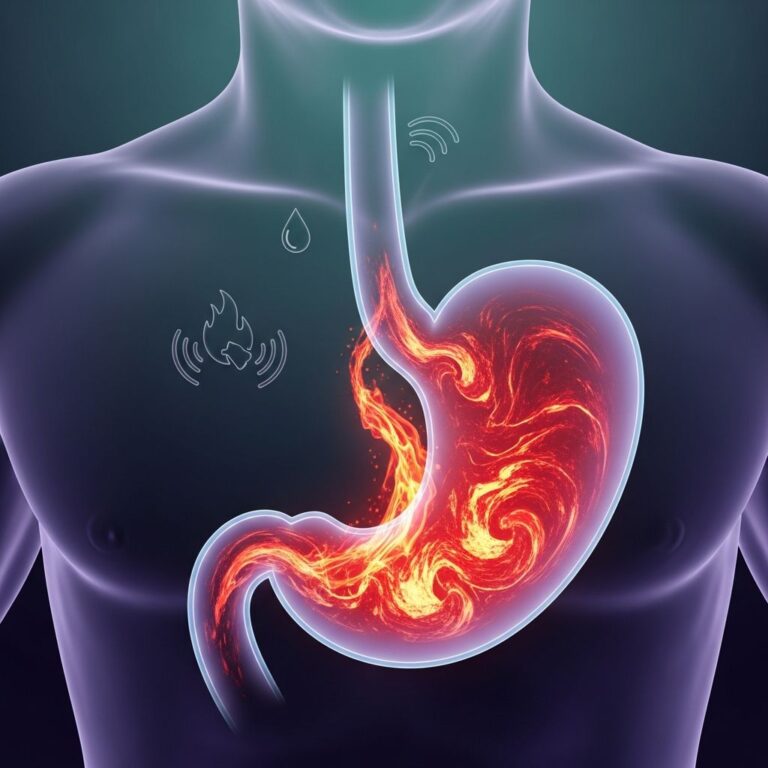
This accumulation triggers the disulfiram-alcohol reaction, a severe and unpleasant syndrome proportional to the amount of alcohol ingested. Symptoms appear within 10-30 minutes of alcohol consumption and can last 30-60 minutes or longer, deterring further drinking. The reaction includes flushing, nausea, vomiting, sweating, headache, palpitations, hypotension, and in severe cases, cardiovascular collapse.
Disulfiram does not affect the rate of alcohol elimination from the body or produce tolerance with prolonged use; sensitivity to alcohol may even increase over time. Its effects can persist up to 14 days after the last dose due to 80-95% absorption and slow enzyme recovery.
Dosage for Disulfiram Tablets
Disulfiram is taken once daily, preferably in the morning, with or without food. Tablets can be swallowed whole, crushed, or mixed with water, milk, coffee, or juice (non-alcoholic beverages only).
| Patient Group | Starting Dose | Maintenance Dose | Maximum Dose |
|---|---|---|---|
| Adults | 500 mg once daily for 1-2 weeks | 250 mg once daily | 500 mg daily |
| Adjustments | Reduce if reaction too severe | 125-500 mg based on response | Avoid exceeding 500 mg |
Related Stories



Treatment duration varies: months to years, until the patient achieves sustained self-control. It must be part of a comprehensive AUD program including counseling. Supervised dosing improves efficacy.
How and when to take Disulfiram Tablets
- Take exactly as prescribed; do not stop abruptly without medical advice.
- Avoid alcohol for at least 12 hours before starting and throughout treatment.
- Wait at least 2 weeks after stopping disulfiram before consuming alcohol safely.
- Inform family, friends, and healthcare providers of disulfiram use.
- Check all products (mouthwashes, vinegars, cough syrups) for hidden alcohol.
Common questions about Disulfiram Tablets
How long does it take to work?
Steady-state effects occur within days, but the full deterrent effect builds over 1-2 weeks. The reaction to alcohol manifests rapidly.
Daily tablet example
A standard regimen: 250 mg tablet each morning after breakfast to minimize gastrointestinal upset.
How long do I take it for?
As long as needed for sobriety support, often 6-12 months or longer under supervision.
What if I forget a dose?
Take as soon as remembered unless near next dose; do not double up. Consult your doctor.
Side effects of Disulfiram Tablets
Disulfiram alone is generally well-tolerated but causes severe reactions with alcohol. Common non-alcohol side effects include drowsiness, fatigue, headache, metallic taste, and skin rash.
Serious side effects from disulfiram-alcohol reaction
- Flushing and sweating
- Throbbing headache
- Nausea, vomiting, chest pain
- Palpitations, hypotension
- Difficulty breathing, confusion
- Rarely: myocardial infarction, convulsions, death
Report severe reactions immediately. Hepatotoxicity (liver damage) occurs rarely; monitor liver function.
Non-alcohol side effects
| Common (>1 in 100) | Less Common | Rare |
|---|---|---|
| Drowsiness, headache | Metallic taste, rash | Liver issues, neuropathy |
| Fatigue, acne | Gastrointestinal upset | Psychosis (rare) |
Who can and cannot take Disulfiram Tablets
Who can take disulfiram
- Motivated adults with AUD post-detoxification.
- Those without contraindications like heart/liver disease.
Who cannot take it
- Recent heavy drinkers (wait 12+ hours alcohol-free).
- Heart disease, psychosis, pregnancy, breastfeeding.
- Hypersensitivity to disulfiram or thiuram derivatives.
- Severe liver impairment.
Pregnancy and breastfeeding with Disulfiram Tablets
Avoid during pregnancy (Category C; potential fetal harm) and breastfeeding (excreted in milk, risk to infant). Consult alternatives.
Other medicines, food and drink restrictions with Disulfiram
Alcohol ban: Strict avoidance of all alcohol sources, including topicals, fermented foods.
Drug interactions:
- Isoniazid, metronidazole: Enhance reaction.
- Warfarin: Increased bleeding risk.
- Phenytoin: Toxicity risk.
- Benzodiazepines: Possible withdrawal exacerbation.
Avoid caffeine excess (may worsen side effects).
Common concerns about Disulfiram Tablets
Does disulfiram make you sick if you drink?
Yes, severely so—designed as aversion therapy.
How long after disulfiram can you drink?
At least 14 days for safe metabolism resumption.
Can you drink on disulfiram?
No; even small amounts trigger reaction.
Will disulfiram make you fail a breathalyzer?
No direct effect, but reaction symptoms might mimic intoxication.
About alcohol support and treatment
Disulfiram complements behavioral therapies, counseling, and support groups like AA. Comprehensive AUD treatment addresses cravings, relapse prevention, and overall health.
Frequently Asked Questions (FAQs)
Q: Is disulfiram a cure for alcoholism?
A: No, it is a deterrent, not a cure. It supports motivated patients in maintaining abstinence as part of broader treatment.
Q: What happens if you drink on Antabuse?
A: Severe disulfiram reaction: flushing, nausea, vomiting, headache, heart palpitations—lasting up to 60 minutes or more.
Q: How effective is disulfiram?
A: Highly effective with supervision and motivation; APA endorses it as second-line therapy.
Q: Can disulfiram be used long-term?
A: Yes, for months or years until self-control is achieved.
Q: What are alternatives to disulfiram?
A: Naltrexone, acamprosate for cravings/withdrawal; behavioral therapies.
References
- Disulfiram (Antabuse): Side Effects & Uses for Alcohol Use Disorder — American Addiction Centers. 2023. https://americanaddictioncenters.org/addiction-medications/disulfiram
- Disulfiram: Uses, Interactions, Mechanism of Action — DrugBank Online. 2024-01-15. https://go.drugbank.com/drugs/DB00822
- Disulfiram: Uses, Side Effects, Interactions — WebMD. 2024. https://www.webmd.com/drugs/2/drug-6676/antabuse-oral/details
- Disulfiram (oral route) – Description — Mayo Clinic. 2023-10-01. https://www.mayoclinic.org/drugs-supplements/disulfiram-oral-route/description/drg-20063488
- Disulfiram – StatPearls — NCBI Bookshelf / NIH. 2023-08-14. https://www.ncbi.nlm.nih.gov/books/NBK459340/
- Disulfiram — National Alliance on Mental Illness (NAMI). 2024. https://www.nami.org/about-mental-illness/treatments/mental-health-medications/types-of-medication/disulfiram/
- What is Disulfiram? Side Effects, Treatments & Use — SAMHSA. 2024. https://www.samhsa.gov/substance-use/treatment/options/disulfiram
Similar Articles








Read full bio of Sneha Tete