Disulfiram Tablets: Uses, Dosage, Side Effects & Interactions
Complete guide to disulfiram tablets: How it works, dosage, side effects, and alcohol interactions.
Disulfiram Tablets: Understanding This Medication for Alcohol Use Disorder
Disulfiram is an FDA-approved oral medication commonly prescribed to help individuals overcome alcohol dependence and maintain sobriety. Marketed under the brand name Antabuse, disulfiram has been used as a therapeutic intervention for over seven decades. This comprehensive guide provides detailed information about how disulfiram works, its proper usage, potential side effects, and important safety considerations for patients and healthcare providers.
What is Disulfiram?
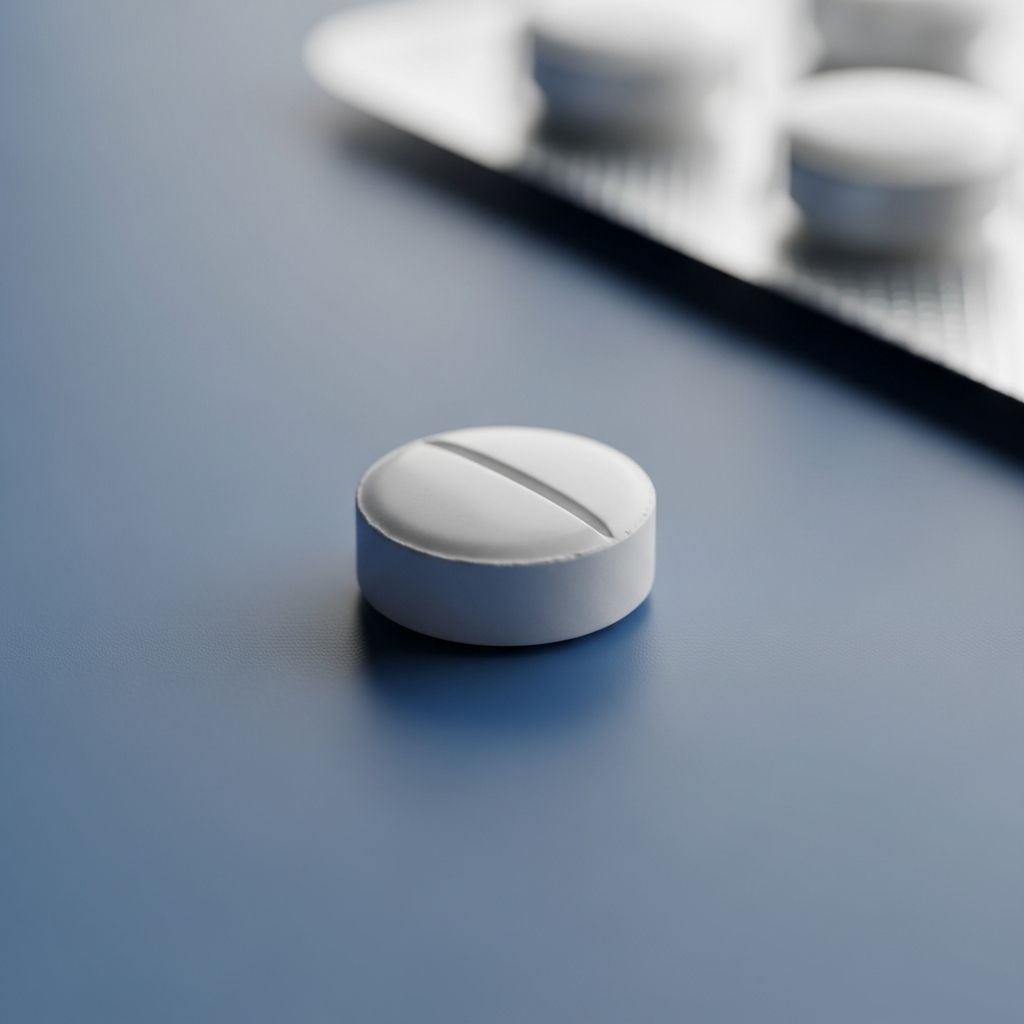
Disulfiram is a medication specifically designed to treat alcohol use disorder (AUD) by creating a strong deterrent against alcohol consumption. Unlike medications that reduce cravings or manage withdrawal symptoms, disulfiram works through a unique aversive mechanism. It is prescribed only with a doctor’s prescription and comes in tablet form, making it accessible for oral administration. The medication is particularly beneficial for individuals committed to abstinence who need additional behavioral support.
The medication has a long history in addiction treatment and remains a valuable tool in a comprehensive approach to managing alcohol dependence, particularly when combined with counseling and psychosocial support.
How Does Disulfiram Work?
Disulfiram operates through a specific biochemical mechanism that creates an uncomfortable and potentially dangerous reaction when alcohol is consumed. Understanding this mechanism is essential for both patients and healthcare providers.
Normally, when a person drinks alcohol, the body metabolizes it through a two-step process. First, the enzyme alcohol dehydrogenase converts alcohol into acetaldehyde, a toxic intermediate compound. Then, another enzyme called aldehyde dehydrogenase (ALDH) converts acetaldehyde into acetic acid, which the body can safely eliminate. This second step is crucial for preventing acetaldehyde buildup.
Disulfiram blocks the action of aldehyde dehydrogenase, preventing the conversion of acetaldehyde to acetic acid. This blockage causes acetaldehyde to accumulate in the bloodstream to toxic levels. This toxic accumulation produces a severe and unpleasant reaction known as the disulfiram-alcohol reaction. By creating this predictable negative consequence, disulfiram discourages individuals from consuming alcohol, thereby supporting abstinence goals.
It is important to note that disulfiram does not reduce alcohol cravings, nor does it prevent or treat withdrawal symptoms. Instead, it functions as a behavioral deterrent through the threat of physical discomfort.
The Disulfiram-Alcohol Reaction
If a patient taking disulfiram consumes even a small amount of alcohol, they will experience a severe and distinctive reaction. This reaction can begin within 10 minutes of alcohol consumption and may persist for one to several hours, depending on the amount of alcohol consumed and individual factors.
Common symptoms of the disulfiram-alcohol reaction include:
- Facial flushing and skin flushing
- Nausea and vomiting
- Headaches and dizziness
- Chest pain and palpitations
- Rapid heart rate (tachycardia)
- Low blood pressure (hypotension)
- Vertigo and confusion
- Upset stomach and abdominal discomfort
- Sweating (diaphoresis)
In more severe cases, particularly with large amounts of alcohol or higher doses of disulfiram, serious complications can occur. These include irregular heart rhythms, severe hypotension, myocardial infarction (heart attack), loss of consciousness, convulsions (seizures), and potentially death. The severity of the reaction is proportional to both the dose of disulfiram being taken and the amount of alcohol consumed.
Dosage and Administration
Related Stories



Proper dosing of disulfiram is essential for both safety and effectiveness. Dosage must be individualized based on patient factors and medical history.
Initial Dosing
For adults and teenagers, the typical initial dose is 500 milligrams or less, taken once daily for one to two weeks. After this initial period, doctors typically reduce the maintenance dose to between 125 and 500 milligrams daily, with 250 milligrams being the most common maintenance dose. The tablet can be swallowed whole or crushed and mixed into water or juice if patients have difficulty swallowing.
The medication is usually taken once daily in the morning. However, if disulfiram causes drowsiness, patients may take it at bedtime instead. The total daily dose should never exceed 500 milligrams.
Important Pre-Treatment Considerations
Before starting disulfiram, patients must abstain from alcohol for at least 12 hours. Some medical professionals recommend waiting 48 hours after the last drink before beginning treatment to ensure all alcohol has been eliminated from the system. Taking disulfiram while alcohol is still present in the body can trigger a severe reaction.
For children, dosage must be determined individually by a healthcare provider and is typically not routinely prescribed in pediatric populations for alcohol use disorder.
Side Effects of Disulfiram
Like all medications, disulfiram can cause side effects. Understanding these potential effects helps patients make informed decisions and recognize when medical attention may be needed.
Common Side Effects
The most frequently reported side effect of disulfiram is drowsiness or sedation. Other common side effects that typically diminish after two weeks of treatment include:
- Metallic taste in the mouth
- Headache
- Fatigue or tiredness
- Acne
- Skin rash or itching
- Nervousness or anxiety
- Mild gastrointestinal upset
These side effects often resolve as the body adjusts to the medication. If they persist or become bothersome, patients should contact their healthcare provider about dose reduction or timing adjustments.
Serious and Rare Side Effects
While uncommon, disulfiram can cause serious adverse effects, particularly at higher doses. Serious side effects include:
- Hepatitis or liver damage (hepatotoxicity)
- Fulminant hepatic failure
- Psychosis or severe mental health changes
- Seizures
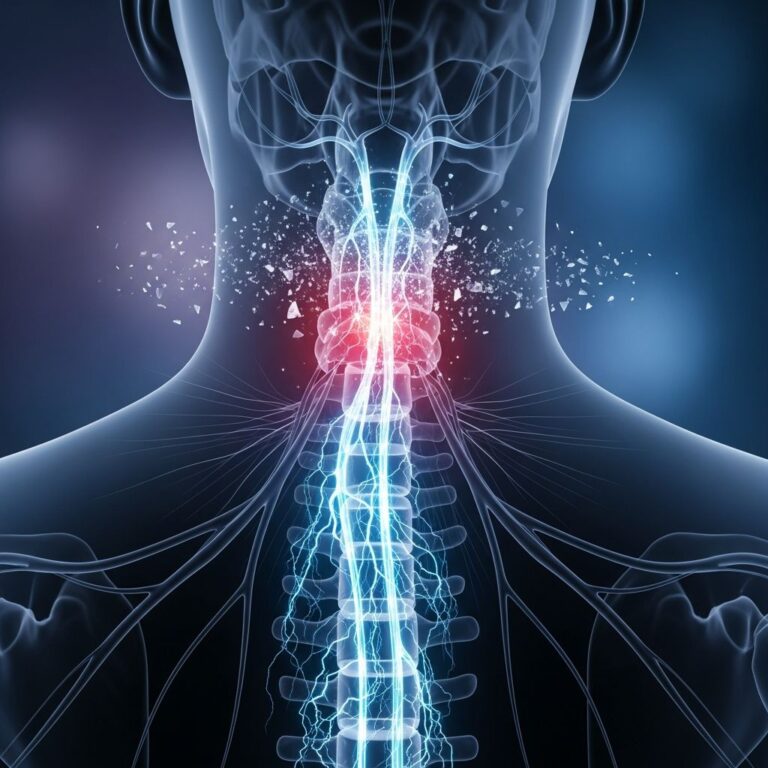
- Peripheral neuropathy (nerve damage)
- Optic neuritis (eye nerve inflammation)
- Darkening of urine
- Light gray-colored or discolored stools
- Yellowing of eyes or skin (jaundice)
- Severe stomach pain
- Exfoliative dermatitis or severe skin reactions
Hepatotoxicity is the most concerning long-term risk, with rare cases of fatal liver failure reported (approximately 1 in 30,000 patients treated per year). Patients should have regular liver function tests during treatment and seek immediate medical attention if they develop signs of liver problems.
Drug Interactions
Disulfiram interacts adversely with certain prescription and nonprescription medications. These interactions can either reduce the effectiveness of disulfiram or increase the risk of side effects. Patients must inform their healthcare provider about all medications, supplements, and over-the-counter drugs they are taking before starting disulfiram.
The medication should not be combined with any products containing alcohol, including certain cough syrups, mouthwashes, cooking ingredients, and even some medications. Additionally, disulfiram can interact with medications that contain alcohol or are metabolized similarly, potentially causing unexpected reactions or reduced effectiveness.
Patients should always check with their pharmacist or physician before taking any new medications while on disulfiram therapy.
Contraindications and Precautions
Disulfiram is not suitable for everyone. Certain medical conditions contraindicate its use or require careful monitoring:
- Active alcohol consumption or recent alcohol use
- Severe asthma or other lung disease
- Diabetes mellitus
- Epilepsy or other seizure disorders
- Heart or blood vessel disease
- Kidney disease
- Liver disease or cirrhosis
- Underactive thyroid
- Depression or other severe mental illness
- Known allergies to disulfiram or thiuram derivatives
In these conditions, disulfiram may worsen existing symptoms or create additional risks. Patients with any of these conditions should discuss them thoroughly with their healthcare provider before starting treatment.
Effectiveness and Treatment Considerations
Research indicates that disulfiram, when taken under supervision and combined with counseling, is highly effective for treating alcohol use disorder. Studies suggest it may be more effective than some alternative medications like acamprosate and naltrexone when properly monitored. Supervised administration—ensuring patients take the medication as prescribed and receive concurrent counseling—significantly improves outcomes.
However, disulfiram is best suited for individuals who are highly motivated to stop drinking and have strong social support systems. It is not recommended for individuals who cannot commit to abstinence or lack the motivation necessary for successful treatment. The medication works best as part of a comprehensive treatment program that includes behavioral therapy, counseling, and support groups.
Storage and Safety
Disulfiram should be stored at room temperature, away from heat, light, and moisture. Patients should keep the medication in a secure location, particularly if there are children in the household, as accidental ingestion can cause serious toxicity. The tablets should be kept in their original container with the label intact.
In case of overdose or accidental ingestion, immediate medical attention is necessary. Overdose symptoms may include hypoglycemia, encephalopathy, and neurological complications.
Comparison with Other Alcohol Use Disorder Medications
| Medication | Mechanism | Primary Benefit | Best For |
|---|---|---|---|
| Disulfiram | Blocks acetaldehyde metabolism | Creates aversive reaction with alcohol | Highly motivated individuals |
| Naltrexone | Blocks opioid receptors | Reduces cravings and pleasure from alcohol | Those wanting to reduce consumption |
| Acamprosate | Restores neurotransmitter balance | Reduces post-acute withdrawal symptoms | Those maintaining abstinence |
Frequently Asked Questions
Q: How long does disulfiram stay in the system?
A: Disulfiram has a long half-life, and its effects can persist for 1-2 weeks after the last dose. This extended duration means patients must avoid alcohol for at least one to two weeks after stopping the medication.
Q: Can disulfiram be used for other conditions besides alcohol use disorder?
A: While disulfiram is primarily approved for alcohol use disorder, emerging research has explored its potential in other applications, including certain cancer treatments. However, these uses remain investigational and should only be pursued under medical supervision.
Q: Is disulfiram a cure for alcoholism?
A: No, disulfiram is not a cure for alcohol use disorder. It is a medication that helps discourage drinking through aversive reactions but must be combined with counseling and behavioral interventions for optimal results.
Q: What should I do if I accidentally consume alcohol while taking disulfiram?
A: Seek immediate medical attention. Even small amounts of alcohol can trigger a severe reaction. Emergency medical services should be contacted if symptoms such as chest pain, irregular heartbeat, severe dizziness, or loss of consciousness occur.
Q: Can women take disulfiram during pregnancy?
A: Disulfiram should generally be avoided during pregnancy due to potential risks to the developing fetus. Women of childbearing age should discuss contraception and pregnancy planning with their healthcare provider before starting disulfiram.
Q: How often do I need liver function tests while taking disulfiram?
A: Regular monitoring is important. Healthcare providers typically recommend baseline liver function tests before starting treatment and periodic follow-up tests during therapy to detect any potential liver damage early.
References
- Disulfiram (Oral Route) – Description and Side Effects — Mayo Clinic. 2024. https://www.mayoclinic.org/drugs-supplements/disulfiram-oral-route/description/drg-20063488
- Disulfiram – StatPearls — National Center for Biotechnology Information (NCBI), U.S. National Library of Medicine. 2025. https://www.ncbi.nlm.nih.gov/books/NBK459340/
- How Does Disulfiram Work for Alcohol Use Disorder? — PlushCare. 2024. https://plushcare.com/disulfiram-prescription
- Disulfiram: Side Effects, Interactions, and Reaction With Alcohol — Start Your Recovery. 2024. https://startyourrecovery.org/treatment/medications/disulfiram
- Medication for Alcohol Use Disorder: Types, Benefits & Side Effects — The Ridge Ohio. 2024. https://theridgeohio.com/alcohol-abuse/medication/
- FDA Drug Information — U.S. Food and Drug Administration. 2024. https://www.fda.gov
- Clinical Trial: Disulfiram in Refractory Sarcomas — Cleveland Clinic. 2024. https://consultqd.clevelandclinic.org/trial-tests-alcoholism-drug-in-relapsed-refractory-sarcomas-to-overcome-chemotherapy-resistance
Similar Articles








Read full bio of Sneha Tete