Dithranol: Uses, How It Works, And Safe Short-Contact Guide
Comprehensive guide to dithranol (anthralin) for psoriasis treatment, usage, side effects, and precautions.
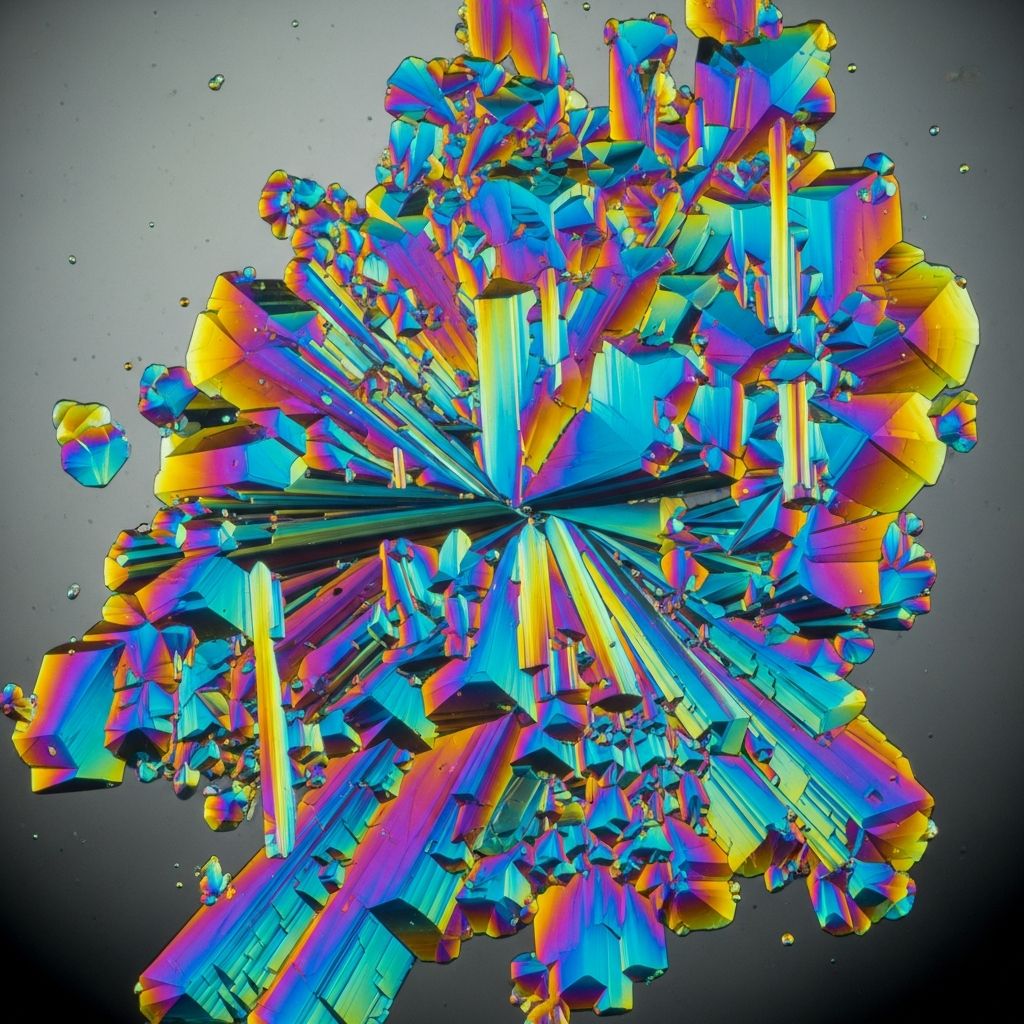
Dithranol, also known as anthralin, is a synthetic compound derived from chrysarobin, used primarily as a topical treatment for chronic plaque psoriasis. It has been a cornerstone therapy in dermatology for decades, offering effective control of psoriatic lesions through its unique mechanism of action that targets skin cell proliferation without systemic absorption.
What is dithranol?
Dithranol (1,8-dihydroxy-9(10H)-anthracenone, also called anthralin) is a pale yellow, odourless compound that has been used to treat psoriasis since the early 20th century. It is formulated in various vehicles such as pastes, ointments, creams, or shampoos to suit different application needs and reduce its inherent irritancy. Pharmacists often compound it into Lassar’s paste or other bases to stabilize it and minimize degradation, as dithranol oxidizes rapidly upon exposure to air, turning brown and losing potency.
Available strengths typically range from 0.1% to 3% for inpatient use or short-contact regimens, allowing titration based on patient tolerance and lesion severity. It is prescription-only in most regions due to its irritant potential and staining properties.
What is dithranol used for?
Dithranol is indicated mainly for stable, chronic plaque psoriasis on the body, scalp, and extremities. It is particularly useful in the Ingram regimen, an inpatient treatment combining dithranol with tar baths and UVB phototherapy, achieving clearance rates of up to 90% in controlled settings.
Outpatient use employs the short-contact method, where higher concentrations (0.5–3%) are applied briefly to enhance efficacy while minimizing irritation. It is less suitable for facial, flexural, or acutely inflamed psoriasis due to heightened sensitivity in these areas.
Off-label applications include mild to moderate alopecia areata, where irritant contact dermatitis induced by dithranol may stimulate hair regrowth, though evidence from small trials shows variable results.
How does dithranol work?
The precise mechanism remains incompletely understood but involves multiple anti-psoriatic effects. Dithranol inhibits keratinocyte DNA synthesis and mitotic activity, reducing epidermal hyperproliferation—a hallmark of psoriasis. It also restores a normal rate of cell division in psoriatic skin without affecting healthy epidermis.
Additionally, it has anti-inflammatory properties by scavenging reactive oxygen species (ROS) and inhibiting neutrophil chemotaxis. Unlike corticosteroids, dithranol does not cause skin atrophy and can counteract steroid-induced hypopigmentation. Its effects are localized, with no detectable systemic absorption, making it safe for long-term use under supervision.
Preparations of dithranol
Dithranol is unstable in solution and must be freshly prepared or stabilized in specific bases. Common formulations include:
- Pastes: Lassar’s paste (zinc oxide, salicylic acid, starch) for body plaques; ideal for occlusion.
- Ointments and creams: Microcrystalline formulations (e.g., Micanol®) for better stability and spreadability.
- Shampoos: 0.25–1% for scalp psoriasis, left on for 5–10 minutes before rinsing.
- Short-contact gels: Higher strengths for brief application.
Related Stories



Strengths start at 0.1–0.25% for sensitive areas, increasing gradually to 1–3% as tolerance develops. Hospital pharmacies compound custom preparations to ensure potency.
How to use dithranol (short-contact regimen)
The short-contact method revolutionized dithranol therapy by allowing stronger concentrations with reduced side effects. It can be highly effective even with just 10 minutes of contact time.
- Apply precisely: Use a small amount of dithranol paste/cream to psoriatic plaques only, once or twice daily before bathing. Start with low strength (0.1%) on limited areas.
- Avoid normal skin: Protect surrounding skin with soft paraffin or zinc paste. Delicate sites (face, flexures) require lower strengths and shorter contact.
- Contact time: Leave on for 10–30 minutes (start short), then remove with cotton wool soaked in vegetable oil or mild detergent (not soap), followed by showering.
- Increase gradually: If no irritation after 1–2 weeks, increase strength by 0.1–0.5% increments every 1–2 weeks, monitoring for burning.
- Scalp application: Use shampoo form; lather, leave 5–10 minutes, rinse thoroughly.
Wash hands thoroughly after application. Store preparations in airtight, light-protected containers.
Precautions when using dithranol
- Irritation risk: Highly irritating to normal skin; causes burning, redness. Discontinue if severe.
- Staining: Permanently stains fabrics, temporarily discolors skin/hair (fades in weeks). Use old clothes, plastic gloves.
- Photosensitivity: Avoid sunlight exposure post-application; covers lesions.
- Contraindications: Acute eruptions, hypersensitivity, blistered/oozing skin, face/genitals unless supervised.
- Removal: Rinse bath/shower immediately with hot water and cleanser to prevent stains.
Side effects of dithranol
Local reactions predominate due to irritancy:
| Common | Rare/Serious |
|---|---|
| Burning, stinging, redness at site Temporary skin/hair discoloration Folliculitis, dry skin | Severe irritation, rash, swelling Contact dermatitis Eye irritation if contacted |
No systemic effects or human carcinogenicity reported, despite animal tumor data. Report persistent effects to physician; reduce strength/frequency if inflamed.
Post-inflammatory hyperpigmentation from dithranol
Prolonged use can cause brown discoloration in cleared plaques, lasting months. More common in darker skin types. Fades gradually; Q-switched lasers may accelerate resolution if needed.
Dithranol for alopecia areata
Applied to induce irritant dermatitis, promoting follicular stimulation. Small studies report 20–40% regrowth rates with 0.5–1% ointment daily, but results inconsistent. Not first-line.
Interactions of dithranol
No significant drug interactions; topical nature limits systemic effects. Avoid concurrent strong irritants (e.g., retinoids). Inform physician of all topicals.
Alternatives to dithranol
- Topical: Corticosteroids, vitamin D analogues (calcipotriol), tazarotene, coal tar.
- Phototherapy: UVB, PUVA.
- Systemic: Methotrexate, biologics for severe cases.
- Combinations: Dithranol + salicylic acid or steroids for enhanced efficacy.
Frequently asked questions about dithranol
Is dithranol safe for long-term use?
Yes, when used correctly; no atrophy or tachyphylaxis like steroids. Monitor for irritation.
Does dithranol stain clothes permanently?
Yes, fabrics; use protection. Skin/hair stains temporary.
Can I use dithranol on my face?
Only low strength (0.1%) under supervision; high irritation risk.
How quickly does dithranol work?
Clearance in 2–6 weeks with consistent use; faster inpatient.
Is dithranol suitable during pregnancy?
Use cautiously if benefits outweigh risks; limited data.
References
- Anthralin: Side Effects, Uses, Dosage, Interactions, Warnings — RxList. Accessed 2026. https://www.rxlist.com/anthralin/generic-drug.htm
- Anthralin (topical route) — Mayo Clinic. 2025-02-01. https://www.mayoclinic.org/drugs-supplements/anthralin-topical-route/description/drg-20061896
- Dithranol (anthralin) — DermNet NZ. Accessed 2026. https://dermnetnz.org/topics/dithranol
- Anthralin Cream: How to Use & Side Effects — Cleveland Clinic. Accessed 2026. https://my.clevelandclinic.org/health/drugs/18499-anthralin-topical-cream
- Anthralin (Zithranol and Others) – Uses, Side Effects, and More — WebMD. Accessed 2026. https://www.webmd.com/drugs/anthralin-zithranol
Similar Articles








Read full bio of medha deb